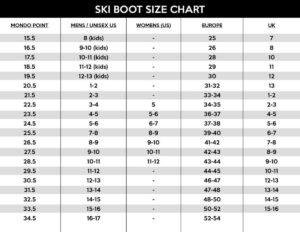
Usually, no: choose your normal size, then size up only for fit issues or thick socks.
The answer to “should I size up in knee high boots?” depends on more than foot length. Calf width, toe shape, boot material, socks, and the brand’s size chart all affect fit. This guide explains how knee-high boots should feel, when sizing up helps, and when it creates new problems.
Should You Size Up in Knee-High Boots?
Most people should not size up automatically in knee-high boots. Start with your usual shoe size and compare your measurements with the brand’s size chart. A larger size may help if the boots run small, have a narrow toe box, or need to fit thick socks.
Knee-high boots have two separate fit areas:
• The foot section must support your heel and toes.
• The shaft must fit comfortably around your calf and leg.
Sizing up may give your calf more room, but it also makes the foot section longer and wider. This can cause heel slipping, blisters, foot fatigue, and poor balance. In many cases, a wide-calf boot is a better answer than a full size increase.
A well-fitting boot should feel secure without squeezing. Your heel may lift slightly when you walk, but it should not slide dramatically. Your toes should have room to move, yet your foot should not slide forward inside the boot.
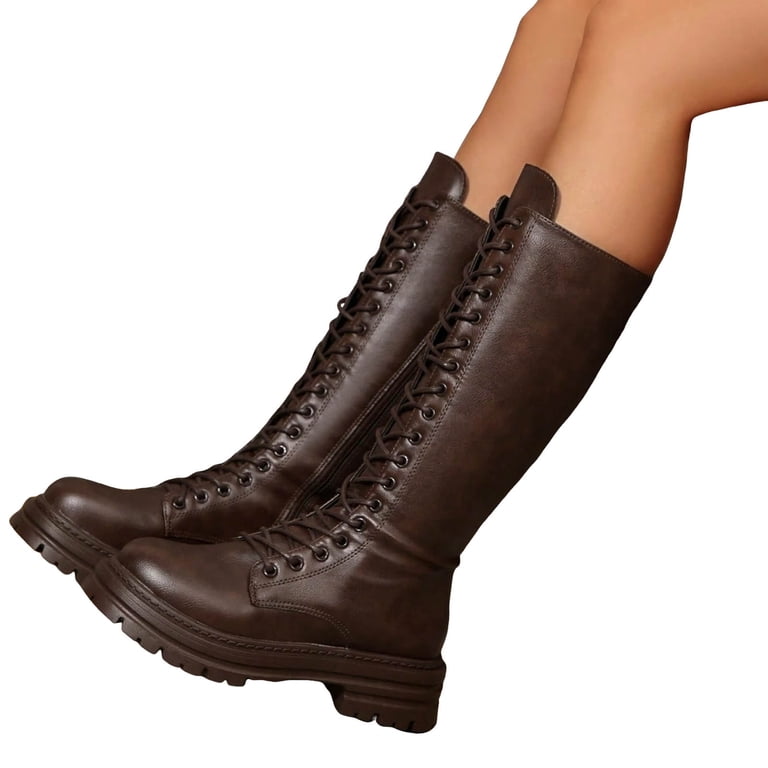
When Should You Size Up in Knee-High Boots?
There are a few clear cases when sizing up makes sense. The key is to identify whether the problem comes from length, width, or the calf shaft.
Consider sizing up when:
• Your toes touch the front of the boot while standing.
• Your toes feel cramped in the toe box.
• The brand is known to run small.
• You plan to wear thick winter socks.


• Your feet swell during long periods of standing.
• The boot feels tight across the ball of your foot.
• Your measurements fall between two sizes on the brand’s chart.
Foot swelling is common after walking, standing, or sitting for many hours. That is why it helps to try boots later in the day. This simple step gives you a more realistic fit than trying them early in the morning.
Sizing up is less useful when the shaft feels tight around your calf. A larger foot size may not add enough room to the shaft. It can also make your foot move inside the boot, even though your calf still feels restricted.
When I have helped people choose tall boots, the most common mistake was treating a calf problem as a foot-size problem. The better fix was often a wide-calf style, stretch panel, or adjustable shaft.

When Should You Stay With Your Normal Size?
Stay with your normal size when your toes have enough space and your heel stays mostly in place. A knee-high boot should feel close and supportive, much like a firm handshake. It should not feel loose or sloppy.
Your regular size is usually best when:
• You can wiggle your toes.
• Your longest toe does not press against the front.
• Your heel lifts only slightly as you walk.
• The arch sits under the natural curve of your foot.
• The boot does not pinch the sides of your foot.
• You can wear the socks you plan to use.


Leather and suede boots may soften with wear, but they do not normally become much longer. Synthetic materials may stretch a little, especially across the width, but you should not rely on major stretching to correct a poor fit.
A boot that feels slightly snug across the width may become more comfortable over time. A boot that is too short will not. If your toes hit the front, staying with your normal size is not the right choice.
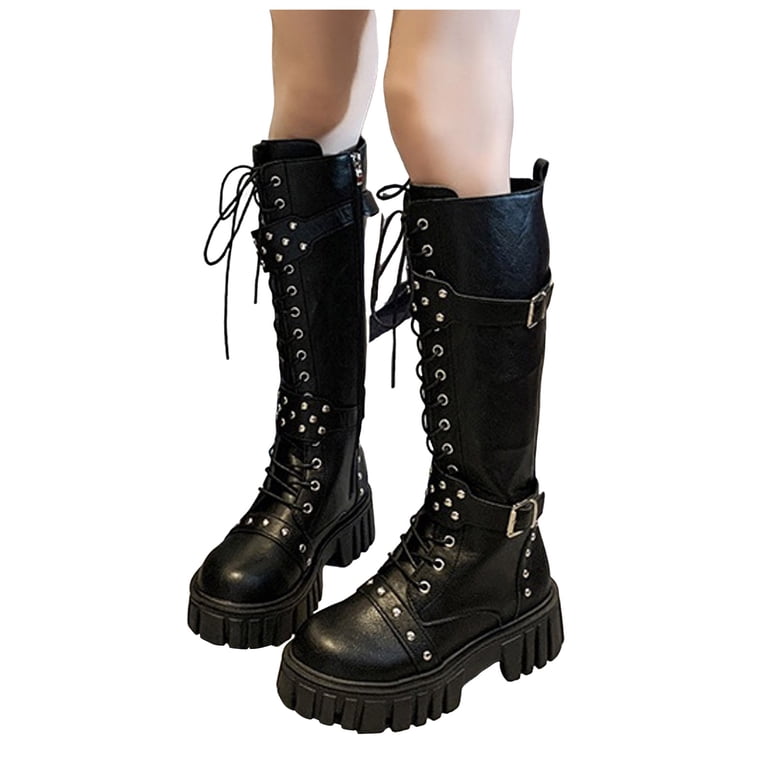
How Knee-High Boots Should Fit
Knowing how knee-high boots should fit helps you make a better decision than relying on the size number alone. Sizes vary between brands, countries, and shoe shapes.
Check these areas before keeping the boots.
Toe room
You should have about a thumb’s width of space between your longest toe and the front of the boot. This space allows your foot to move naturally while walking downhill or climbing stairs.
Your toes should not curl, press upward, or feel trapped. A pointed boot often needs more room than a round or square-toe boot.
Heel security
Your heel should stay fairly stable. A small amount of lift is normal in new boots, especially with stiff leather. Excessive movement can lead to rubbing and blisters.
Walk for several minutes. If your heel slides with every step, the boots may be too large or too wide.
Width and instep
The widest part of your foot should sit comfortably in the widest part of the boot. You should not feel sharp pressure along the little-toe side or the top of your foot.
A tight instep can cause numbness and pressure. If the boot has laces, buckles, or elastic, use them to adjust the fit before choosing a larger size.
Calf and shaft
The shaft should sit smoothly around your calf. It should not cut into your skin, wrinkle heavily, or leave a large gap.
Leave enough room to move your knee and ankle. If you plan to wear jeans or leggings underneath, test the boots with those clothes.
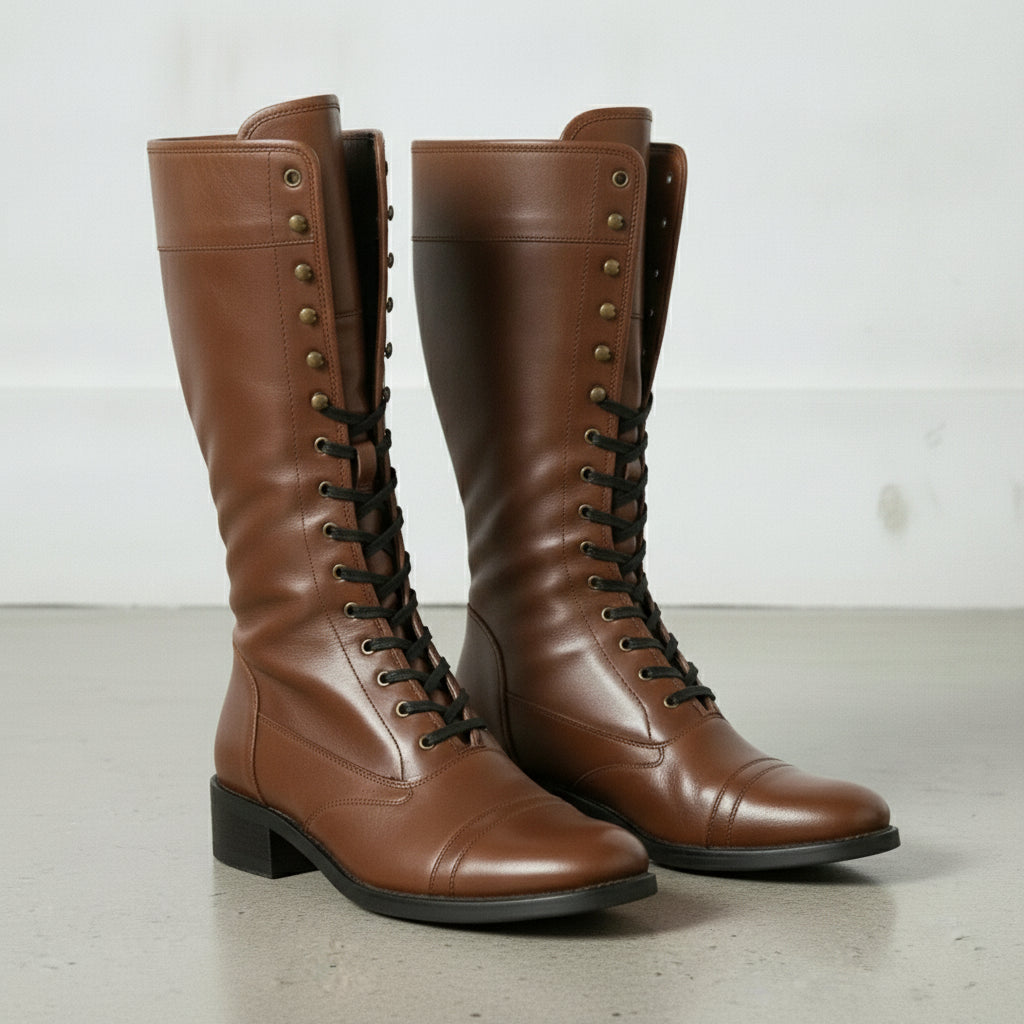
Measuring Your Feet and Calves at Home
Accurate measurements can answer “should I size up in knee-high boots?” more reliably than guesswork. You need paper, a pen, a ruler, and a soft measuring tape.


Follow these steps:
-
Put on the socks you expect to wear with the boots.
-
Place one foot on a sheet of paper.
-
Trace around the foot while holding the pen straight up.
-
Measure from the heel to the longest toe.
-
Measure across the widest part of the foot.
-
Measure around the fullest part of your calf while standing.
-
Repeat the process for the other foot and calf.
Use the larger measurement when your feet or calves differ. This is common and does not mean anything is wrong. One foot may be slightly longer or wider than the other.
Measure your calf while standing because the muscle shape changes when you put weight on the leg. Measure over the clothes you plan to wear with the boots. A bare-leg measurement may be too small for winter outfits.
Always compare your results with the brand’s chart. A women’s size 8 in one brand may not have the same length or width as a size 8 in another. The number is a starting point, not a guarantee.
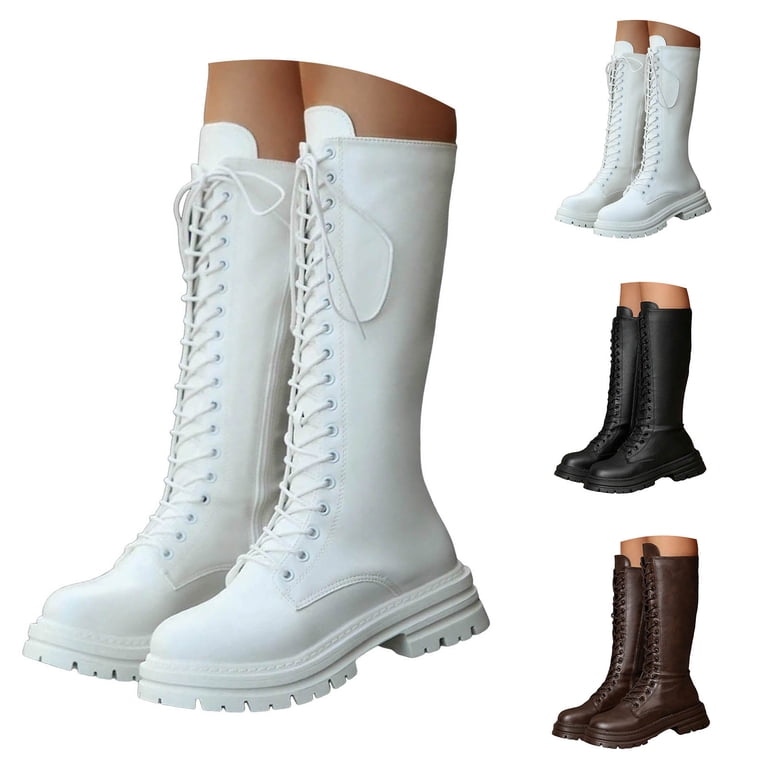
How Boot Materials Affect Sizing
Material plays a major role in knee-high boot fit. It affects comfort, stretch, warmth, and long-term shape.
Leather
Leather can soften and mold to your foot. It may relax across the width, but it should not be painfully tight when new. Leather will not solve a boot that is too short.
Suede
Suede often feels flexible and may relax with wear. It can also lose shape if stretched too much. Choose a close but comfortable fit rather than expecting suede to correct a major sizing error.


Faux leather
Faux leather may stretch less than natural leather. If the boot feels tight, check the return policy before assuming it will loosen.
Stretch fabric
Stretch fabric can suit wider calves and fuller legs. However, it should not feel like a tight band around your leg. Constant pressure can become uncomfortable during long wear.
Rubber
Rubber rain boots usually have less give around the foot and shaft. Look for enough room for socks, but avoid sizing up so much that your heel slips.

Foot Size Versus Calf Size
Many shoppers ask, “should I size up in knee-high boots?” because the foot fits while the calf does not. This is a shaft-width issue, not always a shoe-size issue.
Look for terms such as:
• Wide calf
• Extra wide calf
• Extended calf
• Adjustable calf
• Stretch panel
• Elastic gore
• Full-zip shaft
Wide-calf boots are designed with more room around the leg. Adjustable buckles and laces can also help you create a better fit. A stretch panel may offer comfort without making the entire boot loose.
If your calf measurement is close to the boot’s listed opening, choose a little extra room. The listed shaft measurement may be taken without tension, and clothing can reduce available space.
A boot that fits the foot but does not close around the calf is not a good fit. Do not force the zipper. Repeated strain can damage the zipper, seams, or material.
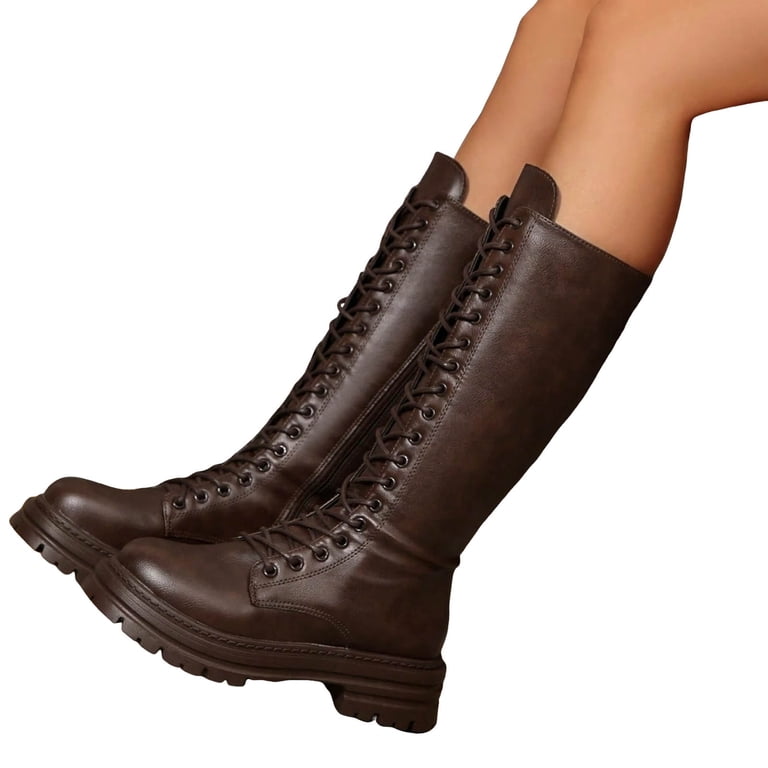
How to Try On Knee-High Boots Correctly
The way you try on boots can change your decision. Follow a consistent process before deciding whether you should size up in knee-high boots.
-
Try both boots on, because one foot may be larger.
-
Wear your normal boot socks.
-
Stand up and check your toe space.
-
Walk on a clean indoor surface.
-
Walk up and down stairs if possible.
-
Sit down to test the calf and knee area.
-
Bend your ankle and knee.
-
Check for rubbing, pressure, or numbness.
-
Try the boots with your usual pants.
-
Keep the packaging until you are sure about the fit.
Try boots late in the day when feet are often slightly larger. Walk for at least five to ten minutes. A quick mirror check may show how the boots look, but walking reveals how they truly perform.
Do not judge fit while sitting only. Your calf expands when you stand, and your foot lengthens slightly under body weight. Good footwear should work during movement, not just look attractive in a chair.

Signs Your Knee-High Boots Are Too Small
Boots that are too small can cause discomfort from the first wear. Some issues become worse after several hours.
Watch for these signs:
• Your toes touch the front.
• Your toes feel numb or cramped.
• The sides press hard against your feet.
• Your toenails hurt after walking.
• The boot pinches the top of your foot.
• The zipper strains around your calf.
• Your leg feels numb or cold.
• You cannot wear normal socks.
Pain is not a normal part of breaking in boots. Mild stiffness may improve, but sharp pressure and numbness are warning signs.
If your toes touch the front, do not assume the boots will stretch longer. They probably will not. In that case, sizing up may be appropriate, provided the larger size does not create too much heel movement.
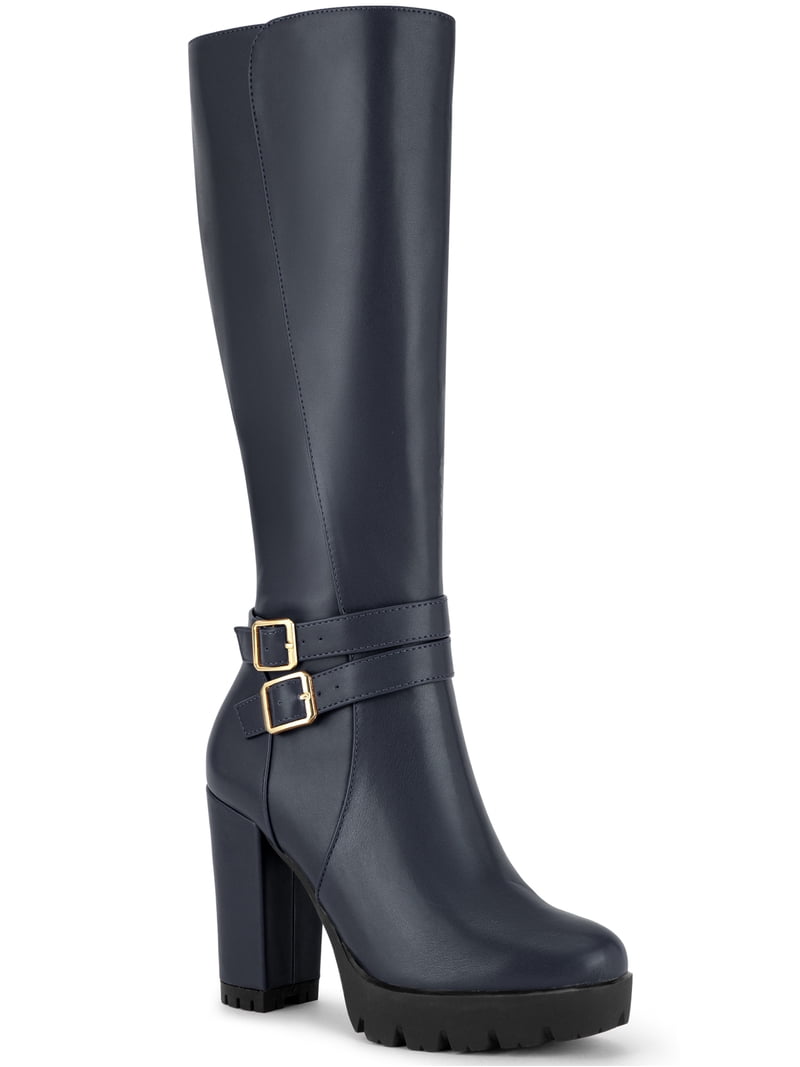
Signs Your Knee-High Boots Are Too Large
Oversized boots can look polished but feel unstable. They may also change how you walk.
Your boots may be too large if:
• Your heel lifts with every step.
• Your foot slides forward.
• Your toes grip the insole to stay secure.
• You need several thick socks to fill the space.
• Your ankle bends inside the boot.
• The boot creases sharply in the wrong place.
• You develop blisters from repeated movement.
A thin insole or heel grip can sometimes improve a slightly loose fit. These fixes cannot fully correct boots that are much too large.
In my experience, people often focus on the comfort they feel while standing still. Once they walk outside, the extra movement becomes obvious. Always test for stability before removing tags or wearing the boots outdoors.
Ways to Improve the Fit Without Sizing Up
Sizing up is not the only solution. Small adjustments may solve mild fit problems while keeping the correct foot length.
Try these options:
• Use a cushioned insole for extra support.
• Add a thin heel grip if the heel slips slightly.
• Choose socks with the right thickness.
• Use a boot calf extender for a tight shaft.
• Look for stretch panels or adjustable features.
• Have leather boots professionally stretched across the width.
• Use a toe protector only if the issue is rubbing, not short length.
Avoid stuffing the toe with bulky material. It reduces toe space and may create pressure. Also avoid wearing painful boots for hours in the hope that they will suddenly become comfortable.
If you have diabetes, poor circulation, nerve problems, or recurring foot pain, choose comfort with extra care. A podiatrist can help assess footwear if ordinary fitting changes do not solve the problem.
Ordering Knee-High Boots Online
Online shopping makes sizing harder because you cannot feel the material or test the boot while walking. You can still reduce the risk by checking a few details.
Before ordering, review:
• The brand’s foot-length chart.
• The calf circumference and shaft height.
• Customer comments about sizing.
• The toe shape.
• The material and stretch level.
• The return and exchange policy.
Look for reviews from people with similar foot and calf measurements. Pay attention to repeated comments rather than one unusual review. Words such as “runs small,” “narrow through the calf,” or “roomy in the heel” are useful clues.
Order only when you have time to test the boots indoors. Wear the right socks and walk on a clean floor. Keep the box and tags until you decide whether the size works.
If the brand offers half sizes, use them when foot length is the main issue. If your calf is the problem, choose a wide-calf option instead of automatically going up a full size.
Common Knee-High Boot Sizing Mistakes
Several mistakes appear again and again when people shop for tall boots.
• Choosing a larger size to fix a narrow calf.
• Trying boots on with thin socks only.
• Checking fit while sitting down.
• Ignoring the larger foot.
• Assuming leather will stretch in every direction.
• Keeping boots that cause pain.
• Forgetting about pants worn underneath.
• Skipping the brand’s measurement chart.
The biggest mistake is trusting the printed size more than the actual fit. A size number cannot tell you whether the toe box, instep, heel, or calf will work for your body.
Think of knee-high boots as two connected parts: a shoe and a leg covering. Both must fit. If one part fails, the boot will not feel right, even if the size label appears correct.
Frequently Asked Questions About Whether to Size Up in Knee-High Boots
Should I size up in knee-high boots if I wear thick socks?
You may need to size up if thick socks make your toes feel cramped or press against the front. Try the boots with the exact socks you plan to wear before choosing a larger size.
Should I size up in knee-high boots for wide calves?
Usually, no. Choose a wide-calf or adjustable-calf style because sizing up may make the foot too loose without giving enough extra calf room.
Should knee-high boots feel tight at first?
They may feel firm, especially around the ankle or width, but they should not cause pain, numbness, or sharp pressure. The toes should still move freely.
How much room should be in the toe of knee-high boots?
Aim for about a thumb’s width between your longest toe and the boot’s front. You need enough space for natural movement, especially when walking downhill.
Is heel slipping normal in new knee-high boots?
A small amount of heel lift can be normal in stiff new boots. Constant or heavy slipping usually means the boots are too large or do not match your foot shape.
Can I stretch knee-high boots that are too tight?
Leather and suede may stretch slightly across the width or calf. Stretching will not reliably add length, so boots that are too short should usually be exchanged.
Should I buy knee-high boots in a half size up?
A half size up can help when your normal size is slightly short or narrow. Check heel movement and toe space so the extra length does not make the boots unstable.
Conclusion
The best answer to “should I size up in knee-high boots?” is usually no. Start with your normal size, measure both your feet and calves, and test the boots while standing and walking. Size up only when the foot feels too short or cramped, not simply because the calf feels tight.
A wide-calf design, stretch panel, adjustable shaft, or small insole may solve the problem more effectively. Take your time, follow the brand’s chart, and use the return policy when needed. Try these fitting steps with your next pair, and share your experience or favorite boot tips in the comments.

Madison Clark is a footwear expert and the voice behind MyStyleGrid.com. She specializes in honest shoe reviews, style tips, and practical guides to help readers find the perfect pair for any occasion. With years of experience in blogging and content creation, Madison makes footwear knowledge simple, stylish, and easy to follow.