Most shoe environments let athlete's foot survive from weeks up to several months under ideal conditions.
I’ve treated and studied fungal foot infections for years, and I can tell you exactly how long can athlete's foot live in shoes, why it matters, and what to do about it. This guide walks through how the fungus survives, the factors that extend its life in footwear, simple tests and cleaning steps that actually work, and smart prevention tips you can use today. Read on to get clear, practical answers that protect your feet and your family.
What is athlete's foot and why shoes matter
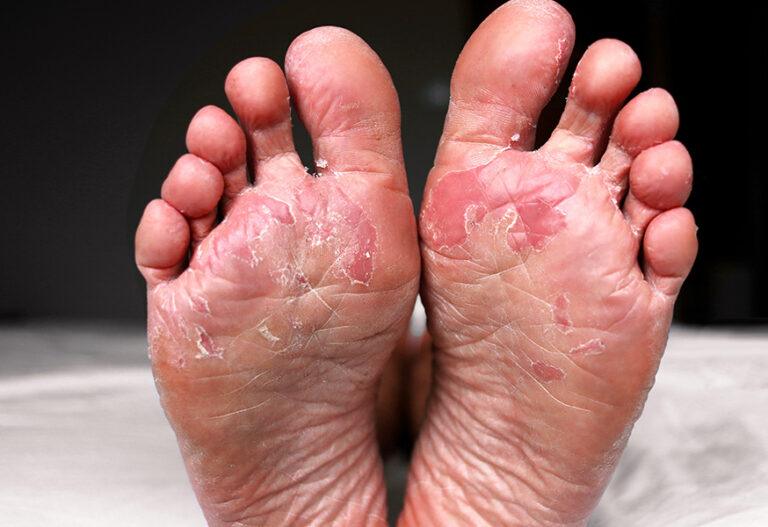
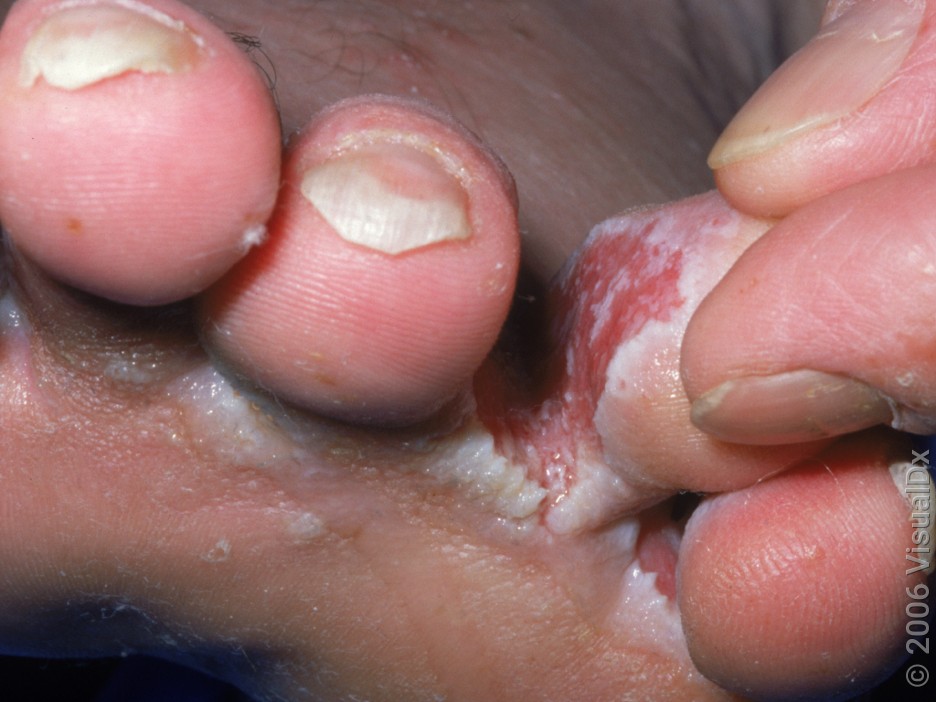
Athlete's foot is a common fungal infection of the skin on the feet. It is caused by dermatophyte fungi that eat keratin in skin. The same fungi can leave spores on socks and inside shoes. Shoes provide warmth, moisture, and dark space — a perfect home for fungal spores. When shoes stay damp or are shared, they become a reservoir that can reinfect the wearer. Understanding how long can athlete's foot live in shoes helps you cut that cycle and stop repeat infections.
How athlete's foot spreads and survives in shoes
Fungal spread happens through direct contact with infected skin, contaminated socks, floors, and shoes. Inside shoes, spores attach to fabric, foam, and leather. They can remain dormant until conditions are right. Warm, humid shoes let the fungus grow. Dry, cool shoes make spores less active but not always dead. That is why knowing how long can athlete's foot live in shoes matters for cleaning and prevention.

How long can athlete's foot live in shoes? — practical timeline
Short answer: spores can live for weeks to months. Here is a clearer timeline based on typical conditions.
- Dry shoes in cool conditions
- Spores may survive for weeks. Growth is unlikely if shoes are dry.
- Warm, damp shoes after workouts or showers
- Spores can survive for weeks and may grow into active colonies in days.
- Very humid, frequently worn shoes
- Spores can live for months and cause repeated infections.
- Porous insoles and old shoes
- Fungal material can persist longer due to trapped moisture and skin debris.
If you ask how long can athlete's foot live in shoes in real life, expect a range. In my experience, untreated shoes often harbor viable spores for one to six months. The exact time depends on moisture, temperature, and material.
Key factors that affect survival time
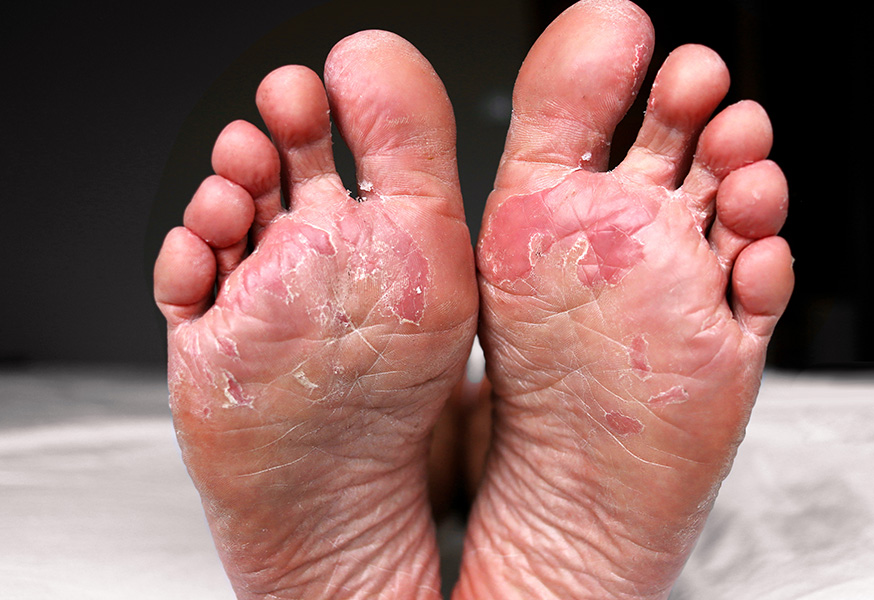
Several things change how long can athlete's foot live in shoes. Addressing them helps you reduce risk.
- Moisture
- The single biggest factor. Damp shoes feed fungi and let them live longer.
- Temperature
- Warmth speeds growth. Cool storage slows it.
- Material
- Synthetic linings can hold more moisture than leather. Porous insoles trap skin cells.
- Frequency of use
- Daily wear prevents shoes from drying fully, extending survival time.
- Cleanliness
- Built-up dead skin, sweat, and grime give fungi food and shelter.
Managing these factors cuts how long can athlete's foot live in shoes and lowers reinfection odds.
How to test shoes for fungal contamination
Simple checks help you find if shoes might be contaminated.
- Visual inspection
- Look for white, powdery residue or discolored insoles.
- Smell test
- A persistent musty odor often signals fungal growth.
- Touch test
- Damp or sticky inner lining after wearing suggests high risk.
- Quick home test
- Wear clean socks and shoes for an hour; if a rash or itching appears within days, shoes may be the source.
If tests show contamination, follow cleaning steps below to reduce how long can athlete's foot live in shoes.
Effective cleaning and disinfection methods
Not all cleaning works. Use methods that target spores and remove trapped skin cells.
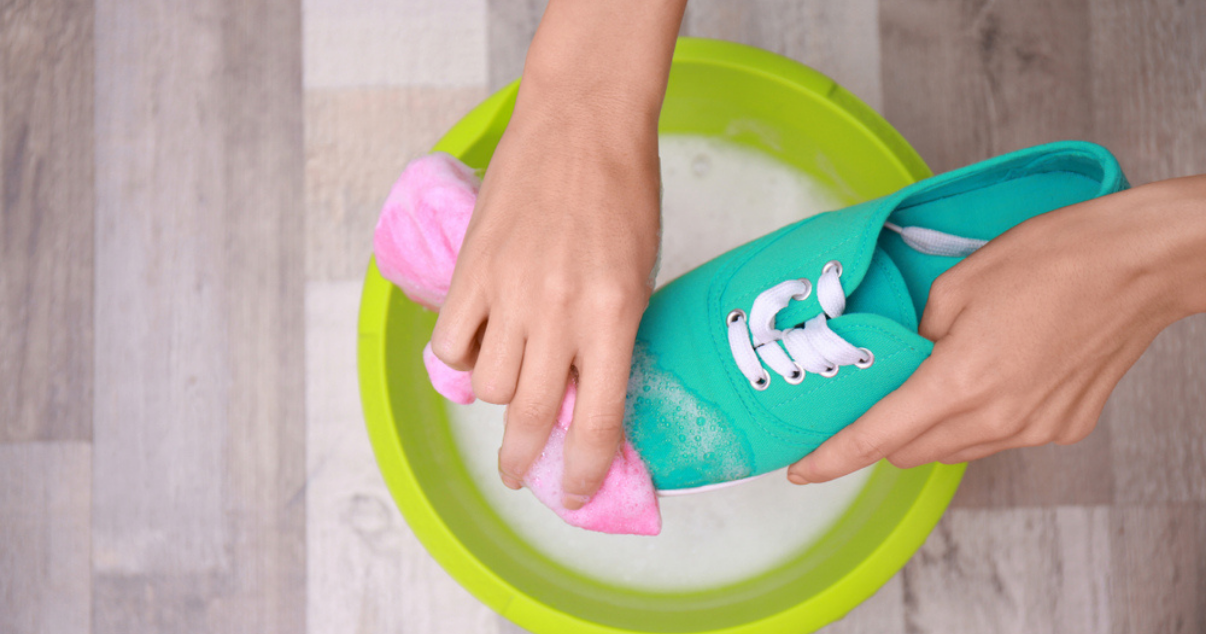
- Machine washable insoles and fabric shoes
- Wash with warm water and detergent. Dry fully in sun or a dryer on low.
- Sun drying
- UV rays and heat help kill fungi. Leave shoes in direct sun for several hours.
- Freezing
- Freeze shoes overnight in a sealed bag to reduce viability. Repeat twice. This helps but may not fully sterilize.
- Disinfectants and antifungal sprays
- Use EPA-registered or drugstore antifungal sprays on insoles and linings. Follow label directions.
- Replace old insoles
- Swap porous insoles for new ones. Consider antifungal or charcoal insoles.
- Shoe rotation
- Give shoes 48 hours to dry between wears to reduce fungal survival.
Applying these steps shortens how long can athlete's foot live in shoes and cuts reinfection risk.
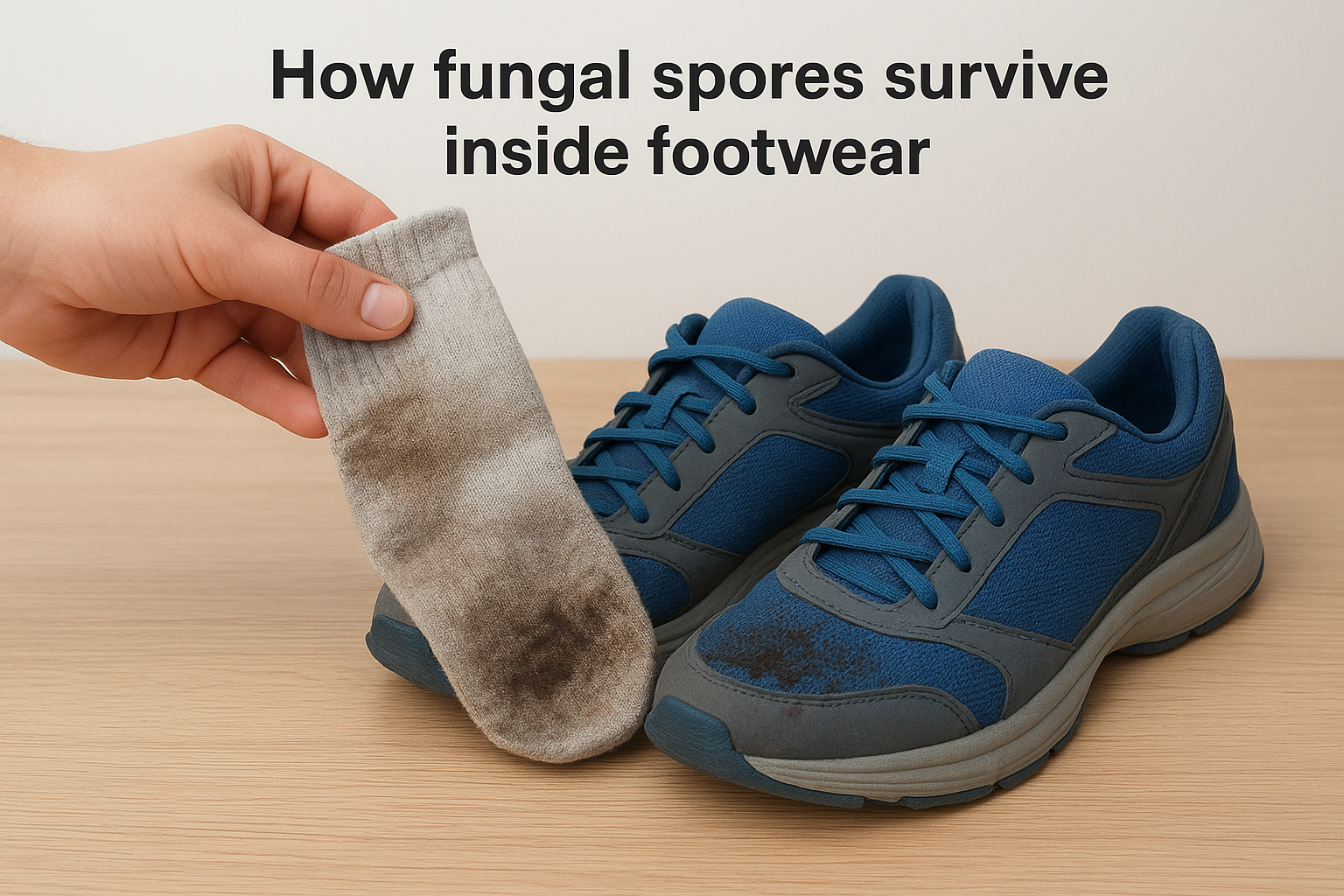
Prevention tips: stop reinfection before it starts
Prevention is better than repeated treatment. These habits work.
- Wear moisture-wicking socks and change them daily.
- Rotate shoes so each pair dries fully between wears.
- Use breathable footwear and avoid tight, non-ventilated shoes for long periods.
- Shower with soap after communal activities and dry feet well.
- Use foot powders or antifungal sprays in at-risk shoes.
- Avoid walking barefoot in locker rooms or shared showers.
- Replace shoes older than a year if they trap moisture or smell.
Following these steps reduces how long can athlete's foot live in shoes and protects others you live with.
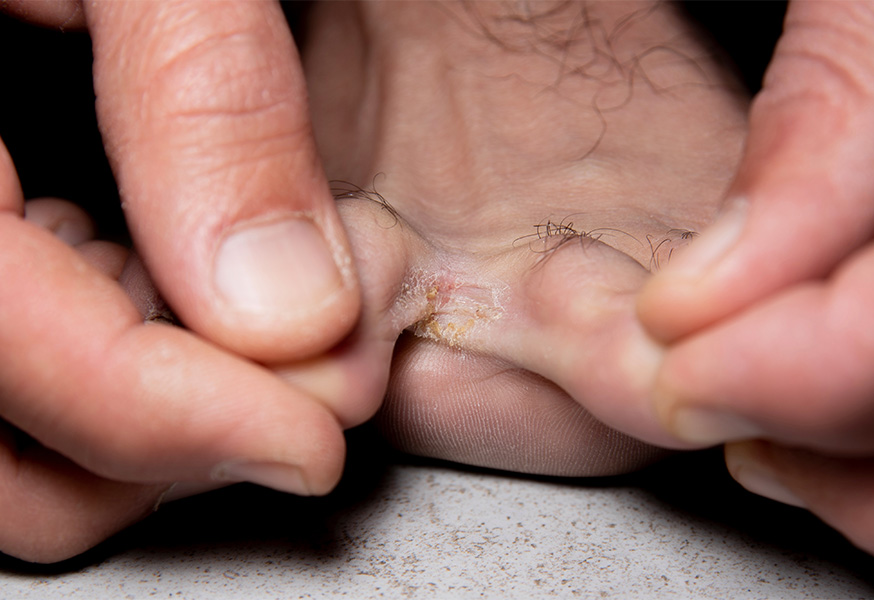
My experience: what I learned treating athlete's foot
I’ve helped patients clear stubborn tinea pedis and tested cleaning methods on many shoes. A few practical lessons stand out.
- Mistake: only treating the skin and not the shoes. Many people relapse.
- Success: rotating three pairs of shoes and sun-drying cut reinfections in half.
- Tip: swapping porous insoles for nonporous ones made a big difference for runners.
- Reality: some old shoes hold spores so well that replacement is easier than full sterilization.
These real-world tips reflect how long can athlete's foot live in shoes and what worked to stop the cycle.
Frequently Asked Questions of how long can athlete's foot live in shoes
How long can athlete's foot live in shoes if the shoes are dry?
Dry shoes slow fungal activity and may reduce viability to weeks. However, spores can persist and still cause reinfection if shoes are worn again without cleaning.
Can sunlight kill athlete's foot spores in shoes?
Sunlight and heat reduce fungal survival by drying and UV exposure. Extended sun exposure for several hours is helpful but may not fully sterilize deep padding.
Will washing shoes in hot water remove the fungus?
Washing fabric shoes on warm with detergent and fully drying often removes spores and skin debris. Always ensure complete drying to prevent regrowth.
How often should I replace shoes to avoid reinfection?
If shoes are old, smelly, or trap moisture, consider replacing them every 12 months or sooner. Replace insoles yearly or when they show wear.
Are antifungal sprays effective for shoes?
Antifungal sprays can reduce spores and lower reinfection risk when used correctly. Combine sprays with cleaning and drying for best results.
Conclusion
Shoes can host athlete's foot spores for weeks to months, depending on moisture, warmth, and material. Tackle the problem by drying shoes, cleaning or replacing insoles, rotating footwear, and using antifungal measures. Start today: dry your shoes after use, swap to breathable socks, and treat footwear when you treat the skin. Try one change now and track results—your feet will thank you. Share your experience or questions below and consider subscribing for more practical foot-care tips.

Madison Clark is a footwear expert and the voice behind MyStyleGrid.com. She specializes in honest shoe reviews, style tips, and practical guides to help readers find the perfect pair for any occasion. With years of experience in blogging and content creation, Madison makes footwear knowledge simple, stylish, and easy to follow.