Hiking shoes should fit snug at the heel, secure across the midfoot, and offer thumb-width toe room.
I’ve spent years testing boots on trails from dusty two-mile loops to steep alpine ridges. I know how hiking shoes should fit to keep you safe, fast, and comfortable. This guide breaks down fit zones, a step-by-step checklist, common problems and fixes, and real-world tips you can use at the shop or on the trail. Read on to learn exactly how hiking shoes should fit so you can pick the right pair and avoid blisters, pain, and poor performance.

Why proper fit matters
A good fit keeps your foot stable. It reduces blisters, bruised toenails, and hot spots. Proper fit also improves balance on rocks and downhill control. When you know how hiking shoes should fit, you hike longer and recover faster.
Fit affects performance and safety. Shoes that slide cause friction. Tight shoes pinch nerves. Wide shoes let your foot move too much. All these lead to fatigue and injuries.
Personal note: I once climbed a 10-mile ridge in a pair I bought online. They were too short. I lost a toenail and learned the hard way why how hiking shoes should fit matters before day one.

Key fit zones to check
Below are the main fit zones to inspect. Understand each area to judge how hiking shoes should fit.
- Heel
- Heel should be snug. No painful rubbing. Minimal lift on a firm walk.
- Midfoot
- Laces should lock in the midfoot. The foot must feel secure without pressure points.
- Toe box
- Give about a thumb-width of space from longest toe to shoe end. Toes must wiggle.
- Width
- Shoe width should match your foot. Not squeezed, not sloppy.
- Arch
- Arch support should match your footprint. Too much or too little causes pain.
- Ankle collar (for boots)
- Collar should contact the ankle bone without digging. It adds side support.
If you test for these areas, you’ll know how hiking shoes should fit for your foot shape and trail needs.
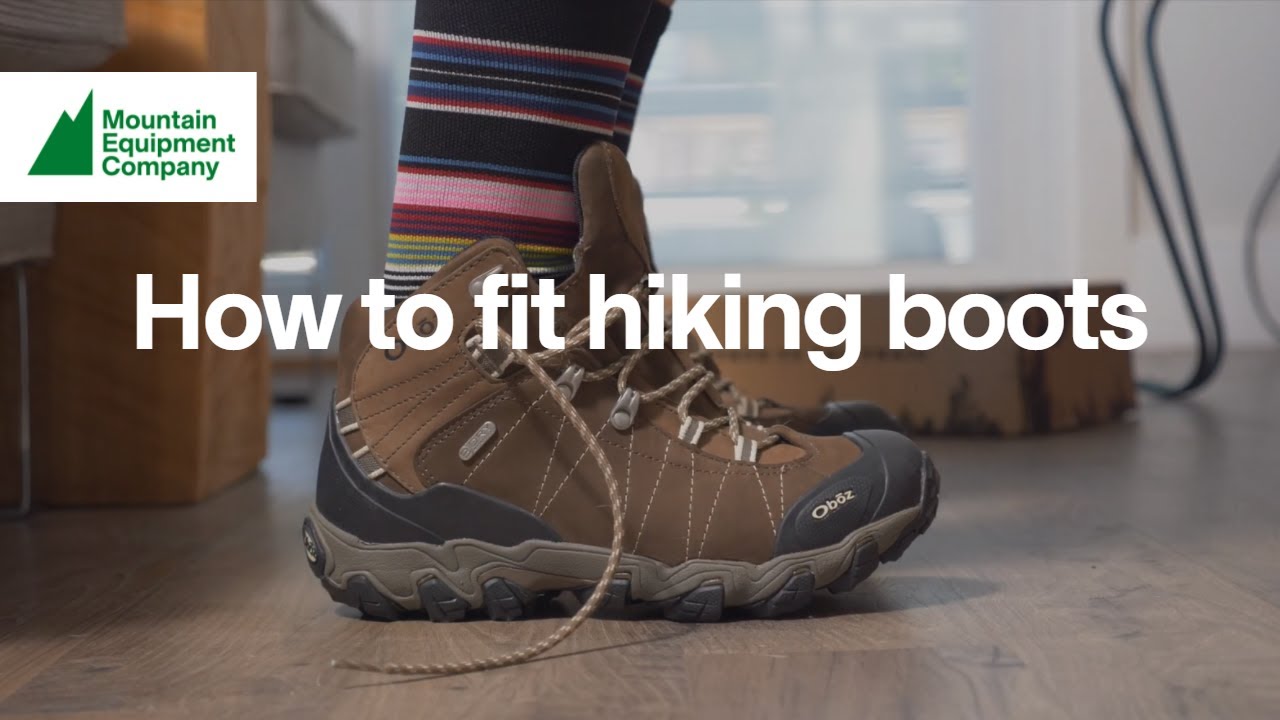
How hiking shoes should fit: step-by-step fit checklist
Use this checklist in the store or at home. Follow each step slowly.
- Measure both feet while standing
- Feet swell under load. Use the larger foot measurement.
- Try shoes with your hiking socks
- Wear the thickness you plan to hike in.
- Lace and stand, then walk on a slight incline
- Walk 5 to 10 minutes inside the store or around the block.
- Check toe room
- Ensure one thumb to one and a half thumb width from toe to shoe tip.
- Test heel lock
- Tighten lower laces and step to see if heel lifts. Minimal lift is OK.
- Feel for pressure points
- Walk on uneven ground if possible to test hotspots.
- Test width by wiggling toes
- Toes should wiggle and spread naturally.
- Try a full pack if buying boots
- Add weight to simulate load and retest fit.
Repeat these steps until the shoe feels secure and natural. This method shows you exactly how hiking shoes should fit in real conditions.

Common fit problems and how to fix them
Recognizing issues early saves hikes. Here are typical problems and fixes.
- Blisters at heel
- Cause: heel slip or early hot spot. Fix: heel lock lacing, thicker socks, or tighter heel counter.
- Numb toes
- Cause: shoes too tight across the toe box or laced too tight. Fix: loosen forefoot, consider wider model.
- Bruised toenails
- Cause: lack of toe room on descents. Fix: larger size, or use boot with more toe box space.
- Foot slides forward downhill
- Cause: loose fit or wrong last shape. Fix: lock lacing and check for correct length.
- Arch pain
- Cause: poor arch support or wrong insole. Fix: try aftermarket insoles or different last.
Hiking shoe brands vary. If one brand fails your foot, try another. That is often the fastest solution.
PAA-style questions
How much toe room should I have in hiking shoes?
Aim for a thumb-width to one and a half thumb-width of space from the longest toe to the shoe tip. This prevents jammed toes on descents and allows natural foot swelling.
Should hiking shoes be tight around the heel?
They should be snug but not painful. A good heel lock prevents slippage without creating blisters.
Can I stretch hiking shoes if they feel tight?
Some leather models can stretch slightly with wear or heat, but many synthetics do not. Better to choose a proper fit from the start than rely on stretching.

Sizing tips: measuring feet, socks, and break-in
Measure feet at the end of the day. Feet swell with activity. Measure both feet and use the larger size. Repeat measurements monthly if you hike a lot.
Socks matter. Use the socks you plan to hike in when trying shoes. Thin liner socks change fit and can increase friction. Thicker wool socks change internal space.
Break-in tips
- Start short
- Wear new shoes on easy, short hikes.
- Gradually increase load
- Add weight or distance slowly.
- Use moleskin for hotspots
- Protect early hot areas to avoid blisters.
- Adjust lacing patterns
- Small tweaks reduce pressure. Learn heel lock and forefoot tie methods.
I once hiked two miles in new boots and stopped. The fit felt fine in-store but small hot spots appeared. I used moleskin and broke them in on short loops. That saved my next multi-day trip.

Choosing the right shoe type for fit
Different shoes fit differently. Match shoe type to terrain and load.
- Trail runners
- Fit like running shoes. They need a snug midfoot and a roomy toe box. Best for fast, lightweight hikes.
- Low-cut day hikers
- Offer more protection than runners. They need a secure heel and stable midfoot.
- Mid-cut boots
- Add ankle support. Make sure the collar does not dig in and that flex matches your stride.
- Backpacking boots
- Built for heavy loads. They require more length and a stronger heel lock. Try with a loaded pack.
How you lace and which insoles you pick also change fit. Test shoes under conditions similar to your typical hikes to know how hiking shoes should fit for your needs.

Frequently Asked Questions of how hiking shoes should fit
How tight should hiking shoes be?
Hiking shoes should feel snug but not painful. You should have secure heel hold and freedom for toes to move.
How much space should I leave in front of my toes?
Leave one thumb to one and a half thumb width of space. This prevents toes from hitting the front when going downhill.
Is it okay if one shoe feels tighter than the other?
Feet are often different sizes. Use the larger foot measurement and adjust with insoles or tongue pads for the smaller foot.
Should my heel slip at all?
Minimal heel lift is acceptable, but significant slip causes blisters. Use a heel lock lace to reduce movement.
Can I size up for swelling on long hikes?
Many hikers choose a half size up for steep descents and loaded hikes. Test with pack weight and socks before committing.
Do hiking shoes need breaking in?
Yes. Most shoes soften and shape to your foot after short use. Start with short hikes to avoid hotspots.
Conclusion
Fit is the single most important factor in buying hiking shoes. Learn how hiking shoes should fit by checking heel hold, midfoot security, and toe room. Measure feet, wear the right socks, and test with short walks and a loaded pack. Use the step-by-step checklist and fixes here to choose shoes that protect your feet and boost trail confidence. Try shoes early, test them fully, and don’t rush the decision — your feet will thank you.
Take action: go measure your feet, try shoes with your hike socks, and use the checklist on your next trip. Share your fit story below or subscribe for more gear guides and trail tips.

Madison Clark is a footwear expert and the voice behind MyStyleGrid.com. She specializes in honest shoe reviews, style tips, and practical guides to help readers find the perfect pair for any occasion. With years of experience in blogging and content creation, Madison makes footwear knowledge simple, stylish, and easy to follow.