Choose boots by fit, purpose, weather, materials, support, and comfort—not by style alone.
Learning how to choose boots for women means balancing fashion with real-life needs. The best pair should suit your outfit, daily routine, foot shape, climate, and walking habits. A beautiful boot that pinches, slips, or lacks support will spend more time in your closet than on your feet. This guide explains how to choose boots for women with practical steps, expert-backed fit advice, and lessons learned from real boot fittings.
Start With the Main Purpose of the Boots
The first step in learning how to choose boots for women is to decide where and when you will wear them. A boot for office travel has different needs from a hiking boot, rain boot, or winter boot.
Ask yourself these questions before you shop:
- Will you wear the boots for work, walking, travel, outdoor use, or special events?
- What weather will the boots need to handle?
- How many hours will you spend on your feet?
- Will you wear thick socks, tights, or bare feet?
- Do you need a wide toe box, arch support, or extra ankle room?
For daily use, look for a stable sole, soft lining, and enough room for your toes. For formal wear, you may accept a slimmer shape, but the boot should still feel secure and comfortable.
A common mistake is buying one pair to do every job. Chelsea boots may work for casual outfits and office wear, but they may not offer enough traction for snow. Likewise, heavy winter boots can feel hot and bulky indoors.
When I help people compare boots, I ask them to picture a normal day rather than a perfect outfit. If that day includes a long commute, stairs, wet sidewalks, or standing at work, comfort must guide the choice.

Measure Your Feet Before You Shop
Accurate measurement makes how to choose boots for women much easier. Many people wear the wrong size because feet can change over time. Pregnancy, aging, weight changes, injury, and daily swelling can all affect foot length and width.
Measure both feet at the end of the day. Feet often expand slightly after hours of standing and walking. Use the larger foot as your guide, and wear the socks you plan to use with the boots.
Check these points:
- Length: Your longest toe should not touch the front of the boot.
- Width: The boot should not squeeze the sides of your foot.
- Heel: Your heel should stay mostly in place as you walk.
- Instep: The upper should not press hard across the top of your foot.
- Ankle: The boot should support the ankle without cutting into it.
Leave about a thumb’s width between your longest toe and the front of the boot. This space helps prevent sore toes when your feet move forward on hills or stairs.
Do not rely on the size printed on the box. Sizes vary between brands and styles. A size 8 in one brand may feel like a size 8.5 or 7.5 in another.
Try on both boots and walk for several minutes. A boot should feel comfortable in the store or at home during the return period. Never expect severe pain or pressure to disappear through “breaking in.”
Choose the Right Boot Height and Shape
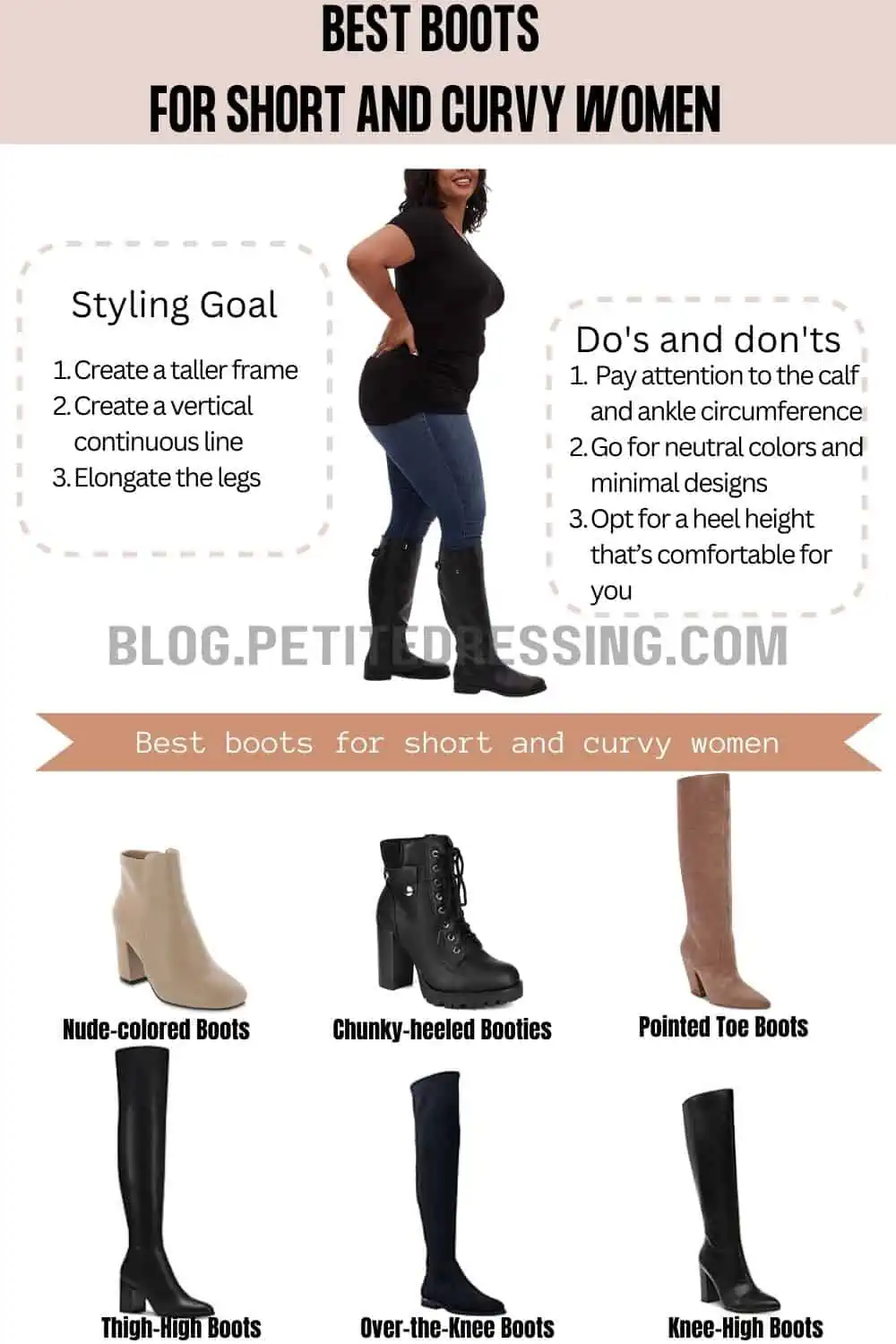
Boot height changes both comfort and appearance. It also affects warmth, movement, and support. Understanding the main boot styles is an important part of how to choose boots for women.
Ankle boots
Ankle boots end near the ankle bone. They are among the most useful choices for casual outfits, work clothes, jeans, skirts, and dresses.
Choose ankle boots with a padded collar if you plan to walk often. A low heel or flat sole works well for everyday use. Pointed toes may look elegant, but a rounded or almond toe usually gives your toes more space.
Chelsea boots
Chelsea boots have elastic side panels and a clean shape. They are easy to put on and often suit both jeans and tailored pants.
Check the elastic and heel fit carefully. The boots should not slide off when you walk. A strong rubber sole adds grip on wet streets.
Knee-high boots
Knee-high boots can add warmth and support in cold weather. They also work well with dresses, skirts, leggings, and slim pants.
Measure your calf if you have athletic or fuller legs. Look for stretch panels, adjustable shafts, or wide-calf designs. A boot that fits your foot but squeezes your calf will become uncomfortable quickly.
Over-the-knee boots
Over-the-knee boots make a strong fashion statement. They can work for cold weather and dressy outfits, but the upper shaft should stay in place without cutting into your leg.
Look for soft stretch fabric and a secure top band. Avoid styles that restrict normal walking or cause numbness.
Combat and lug boots
Combat and lug boots often have thick soles and strong traction. They are useful for casual wear, cool weather, and uneven streets.
Their weight can be a drawback. Lift each boot before buying and walk in them for several minutes. Heavy boots may feel stylish at first but tiring after a full day.
Western boots
Western boots usually have a sloped heel and pointed or rounded toe. They can be comfortable when the instep fits well and the toe has enough room.
Your heel may lift slightly in a new Western boot. However, the foot should not slide forward or feel trapped at the toes.
Match the Boots to Your Foot Shape
Foot shape matters as much as shoe size. The right boot should follow your foot instead of forcing it into an unnatural position.
If you have wide feet, search for wide-width boots or styles with a round toe. Avoid narrow pointed toes if they press your little toes together. A wide toe box is also helpful for people with bunions or sensitive joints.
If you have narrow feet, look for adjustable laces, buckles, or a close-fitting shaft. Slip-on boots may feel loose unless they have elastic panels that hold the foot securely.
If you have high arches, consider boots with removable insoles or built-in arch support. You may also need more room over the instep.
If you have flat feet or overpronation, choose a firm midsole and a stable heel area. A podiatrist can recommend an insole if you have ongoing pain or a diagnosed foot condition.
People with bunions should focus on width and soft materials. People with sensitive heels should look for padding and smooth seams. If a boot creates pain during a short fitting, it is not the right boot for you.
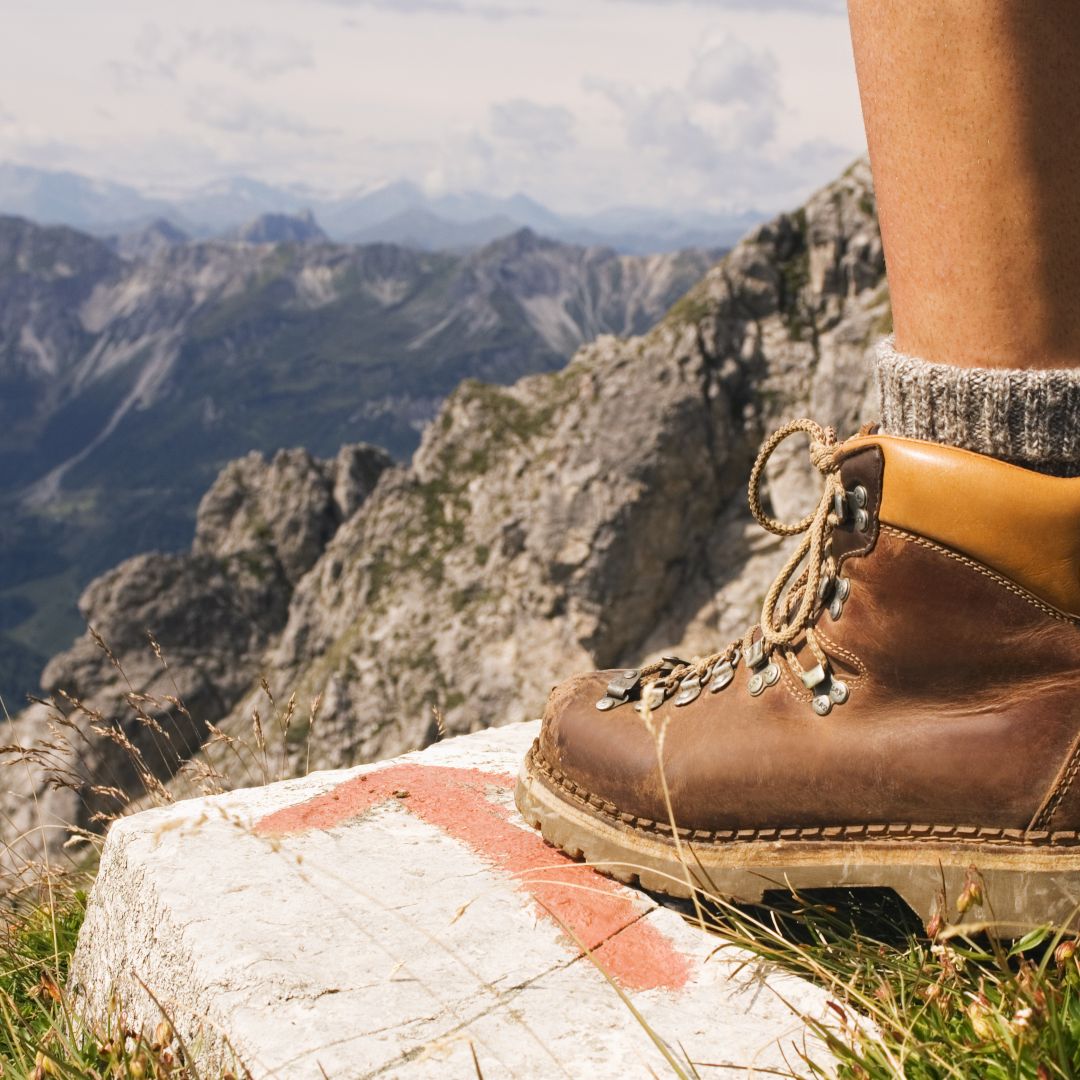
Look for Support, Cushioning, and Stability
Good boots do more than cover your feet. They help manage pressure as you walk. Support becomes especially important when you stand for long hours or walk on hard surfaces.
Check the boot’s midsole and insole. A removable insole gives you more flexibility if you need custom orthotics. Cushioning can reduce impact, but very soft foam is not always stable.
A stable boot usually has these features:
- A firm heel counter that holds the back of your foot.
- A sole that bends near the toes but not through the middle.
- A secure closure, such as laces, a zipper, or a fitted elastic panel.
- A heel that feels balanced under your body.
- A textured outsole for traction.
Test the boot by gently twisting it. If it twists like a towel, it may not provide enough support for long walks. Also bend the front of the boot. It should flex near the ball of your foot.