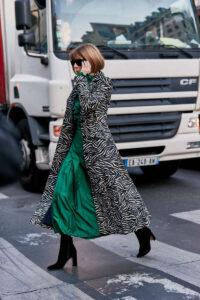
Boots with heels are commonly called heeled boots, ankle boots, riding boots, or cowboy boots, depending on their style.
If you have searched “what are boots with heels called,” you are not alone. The name changes with the boot’s height, heel shape, shaft length, and purpose. This guide explains the main terms, shows how each style differs, and helps you choose the right pair with confidence.
What are boots with heels called?
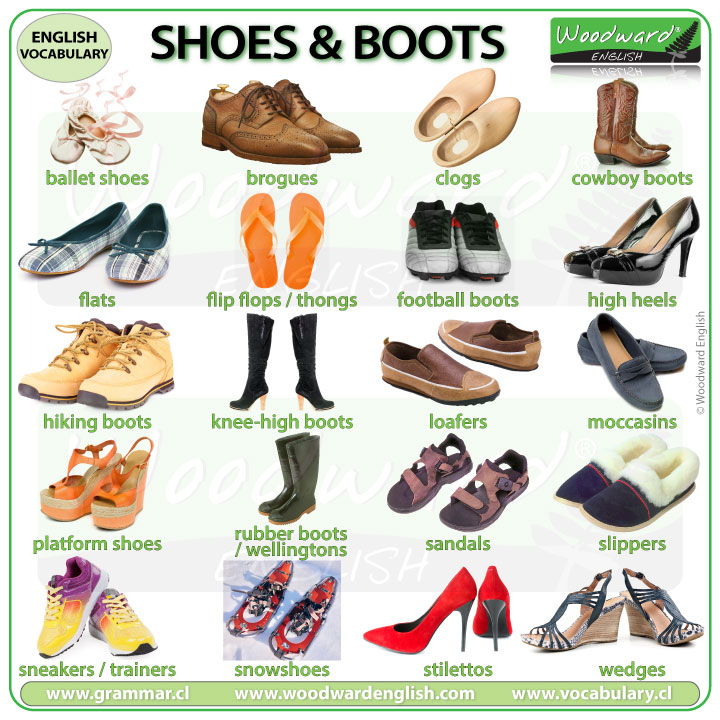
The general name is heeled boots. This broad term describes any boot with a raised heel, from a small block heel to a tall stiletto heel.
The more exact name depends on the boot’s design. For example, a short boot with a heel is often an ankle boot, while a tall boot with a slim heel may be called a heeled knee-high boot.
Common names include:
• Heeled boots: The broad term for boots with any noticeable heel.
• Ankle boots: Boots that end at or near the ankle.
• Heeled booties: A casual name for short ankle boots, often used in American fashion.
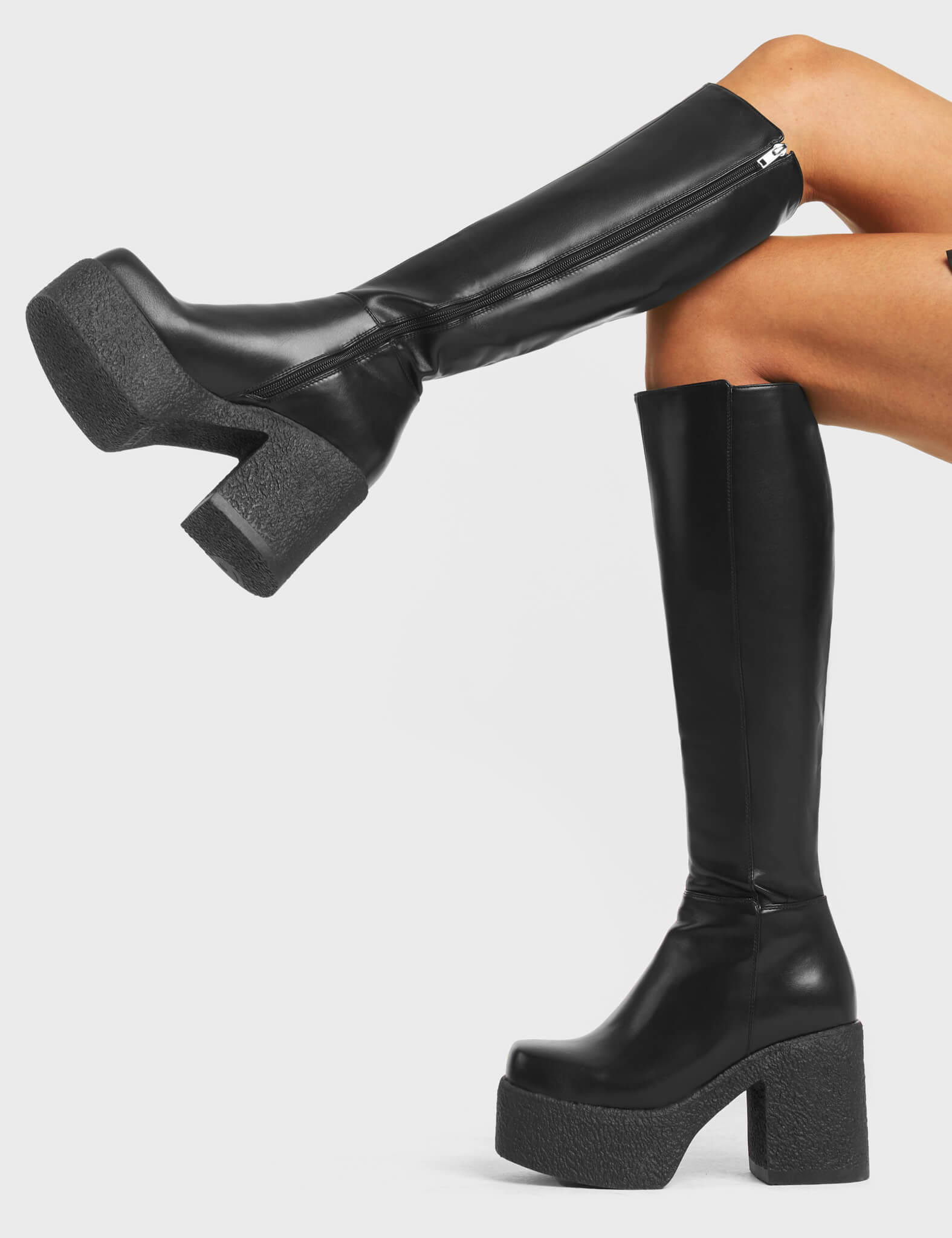
• Knee-high boots: Boots that reach the knee and may have a block, stacked, or slender heel.
• Over-the-knee boots: Tall boots that extend above the knee.
• Cowboy boots: Western-style boots with a slanted heel and pointed or rounded toe.
• Chelsea boots with heels: Slip-on ankle boots with elastic side panels and a raised heel.
• Combat boots with heels: Lace-up boots with a military-inspired shape and a higher sole or heel.
• Platform boots: Boots with a thick sole under the front of the foot, often paired with a high heel.
The phrase “heeled boots” works in most situations. However, using the more specific name helps when shopping online or describing a particular design.
Main types of heeled boots
Understanding the main types makes it easier to answer what are boots with heels called in a more precise way. Boot names often describe both their height and their purpose.
Heeled ankle boots
Heeled ankle boots stop at the ankle or just above it. They are among the most flexible boot styles because they work with jeans, trousers, skirts, and dresses.
The heel may be thin, wide, stacked, or sculpted. A block heel gives better balance for daily wear, while a stiletto heel creates a sharper evening look.
Heeled booties
In the United States, “booties” often means short ankle boots. The term sounds softer and more casual than “boots,” but the two styles can look very similar.
A heeled bootie may have a side zipper, pointed toe, open side, or decorative buckle. It is a useful choice when you want the look of a pump with more coverage around the foot.
Heeled knee-high boots
Knee-high boots reach close to the knee. They may have a fitted shaft or a looser shape, depending on the design.
These boots are popular in fall and winter. They pair well with sweater dresses, leggings, straight-leg jeans, and midi skirts.
Over-the-knee boots
Over-the-knee boots rise above the knee and can reach the lower thigh. They often have a slim, stretch, or fitted shaft.
Because they cover much of the leg, styling balance matters. Simple clothing, such as a long sweater or relaxed dress, can keep the outfit from feeling too busy.
Heeled cowboy boots
Cowboy boots have a distinct Western shape. Their heels are usually angled, and the shaft often includes decorative stitching, pull tabs, or leather patterns.
Not all cowboy boots are tall or sharply pointed. Modern versions may have rounded toes, colorful leather, or lower heels for everyday use.
Heeled Chelsea boots
Chelsea boots have elastic panels on both sides and usually lack laces. A raised heel adds height while keeping the clean, simple shape.
They are easy to put on and work well with casual outfits. A lug sole can add traction, while a smooth leather sole gives a dressier look.

How heel shape changes the name and purpose
Heel shape is one of the best clues when deciding what are boots with heels called. It also affects comfort, stability, and the overall mood of the boot.
Block heels
A block heel is wide from side to side. It spreads body weight over a larger area and usually feels steadier than a narrow heel.
Block-heeled boots are a strong choice for walking, work, and long events. They offer height without making every step feel delicate.
Stiletto heels
A stiletto heel is narrow and often tall. It gives a sleek, formal appearance but places more pressure on the front of the foot.
Stiletto boots are best for shorter periods of standing or walking. A cushioned insole and a secure fit can improve comfort, but they cannot remove all of the strain caused by a high, thin heel.
Kitten heels
Kitten heels are short and slender, often less than two inches high. They create a polished look without the height of a traditional high heel.
Kitten-heeled boots suit office outfits, daytime events, and people who prefer a lower lift.
Wedge heels
A wedge heel runs under the heel and often continues toward the front of the foot. It creates one solid platform instead of a separate heel.
Wedge boots can feel more stable than stilettos. Still, the sole may be stiff, so they may not flex as naturally when you walk.
Cuban heels
A Cuban heel is fairly low, slightly chunky, and often angled. It appears in Western boots, riding-inspired boots, and some fashion ankle boots.
This heel offers a classic look with moderate support. It is often a good middle ground between a flat boot and a high heel.
Stacked heels
A stacked heel looks like layers of leather or wood placed on top of one another. It is common in casual, Western, and heritage-style boots.
Stacked heels often give boots a sturdy, practical appearance. They may also provide a firm base for walking on uneven ground.
What is the difference between heeled boots and high-heeled boots?
Heeled boots have any raised heel. High-heeled boots usually have a taller heel that creates a more dramatic change in height.
There is no single worldwide measurement that defines “high heel.” In everyday fashion, a heel of about three inches or more is often described as high, but the term can vary by brand and region.
The shape of the heel matters as much as its height. A three-inch block heel may feel easier to walk in than a two-and-a-half-inch stiletto heel because the block heel offers more stability.
When shopping, check these details:
• Heel height measured from the ground to the heel seat
• Platform height under the ball of the foot
• Heel width and angle
• Toe shape and available room
• Shaft height and opening
• Sole grip and flexibility
A platform can reduce the effective angle of the foot. For example, a four-inch heel with a one-inch platform may feel closer to a three-inch incline than a full four-inch incline.
Are heeled boots comfortable?
Heeled boots can be comfortable when the heel, fit, and footbed suit your feet. Comfort is not based on heel height alone.
A wide block heel, soft lining, padded insole, and flexible sole can make a major difference. A narrow toe box, hard leather, or loose heel can cause pain even when the heel is low.
In my experience helping people compare footwear, the most common mistake is focusing only on the heel number. A boot labeled “two inches” may still feel harsh if the toe squeezes the toes or the heel slips with every step.
Use this simple fit check:
-
Try boots on at the end of the day, when feet are often slightly larger.
-
Wear the socks or tights you plan to use with the boots.
-
Make sure your toes can move without touching the front.
-
Check that your heel stays in place without rubbing.
-
Walk on a safe indoor surface for several minutes.
-
Test stairs, turns, and standing before removing the tags.
Foot health experts commonly advise limiting long periods in very high heels and choosing shoes that fit well. People with ongoing foot pain, numbness, or balance issues should speak with a qualified health professional.
Benefits of wearing boots with heels
Heeled boots can do more than add height. They can change the shape, balance, and attitude of an outfit.
They add height
A heel raises the body and may make trousers or dresses fall differently. Even a short heel can give an outfit a more finished appearance.
They support many outfits
A black heeled ankle boot can work with office clothes, denim, dresses, and evening looks. Brown leather, suede, and metallic finishes offer even more options.
They provide more coverage than shoes
Compared with pumps or sandals, boots cover more of the foot and ankle. Tall boots also provide extra coverage for the lower leg in cool weather.
They create a strong style statement
A heeled boot can look elegant, bold, Western, edgy, or classic. The final effect depends on the toe, material, heel, shaft, and color.
They can improve outfit proportions
Tall boots may balance a short skirt or oversized sweater. Short heeled boots can lengthen the look of the legs when the boot color is close to the color of the pants or tights.
Limitations and possible drawbacks
The answer to what are boots with heels called should also include their limitations. Stylish footwear is not automatically practical footwear.
High or narrow heels may increase pressure on the ball of the foot. They can also make balance harder, especially on uneven pavement, wet floors, or stairs.
Other possible problems include: