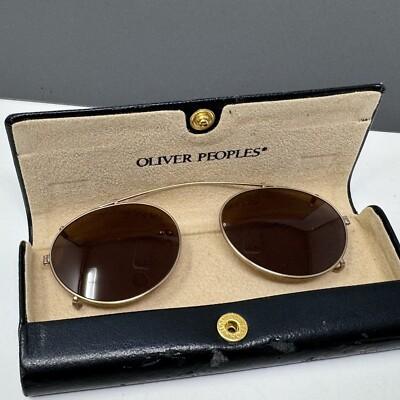
Yes, clip-on sunglasses are good for affordable UV protection, glare control, and easy use over prescription glasses.
Are clip on sunglasses good for everyone? Usually, yes, when you choose a well-made pair with full UV protection, a stable fit, and lenses that match your needs. After comparing different lens types, frame designs, and daily use cases, I’ve found that clip-ons can be a smart choice for driving, walking, travel, and outdoor work. They are not perfect, though, so this guide explains their benefits, limits, safety points, and buying tips.
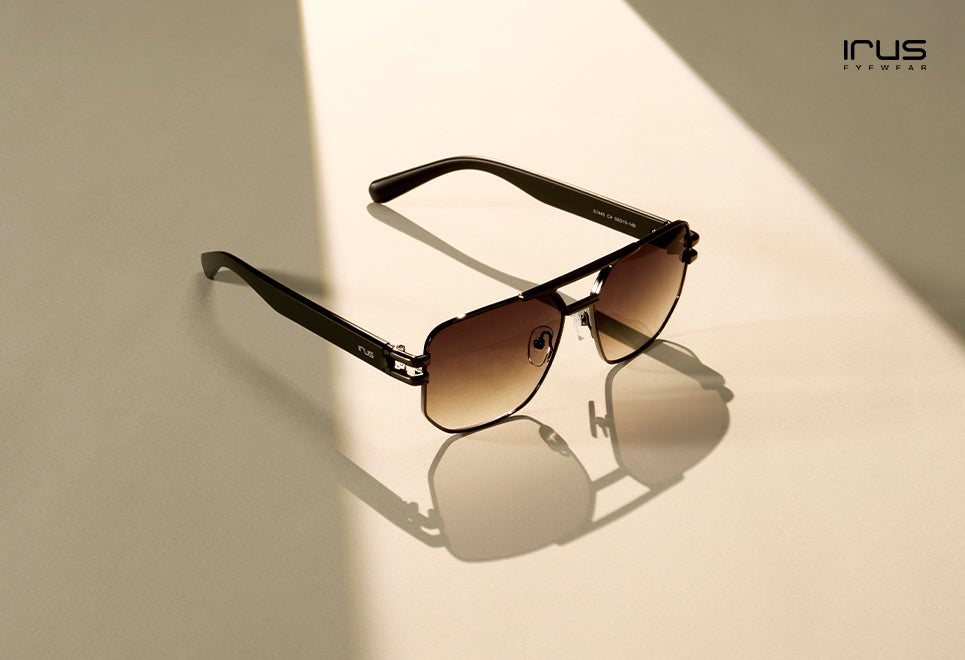
Are clip-on sunglasses good for everyday use?
Are clip on sunglasses good for everyday use? They can be, especially if you already wear prescription glasses and do not want to buy a second prescription sunglasses frame. A clip-on attaches to the front of your regular glasses and turns them into sunglasses within seconds.
The best models offer more than a dark tint. They should block 99% to 100% of UVA and UVB rays, reduce harsh glare, and fit your glasses without slipping. Look for clear product details such as “100% UV protection” or “UV400.”
Clip-ons are useful for many daily tasks:
• Driving during the day
• Walking, hiking, or biking
• Sitting near bright windows
• Watching outdoor sports
• Spending time at the beach
• Working outside
• Traveling with fewer items
They also cost less than many prescription sunglasses. That makes them a practical option for people who need vision correction but want simple sun protection.
How clip-on sunglasses work
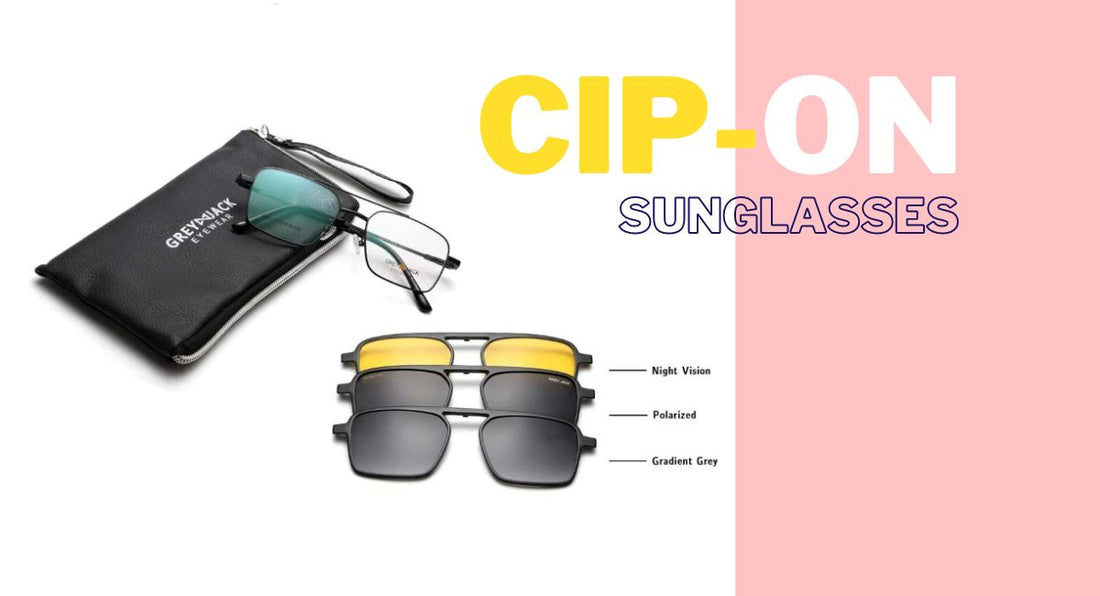
Clip-on sunglasses use small clips, magnets, or a hinged bridge to attach to your prescription glasses. The tinted lenses sit in front of your clear lenses and filter bright visible light and ultraviolet radiation.
There are three common designs:
Traditional clip-on sunglasses
These use small metal or plastic clips that grip the bridge or lens area. They are often the least expensive option and are easy to replace.
Their main weakness is pressure. A poor design may mark your lenses, feel loose, or sit at an angle.
Magnetic clip-on sunglasses
Magnetic models use small magnets built into a frame or a matching prescription-glasses mount. They often look cleaner and are faster to attach.
However, they only work with compatible glasses. You may need to buy the prescription frame and sun cover as a set.
Flip-up clip-ons
Flip-up models let you lift the tinted lenses without removing them. This is useful when you move between bright outdoor areas and darker indoor spaces.
They can be bulkier than fixed clip-ons. The hinge may also loosen over time if handled roughly.
So, are clip on sunglasses good from a design standpoint? The answer depends on the attachment system, lens quality, and match with your glasses. A good clip-on should sit straight, feel secure, and leave enough space between the sun lenses and your regular lenses.
Main benefits of clip-on sunglasses
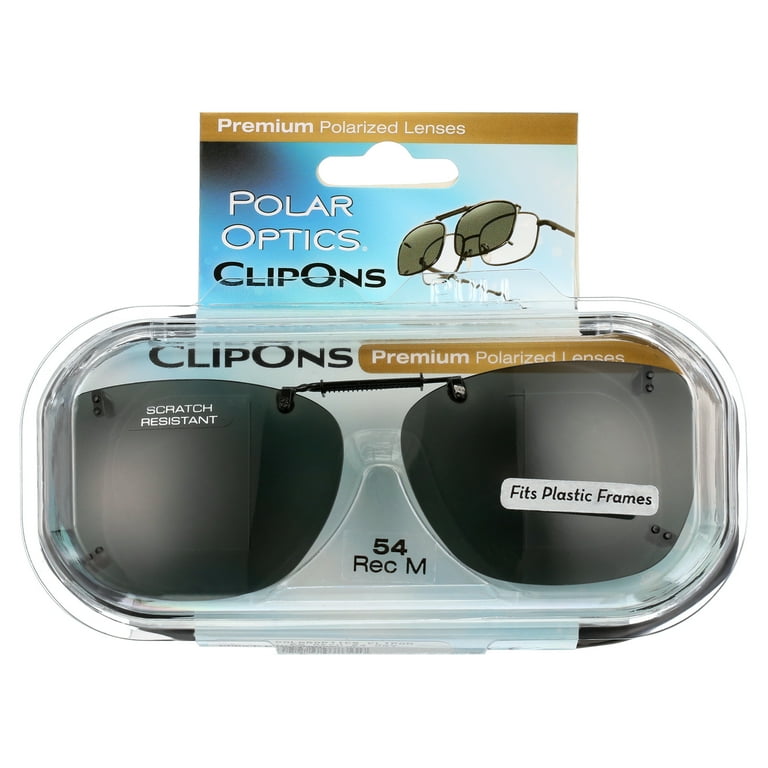
The strongest reason to use clip-ons is convenience. You can keep them in a car, bag, or desk drawer and put them on when sunlight becomes uncomfortable.
They save money
Prescription sunglasses can be costly. Clip-ons let you use your current glasses and add sun protection at a much lower price.
This is helpful if your prescription changes often. You can replace the clip-on without buying a new prescription frame.
They are easy to carry
A clip-on takes up little space. It is lighter than carrying a second pair of glasses, and many models come with a soft case.
A simple habit helps: store the clip-on in its case when you are not using it. Loose storage in a purse or center console can lead to scratches.
They can reduce glare
Polarized clip-on sunglasses can reduce reflected glare from roads, water, snow, and glass. This may make outdoor scenes more comfortable and easier to see.
Polarization does not replace UV protection. A lens can be polarized and still lack proper UV filtering, so check both features before buying.
They work with prescription glasses
This is the biggest advantage for many users. You do not need to switch to contacts or carry a separate prescription sun frame.
They can also help people who use progressive lenses, bifocals, or strong prescriptions. The clip-on must match the size and shape of the glasses, though.
They offer many lens colors
Gray lenses usually keep colors more natural. Brown lenses can improve contrast in some outdoor settings. Green lenses may provide a comfortable balance between brightness and color.
Lens color is a comfort choice. UV protection is the safety feature that matters most.

Limitations and disadvantages to consider
Are clip on sunglasses good in every situation? No. Their limits become clear when the fit, lens coverage, or attachment quality is poor.
They may look less stylish
Some clip-ons are visible from the front and can make regular glasses look bulky. This may not matter for driving or errands, but style can be important for daily wear.
Magnetic lens covers often look more polished than basic clip designs. Still, the best choice is the one that fits securely and protects your eyes.
They can scratch your glasses
A clip that touches the front lenses may cause small marks over time. Dirt between the clip and your glasses can make this problem worse.
Clean both surfaces before attaching the sun lenses. Avoid forcing a clip that feels too tight.
They may slip during movement
A loose clip can shift when you walk, bend over, or turn your head. This creates uneven coverage and can become distracting.
For sports or active work, choose a wraparound design or a dedicated pair of sports sunglasses. Basic clip-ons are better for calmer daily activities.
They may not block side glare
Many clip-ons cover only the front of your glasses. Light can still enter from the sides or above.
This is not always a major problem, but it matters near water, snow, and wide open roads. Larger lenses and a closer fit can improve coverage.
They can cause reflections
The space between your prescription lenses and the clip-on may create reflections. This can happen when sunlight comes from behind you or from the side.
Anti-reflective coatings on your prescription lenses may help. A closer-fitting clip-on can also reduce unwanted reflections.
They are not suitable for low light
Dark lenses reduce the amount of light that reaches your eyes. Do not use dark sunglasses at night, in tunnels, or in dim indoor areas.
If you drive often, keep the clip-on easy to remove. Flip-up models can be useful, but removing the cover is safer when visibility is poor.

Are polarized clip-on sunglasses better?
Polarized clip-on sunglasses are often better for glare, but not automatically better for every person. Polarization works by limiting certain horizontal light waves that create strong reflected glare.
This is useful when you are:
• Driving on wet roads
• Fishing or boating
• Walking near snow
• Spending time at the beach
• Playing outdoor sports
• Working around bright surfaces
Polarized lenses may make some digital screens harder to read. You may notice this with a phone, car display, or GPS screen, especially when the screen is viewed at an angle.
A polarized lens also does not mean it blocks ultraviolet rays. Check the label for complete UV protection. If the product does not clearly state its UV rating, choose another model.
Are clip on sunglasses good with polarized lenses? Yes, if you need glare control and the clip fits your glasses well. For general shade, a nonpolarized UV-blocking lens may be enough.
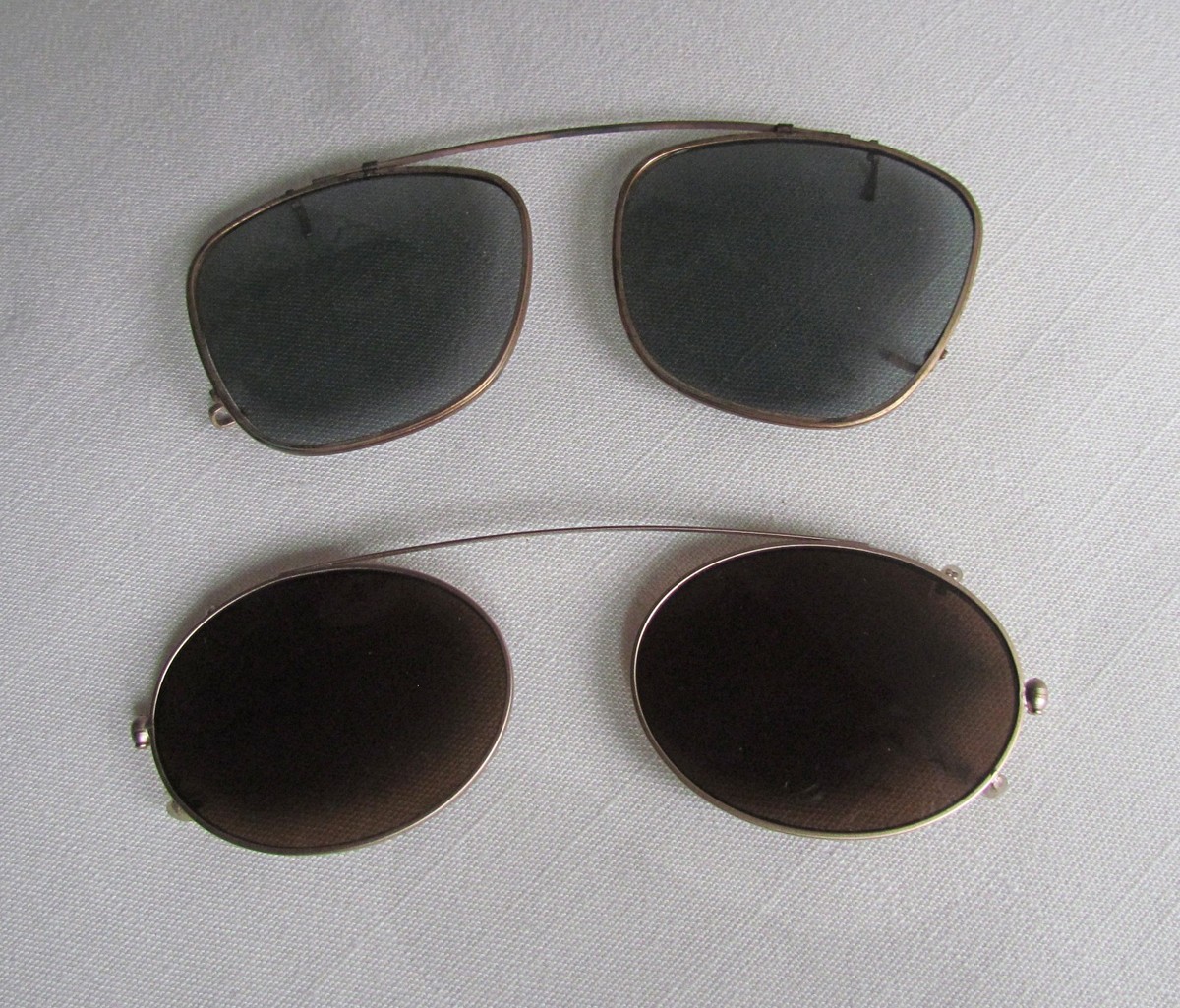
Are clip-on sunglasses safe for your eyes?
Are clip on sunglasses good for eye safety? They are safe when they provide certified UV protection and are used in the right conditions. Dark lenses without UV protection can be risky because they make your pupils widen while harmful ultraviolet light still reaches the eye.
Choose lenses labeled:
• 100% UVA and UVB protection
• UV400 protection
• ANSI-rated impact resistance when available
• Optical-quality or distortion-free lenses
The American Academy of Ophthalmology advises wearing sunglasses that block 99% to 100% of UVA and UVB radiation. Long-term UV exposure is linked with conditions such as cataracts, growths on the eye surface, and other eye damage.
A darker tint is not proof of better protection. Clear UV-blocking lenses can protect against ultraviolet rays, while very dark fashion lenses may offer little safety if they are poorly made.
Children also need proper sunglasses. Their eyes receive substantial lifetime sun exposure, so use a secure, impact-resistant design for active play.

How to choose the best clip-on sunglasses
A good buying decision starts with fit. Measure the width of your glasses or compare the clip-on size with the frame dimensions printed inside the temple.
Use this checklist:
- Confirm full UVA and UVB protection.
- Match the clip-on width and lens shape to your glasses.
- Choose polarized lenses if reflected glare is a concern.
- Check that the clip does not touch your prescription lenses.
- Look for a stable bridge and strong hinges.
- Pick lenses with minimal color distortion.
- Consider a lightweight design for long wear.
- Buy from a seller with clear product details and a return policy.
- Use a protective case to prevent scratches.
- Ask your optician for help if your glasses have a complex shape.
Wraparound clip-ons can provide better side coverage. However, they may feel less natural over large prescription frames.
If you have a high prescription, strong astigmatism, or special lens coatings, ask an optician to check the fit. A small mismatch can cause glare, distortion, or eye strain.
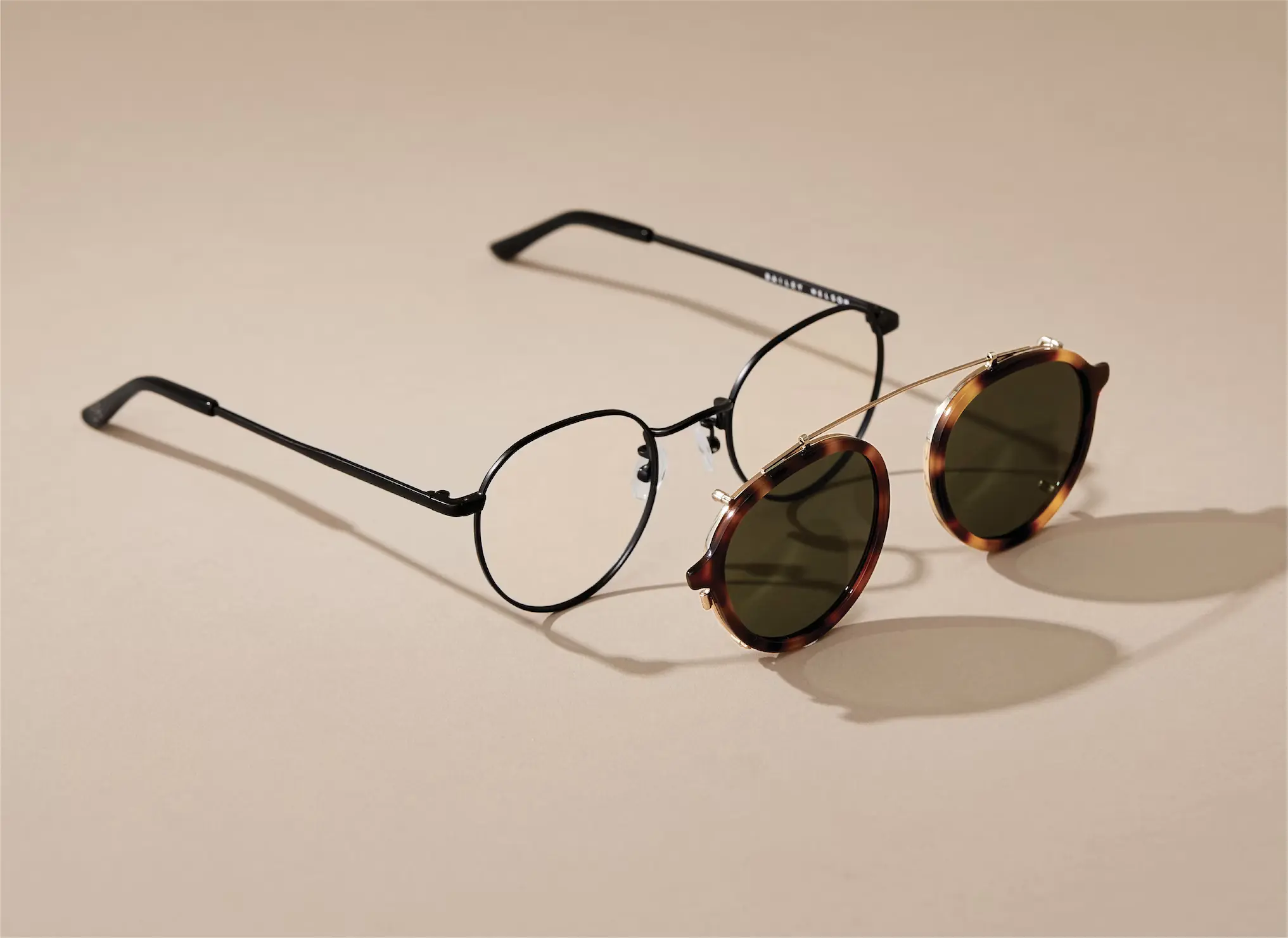
Clip-on sunglasses compared with prescription sunglasses
Are clip on sunglasses good compared with prescription sunglasses? They are often the better value, but prescription sunglasses usually offer a better fit and appearance.
| Feature | Clip-on sunglasses | Prescription sunglasses |
|---|---|---|
| Price | Usually lower | Usually higher |
| Convenience | Fast to attach | No extra attachment needed |
| Fit | Depends on your glasses | Designed for your face |
| Style | Can look bulky | More polished |
| Lens options | Good, but limited | More customization |
| Replacement cost | Often low | Often higher |
| Side coverage | Varies by design | Can be built into the frame |
| Use with changing prescriptions | Easy to replace | Requires new lenses |
Clip-ons are like a removable sun shield. Prescription sunglasses are more like a complete outdoor system. Your choice depends on budget, appearance, comfort, and how often you use sunglasses.
For occasional sun exposure, clip-ons may be all you need. For daily outdoor work, driving, sports, or strong light sensitivity, dedicated prescription sunglasses may be more comfortable.
Tips for driving with clip-on sunglasses
Daytime driving is one of the most common uses for clip-ons. They can reduce glare from pavement and help you see more comfortably in bright conditions.
Use these safety tips:
• Select gray or brown lenses that preserve natural color.
• Avoid very dark lenses unless they are suitable for daytime use.
• Remove them before driving at night.
• Keep the lenses clean and free from scratches.
• Make sure the clip does not block your peripheral vision.
• Check that traffic lights and brake lights remain easy to identify.
• Keep a case in the vehicle to protect the clip-on.
Do not assume every tinted lens is safe for driving. Poor lenses can create waves, blur, or reflections. If your view looks distorted when you move your head, stop using that pair.
Are clip on sunglasses good for driving? Yes, for daytime use, provided they fit well and have clear, high-quality lenses.
How to clean and care for clip-on sunglasses
Proper care can extend the life of your clip-on and protect your prescription lenses. Dust and grit act like tiny pieces of sandpaper when rubbed across a lens.