You can check polarized sunglasses with a simple screen test, lens comparison, or optical shop inspection.
Knowing how to know if a sunglasses is polarized helps you avoid glare, eye strain, and disappointing purchases. Polarized lenses use a special filter to reduce harsh reflected light from roads, water, snow, and glass. This guide explains reliable at-home tests, common mistakes, and the limits of each method so you can check your sunglasses with confidence.
What Does “Polarized” Mean in Sunglasses?
Polarized sunglasses contain a filter that blocks much of the intense, horizontal light that creates glare. Think of the filter as a tiny window blind inside the lens. It allows useful light through while reducing reflected light that travels toward your eyes.
Glare often comes from flat surfaces, such as:
• Water
• Wet pavement
• Car hoods and windshields
• Snow and ice
• Store windows
• Concrete roads
Regular tinted sunglasses make the world darker. Polarized sunglasses can also make the world darker, but their main job is to control glare. This difference explains why a dark lens is not always a polarized lens.
Polarization can improve visual comfort during driving, boating, fishing, hiking, skiing, and outdoor work. However, it does not automatically mean the sunglasses provide full ultraviolet protection. UV protection and polarization are two separate lens features.

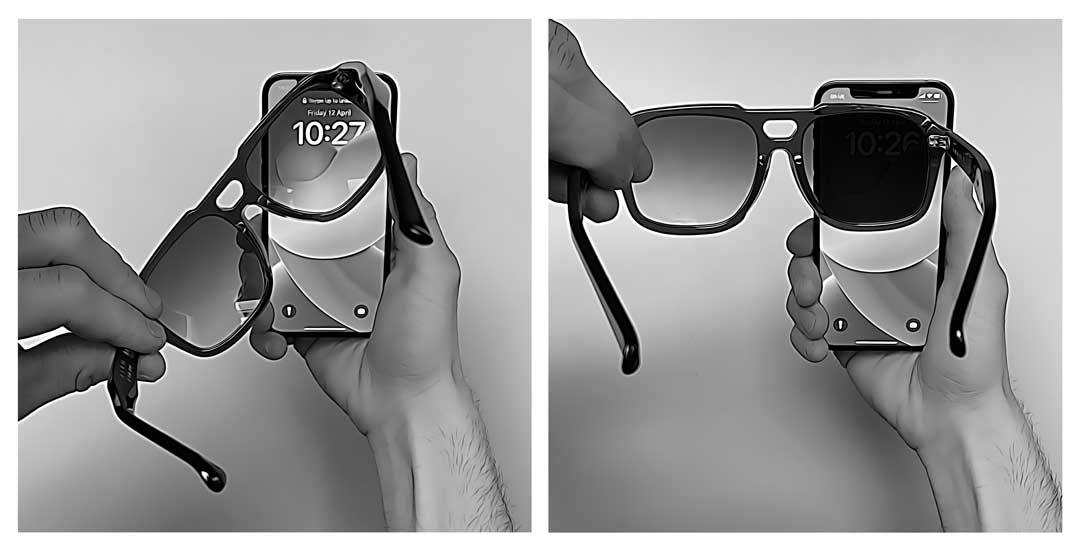
How to Know If a Sunglasses Is Polarized With a Phone or Computer Screen
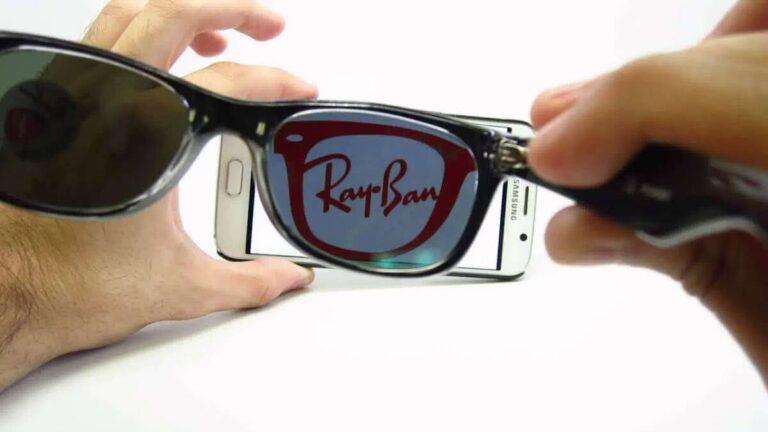
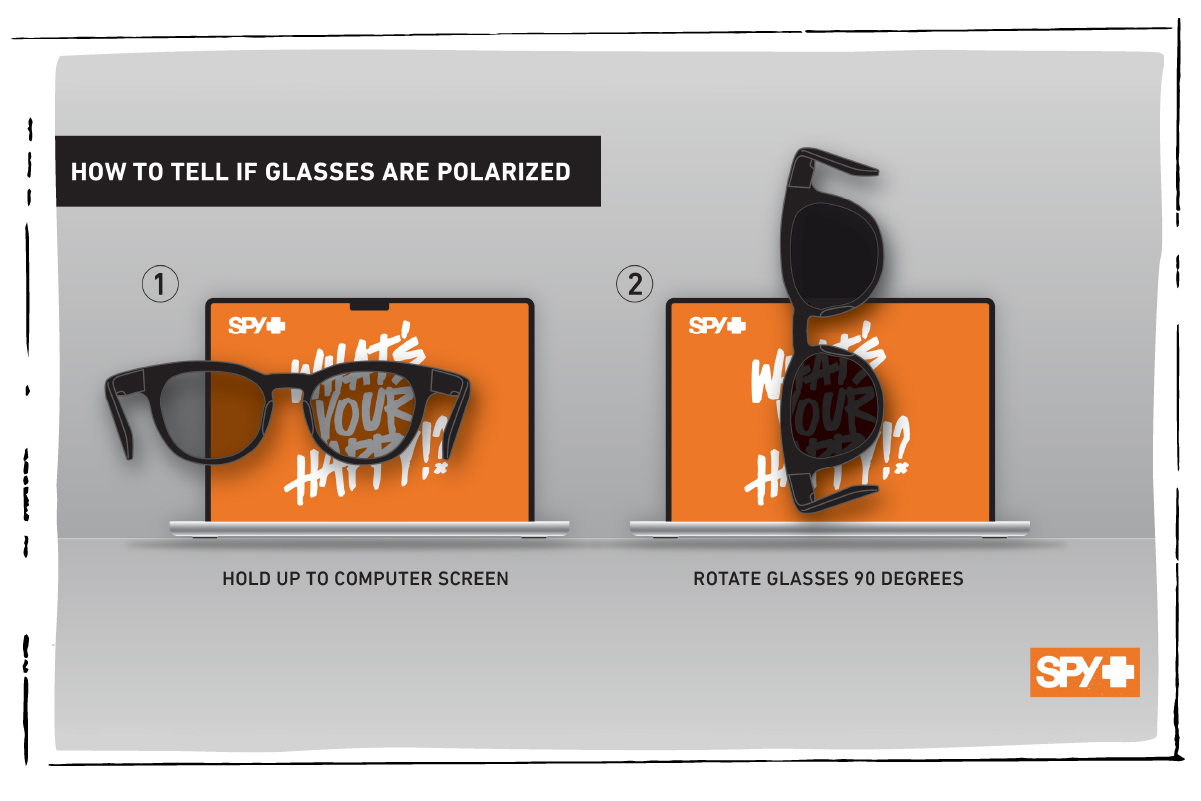
The screen test is one of the easiest ways to learn how to know if a sunglasses is polarized. It works because many LCD screens produce light that interacts with a polarized lens filter.
Follow these steps:
-
Turn on a phone, tablet, laptop, or LCD computer monitor.
-
Set the screen brightness to a medium or high level.
-
Hold the sunglasses in front of the screen.
-
Slowly rotate the sunglasses about 60 to 90 degrees.
-
Watch for a major change in brightness.
If the lenses are polarized, the screen may become much darker, show black areas, or appear to fade as you rotate the glasses. With nonpolarized sunglasses, the screen usually stays almost the same brightness.
This method is useful, but it is not perfect. Some newer screens use different display technology, and the result may be weak or unclear. An OLED screen, for example, may not react in the same way as an LCD screen.
Also, test one lens at a time if the frame makes the result hard to see. Keep the lens close to the screen, and try the test in a dim room for a clearer difference.

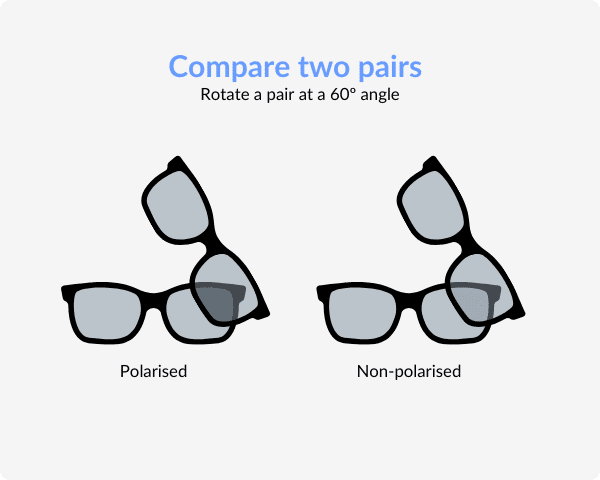
How to Know If a Sunglasses Is Polarized by Rotating Two Pairs
A second practical answer to how to know if a sunglasses is polarized is to compare it with another pair that you already trust. This test works best when both pairs have similar lens shapes and colors.
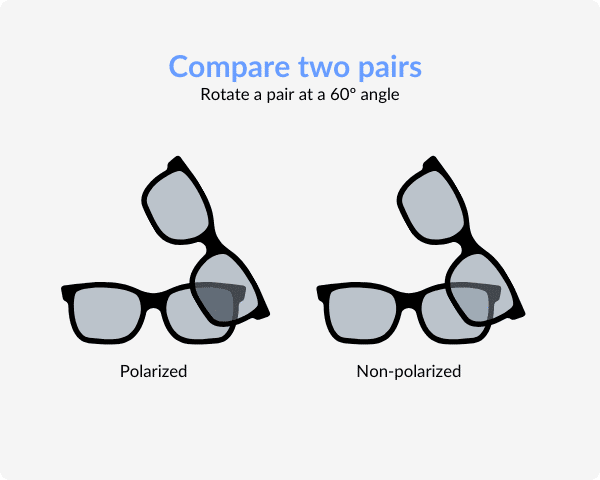
Place one pair in front of the other. Look through both lenses toward a bright window or outdoor light. Slowly rotate one pair while keeping the other still.
When two polarized lenses overlap at certain angles, they can block much more light. The view may become very dark or nearly black. This happens because the two filters cross each other and allow less light through.
Use care with this test. A dark result does not prove that both pairs are polarized unless the known pair is genuine. The test is most useful when one pair came from a reliable optical store or has verified lens information.
You may also compare the unknown sunglasses with a known polarized pair while looking at a bright, glare-filled surface. Never stare at the sun during this test. Bright daylight reflected from a wall or window is enough.
How to Know If a Sunglasses Is Polarized by Looking at Reflections
Outdoor glare can provide another clue. Wear the sunglasses and look at a safe reflective surface, such as a car hood, a lake, or a bright road. Then remove the glasses and compare what you see.
Polarized sunglasses often make reflected glare look softer and less intense. Details under the surface of water may become easier to see. Wet pavement may also look less bright, which can make lane markings and road texture easier to notice.
This is a useful real-world check, but it is not a final proof. Lens tint, lighting, and the angle of the reflection can change what you see. A strong gray tint may reduce brightness even when the lenses are not polarized.
For this reason, use the reflection test along with the screen test. Several matching signs are more reliable than one quick impression.
A simple example is driving after rain. Nonpolarized dark lenses may make the road look darker, but glare can still spread across the surface. Polarized lenses may reduce that bright, white shine and make the road feel more comfortable to view.
Check the Sunglasses Label and Product Details
Product information can help answer how to know if a sunglasses is polarized before you even test the lenses. Look for clear terms such as:
• Polarized
• Polarized lenses
• Glare reduction
• 100% UV protection and polarized
• UV400 and polarized
A trustworthy brand usually lists polarization on the product page, hangtag, case, or receipt. Some sunglasses also include a demonstration card. When viewed through polarized lenses, the card may reveal a hidden image or pattern.
Do not confuse these terms:
• UV protection reduces ultraviolet radiation.
• Polarization reduces reflected glare.
• Mirrored coating reflects some light from the lens surface.
• Gradient tint makes the lens darker at the top or bottom.
• Photochromic technology changes lens darkness in response to light.
A pair can have UV protection without polarization. It can also be polarized without providing adequate UV protection if it is poorly made or falsely labeled. For eye safety, look for both features.
In the United States, reputable sunglasses should meet applicable optical safety and UV performance requirements. Still, packaging claims are not always reliable when buying from an unknown seller. A low price alone does not prove that a product is unsafe, but unclear labeling deserves caution.
Use a Polarization Tester at an Optical Store
An optical store can provide the most dependable answer to how to know if a sunglasses is polarized. Many opticians have a polarization viewer, lens analyzer, or test card made for this purpose.
The process is usually quick. The staff places the lens over a test image or uses an instrument that measures how the lens handles light. This can confirm polarization more clearly than a casual home test.
An optician may also check other useful details:
• UV transmission
• Lens power
• Lens alignment
• Scratches or coating damage
• Frame fit
• Optical distortion
This option is especially helpful for expensive sunglasses, prescription sunglasses, safety eyewear, or lenses bought secondhand. It is also useful when the phone screen test gives a mixed result.
One mistake I often see people make is trusting a tiny logo or a dark lens without checking the actual filter. A professional test removes that guesswork. It can also reveal whether one lens is polarized while the other is not, which may happen with damaged or poorly made eyewear.
Signs That Do Not Prove Polarization
Several common clues can mislead shoppers. Understanding them makes how to know if a sunglasses is polarized much easier.
Dark lenses
Darkness only shows that the lenses block or absorb some visible light. Many nonpolarized sunglasses use very dark gray, brown, or green tints.
Blue or mirrored lenses
Lens color and mirror coatings do not confirm polarization. A blue mirrored lens may be polarized, but it may also be only tinted and reflective.
Higher price
Expensive sunglasses often have better coatings, materials, and quality control. However, price is not a technical test. Some affordable sunglasses are polarized, while some costly fashion glasses are not.
A “P” mark
A small “P” near the lens or temple may indicate polarization. Yet markings can be copied, worn away, or used differently by various brands. Treat the mark as a clue, not proof.
Less eye strain
Reduced discomfort can suggest glare control, but it is subjective. Fit, lens tint, UV protection, and personal sensitivity also affect comfort.
The safest approach is to combine visible product information with a lens test. If you still feel unsure, ask an optician to verify the glasses.

Benefits and Limits of Polarized Sunglasses
Polarized lenses can make outdoor vision more comfortable by reducing reflected glare. This benefit is especially noticeable near water, on bright roads, and in snowy areas.
Possible benefits include:
• Less squinting in strong reflected light
• More comfortable driving during the day
• Better view of objects beneath shallow water
• Reduced glare from wet pavement
• Improved comfort during fishing and boating
• Clearer details in some outdoor settings
Polarization also has limits. It does not make sunglasses safe for looking directly at the sun. It does not replace certified eclipse glasses during a solar eclipse. It may also make some digital screens harder to read, especially when the screen is held at a certain angle.
Some pilots, drivers, and workers may need to check workplace or equipment guidance before using polarized lenses. Polarization can reduce the visibility of certain displays, instrument panels, or icy patches. This does not make polarized sunglasses bad; it means the lens choice should match the activity.
Most importantly, choose sunglasses that provide strong UV protection. Ultraviolet exposure can harm the eyes over time, and dark lenses without UV protection may encourage longer exposure because your eyes feel comfortable.
How to Test Sunglasses Before Buying Them
Knowing how to know if a sunglasses is polarized before paying for it can save time and money. Start by checking the packaging and product description for both polarization and UV protection.
Then try these steps:
-
Ask the seller whether the lenses are polarized.
-
Look for a polarization test card.
-
Use the store’s LCD screen if permitted.
-
Rotate the lenses in front of the screen.
-
Compare the pair with a verified polarized model.
-
Ask an optician if the product is expensive or prescription-based.
Be cautious when buying from online marketplaces. Read the full product description rather than relying on a photograph. Search for details about lens performance, return policies, and the seller’s reputation.
If a listing says only “anti-glare,” do not assume it means polarized. Anti-glare may refer to a surface coating that reduces reflections from the lens itself. That is different from a polarization filter that controls reflected light entering your eyes.
A good pair should also fit well. Lenses that sit too far from your face may allow more light around the edges. Large lenses, wraparound designs, and a comfortable bridge can improve outdoor coverage.

Common Mistakes to Avoid
A few simple errors can produce the wrong answer when you test sunglasses at home.
• Testing against the sun: Never look directly at the sun to check glare reduction.
• Using only lens darkness: A dark tint does not confirm polarization.
• Testing with the wrong screen: Some screens show little or no change.
• Ignoring lens angle: The effect may appear only when you rotate the glasses.
• Trusting a sticker alone: Labels can be inaccurate, especially from unknown sellers.
• Confusing UV protection with polarization: You need to check both features.
• Testing dirty lenses: Smudges and scratches can make the view look uneven.
Clean the lenses with a microfiber cloth before testing. Hold the sunglasses steady, rotate them slowly, and repeat the test more than once. If the result remains unclear, professional verification is the better choice.
A Simple Three-Step Method
If you want the fastest practical method for how to know if a sunglasses is polarized, use this three-step process.
Step 1: Check the label
Look for a clear statement that the sunglasses are polarized. Also confirm that the lenses offer 100% UV protection or UV400 protection.
Step 2: Test the lens with a screen
Hold the lens in front of an LCD screen and rotate it. A strong darkening effect supports the claim that the lens is polarized.
Step 3: Confirm if needed
For costly, prescription, or safety sunglasses, visit an optical store. A professional lens tester can provide a more reliable result.
No home test is perfect in every situation. However, this method gives most shoppers a useful answer without special tools.
Frequently Asked Questions About How to Know If a Sunglasses Is Polarized
Can I tell if sunglasses are polarized without a test?
You can look for clear product labeling, a test card, or a strong glare reduction effect. However, these clues are less reliable than rotating the lens in front of an LCD screen or using a professional tester.
Do polarized sunglasses always look dark?
No. Polarized sunglasses can have light, medium, or dark tints. Polarization controls glare, while tint controls how much visible light reaches your eyes.
Are polarized sunglasses better for driving?
They can make daytime driving more comfortable by reducing glare from roads, wet pavement, and other vehicles. Some digital displays may look darker, so check that you can read your car’s screens clearly.
Do polarized sunglasses protect against UV rays?
Not always. Polarization and UV protection are different features, so choose sunglasses that clearly state they provide 100% UV protection or UV400 protection.
Can a phone test prove that sunglasses are polarized?
A strong brightness change on an LCD screen is good evidence that the lenses are polarized. Still, some screens may not react clearly, so an optical store test is better when accuracy matters.
Can polarized lenses lose their effect?
The polarization filter usually remains effective for a long time, but severe lens damage, delamination, or poor manufacturing can affect performance. Scratches alone may not remove polarization, but they can reduce visual clarity and comfort.
Conclusion
The easiest way to learn how to know if a sunglasses is polarized is to rotate the lens in front of an LCD screen and watch for a strong darkening effect. You can also compare two pairs, check the product details, observe glare outdoors, or ask an optician to test the lenses.
Remember that polarization is not the same as UV protection. Choose sunglasses that offer both features, fit comfortably, and suit your activity. Try the screen test with your current pair today, and share your result or explore more eyewear guides before your next purchase.

Rubel Miah is the Senior Editor at MyStyleGrid.com, where he brings a sharp editorial eye and an unshakable love for fashion to everything he does. A true style addict, Rubel lives and breathes trends, from streetwear to high fashion, and has a knack for turning inspiration into impactful stories. With years of experience in fashion journalism and digital media, he curates content that empowers readers to express themselves through style. When he’s not editing features or forecasting the next big thing, you’ll find him hunting down vintage pieces or capturing street style moments around the city.