Choose polarized, UV-blocking lenses with the right tint, fit, and wrap for water glare.
I’ve spent years fishing in sunlit bays, flats, and rivers, testing lenses and frames until I learned what truly cuts glare and keeps my eyes safe. This guide explains how to select sunglasses for fishing glare reduction with clear, practical steps, real-world tips, and simple tests you can do at the boat ramp. Read on to learn how to match lens type, color, fit, and care to your local water and light conditions so you can see fish and stay comfortable all day.
Why glare matters for fishing
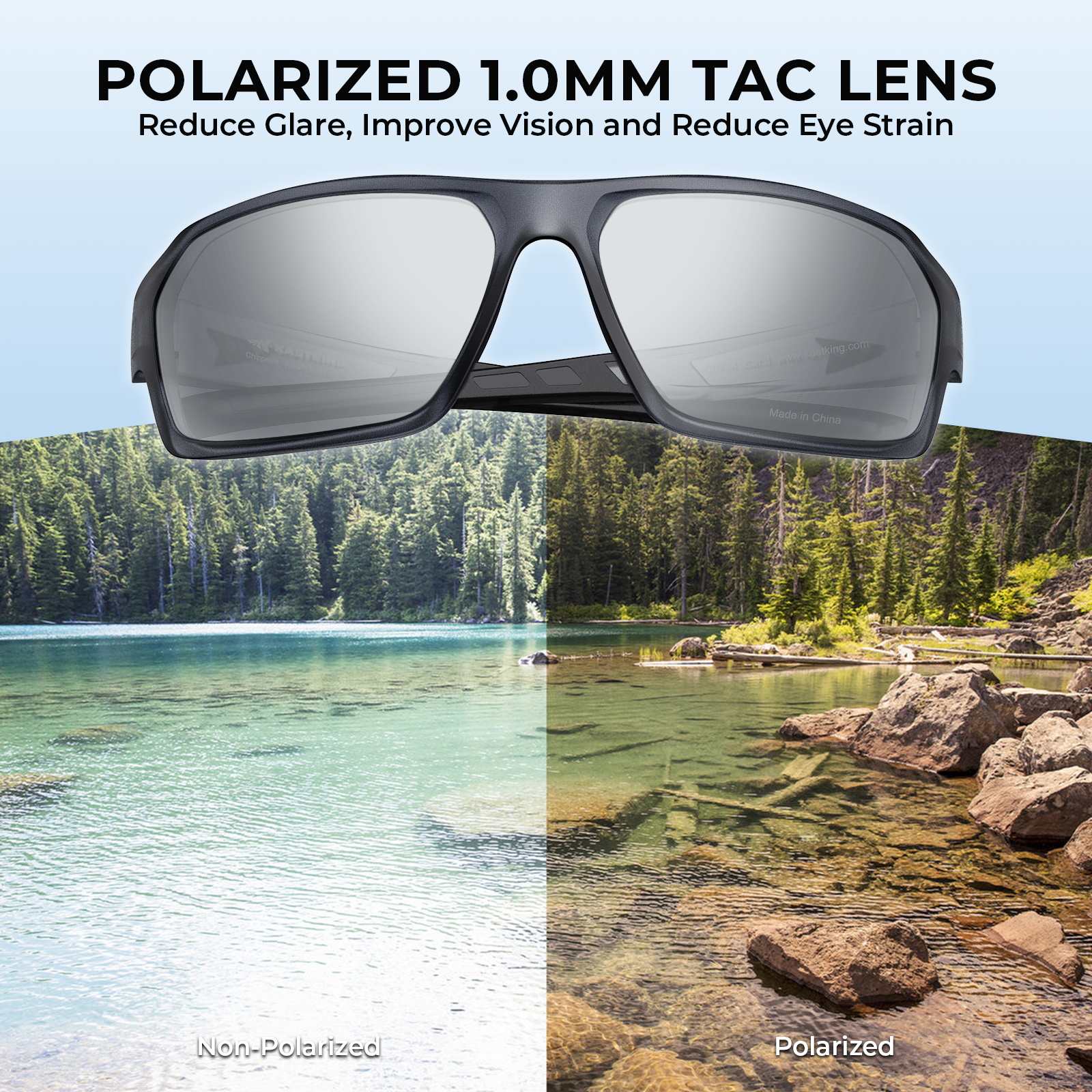
Glare is the bright, blinding reflection off water. It hides structure, weeds, and fish. It also causes eye strain and fatigue.
Reducing glare improves visual contrast. That makes it easier to spot fish under the surface. It also makes long days on the water less tiring.
Understanding how to select sunglasses for fishing glare reduction starts with knowing how glare behaves. Reflections are strongest at low sun angles and on calm water. The right sunglasses flip those reflections and reveal what’s underneath.
Key features to look for
When you decide how to select sunglasses for fishing glare reduction, focus on these core features. Each reduces glare or protects your eyes in a practical way.
- Polarized lenses
- Cut horizontal reflected light. This is the main method for reducing glare on water.
- 100% UV protection
- Block UVA and UVB to prevent long-term eye damage.
- Proper tint
- Enhance contrast without darkening too much. The color affects clarity.
- Wrap or close fit
- Reduce side glare and keep wind and spray out of your eyes.
- Anti-reflective coating on the inside
- Stops internal reflections that can reduce clarity on bright days.
These features together shape how well sunglasses reduce glare and help you see below the surface.

Lens color and tint guide
Lens color changes how you see water, structure, and fish. Pick tint based on light and water type.
- Brown/Amber
- Boosts contrast and depth perception. Good for both sunny and partly cloudy days.
- Gray
- Neutral color balance. Keeps colors accurate in bright light.
- Green
- Increases contrast while keeping color fidelity. Works well on moderate light days.
- Rose/Copper
- Brightens low-light conditions. Good at dawn, dusk, or overcast days.
- Yellow/Gold
- For very low light and murky water. Not for bright midday sun.
When you ask how to select sunglasses for fishing glare reduction, match lens color to your typical fishing light. I use brown lenses on bright flats and rose for mornings in the river.
Polarized vs non-polarized: the real difference
Polarized lenses have a chemical filter that blocks horizontally oriented light. That is the bulk of reflected glare from water.
- Polarized pros
- Reveal underwater details.
- Reduce eye strain.
- Improve safety by letting you see obstacles.
- Polarized cons
- Can make digital screens hard to read.
- May slightly reduce visibility through some boat windshields.
Non-polarized lenses still protect from UV and can have tints that increase contrast. But they won’t cut surface glare like polarized lenses. If glare reduction is your priority, polarized lenses are the right choice.

Frame fit, coverage, and style
Fit matters as much as lenses when deciding how to select sunglasses for fishing glare reduction. Light sneaking in from the sides ruins even the best lenses.
- Wrap frames
- Provide side coverage and reduce peripheral glare.
- Semi-wrap frames
- Balance style and coverage for casual anglers.
- Fit tips
- Frames should sit close but not pinch.
- Nose pads keep lenses stable during casting.
- Temple grips prevent slipping when wet.
I learned this the hard way. A cheap flat-frame pair let light in from the top and sides. Switching to a wrap frame cut glare and improved focus on the water.

Lens material and durability
Lens material affects clarity, weight, and impact resistance.
- Polycarbonate
- Lightweight and impact-resistant. Good for active anglers.
- CR-39
- Great visual quality. Less impact-resistant than polycarbonate.
- Glass
- Best optical clarity and scratch resistance. Heavier and can break.
- Scratch and hydrophobic coatings
- Help lenses stay clear and easy to clean.
When choosing how to select sunglasses for fishing glare reduction, match lens material to your activity. For offshore and high-impact use, I prefer polycarbonate with a hard coating. For calm conditions where clarity is king, glass feels better.

How to test sunglasses on the water
Field-testing is the final step for learning how to select sunglasses for fishing glare reduction. Take a few quick checks before you commit.
- Put them on at the dock
- Look at a sunlit patch of water. Notice reflection intensity.
- Tilt your head slowly
- See if glare returns from an angle. This checks side and top light leakage.
- Look for underwater detail
- Can you see structure, shadows, or fish silhouette?
- Wear them while casting
- Ensure the frame doesn’t bounce or slip.
A simple test: with polarized lenses, tilting your phone screen while looking through them should make the screen go dark. That indicates a working polarization.

Maintenance and care for glare-reducing sunglasses
Good care extends the life and performance of glare-reducing glasses.
- Rinse in fresh water after salt exposure
- Salt speeds coating damage and corrosion.
- Use a microfiber cloth
- Avoid paper or clothing that can scratch coatings.
- Store in a hard case
- Prevents crushing and lens damage.
- Replace lenses when coatings fail
- Scratched or delaminated coatings reduce glare control.
Taking a few minutes to maintain your sunglasses keeps glare reduction consistent and reliable.
Buying tips and budget considerations
You can get good glare reduction at several price points. Know what to prioritize to get the best value.
- Prioritize polarized and UV protection first
- These two features matter most for glare and safety.
- Frame fit second
- A cheap polarized lens with poor fit won’t perform well.
- Look for warranties
- Reputable brands back coatings and frames.
- Try before you buy
- Test on water or in-store with a flat reflective surface.
I once bought the cheapest polarized pair and found the polarization uneven. Spending a bit more for quality lenses and a trusted frame saved money and hassle in the long run.
Common mistakes and how to avoid them
Avoid pitfalls that leave you squinting instead of seeing fish.
- Mistake: Choosing style over fit
- Fix: Try frames on and test coverage.
- Mistake: Ignoring tint choice
- Fix: Match tint to light and water.
- Mistake: Skipping UV protection
- Fix: Check label for 100% UV or UV400.
- Mistake: Assuming all polarized lenses are equal
- Fix: Compare clarity and polarization uniformity.
Choosing how to select sunglasses for fishing glare reduction is as much about avoiding errors as it is about picking features. I recommend a hands-on test and a return window.
PAA-style quick questions
Q: Will polarized sunglasses make it harder to see my fish finder?
A: Polarized lenses can dim or alter some LCD screens at certain angles. Tilt the screen or remove glasses briefly to check.
Q: Do mirrored coatings help with glare?
A: Mirrored coatings reduce overall brightness but do not replace polarization for reflected glare. They are helpful in very bright conditions.
Q: Can tinted lenses alone reduce glare?
A: Tints reduce light but do not specifically cancel reflected glare. Polarization is the key for surface glare control.
Frequently Asked Questions of how to select sunglasses for fishing glare reduction
Are polarized sunglasses safe for boating and fishing?
Polarized sunglasses are safe and often safer on the water because they reduce glare and let you see submerged hazards. Just be aware they can affect reading some digital displays.
What lens color is best for sight fishing?
Brown or amber lenses are often best for sight fishing because they increase contrast and depth perception in bright or variable light.
How do I know if lenses block 100% UV?
Look for labels that state 100% UV protection or UV400. These indicate the lenses block UVA and UVB up to 400 nm.
How tight should the frames fit?
Frames should feel snug but not painful. They should stay put during casting and block side light without squeezing your temples.
Can I use prescription lenses for glare reduction?
Yes. Many makers offer polarized, UV-blocking prescription lenses. Discuss lens material and coatings with your optician for best results.
Conclusion
Choosing the right sunglasses for fishing glare reduction comes down to polarization, UV protection, the right tint, and a good fit. Test lenses on water, care for them, and avoid common mistakes to get consistent performance. Take one practical step today: try a polarized pair on the water and compare how much more you see. Share your results, subscribe for more gear tips, or leave a comment about your favorite fishing sunglasses.

Rubel Miah is the Senior Editor at MyStyleGrid.com, where he brings a sharp editorial eye and an unshakable love for fashion to everything he does. A true style addict, Rubel lives and breathes trends, from streetwear to high fashion, and has a knack for turning inspiration into impactful stories. With years of experience in fashion journalism and digital media, he curates content that empowers readers to express themselves through style. When he’s not editing features or forecasting the next big thing, you’ll find him hunting down vintage pieces or capturing street style moments around the city.