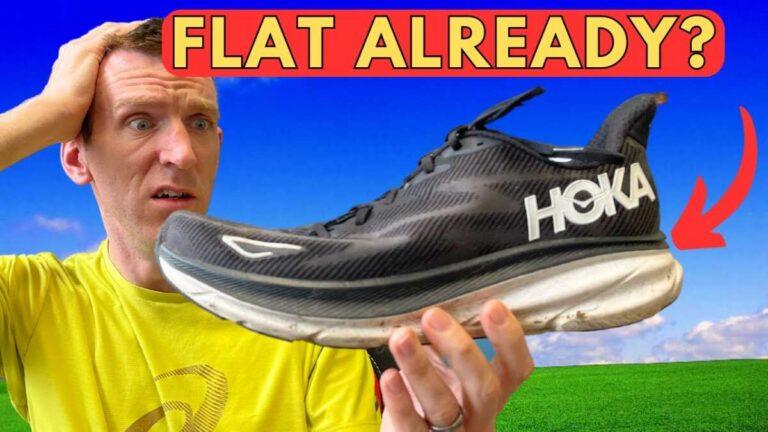
Most Hoka running shoes last about 300–500 miles; casual wear can extend life to 1–2 years.
I’ve tested Hoka models over thousands of miles and helped runners choose shoes for pace and durability. This guide explains how long do Hoka shoes last, what shortens their life, signs to replace them, and real tips to stretch their use without losing comfort or protection. Read on for clear, practical advice you can trust.
How long do Hoka shoes last: expected lifespan
Most Hoka running shoes fall in the 300–500 mile range for active runners. Trail models with tougher outsoles can last toward the high end. Some light trainers may compress faster and wear out near 200–300 miles.
For casual walkers or gym users, how long do Hoka shoes last can be 1 to 2 years. If you run less and rotate shoes, they can last longer. Keep in mind midsole foam breaks down over time even when shoes sit unused.

What affects how long Hoka shoes last
Many things change how long do Hoka shoes last. Know the main factors to set realistic expectations.
- Mileage and use. Higher weekly miles speed wear. Race pace stress wears cushioning faster.
- Body weight and stride. Heavier runners compress foam sooner. Overstriding adds wear.
- Surface. Concrete and asphalt wear soles fast. Trails can cut uppers but may spare foam.
- Model and materials. Maximal foam models compress differently than firmer trainers. Some outsoles use harder rubber.
- Rotation and rest. Using one pair every day shortens life. Rotating shoes gives foam time to recover.
- Care and storage. Wet shoes, heat, and poor storage degrade materials faster.
- Foot strike and gait. Uneven wear from pronation or supination can make shoes feel dead early.

Signs your Hoka shoes need replacement
Watch for clear signs. These tell you when cushioning and support are gone.
- Reduced cushioning. Runs feel harder. You sense more impact in joints.
- Visible midsole creasing. Deep creases or squished foam show compression.
- Outsole wear. Worn lugs or smooth tread reduce traction and shock control.
- New aches or pain. Knee, hip, or shin pain that started after many miles is a red flag.
- Loss of stability. The shoe feels floppy or no longer returns energy well.
How long do Hoka shoes last matters less than these signs. Replace when function declines, even if miles remain.

How to extend the life of your Hoka shoes
You can stretch how long do Hoka shoes last with smart habits. Try these practical tips.
- Rotate two or three pairs. Let shoes rest 24–48 hours between runs.
- Use shoes for intended tasks. Don’t use road Hokas for heavy mud or long hikes.
- Dry and store properly. Air-dry wet shoes. Avoid direct heat and long sun exposure.
- Clean gently. Rinse off dirt. Use a soft brush and mild soap when needed.
- Alternate paces. Hard speedwork stresses foam more than easy runs.
- Use heel and toe protection. Small rubber patches can slow outsole wear.
- Track mileage. Replace at signs or near 300–500 miles for runners.
Choosing the right Hoka model for longevity
Pick a model that matches your goals. That affects how long do Hoka shoes last in real life.
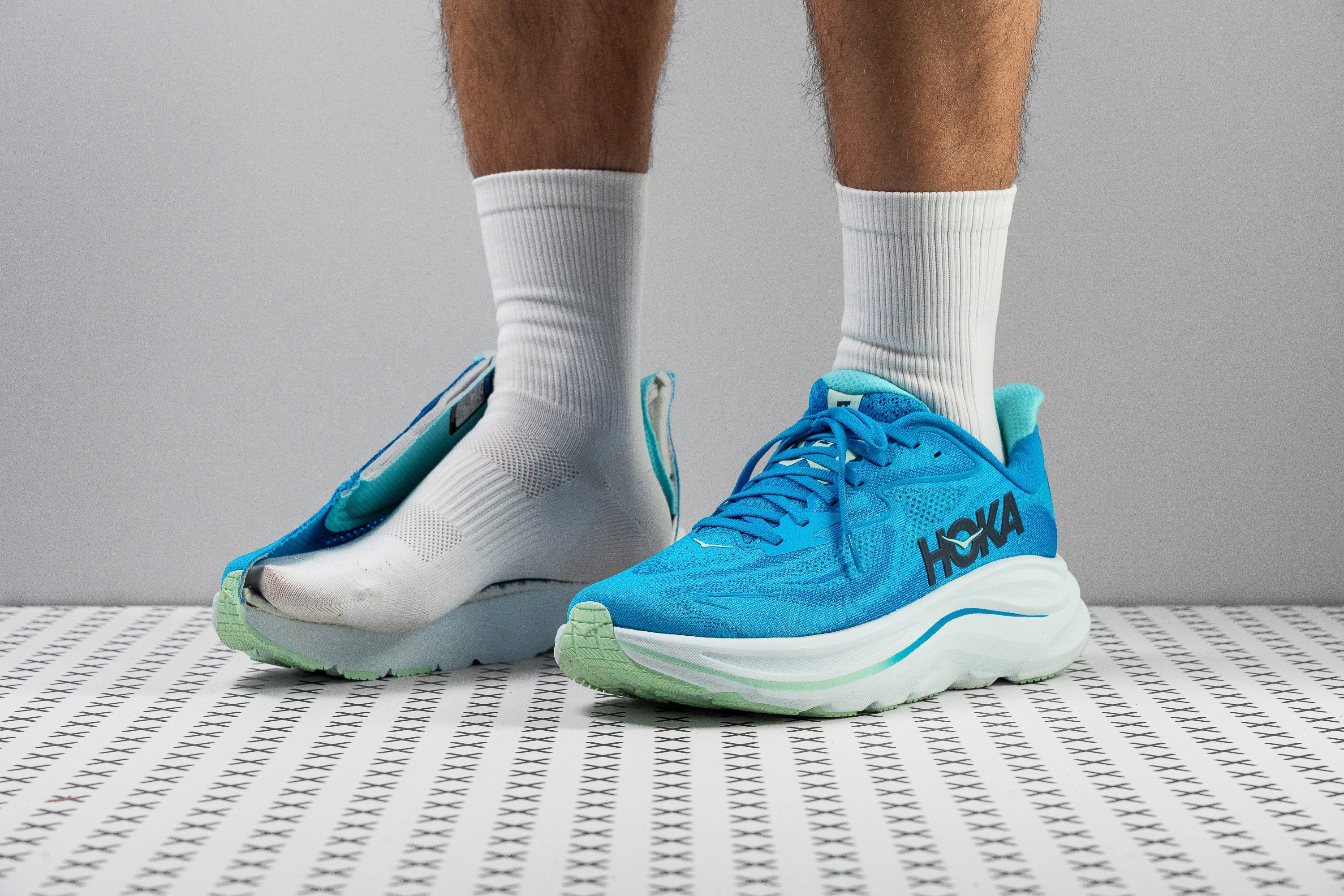
- Daily trainers. Models like the Clifton offer balanced cushioning and fair durability.
- Maximal cushion. Bondi-style shoes feel plush but may compress sooner under heavy use.
- Trail runners. Speedgoat and similar models have tougher outsoles and last longer off-road.
- Stability shoes. Arahi and Gaviota use firmer foams in places that handle wear well.
- Lightweight racers. Mach and Carbon X give speed but trade durability for weight.
Match model choice to mileage and surface. A street runner who logs high miles needs a durable trainer. A racer who runs few miles per week can choose lighter models.

My experience testing Hoka shoes
I ran with Hoka shoes for training and races over three seasons. I logged runs on road and trail. Here are lessons I learned.
- One pair lasted 450 miles before I felt increased knee impact. It was a plush trainer.
- Rotating with a firmer pair added 150 miles to my total shoe life.
- Trail Hokas held up well on rough ground but cut the upper on sharp rocks.
- Cleaning shoes after muddy runs kept the foam from breaking down as fast.
If you track how long do Hoka shoes last, log miles and notes on feel. That record helps you replace shoes before pain starts.

Frequently Asked Questions of how long do hoka shoes last
How many miles do Hoka shoes last for runners?
Most Hoka running shoes last about 300–500 miles for regular runners. Trail models may last longer if used off-road.
Can Hoka shoes last longer if I only walk in them?
Yes. If used mainly for walking, Hoka shoes can last 1–2 years or more. Lower impact means slower foam breakdown.
Do Hoka midsoles get harder or softer over time?
Midsoles compress and lose springiness with use. They usually feel firmer and less responsive after many miles.
Is it okay to resole Hoka shoes?
Most Hoka shoes cannot be resoled effectively because midsole foam, not just the outsole, limits life. Specialized resoling is rare and often not cost-effective.
How should I store Hoka shoes to lengthen life?
Store them in a cool, dry place away from direct sun. Let them air dry after wet runs and avoid hot garages or dryers.
Conclusion
Knowing how long do Hoka shoes last helps you plan replacements, protect your joints, and get the best value. The typical runner will swap Hoka shoes near 300–500 miles, but use, model, and care change that number. Watch wear signs, rotate pairs, and choose models that match your miles and terrain.
Take action: track your miles now. Rotate your shoes and replace them when cushioning fades. If this guide helped, try a mileage log, share your experience below, or subscribe for more shoe tips.

Rubel Miah is the Senior Editor at MyStyleGrid.com, where he brings a sharp editorial eye and an unshakable love for fashion to everything he does. A true style addict, Rubel lives and breathes trends, from streetwear to high fashion, and has a knack for turning inspiration into impactful stories. With years of experience in fashion journalism and digital media, he curates content that empowers readers to express themselves through style. When he’s not editing features or forecasting the next big thing, you’ll find him hunting down vintage pieces or capturing street style moments around the city.