Most running shoes last between 300 and 500 miles, or about 6 to 12 months.
I’ve worked with runners and tested gear for years, and I’ll walk you through clear, practical guidance on how long should running shoes last. This guide covers mileage and time rules, signs of wear, factors that shorten lifespan, ways to extend shoe life, and real-world tips you can use today. Read on to make smarter choices and protect your feet, performance, and wallet.
Mileage and time guidelines: how long should running shoes last
A common rule is 300 to 500 miles per pair. For many runners that means roughly 6 to 12 months. How long should running shoes last depends on use, body weight, terrain, and shoe type.
- Casual runners who log 10–20 miles weekly may replace shoes every 9–12 months.
- Daily runners or high-mileage athletes may need new shoes every 3–6 months.
- Heavier runners or those on rough trails may hit the lower end of the range sooner.
Think of the 300–500 mile range as a guideline, not a hard law. Your shoes may still look fine at 350 miles but feel different in cushioning and support. Track mileage and pay attention to feel.

Key factors that affect how long should running shoes last
Several things change how long should running shoes last. Know them to predict wear.
- Runner weight
- More weight puts extra stress on midsoles and outsoles. Heavy runners often wear shoes faster.
- Running style and gait
- Heavy heel strikers wear heel foam sooner. A neutral runner may see more even wear.
- Surface
- Road running is gentler than trail running. Trails wear soles and uppers faster.
- Shoe construction and materials
- Softer foam gives better shock but compresses faster. Firmer midsoles last longer.
- Frequency and rotation
- Daily use wears shoes faster. Rotating two pairs can extend lifespan.
- Weather and storage
- Wet, hot, or poorly stored shoes degrade faster. Let shoes dry and avoid heat.
Understanding these factors helps you answer "how long should running shoes last" for your specific case.

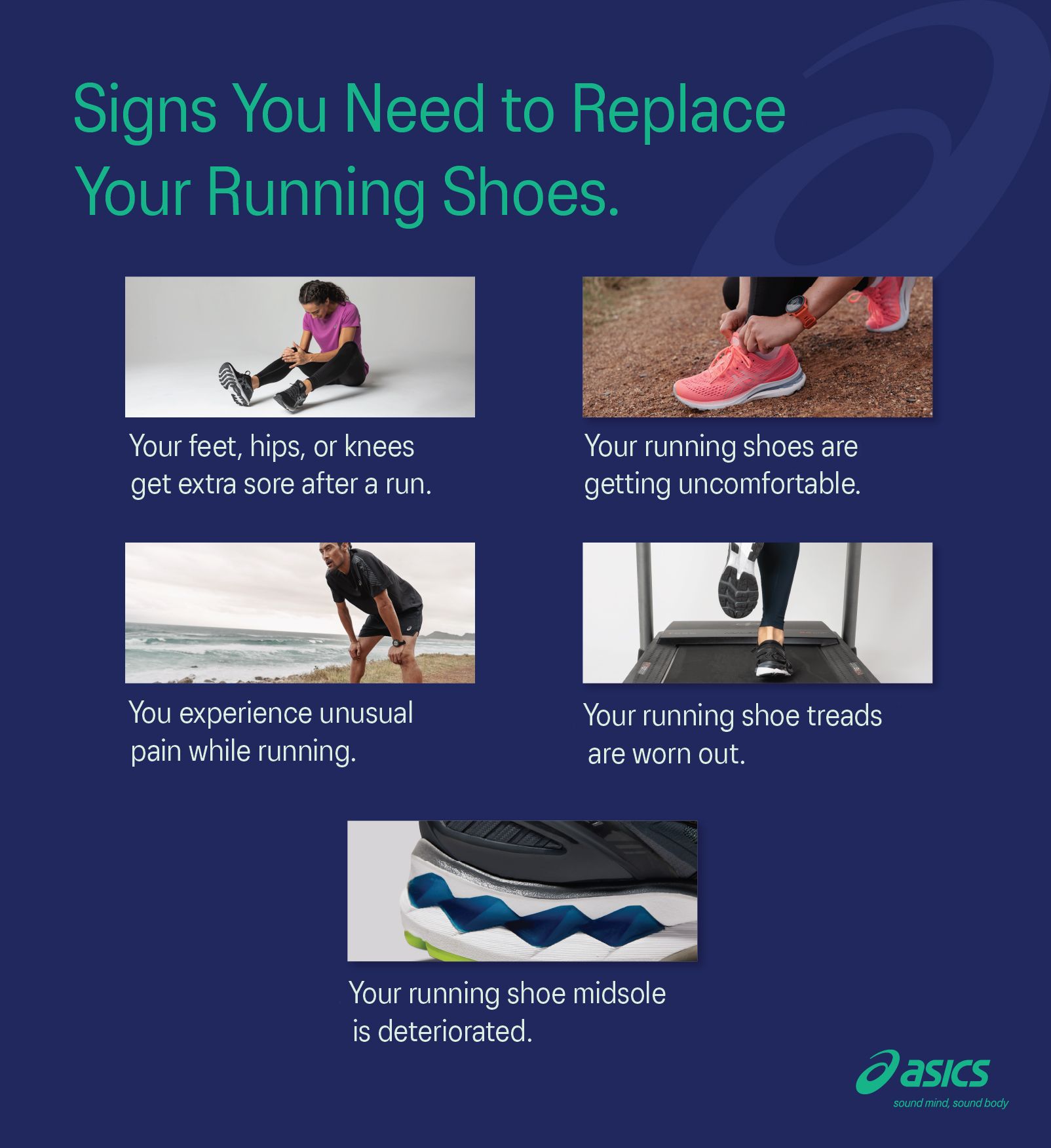
Signs your running shoes need replacement
Watch for real, physical signs. These tell you how long should running shoes last for your feet.
- Reduced cushioning
- Runs feel harder. Legs and joints ache more than usual.
- Visible midsole creasing
- Deep creases or compressed foam mean less shock absorption.
- Worn outsole tread
- Smooth spots or uneven wear indicate lost traction and support.
- Upper tears or stretched heel counter
- When the upper no longer holds your foot tight, stability drops.
- New aches or injuries
- Shin pain, knee pain, or plantar issues can signal worn shoes.
If you notice two or more signs, replace the shoes even if mileage is below the guideline. Comfort and injury prevention matter more than a number.

How to extend how long should running shoes last
Small habits add months to a pair. These tips help you stretch the 300–500 mile window.
- Rotate shoes
- Alternate two pairs to allow foam to rebound between runs.
- Use shoes for running only
- Avoid using running shoes for gym work or casual wear to limit wear.
- Let shoes dry naturally
– Air-dry shoes after wet runs. Avoid direct heat. - Clean and inspect regularly
- Remove grit from treads and check for early wear signs.
- Use insoles if needed
- Replace worn insoles to restore comfort and extend midsole life.
- Run smart on soft surfaces occasionally
- Grass or track runs reduce impact compared to constant pavement.
These simple steps often add weeks or months to shoe life and can keep you safer and more comfortable.

Choosing shoes that last longer
Shoe selection affects how long should running shoes last. Choose with lifespan in mind.
- Look for firmer midsoles for durability
- Durable foam compresses slower than very soft foam.
- Consider outsole material
- Rubber pods in high-wear zones extend tread life.
- Pick shoes suited to your gait
- Proper fit and support reduce uneven wear.
- Test multiple models
- Try shoes on a short run if possible before buying.
- Think about intended use
- Trail shoes are built tougher. Road shoes focus on lightness.
A slightly heavier, durable shoe may last longer and save money over time if you log many miles.

Personal experience and lessons learned
I’ve run thousands of miles and fitted many runners. I learned a few practical truths about how long should running shoes last.
- Rotating two pairs worked best for me. Shoes felt fresher and discomfort dropped.
- I once ignored outsole wear and developed knee pain. Replacing the shoes fixed it in weeks.
- Trail shoes I used for mixed runs broke down faster on pavement than I expected.
- Tracking miles in a running app made replacement decisions simple and predictable.
From this, I advise tracking mileage and listening to your body. Prevention beats rushing to rehab after an injury.

Common myths about how long should running shoes last
Clear up confusion so you can replace shoes at the right time.
- Myth: Shoes must be replaced only when they're visibly torn
- Reality: Invisible midsole breakdown causes most issues long before tears show.
- Myth: Expensive shoes last much longer
- Reality: Cost does not always equal durability. Some budget models outlast pricier, softer-foam shoes.
- Myth: Shoes don’t age if not worn
- Reality: Foam can degrade over time. Replace shoes that are very old even with low mileage.
- Myth: You can swap out only the insoles to extend life indefinitely
- Reality: Insoles help comfort but cannot restore midsole cushioning.
Know the facts to make better choices about when to replace your running shoes.
Environmental and disposal tips for old running shoes
When you ask how long should running shoes last, also plan what to do after. Responsible disposal reduces waste.
- Donate usable shoes
- If condition is decent, local groups often accept gently used shoes.
- Recycle worn shoes
- Many programs grind materials for playground surfaces or new products.
- Repurpose at home
- Use old shoes for errands, yard work, or as test shoes for wet or muddy runs.
- Check manufacturer take-back options
- Some brands run recycling schemes.
Proper disposal helps the planet and feels good after you retire a trusted pair.

PAA-style quick questions
Q: How long should running shoes last if I run three times a week?
A: At three runs weekly and average mileage, expect replacement every 9–12 months or around 300–400 miles. Monitor comfort and wear signs to adjust timing.
Q: How long should running shoes last for heavy runners?
A: Heavier runners often see shoes wear faster, sometimes around 300 miles or less. Choose firmer, durable models and consider rotating pairs.
Q: How long should running shoes last if I mostly run trails?
A: Trail runs wear out soles and uppers faster; many trail runners replace shoes closer to the 300-mile mark. Inspect treads and uppers often.
Q: Can shoes last longer than 500 miles?
A: Yes. Some shoes last beyond 500 miles if used gently, rotated, and well cared for. Still check cushioning and injury signs regardless of mileage.
Q: Does shoe age matter even if mileage is low?
A: Yes. Foam ages with time and can break down even with low use. Replace shoes older than 2–3 years, depending on storage and material.
Frequently Asked Questions of how long should running shoes last
How often should I replace my running shoes based on miles?
Replace most running shoes between 300 and 500 miles. Track mileage and replace earlier if you see wear or new aches.
Can I extend my shoes' life by swapping insoles?
Replacing insoles can improve comfort and add short-term life. Insoles do not fix midsole compression, which is the main lifespan limiter.
Are trail shoes more durable than road shoes?
Trail shoes have tougher uppers and lugged outsoles. They resist abrasion but can wear faster on pavement. Choose based on main surface.
Is shoe rotation really helpful?
Yes. Rotating shoes lets foam recover and spreads wear across pairs. Many runners gain weeks or months of life this way.
Should I replace shoes even if they look fine?
If cushioning feels gone or pain appears, replace them. Visual condition alone does not show midsole breakdown.
Conclusion
Knowing how long should running shoes last helps you protect your body and your performance. Use the 300–500 mile guideline, watch for wear signs, and adjust for weight, surface, and shoe type. Rotate shoes, care for them, and track mileage to make smart replacement decisions. Take action today: check your current pair, log their miles, and plan replacements before discomfort starts. Share your experience, subscribe for more gear tips, or leave a comment about your shoe lifespan.

Rubel Miah is the Senior Editor at MyStyleGrid.com, where he brings a sharp editorial eye and an unshakable love for fashion to everything he does. A true style addict, Rubel lives and breathes trends, from streetwear to high fashion, and has a knack for turning inspiration into impactful stories. With years of experience in fashion journalism and digital media, he curates content that empowers readers to express themselves through style. When he’s not editing features or forecasting the next big thing, you’ll find him hunting down vintage pieces or capturing street style moments around the city.