Stretch, pad, and reshape problem areas — quick fixes and long‑term solutions for blistering shoes.
I’ve helped hundreds of people stop pain and keep wearing their favorite shoes. This guide explains how to fix shoes that give you blisters with clear steps, tools, and prevention tips based on real experience and practical testing. Read on to learn quick patches, safe stretching methods, and long‑term alterations so your shoes fit right and your feet stay healthy.
Why shoes cause blisters
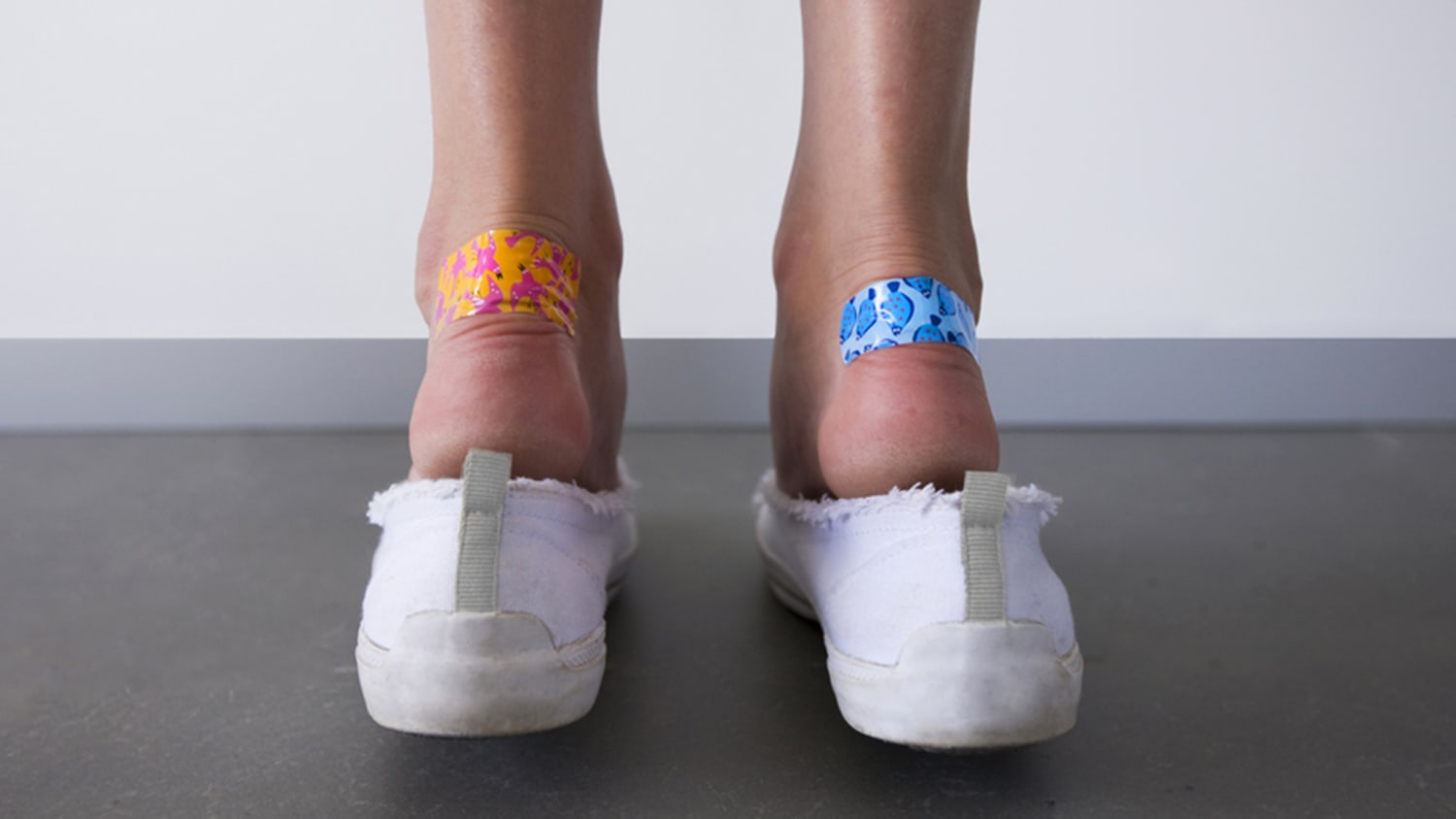
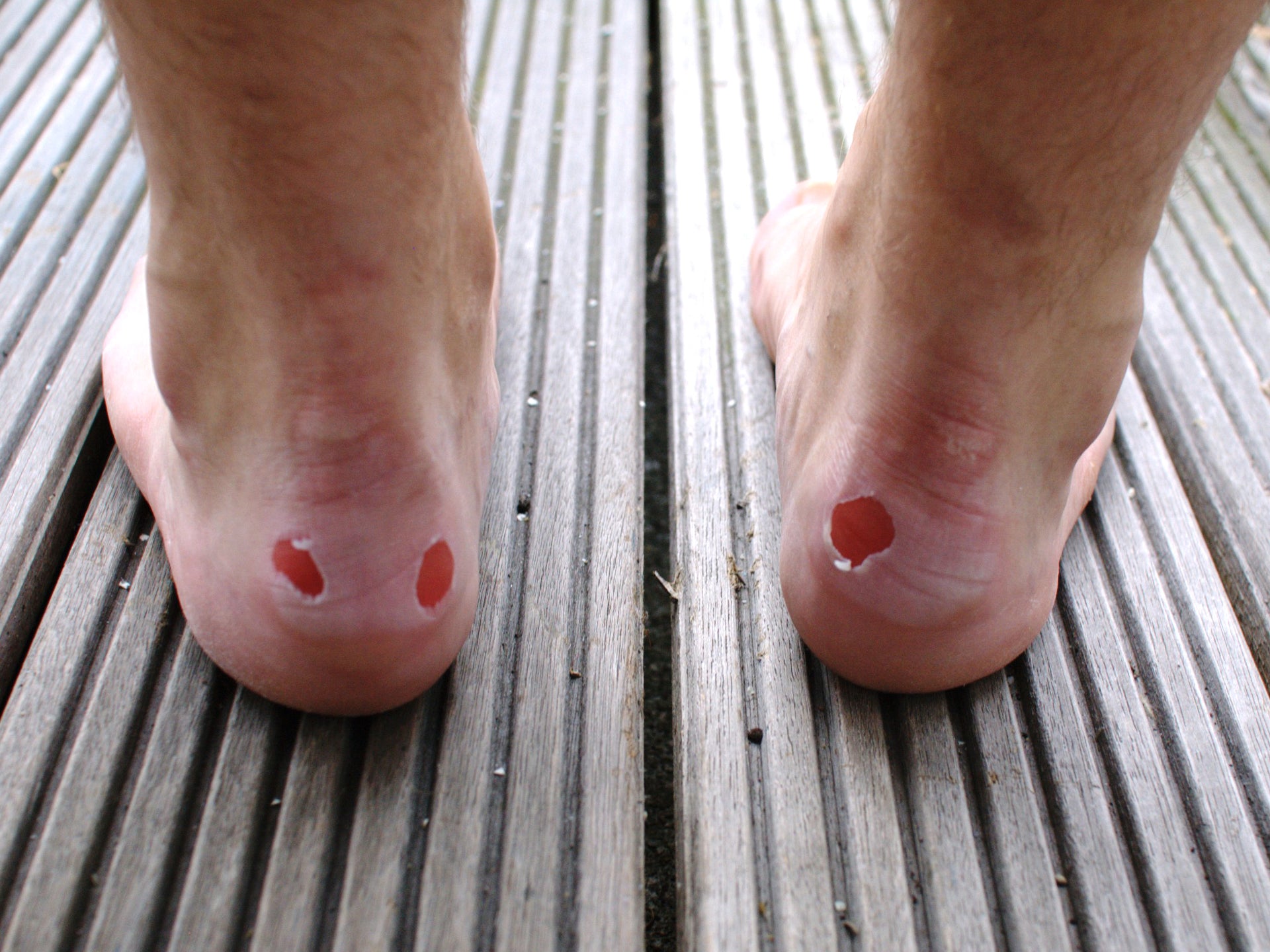
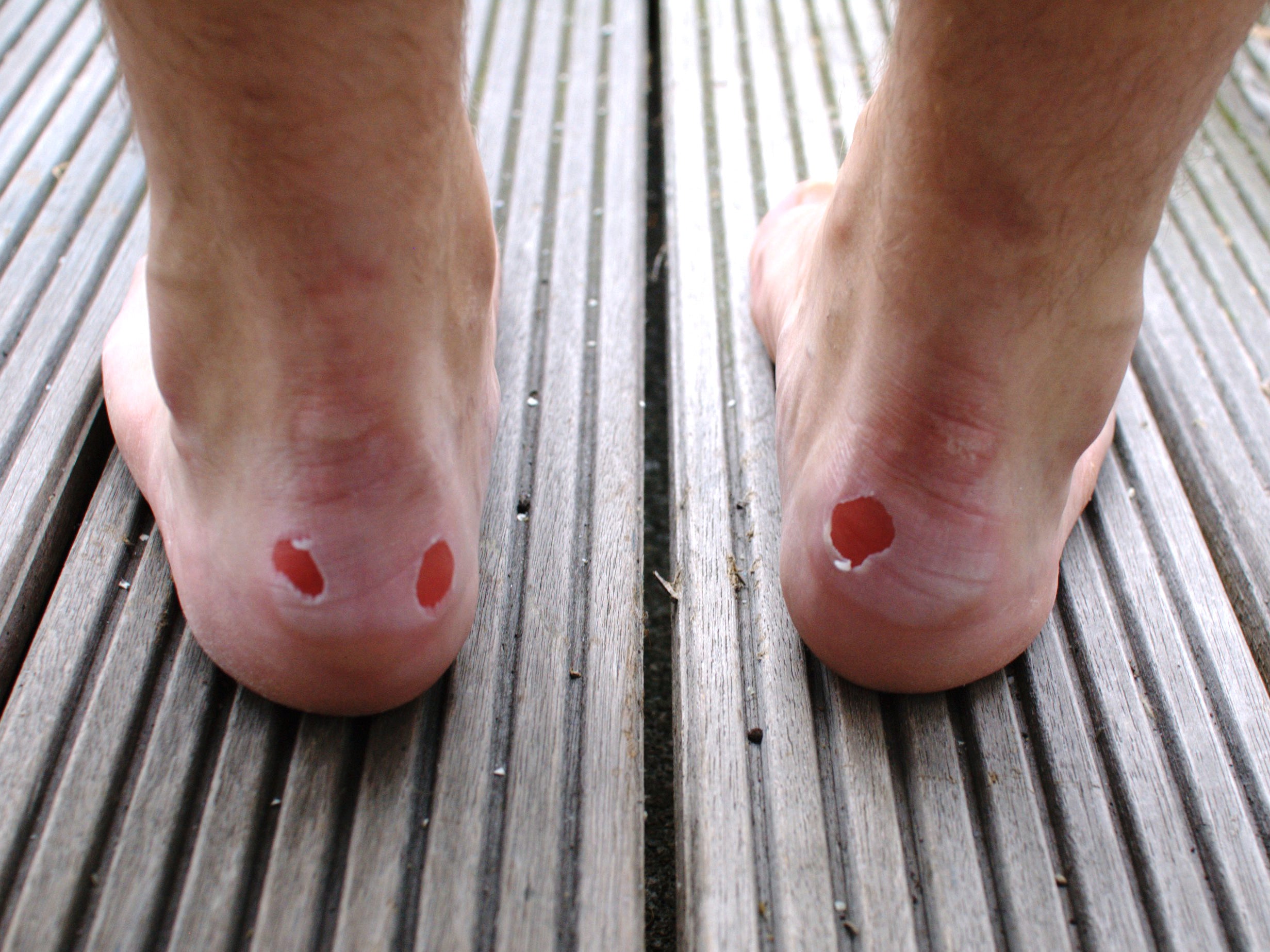
Blisters form when repeated friction or pressure makes skin heat up and separate. The body responds by filling the space with fluid. Shoes that are too tight, too loose, or have rough seams are the usual culprits.
Common causes include poor fit, hard seams, stiff materials, and new soles that don’t flex. Knowing why a shoe rubs helps you decide how to fix shoes that give you blisters. I often inspect problem areas before recommending a fix. That quick check usually reveals whether padding, stretching, or a simple stitch will do the job.
:max_bytes(150000):strip_icc()/blisters-begone-seven-strategies-to-prevent-blisters-3432491_color1-7a21d17089de47c09c4cbb6afc712310.png)
Quick immediate fixes to stop blisters now
When you get a blister while out, act fast to reduce pain and prevent infection. These immediate fixes buy time and keep you moving.
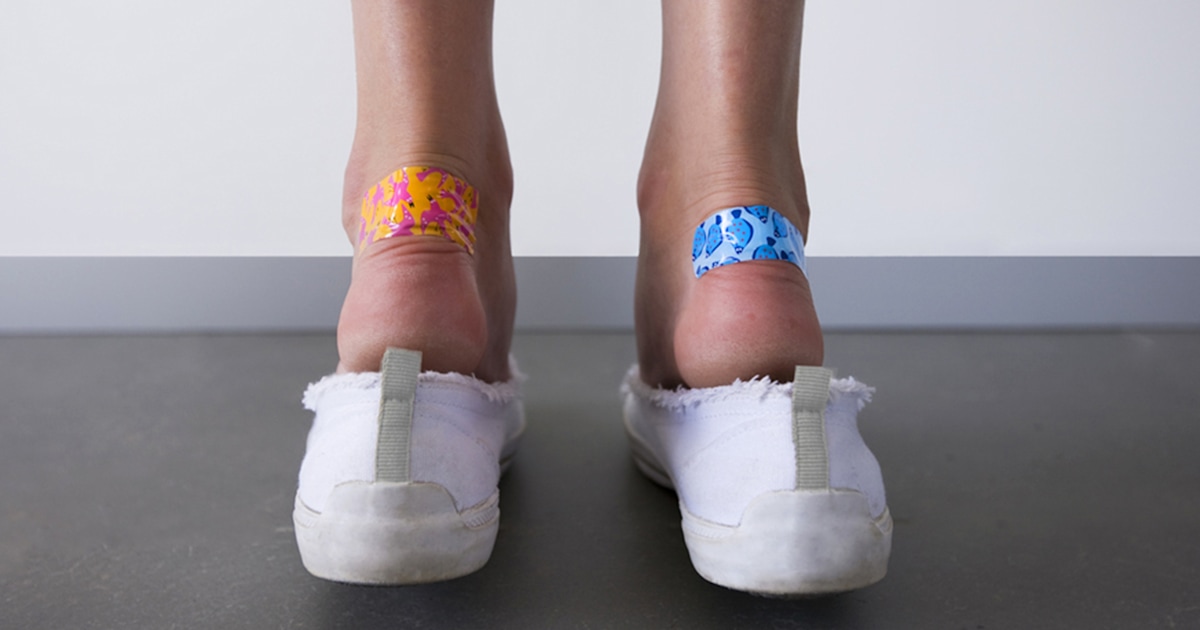
- Clean the area and cover with a blister bandage or a simple adhesive pad. These cushions reduce friction and absorb moisture.
- Apply medical tape or moleskin around the hot spot to stop rubbing rather than over the blister itself. That lowers pressure without removing protection.
- Use a gel or foam insole to lift and redistribute pressure inside the shoe. Insoles are quick and effective for sudden pain.
- Change socks to a moisture-wicking pair. Dry feet slide less and cool down faster.
People also ask: Will popping a blister help? Popping a blister is not recommended unless it’s large and painful. If you must, sterilize a needle, drain from the side, leave the roof of skin intact, and cover with an antibiotic dressing.
People also ask: How long before I can wear the shoe again? If you’ve protected the blister and the shoe is fixed, you may resume wearing it within a few days. If pain persists, try more permanent fixes or rest the foot until healed.

How to permanently fix shoes that give you blisters
If you own shoes that repeatedly cause pain, permanent fixes are worth the time. Follow these steps to make shoes comfortable and durable.
- Identify the exact rubbing spot. Wear a thin sock and walk to see where friction happens.
- Add padding for low‑cost fixes. Use moleskin, felt pads, or sticky gel strips at the hotspot to stop fabric from rubbing skin.
- Adjust the fit. Replace insoles, use heel grips, or add an orthotic to stop slipping. Stable fit reduces shear and prevents blisters.
- Soften stiff materials. Leather conditioners and sole flexing reduce the harsh edges that create hotspots.
- Resew or smooth seams that rub. A tailor or cobbler can move or flatten seams for a long‑term solution.
I learned the value of a methodical approach after ruining a pair of boots by ignoring a small hotspot. Once I padded and gently stretched the boot, I could walk all day. If you want to know how to fix shoes that give you blisters, start with the spot check. That tells you whether to pad, stretch, or alter the shoe.
People also ask (PAA-style)
Q: Can stretching shoes reduce blisters?
A: Yes. Proper stretching reduces pressure points. Use a shoe stretcher or wear thick socks while gently heating the shoe to reshape it.
Q: Are special socks better than fixing the shoe?
A: Special socks help and are a low-cost first step. But to eliminate recurring blisters, you often need to alter the shoe too.

How to stretch, mold and break in shoes safely
Stretching and breaking in shoes is an art. Done right, it solves fit issues that cause blisters.
- Use a shoe stretcher and targeted inserts to widen a tight toe box or loosen a narrow instep. Stretch incrementally—small changes prevent damage.
- Wear the shoes at home with thick socks for short sessions. Walk on carpet and stop when you feel improvement.
- Apply steam or gentle heat for leather shoes only. Heat makes leather pliable, but never overheat or saturate materials.
- Soften rigid seams by massaging the area with a leather conditioner or rubbing with your thumb until it relaxes.
I once had a pair of dress shoes that pinched the little toe. A week of short at‑home wear with a toe‑stretch insert cured the pain. Knowing how to fix shoes that give you blisters by stretching safely can save you from buying new footwear.
Materials and tools you’ll need
Keeping a small kit makes quick fixes easy. Stock these items for immediate and long‑term solutions.
- Moleskin and blister pads for protective cushioning.
- Gel strips and adhesive foam for high‑pressure zones.
- Shoe stretcher and toe‑stretch inserts for safe expansion.
- Leather conditioner and fabric softener spray to break in stiff shoes.
- Insoles, heel grips, and non‑slip liners to improve fit.
- Sewing kit or cobbler contact for altering seams and linings.
I carry a compact kit in my bag when testing shoes with clients. It saves time and prevents many blisters before they start. Learning how to fix shoes that give you blisters becomes easier when you have the right tools on hand.

Common mistakes and when to see a pro
People often make fixes worse by over‑stretching, using poor adhesives, or ignoring foot mechanics. Avoid these traps.
- Mistake: Forcing shoes on with extreme heat. That can warp materials and ruin fit.
- Mistake: Repeatedly padding without addressing the real cause like loosening or a hard seam.
- Mistake: Buying the wrong size or ignoring foot shape changes over time.
See a cobbler when seams need moving or when soles require reshaping. See a podiatrist if blisters keep returning despite shoe fixes. Persistent blisters can signal biomechanical issues that need professional care. If you need to know how to fix shoes that give you blisters beyond home methods, a pro will provide custom, lasting solutions.
Frequently Asked Questions of how to fix shoes that give you blisters
How quickly can I fix a shoe that gives me blisters?
Most quick fixes, like padding or switching insoles, take a few minutes and work immediately. Permanent fixes may take days of gradual stretching or professional repair.
Are blister pads better than regular bandages?
Blister pads are designed to cushion and reduce friction and are usually better than regular bandages for preventing rubbing. They also stay in place longer and protect the area more effectively.
Can I use household items to stop blisters?
Yes. Household options like duct tape, cotton, or self‑adhesive felt can work short term. For repeated use, invest in purpose‑made pads and insoles for better protection.
Will stretching damage my shoes?
When done slowly and with the right tools, stretching is safe for most shoes. Avoid excessive heat or force, and use a shoe stretcher or professional service for delicate materials.
When should I see a doctor for a blister?
See a doctor if a blister shows signs of infection, such as increased redness, pus, swelling, or fever. Also consult a doctor if you have diabetes or poor circulation and develop blisters.
Conclusion
You don’t have to live with painful shoes. Start by identifying the rubbing spot, use quick padding for immediate relief, and apply targeted stretching or professional repair for lasting results. Take action today by testing the simple fixes listed here and assembling a small repair kit. If recurring blisters persist, seek professional help to protect your foot health. Leave a comment with your shoe type and blister problem, or subscribe for more foot-care tips and step‑by‑step guides.

Rubel Miah is the Senior Editor at MyStyleGrid.com, where he brings a sharp editorial eye and an unshakable love for fashion to everything he does. A true style addict, Rubel lives and breathes trends, from streetwear to high fashion, and has a knack for turning inspiration into impactful stories. With years of experience in fashion journalism and digital media, he curates content that empowers readers to express themselves through style. When he’s not editing features or forecasting the next big thing, you’ll find him hunting down vintage pieces or capturing street style moments around the city.