The best shoes for hurting feet are supportive, cushioned, and roomy—comfort that truly heals.
I know what it feels like to hobble through a day because my shoes betray me. Whether it’s plantar fasciitis, bunions, swollen feet, or post-op recovery, the right footwear removes pain so you can move, stand, and live with less fear. I’ll guide you through tried-and-true options I’ve tested and trusted so you can find the best shoes for hurting feet that fit your life and needs.

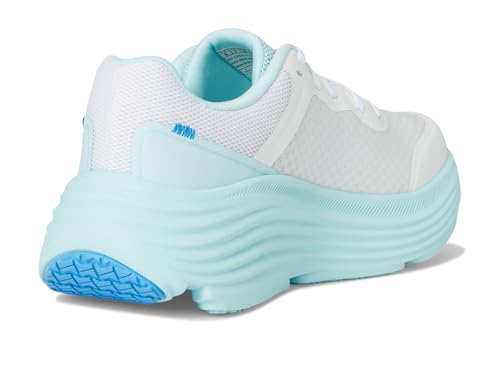
Skechers Women’s Max Cushioning Endeavour…
MAXIMUM CUSHIONING TECHNOLOGY: Experience superior comfort with max cushioning for women design featuring Air-Cooled Goga Mat insole and Ultra Light midsole cushioning ENGINEERED FOR PERFORMANCE: These max cushioning women shoes…

Insoles for Women man,Cloud Soles…
Arch Support & Pain Relief Orthopedic Insoles: Designed to conform to the natural shape of your foot, these insoles provide effective relief from plantar fasciitis, heel pain, flat feet, bunions,…
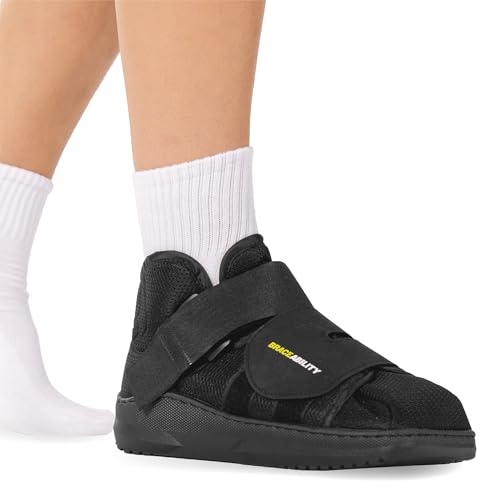
BraceAbility Closed Toe Medical Walking…
Find your perfect, comfortable fit: Refer to the size chart for accurate broken toe boot sizing; this closed-toe surgical shoe is available in adjustable unisex sizes; orthopedic shoes for women…
Skechers Max Cushioning Endeavour

I love how Skechers built plush cushioning into a lightweight package. The midsole absorbs shock and reduces pressure under the heel on long walks. The upper is flexible but holds the foot in place so I don’t twist my ankle. For people with aching heels, this shoe eases the first painful steps of the day.
The breathable mesh keeps feet cool, which helps if yours swell in the heat. The wide toe area gives toes room to relax, and the removable insole accepts custom orthotics. I found it easy to wear all day without grinding through pain or fatigue.
Pros:
- Thick cushioned midsole reduces impact
- Removable insole fits custom orthotics
- Breathable mesh upper controls heat
- Roomy toe box reduces rubbing
- Lightweight for all-day wear
- Good heel support for plantar pain
- Flexible yet stable ride
- Easy slip-on feel with lace hold
Cons:
- Not as dressy for formal wear
- May feel bulky for narrow-footed users
- Limited color choices in some sizes
My Recommendation
I recommend the Skechers Max Cushioning Endeavour for walkers and people with heel pain who need soft landing with each step. It’s ideal if you want cushioning without heavy weight. This shoe works well as part of a daily pain-management routine and pairs nicely with insoles for added arch support.
| Best for | Why |
|---|---|
| Daily walkers | Generous cushioning reduces impact |
| Plantar fasciitis sufferers | Firm heel support eases first-step pain |
| Orthotic users | Removable insole accepts inserts |
4D Cloud Insoles (Gray, S)

These 4D Cloud Insoles convert a tired shoe into a shock-absorbing slipper. The top foam layer cradles the foot while the bottom layer disperses pressure. I popped them into sneakers and boots and noticed immediate relief on long days. The thin profile keeps shoe fit consistent.
They wick moisture and add bounce without making shoes tight. I found they help with metatarsal pain because they raise the arch and spread load more evenly. They’re a cheap, fast fix when you need relief now.
Pros:
- Immediate comfort boost in any shoe
- Thin profile keeps original fit
- Good shock absorption under forefoot
- Moisture-wicking top layer
- Easy to trim for a custom fit
- Affordable compared to full new shoes
- Reduces fatigue on long stands
- Works well with sneakers and work shoes
Cons:
- May compress over months of heavy use
- Not a full orthopedic substitute for severe issues
- Sizing trim needed for perfect fit
My Recommendation
If you need an inexpensive upgrade, these 4D Cloud Insoles are a go-to. They suit people who own several pairs of shoes and want the best shoes for hurting feet without replacing them all. I use them in older sneakers to gain cushioning and reduce foot stress quickly.
| Best for | Why |
|---|---|
| Budget relief seekers | Low cost, high comfort gain |
| Multi-shoe users | Portable and easy to swap |
| Forefoot pain | Added padding and shock control |
BraceAbility Medical Walking Shoe

This BraceAbility medical shoe is built for recovery. Its semi-rigid sole shields broken toes, stress fractures, and post-op feet from painful flexing. I tested it after foot strain and felt immediate stability. It locks the foot in place while still letting you walk carefully.
Adjustable straps make it simple to accommodate swelling and bulky dressings. The roomy toe box prevents pressure on healing tissues. I recommend it when the foot needs protection without the bulk of a full cast boot.
Pros:
- Semi-rigid sole protects injured areas
- Adjustable straps fit swollen feet
- Roomy toe box avoids rubbing on wounds
- Lightweight compared to traditional casts
- Easy to put on with limited mobility
- Works for both left and right feet
- Durable for short-term recovery use
- Washable straps and upper
Cons:
- Not a permanent daily walking shoe
- Bulky for normal shoe needs
- Style is medical rather than casual
My Recommendation
Choose BraceAbility if you need protective, medical-grade footwear after surgery or injury. It’s one of the true best shoes for hurting feet when protection and immobilization are the priority. I keep one on hand for short recovery windows because it speeds safe walking and reduces re-injury risk.
| Best for | Why |
|---|---|
| Post-op recovery | Solid protection and stability |
| Broken toes | Rocker sole protects the toe |
| Swollen feet | Adjustable straps and roomy fit |
Vive Post Op Medical Shoe
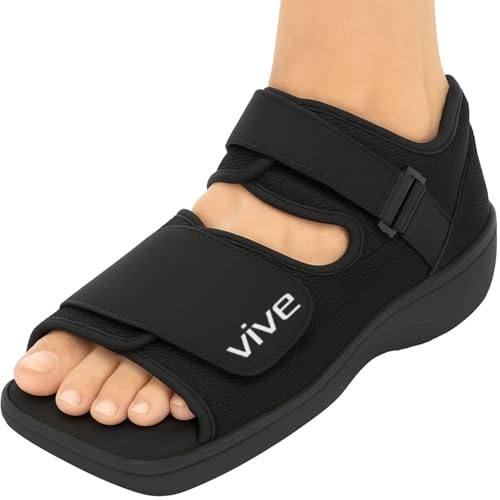
The Vive Post Op shoe focuses on post-surgery comfort and adjustability. Its cushioned sole and tall heel cup limit painful motion. I used this style after a foot procedure and appreciated the steady, deliberate steps it allowed. The straps are wide and secure, keeping the foot centered.
It fits left or right foot, which adds convenience for shorter surgeries. The rocker bottom reduces pressure on forefoot and toes. If you need a recovery shoe that still lets you move with confidence, this is a strong pick.
Pros:
- Adjustable, secure straps for swelling
- Rocker sole reduces forefoot pressure
- Cushioned interior eases pain
- Fits left or right foot for flexibility
- Simple to put on with limited mobility
- Lightweight and durable
- Good value for recovery needs
- Compatible with small bandages and dressings
Cons:
- Not intended for long-distance walking
- Not fashionable for public wear
- Might feel stiff initially
My Recommendation
I recommend the Vive Post Op shoe to people in short-term recovery who need protection without being trapped in a bulky boot. This is one of the most practical best shoes for hurting feet after surgery. I advise pairing it with your doctor’s guidance and lowering activity while healing.
| Best for | Why |
|---|---|
| Post-surgery ease | Adjustable straps and padded sole |
| Short-term recovery | Lightweight protection and comfort |
| One-shoe convenience | Fits left or right foot |
Brooks Revel 8 Running Shoe

Brooks revamped the Revel series to balance softness and responsiveness. The Revel 8 gives cushion underfoot while keeping the platform stable. I took them on walks and light runs and felt balanced motion with reduced pain at the ball of my foot. They suit neutral runners and daily walkers alike.
The shoe’s trim arch and roomy forefoot limit pressure on bunions and metatarsals. The midsole foam returns energy, cutting the effort of each step. I consider them an athletic option when you need supportive, comfy footwear as part of pain control.
Pros:
- Responsive midsole reduces effort
- Roomy forefoot prevents toe crowding
- Stable ride for neutral gait
- Breathable knit upper for comfort
- Good for walking and light running
- Durable outsole for varied surfaces
- Modern fit that pairs with insoles
- Helps reduce forefoot pressure
Cons:
- May not suit motion-control needs
- Laces can loosen on long runs
- Not the highest cushioning in Brooks line
My Recommendation
The Brooks Revel 8 fits people who want a sporty shoe that eases pain while staying responsive. As one of the best shoes for hurting feet, it blends stability with light cushioning. I suggest it for active users looking to maintain fitness without sacrificing comfort.
| Best for | Why |
|---|---|
| Active walkers | Responsive foam and stable ride |
| Neutral runners | Balanced cushioning and return |
| Forefoot discomfort | Roomy toe box and pressure relief |
Barefoot Wide Toe Box Shoe

This barefoot-style shoe prioritizes a wide toe box and thin, flexible sole. It lets toes splay naturally and reduces pressure on bunions and hammertoes. I felt better posture and less forefoot pinch wearing them around the house. They’re especially useful if you need a gentle transition from narrow shoes.
The non-slip sole and low profile suit nursing shifts or jobs that require a lot of standing. I find they work best for mild-to-moderate pain when you want foot-strengthening movement. If you need heavy cushioning, pair them with supportive insoles for balance.
Pros:
- Generous toe box for natural toe splay
- Flexible sole promotes foot strength
- Non-slip outsole for workplace safety
- Lightweight for long standing shifts
- Good for diabetic and swollen feet
- Helps reduce bunion pressure
- Machine washable in many cases
- Encourages natural gait mechanics
Cons:
- Limited cushioning for severe pain
- Thin sole not ideal for heavy impact
- May require adaptation time
My Recommendation
I suggest the Barefoot Wide Toe Box Shoe if you need space, natural movement, and reduced pressure on toes. This can be one of the best shoes for hurting feet when the problem is bunions, hammertoes, or swollen toes. Pair it with insoles if you need added cushioning for long days.
| Best for | Why |
|---|---|
| Bunion relief | Wide toe box reduces rubbing |
| Diabetic feet | Roomy fit for swelling |
| Foot strengthening | Flexible sole encourages natural use |
4D Cloud Steppers Insoles

Orders My 4D Cloud Steppers give a plush underfoot feeling and strong shock absorption. I placed them into my older work shoes and felt less foot fatigue by midday. The memory-foam-like feel returns slowly and cushions each step without over-bulking the shoe. They help disperse pressure so sore spots calm down.
The inserts are easy to trim and move between shoes. I liked that they added padding without affecting shoe fit severely. For standing jobs or long travel days, they keep pain from flaring and make shoes wearable again.
Pros:
- High shock absorption for standing
- Memory-feel cushion for comfort
- Trim-to-fit design for custom fit
- Improves older shoes instantly
- Soft top layer reduces friction
- Lightweight material minimizes bulk
- Affordable and replaceable
- Comfort for travel and commuting
Cons:
- May flatten with heavy daily use
- Less structured arch support
- Not a substitute for custom orthotics
My Recommendation
These 4D Cloud Steppers are great if you need an instant cushioning upgrade across many shoes. They rank among the best shoes for hurting feet solutions because they’re cheap, easy, and effective. I recommend them for travel, standing jobs, and as a first step before buying new shoes.
| Best for | Why |
|---|---|
| Standing jobs | Shock absorption for long shifts |
| Travelers | Lightweight comfort for flights |
| Budget fixes | Instant upgrade without buying shoes |
FAQs Of best shoes for hurting feet
How do I choose the best shoes for hurting feet?
Look for cushioning, a roomy toe box, good arch support, and a stable sole. Use removable insoles so you can add orthotics. Try shoes later in the day when feet are swollen for best fit.
Can insoles make any shoe one of the best shoes for hurting feet?
Yes. High-quality insoles can convert many shoes into pain-relief shoes by adding arch support and cushioning. Choose insoles that match your foot type and pain points.
Are recovery shoes necessary after foot surgery?
Often, yes. Recovery or post-op shoes protect healing tissue, limit harmful motion, and let you walk without stressing a repair. Follow your surgeon’s advice for timing and use.
How do I test comfort before buying the best shoes for hurting feet?
Walk at least 10 minutes wearing the shoes, try them with orthotics, and check for any hot spots or edge pressure. Test on the surfaces you use daily to be sure.
When should I see a specialist about foot pain?
If pain is constant, stops you from walking, or follows an injury, see a podiatrist. Persistent pain that doesn’t respond to cushioning or rest should be evaluated.
Final Verdict: Which Should You Buy?
Choosing the best shoes for hurting feet depends on your need: cushioning for walking, wide fit for bunions, or medical protection after surgery. I recommend insoles as a low-cost first step and the right shoe style for lasting relief.
For daily comfort, go Skechers or Brooks. For recovery, pick BraceAbility or Vive. If you prefer natural movement, choose the wide-toe barefoot shoe—each option earns the title best shoes for hurting feet for different reasons.
Madison Clark is a footwear expert and the voice behind MyStyleGrid.com. She specializes in honest shoe reviews, style tips, and practical guides to help readers find the perfect pair for any occasion. With years of experience in blogging and content creation, Madison makes footwear knowledge simple, stylish, and easy to follow.