Wear them with socks, use heat and stretch gently, add insoles or moleskin for fast comfort.
I’ve spent years testing shoes and helping people solve break-in pain. This guide covers clear, proven steps for how to break in vans shoes safely and fast. I’ll walk you through methods for canvas, leather, and suede Vans, show what to avoid, and share tips I learned the hard way so you don’t suffer blisters or stretched-out shoes.

Why breaking in Vans shoes matters
Breaking in Vans shoes helps the shoe match your foot shape. New Vans can feel stiff or tight, which causes blisters and pain. Learning how to break in vans shoes speeds comfort without harming the shoe. This protects fit, foot health, and the shoe’s look.

Know your Vans: canvas, leather, or suede
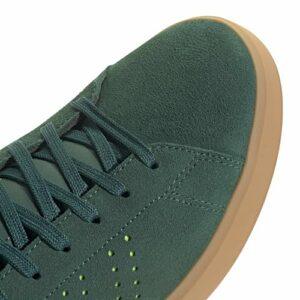
Canvas Vans are thin and mold to your foot. Leather or suede models need more time and care to soften. The method you use depends on material, so always check material before you try heat, water, or aggressive stretching. Understanding the material makes how to break in vans shoes easier and safer.
Step-by-step guide to break in Vans shoes
These steps work for most Vans models. Use more gentle options for leather. Follow them in order for best results.
-
Wear them in short sessions
-
Put on thick socks and wear the Vans for 20–30 minutes indoors.
-
Increase time by 30 minutes each wear until they feel right.
-
Use a quality insole
-
Add a cushioned insole to improve comfort immediately.
-
Insoles reduce pressure points and help speed the break-in.
-
Try moleskin on hotspots
-
Cut moleskin to cover areas that rub, such as the heel or tongue.
-
This prevents blisters while you learn how to break in vans shoes.
-
Heat gently for canvas and suede
-
Put on thick socks, aim a hairdryer at the tight area for 20–30 seconds.
-
Move your foot and flex while warm. Let the shoe cool on your foot.
-
Do not overheat leather; use low heat only for a short time.
-
Use a shoe stretcher for lasting width
-
Insert a stretcher overnight for a small, controlled expansion.
-
Add a bunion or toe spacer attachment if needed for a tight toe box.
-
Softening with a damp towel (canvas only)
-
Dampen a towel and stuff it into the shoe overnight to shape.
-
Avoid soaking. Too much water can distort glue and sole.
-
Walk on varied surfaces
-
Walk on carpet, wood, and pavement to help the sole flex properly.
-
Short walks build shape without stress.
These steps combine to show how to break in vans shoes reliably and without damage.

Fast vs safe methods: trade-offs
Fast methods can produce quick comfort but may harm the shoe. Safe methods take time and preserve fit. Choose fast methods for canvas and safe, slow methods for leather and suede. My rule: start gentle and move faster only if the shoe and material respond well.
Preventing blisters and hotspots
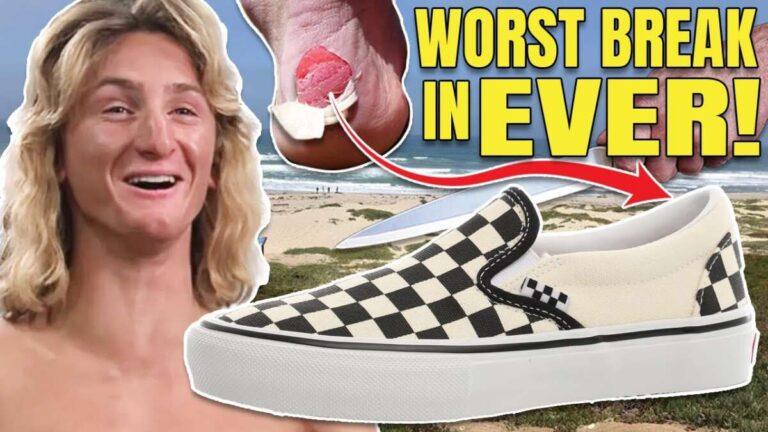
Blisters are the main reason people ask how to break in vans shoes. Use these preventions.
- Use breathable socks to reduce friction and moisture.
- Apply moleskin to any area that rubs before long wear.
- Use heel grips or gel pads for slippage.
- Keep feet dry; moisture raises blister risk.
These small moves save comfort from day one.
Troubleshooting common problems
Tight toes
- Try a toe stretcher or wear thicker socks with a hairdryer briefly.
Heel slip - Use heel grips or double up on socks until the shoe molds.
Creased or misshaped shoes
- Avoid soaking. Use a shoe tree or stuffed paper to restore shape.
Squeaking or stiffness
- Flex the sole by hand, then wear indoors on soft surfaces to loosen up.
These fixes are practical when you face issues while learning how to break in vans shoes.

Maintenance after breaking in
Once the shoe fits, protect it. Clean canvas with a gentle brush and mild soap. Condition leather or suede with proper care products. Store with shoe trees or paper to keep shape. Regular care keeps the shoes comfortable and slows wear.

Personal experience and lessons learned
I once tried boiling a pair of canvas Vans to speed break-in. It warped them and ruined the glue. Since then I use heat carefully and prefer slow wear and insoles. That mistake taught me to favor controlled methods over risky shortcuts when learning how to break in vans shoes.

Frequently Asked Questions of how to break in vans shoes
How long does it take to break in Vans shoes?
Most Vans take one to two weeks of short wear sessions to feel fully broken in. Canvas breaks in faster than leather.
Can I use water to stretch my Vans?
Light dampening helps canvas shape but avoid soaking or machine washing. Water can weaken glue and damage leather or suede.
Will a hairdryer ruin my Vans?
Used briefly and at low heat, a hairdryer can help with canvas and suede. Do not overheat leather or hold the dryer too close.
Are insoles a good solution for comfort?
Yes. Insoles reduce pressure and speed comfort without altering the shoe permanently. Choose the right thickness to keep proper fit.
How do I stop blisters while breaking in new Vans?
Use moleskin, cushioned socks, or heel grips to prevent friction. Increase wear time slowly to let skin adapt.
Can I use a shoe stretcher for Vans?
A shoe stretcher works well for small width or toe-box issues, especially on leather and canvas. Use it gradually to avoid over-stretching.
Conclusion
Breaking in Vans shoes is a mix of patience, the right tools, and gentle heat or stretch when appropriate. Start with short wears, add insoles or moleskin, and use a stretcher or low heat only when needed. If you follow these steps, you will speed comfort without hurting fit or material. Try one method at a time, see what your Vans respond to, and share your results or questions below to help others.

Rubel Miah is the Senior Editor at MyStyleGrid.com, where he brings a sharp editorial eye and an unshakable love for fashion to everything he does. A true style addict, Rubel lives and breathes trends, from streetwear to high fashion, and has a knack for turning inspiration into impactful stories. With years of experience in fashion journalism and digital media, he curates content that empowers readers to express themselves through style. When he’s not editing features or forecasting the next big thing, you’ll find him hunting down vintage pieces or capturing street style moments around the city.