Barefoot shoes can help many people with flat feet, but success depends on a gradual transition and proper fit.
I’ve worked with runners and shoe testers for years. I’ll explain how barefoot shoes work, when are barefoot shoes good for flat feet, and when you should avoid them. This guide mixes research, clinical insight, and real-world tests so you can make a clear choice about barefoot shoes for flat feet.

How barefoot shoes work: simple mechanics and body response
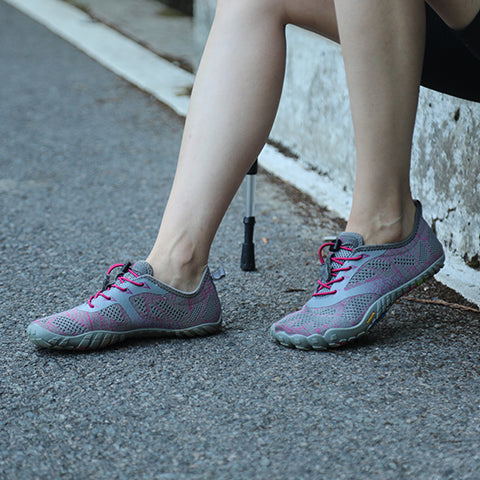
Barefoot shoes give a low-profile sole and wide toe box. They let the foot move more naturally. The idea is to let muscles and joints do more work. This can improve balance and foot strength over time.
When you ask "are barefoot shoes good for flat feet", think of them as a training tool. They do not magically fix structure. They change loading and muscle use. For some people, that change is helpful. For others, it causes pain.
Understanding flat feet: types, causes, and what matters
Flat feet means the arch is lower or collapses when you stand. Some people have flexible flat feet. Others have rigid flat feet. Causes include genetics, tendon problems, injury, and obesity.
Symptoms to watch for:
- Foot and ankle pain during or after activity.
- Knee, hip, or lower back discomfort that may stem from foot posture.
- Quick fatigue in the foot and calf muscles.
Knowing your flat feet type helps answer if are barefoot shoes good for flat feet for you. Flexible flat feet often respond better to strengthening approaches. Rigid flat feet or painful deformities usually need professional care.

Are barefoot shoes good for flat feet? Research and expert view
Short answer: results vary by person. Research shows barefoot-style shoes can increase foot muscle activity. Some studies link them to improved arch support over months. Other studies show no change or increased symptoms in certain people.
Key clinical points:
- If you have flexible flat feet and no severe pain, barefoot shoes may help strengthen the foot.
- If you have tendon damage, arthritis, or a rigid deformity, barefoot shoes may worsen symptoms.
- Gradual load increase is critical. Doing too much too fast raises injury risk.
When asking are barefoot shoes good for flat feet, consider the context: activity level, pain, age, weight, and previous injuries. Talk with a foot specialist when pain or structural issues are present.

Benefits of barefoot shoes for flat feet
- Improved foot muscle strength over time when combined with exercises.
- Better toe splay and balance from a wide toe box.
- Enhanced proprioception that can improve gait and posture.
- Lighter footwear that can reduce fatigue in some walkers and runners.
- Potential reduction in overuse injuries for those who transition slowly.
These benefits explain why many people ask are barefoot shoes good for flat feet as a way to build natural support rather than rely solely on arch inserts.

Risks and limitations to know
- Increased strain on calf muscles and Achilles tendon if you switch suddenly.
- Possible pain in the arch or medial ankle for people with tendonitis.
- Not a substitute for orthotics when structural support or correction is needed.
- May not suit high-impact athletes without a careful plan.
- Results can take months, so short-term discomfort is common.
If you feel sharp pain, swelling, or long-lasting soreness, stop and consult a clinician. These risks are why careful progression matters when you wonder are barefoot shoes good for flat feet.

How to transition safely to barefoot shoes with flat feet
- Start with short, easy walks of 10–15 minutes in barefoot shoes.
- Add foot-strengthening exercises 3 times a week, such as toe curls, arch lifts, and calf raises.
- Increase time in barefoot shoes by 10–20% each week.
- Mix barefoot shoes with supportive shoes during activity to manage load.
- Monitor pain and swelling. If pain lasts more than 48 hours, reduce use and seek advice.
This stepwise plan helps reduce the common mistakes people make when testing if are barefoot shoes good for flat feet for themselves.

Choosing the right barefoot shoe for flat feet
Look for these features:
- Wide toe box to allow toes to spread naturally.
- Thin, flexible sole with some ground feel but enough protection.
- Zero or very low heel-to-toe drop to encourage a natural foot strike.
- Roomy forefoot with a secure midfoot fit to avoid slipping.
- Removable insole so you can add a thin orthotic if needed.
Try shoes on and walk in them for at least 10 minutes in the store. If you already wonder are barefoot shoes good for flat feet, testing fit and comfort is a big part of the answer.

Personal experience and practical tips from testing barefoot shoes
I have guided runners and patients through barefoot transitions. I once recommended barefoot shoes to a runner with flexible flat feet. He improved his arch strength and pain after 4 months. I also saw a patient with posterior tibial tendon pain worsen when she switched too fast.
Lessons learned:
- Patience matters. Expect small gains over months.
- Combine shoes with exercises for the best outcome.
- Use supportive shoes for long runs or heavy loads early on.
- Track pain levels and adjust quickly.
These real stories show how the question are barefoot shoes good for flat feet depends on how you test them.

Quick questions people ask about barefoot shoes and flat feet
Will barefoot shoes fix my flat feet?
Barefoot shoes alone rarely fix flat feet. They can strengthen foot muscles and improve function for many people over time.
How long until I see benefits?
Most people notice changes in strength or comfort in 8 to 12 weeks with consistent use and exercises.
Can kids with flat feet wear barefoot shoes?
Many children adapt well, but get a professional check for painful or rigid flat feet first.
Should I use orthotics with barefoot shoes?
Thin, minimal orthotics may help during the transition. For structural issues, full orthotics may still be needed.
Is barefoot running safe for flat feet?
It can be safe if you build slowly, keep mileage low at first, and combine strengthening work.
Frequently Asked Questions of are barefoot shoes good for flat feet
Are barefoot shoes suitable for people with severe flat feet?
They are often not the best first choice for severe or rigid flat feet. A clinician may recommend orthotics or other treatments first.
Can barefoot shoes cause new injuries for flat-footed people?
Yes, rapid transition can cause calf strain, Achilles issues, or plantar pain. Slow progression reduces this risk.
How do I know if my flat feet are flexible or rigid?
If your arch appears when you lift your toes or stand on tiptoe, it is often flexible. A clinician can assess rigidity more accurately.
Are barefoot shoes better than cushioned shoes for flat feet?
Neither is universally better. Barefoot shoes can build foot strength. Cushioned shoes offer immediate support and symptom relief.
Should I consult a podiatrist before trying barefoot shoes?
If you have pain, prior injuries, or medical conditions, consult a podiatrist or physical therapist before switching.
(End of FAQ section)
Conclusion
Barefoot shoes can be helpful for many people with flexible, non-painful flat feet. They can build strength, improve toe function, and enhance balance when used slowly and with the right exercises. They are not a universal fix for all flat feet, and people with pain, tendon problems, or rigid deformities should seek professional guidance.
Try a careful test: start slow, pair shoes with foot exercises, and track how your feet feel. If you’re curious, experiment safely and share your results or questions below — I’d love to hear about your experience and help guide your next steps.

Rubel Miah is the Senior Editor at MyStyleGrid.com, where he brings a sharp editorial eye and an unshakable love for fashion to everything he does. A true style addict, Rubel lives and breathes trends, from streetwear to high fashion, and has a knack for turning inspiration into impactful stories. With years of experience in fashion journalism and digital media, he curates content that empowers readers to express themselves through style. When he’s not editing features or forecasting the next big thing, you’ll find him hunting down vintage pieces or capturing street style moments around the city.