These boots are usually called ankle boots, but their exact name depends on height, shape, heel, and closure.
If you have seen a pair online and wondered what are these boots called, you are not alone. Boot names can change by small details, such as a side zipper, western stitch, chunky sole, or knee-high shaft. This guide explains the most common boot types, how to identify them, and which search terms will help you find the right pair.

What are these boots called?
The safest general answer is ankle boots if the boot ends near or slightly above the ankle. This name covers many popular styles, including Chelsea boots, combat boots, lace-up boots, cowboy boots, and heeled ankle boots.
When people ask what are these boots called, they often want the specific style name. To identify it, look at four main features:
• Shaft height: This is the part of the boot that covers your leg.
• Closure: Check for laces, a zipper, elastic panels, buckles, or no closure.
• Toe shape: The toe may be round, square, pointed, almond-shaped, or moc-shaped.
• Sole and heel: The boot may have a flat sole, lug sole, block heel, stiletto heel, or platform.
A photo can help, but a name alone may not give a complete answer. For example, “black ankle boots” describes the height and color, while “black leather Chelsea boots” describes the height, material, and design.

Common types of boots and their names
Ankle boots
Ankle boots end around the ankle bone or rise a few inches above it. They are among the most useful boots because they work with jeans, skirts, dresses, and casual trousers.
Common examples include:
• Heeled ankle boots
• Flat ankle boots


• Pointed-toe ankle boots
• Platform ankle boots
• Western ankle boots
• Zip-up ankle boots
If you are unsure what are these boots called and the shaft is short, “ankle boots” is usually the best starting term.
Chelsea boots
Chelsea boots have a close fit and elastic side panels. They often have a pull tab at the front or back, which makes them easy to put on.
Classic Chelsea boots have a low heel and a smooth, simple shape. Lug-sole Chelsea boots have a thick, toothed sole and look more rugged. In the United States, both men and women wear Chelsea boots with jeans, work clothes, and smart-casual outfits.
Combat boots
Combat boots usually have laces, a strong sole, and a sturdy shape. Traditional military designs may rise above the ankle, while fashion versions can be shorter or much taller.
If the pair has metal eyelets, thick laces, and a lug sole, the answer to what are these boots called may be combat boots or lace-up combat boots. Some fashion boots borrow the combat look without offering the support or durability of true work boots.
Lace-up boots
Lace-up boots are named for their closure rather than one exact style. They can be dressy, casual, rugged, or designed for hiking.
This broad group includes:
• Service boots
• Combat boots
• Work boots
• Hiking boots


• Derby boots
• Victorian-inspired boots
Use “lace-up ankle boots” when the boots are short. Use “lace-up knee-high boots” when the shaft reaches the knee.
Cowboy boots and western boots
Cowboy boots have a tall shaft, a slanted heel, and a pointed, square, or rounded toe. Many have decorative stitching on the shaft.
Western ankle boots have the same design influence but end near the ankle. Some have pull tabs, while others use a side zipper. If the boots have western stitching and a cowboy-style heel, search for “western boots” even if they are not traditional riding boots.
Riding boots
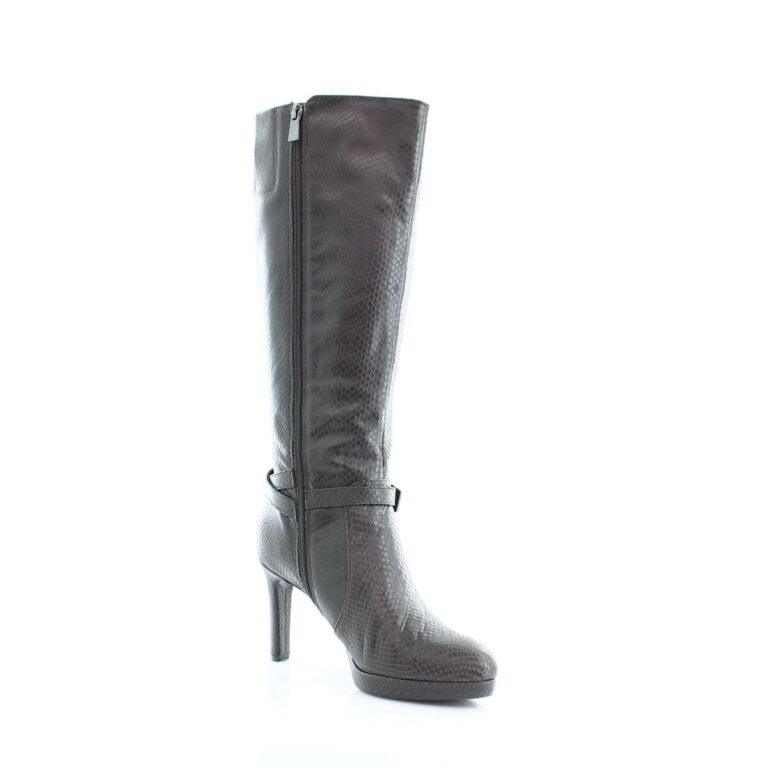
Riding boots usually have a tall shaft that reaches below or around the knee. They often have a low heel and a clean, fitted shape.
Traditional riding boots were made for horseback riding. Fashion riding boots may look similar but may not have the same leather, grip, flexibility, or safety features. This difference matters if you plan to ride rather than wear them as everyday fashion.
Knee-high boots
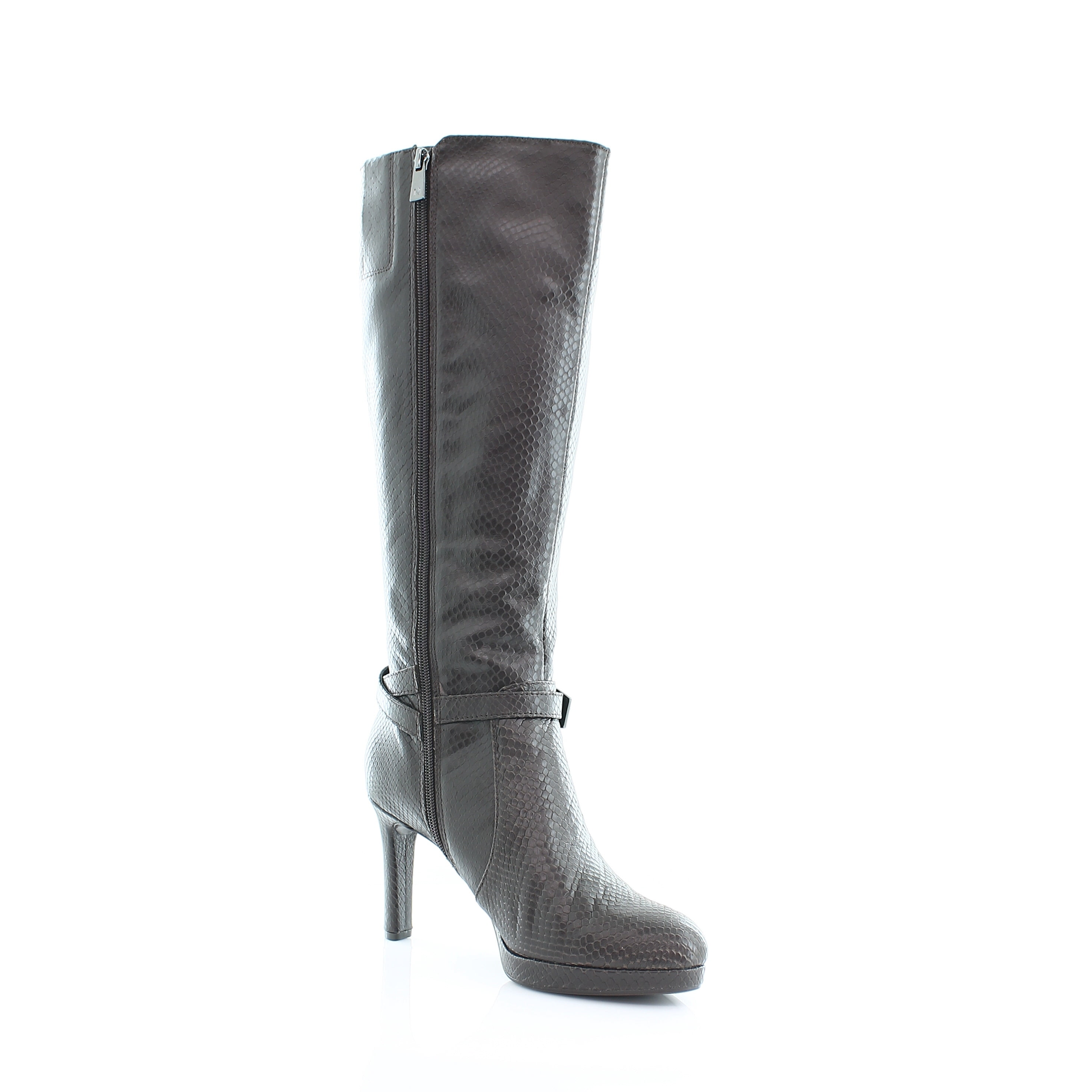
Knee-high boots reach close to the knee. They may be flat, heeled, fitted, slouchy, leather, suede, or made from synthetic material.
A pair can be both knee-high boots and riding boots if it has a riding-style shape. “Knee-high” explains the height, while “riding,” “western,” or “dress” explains the design.
Over-the-knee boots
Over-the-knee boots extend above the knee and may reach the lower thigh. They often have a close fit and may include stretch panels to keep them in place.
These boots can be flat or heeled. When searching, try terms such as “flat over-the-knee boots,” “suede over-the-knee boots,” or “stretch thigh-high boots.”
Thigh-high boots
Thigh-high boots rise higher than over-the-knee boots. They cover much of the upper leg and often have a fitted shaft.
The terms over-the-knee and thigh-high are sometimes used in the same way. In general, thigh-high describes a taller boot that reaches farther up the leg.
Chukka boots
Chukka boots are low ankle boots with a simple shape and a small number of lace eyelets. They often use suede or leather and have a thin rubber or leather sole.
Chukkas are less bulky than combat boots. They are a good choice for casual outfits, chinos, dark jeans, and relaxed office clothing.


Desert boots
Desert boots are a casual type of chukka boot. They often have a soft suede upper and a crepe-style rubber sole.
The terms overlap, but desert boots usually have a softer, more relaxed look. Chukka boots can be more formal and may use polished leather.
Work boots
Work boots are made for protection, support, and long wear. They may include a safety toe, slip-resistant sole, waterproof lining, electrical hazard protection, or strong ankle support.
Do not assume a fashion boot is a work boot because it has a thick sole. Check the product label for safety ratings and intended use before wearing it on a job site.
Hiking boots
Hiking boots are built for trails and uneven ground. They commonly have a grippy outsole, padded collar, firm midsole, and laces that help secure the foot.
A casual boot may look like a hiking boot but lack traction and support. For real hikes, fit and sole grip matter more than appearance.
Duck boots
Duck boots have a waterproof rubber lower section and a fabric or leather upper. The rubber toe and bottom help keep water and slush away from the foot.
They are useful in rain, snow, and wet ground. Their warmest versions may include insulation, but not every duck boot is designed for extreme cold.
Rain boots
Rain boots are made mainly to keep water out. They may be short, mid-calf, or knee-high, and many use rubber or waterproof synthetic materials.
A rain boot is not always breathable or warm. For long walks, look for a comfortable footbed, flexible upper, and lining that helps manage moisture.
Snow boots
Snow boots are designed for cold and wet conditions. They may include insulation, waterproof construction, a tall shaft, and a sole made for snow or ice.
The best pair depends on temperature and activity. A heavily insulated boot can feel too warm for mild weather, while a light winter boot may not be enough for deep snow.
Lug-sole boots
Lug-sole boots have deep grooves or teeth on the outsole. The design can improve traction and gives the boot a bold, rugged look.
A lug sole does not automatically make a boot suitable for hiking or work. The upper, midsole, fit, and safety design also matter.


How to identify boots from a photo
If you want to know what are these boots called from an image, use a simple visual check. Start from the bottom of the boot and work upward.
- Check the height
Look at where the boot ends. It may stop at the ankle, mid-calf, knee, or upper thigh.
- Check the closure
Look for:
• Laces, which suggest lace-up, combat, hiking, or work boots
• Elastic side panels, which suggest Chelsea boots
• A side zipper, which is common on fashion and riding boots
• Pull tabs, which may appear on Chelsea, cowboy, or pull-on boots
• Buckles, which often appear on biker, harness, or fashion boots
- Study the heel
A slanted heel may suggest a cowboy boot. A low stacked heel may point to a riding boot. A high block or stiletto heel usually signals a fashion boot.
- Look at the toe
A pointed toe often looks dressy or western. A square toe can look modern or work-inspired. A round toe is common in casual, combat, hiking, and work boots.
- Examine the sole
A smooth sole looks more formal. A lug sole looks more rugged. A wedge sole is common in work boots, while a crepe sole often appears on desert boots.
- Note the material
Leather, suede, rubber, canvas, and synthetic leather each suggest different uses. Material alone does not prove quality, but it can narrow the search.
- Combine the terms
Instead of searching “what are these boots called,” describe the details. Try:
• Black leather Chelsea ankle boots
• Brown suede chukka boots
• Cream knee-high heeled boots
• Lace-up lug-sole combat boots
• Western ankle boots with side zipper
This method is more effective than using a single broad label.

Boot names based on height
Boot height is one of the easiest ways to narrow down the name. It also affects warmth, comfort, styling, and movement.
Ankle-height boots
These stop near the ankle. They are easy to wear with cropped jeans, straight-leg pants, dresses, and skirts.
Mid-calf boots
Mid-calf boots reach partway up the lower leg. They may be western, riding-inspired, work-style, or winter boots.
Knee-high boots
Knee-high boots end close to the knee. They offer more coverage and often look polished with dresses, leggings, and slim pants.
Over-the-knee boots
These extend above the knee. They may be fitted, loose, flat, or heeled.
Thigh-high boots
These cover the upper thigh and create the tallest silhouette. They usually need a close fit or a stay-up design to prevent slipping.

Boot names based on design details
Many boot names describe a special feature rather than the full category. Learning these terms makes online shopping much easier.
Biker boots
Biker boots often have a thick sole, strong leather, metal hardware, and one or more straps. Some are made for motorcycling, while others are only fashion boots.
Harness boots
Harness boots have straps that wrap around the boot and connect to a metal ring. They can look similar to biker boots but have a more distinct strap system.
Engineer boots
Engineer boots are pull-on boots with a rounded toe, sturdy sole, and adjustable strap. They were designed for practical work and later became part of American fashion.
Platform boots
Platform boots have a thick sole under the front of the foot. They may also have a heel, but the raised front reduces the angle between the foot and the ground.
Wedge boots
Wedge boots have a heel that runs under much or all of the foot. They can offer a steadier feel than a narrow heel, although comfort still depends on fit and construction.
Sock boots
Sock boots have a stretchy, close-fitting shaft that hugs the ankle or calf. They often use knit fabric, stretch suede, or elastic synthetic material.
Pull-on boots
Pull-on boots have no laces or zipper. They may use pull tabs or a wide opening, as seen in many cowboy, Chelsea, and work boot designs.
Moc-toe boots
Moc-toe boots have stitching around the toe that resembles a moccasin. This style is common in work boots and casual heritage footwear.
How boot names affect shopping and fit
Knowing what are these boots called helps you find similar products, but the name is only the first step. Two boots with the same label can feel very different.
Pay attention to these details:
• Width: Look for regular, wide, or extra-wide options if your feet need more room.
• Instep: A high instep may make pull-on boots hard to wear.
• Calf fit: Tall boots should not pinch or leave a large gap unless that is the intended style.
• Toe room: Your toes should not press against the front of the boot.
• Heel slip: A small amount can happen in new pull-on boots, but major slipping can cause blisters.
• Arch support: Fashion boots may have limited support, so an insert can help.
• Sole grip: Deep tread helps on wet or uneven ground, but it can feel heavy indoors.
• Weather protection: Water-resistant and waterproof are not always the same.
One common mistake is choosing a boot by its photo alone. A sleek boot may have a narrow toe box, while a rugged boot may have a more comfortable shape. Check the sizing chart, return policy, shaft measurements, and customer comments before buying.

How to style different boot types
The right outfit depends on the boot’s shape, height, and visual weight.
Ankle boots
Wear ankle boots with straight-leg jeans, wide-leg trousers, midi skirts, or casual dresses. A small gap between the boot and pant hem can make the outfit look intentional.
Chelsea boots
Chelsea boots work well with dark denim, chinos, wool trousers, and simple dresses. A lug sole creates a casual look, while a smooth leather sole looks more refined.
Combat boots
Balance combat boots with soft pieces, such as a knit dress or relaxed denim. They can also add structure to a simple T-shirt and jacket outfit.
Cowboy boots
Cowboy boots look natural with denim, but they do not require a full western outfit. Try them with a plain dress, wide-leg pants, or a denim jacket for a modern mix.
Knee-high boots
Knee-high boots pair well with skirts, sweater dresses, leggings, and slim trousers. Make sure the shaft does not bunch uncomfortably under your clothing.
Over-the-knee boots
Flat over-the-knee boots look casual with a long sweater or loose dress. Heeled versions create a dressier look, so keep the rest of the outfit simple.

Mistakes to avoid when naming boots
People often use broad terms that are close but not exact. That is normal, but these small differences can affect search results and product choice.
• Calling every tall boot a riding boot: Height alone does not define a riding boot.
• Calling every lace-up boot a combat boot: Lace-up is a closure, while combat describes a design style.
• Calling every waterproof boot a snow boot: Snow boots usually add insulation and cold-weather traction.
• Calling every thick-soled boot a work boot: Work boots may need safety features and certified protection.
• Calling every western boot a cowboy boot: Some western boots are fashion styles with shorter shafts and zippers.
• Using “leather” for synthetic material: Check the product details for full-grain leather, genuine leather, faux leather, or coated material.
A clear name often combines several terms. For example, “brown leather lace-up ankle boots with a lug sole” is more useful than simply saying “brown boots.”
What are these boots called if the photo is unclear?
When the image does not show the full boot, use the visible features and avoid guessing too narrowly. You can describe the pair as “ankle boots,” “tall boots,” or “lace-up boots” until more details are available.
A reverse image search may help, but it can return similar products rather than the exact pair. Product tags, brand pages, image captions, and customer reviews can provide better clues.
For the most accurate result, collect:
• The boot height
• The toe shape
• The heel shape
• The closure
• The sole pattern
• The material
• Any visible logo or stitching
This approach is more reliable than relying on color alone. Black boots can belong to dozens of styles, while a specific heel and closure can quickly narrow the choice.
Frequently Asked Questions
What are these boots called if they stop at the ankle?
They are usually called ankle boots or ankle booties. The more specific name may be Chelsea boots, combat boots, chukka boots, western ankle boots, or heeled ankle boots.
What are these boots called with elastic sides?
They are usually called Chelsea boots. Elastic side panels and pull tabs are the main features that separate Chelsea boots from many other ankle boot styles.
What are these boots called with laces and thick soles?
They may be combat boots, work boots, hiking boots, or lace-up lug-sole boots. The intended use, toe shape, sole, and overall design help identify the exact type.
What are these boots called that reach the knee?
They are called knee-high boots. They may also be described as riding boots, western boots, dress boots, or winter boots based on their shape and purpose.
What are these boots called that go above the knee?
They are usually called over-the-knee boots. If they extend well up the thigh, the term thigh-high boots may be more accurate.
Are booties and ankle boots the same thing?
In everyday US shopping language, booties usually mean short ankle boots. The terms often overlap, although “bootie” may suggest a shorter, more fashion-focused design.
How can I find boots from a picture?
Describe the boot’s height, closure, toe, heel, sole, and material in a search phrase. For example, try “black pointed-toe ankle boots with a block heel” instead of searching only for “black boots.”
Conclusion
The answer to what are these boots called depends on more than color or brand. Start with the boot height, then check the closure, toe, heel, sole, and material. Those details can reveal whether the pair is a Chelsea boot, combat boot, cowboy boot, riding boot, chukka, knee-high boot, or another style.
Use several descriptive terms when searching, and always check fit, purpose, weather protection, and safety features before buying. If this guide helped you identify a pair, use the same checklist on your next boot search and explore more footwear guides for better, more confident choices.

Madison Clark is a footwear expert and the voice behind MyStyleGrid.com. She specializes in honest shoe reviews, style tips, and practical guides to help readers find the perfect pair for any occasion. With years of experience in blogging and content creation, Madison makes footwear knowledge simple, stylish, and easy to follow.