Local sneaker resellers, consignment shops, pawn stores, and specialty buyers may buy your shoes for cash.
If you search “who buy shoes near me,” you likely want to sell used sneakers, designer shoes, boots, or a rare pair without shipping them. The best buyer depends on the shoe’s brand, condition, age, and local demand. This guide explains where to look, how offers work, what to bring, and how to avoid common selling mistakes.
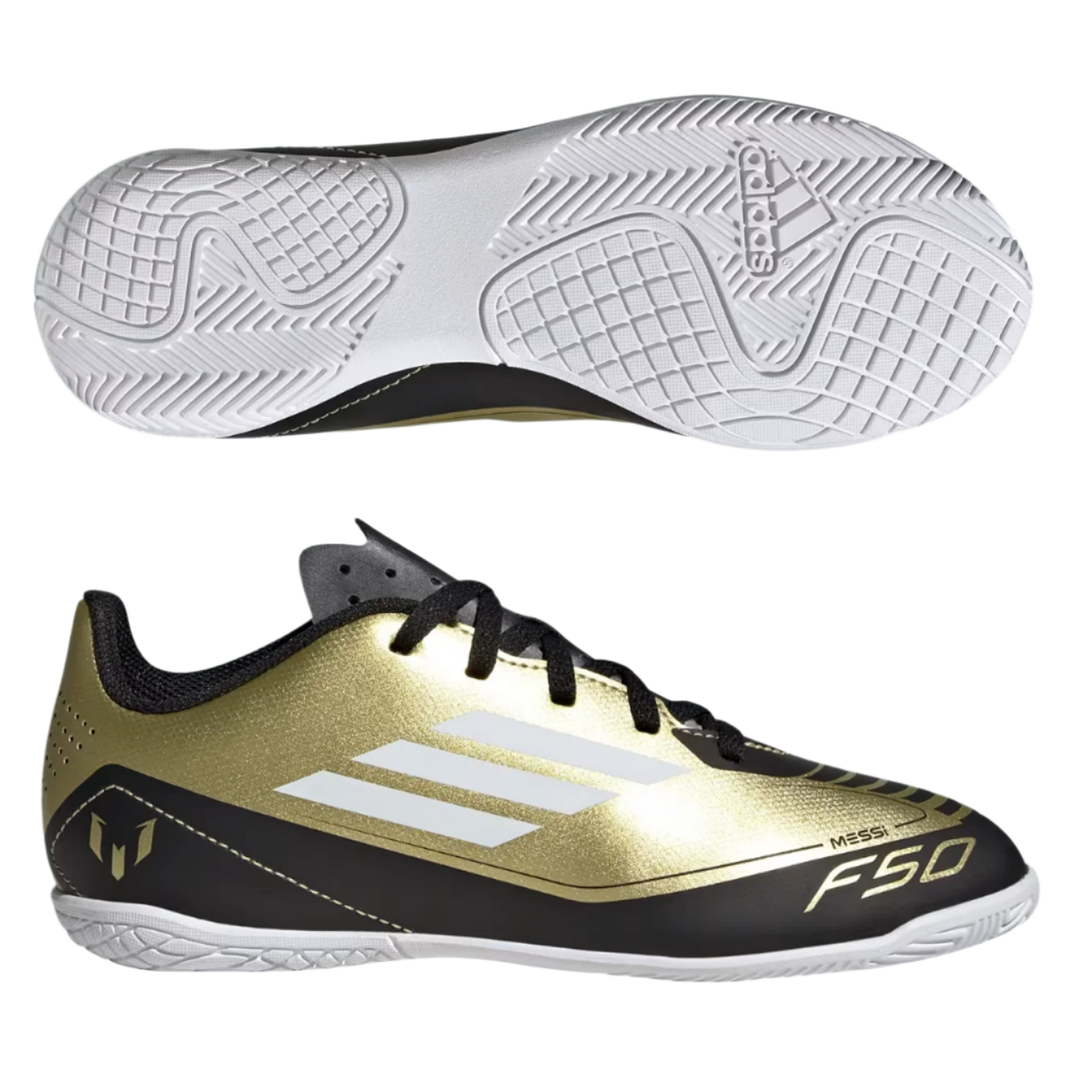
Who Buys Shoes Near Me?
Several types of local businesses may buy shoes. Each one serves a different market, so the highest offer may not always come from the closest store.
When searching for who buy shoes near me, check these options:
• Sneaker resale stores often buy popular sneakers, limited releases, and collectible shoes.
• Consignment shops sell your shoes for you and pay after the item sells.
• Pawn shops may offer quick cash, but their prices can be lower than specialist buyers.
• Used clothing stores may buy clean, fashionable shoes that fit current trends.
• Designer resale stores may accept luxury brands such as Gucci, Prada, Christian Louboutin, and Balenciaga.
• Vintage stores may buy older boots, sports shoes, and rare styles.
• Local shoe collectors may buy valuable or hard-to-find pairs directly.
• Children’s resale stores may buy gently used kids’ shoes, especially school and sports footwear.
A donation center may accept shoes, but it usually does not buy them. That difference matters. If your goal is cash, search for terms such as “shoe buyers,” “sneaker resale store,” “shoe consignment,” or “sell shoes for cash near me.”
How to Find Shoe Buyers in Your Area
Finding a buyer is easy when you use the right search terms and check the store before visiting. Business listings can be incomplete, so a quick phone call can save time.


Start with Google Maps, Apple Maps, Yelp, or local social media groups. Search several versions of the phrase who buy shoes near me because different stores use different business names.
Try searches such as:
• Who buy shoes near me
• Where can I sell used shoes near me
• Sneaker buyers near me
• Shoe consignment stores near me
• Sell designer shoes near me
• Used shoe stores that pay cash
• Sell Jordans near me
• Sell boots near me
Then review each listing carefully. Look for recent reviews, clear store hours, accepted brands, and photos of the shop. A store that sells only clothing may not have interest in worn athletic shoes.
Before you drive over, ask:
-
Do you buy shoes directly, or do you offer consignment only?
-
Which brands and sizes are you seeking?
-
Do you inspect shoes without an appointment?
-
Do I need an ID to sell?
-
Do you pay cash, store credit, check, or electronic payment?
-
Do you charge a selling or inspection fee?


A clear answer shows that the business has a real buying process. Vague answers, pressure tactics, or requests for unusual upfront payments deserve caution.

Which Shoes Usually Sell Best?
Not every pair has strong resale value. Buyers look for demand, condition, authenticity, size, and timing.
The most desirable shoes often include:
• Limited-edition sneakers
• Popular basketball shoes
• Clean running shoes from trusted brands
• Designer shoes with proof of purchase
• Western boots and work boots in good condition
• Vintage athletic shoes
• New or lightly worn shoes in common sizes
• Seasonal shoes, such as boots before winter


Brand alone does not guarantee a high offer. A common sneaker in poor condition may sell for less than a clean, older pair from a smaller brand.
Condition is one of the biggest factors. Buyers inspect the soles, insoles, fabric, stitching, odor, and signs of water damage. They may also check whether the shoe has been repaired or altered.
A pair with light wear, clean laces, and its original box is easier to sell. Strong odors, peeling material, deep creases, and badly worn soles can reduce the value or cause rejection.
How Shoe Buyers Set Their Offers
A local buyer must leave room for cleaning, storage, marketing, and profit. This means the store’s offer will usually be lower than the final retail or resale price.
A buyer may consider:
• The original retail price
• Current resale prices
• Brand demand
• Shoe size
• Condition
• Authenticity
• Seasonal demand
• Local customer interest
• Whether the shoe includes the box and accessories
For example, a popular sneaker may sell online for $150. A local store might offer $60 to $90 because it must cover business costs and accept the risk that the shoe may take weeks to sell.


Consignment works differently. The store displays and markets the shoes, then keeps an agreed percentage after they sell. You may earn more than with a direct sale, but payment takes longer and the shoes might not sell at all.
Ask the buyer to explain the offer. You do not need to accept the first price. A polite question such as “Can you tell me what affected the value?” may reveal whether cleaning, missing packaging, or market demand influenced the amount.
How to Prepare Shoes Before Selling
Preparation can improve the chance of acceptance. It can also help a buyer inspect the shoes quickly.
Follow these steps:
-
Clean the outside with a method suited to the material.
-
Remove dirt from the soles and tread.
-
Wash or replace dirty laces if appropriate.
-
Air out the shoes in a dry place.
-
Pair the shoes and check that both have matching sizes.
-
Find the original box, receipt, extra laces, or dust bags.
-
Take clear photos of the soles, tags, logos, and any flaws.
-
Write down the brand, model, size, and purchase date.
Do not hide damage with heavy paint, permanent dye, or harsh chemicals. These methods can reduce value and may make the shoes look misleading.
For leather, suede, and luxury shoes, use careful cleaning methods. Water can stain suede, while strong cleaners may damage leather. If the pair is expensive, professional cleaning may be worthwhile, but compare the cleaning cost with the likely selling price.
A lesson many sellers learn too late is that “clean” does not mean “new.” Be honest about wear. Trust helps you negotiate, and accurate descriptions reduce disputes.

What to Bring to a Local Shoe Buyer
Bring more than the shoes when possible. Extra details can help prove ownership and support a better offer.
Consider bringing:
• A government-issued photo ID
• The original receipt
• The shoe box
• Proof of online purchase
• Authentication paperwork
• Extra laces or tags
• Dust bags for designer shoes
• A payment record for valuable items
Many stores require identification because they buy secondhand goods and must follow local rules. Requirements vary by state and city, so call first.
For rare sneakers, photograph the purchase history and product label before your visit. Do not share sensitive personal information publicly. Show documents only to a legitimate business when needed.
If you sell online or through a social platform, meet in a public location. For high-value shoes, use a payment method with clear records. Be cautious when a buyer sends an overpayment and asks you to return part of it. That is a common scam pattern.
Direct Sale, Consignment, or Online Marketplace?
The right selling method depends on your priorities. Local shoe buyers are often best when you want speed and a simple transaction.
Local direct sale
A direct sale is fast. You bring the shoes to a store, receive an offer, and get paid if you accept.
Benefits include:
• Quick payment
• No shipping
• No online listing work
• Fewer messages from buyers
The main drawback is a lower offer. The store pays for convenience and assumes the resale risk.
Consignment
With consignment, the store sells the shoes and keeps a percentage. You may earn more than with a direct sale, but payment can take time.
Ask about:
• The commission rate
• The listing period
• Price reductions
• Unsold items
• Damage or theft
• When you receive payment
Read the agreement before leaving your shoes. A verbal promise is not enough for a valuable pair.
Online marketplaces
Online platforms can reach more buyers. This may help with rare brands, unusual sizes, or collectible shoes.
However, online selling can involve:
• Seller fees
• Shipping costs
• Returns
• Authentication delays
• Fraud attempts
• Time spent taking photos and answering messages
A local store is like selling to a neighbor: simple and fast. An online marketplace is like opening a small shop: it may reach more people, but it requires more work.

How to Avoid Shoe-Selling Scams
Most local shoe stores are legitimate, but sellers should still use common sense. A trustworthy business explains its process and provides clear terms.
Watch for warning signs such as:
• Pressure to accept an offer immediately
• No written consignment agreement
• Requests for gift cards or unusual fees
• A buyer who refuses to inspect the shoes
• Fake payment confirmations
• Requests to ship shoes before payment
• Offers far above realistic market prices
• A demand for your banking password or account login
Search for independent reviews, confirm the physical address, and inspect the store’s business information. For designer shoes or rare sneakers, consider an independent authentication service if the expected value is high.
Keep photos and records of the shoes before handing them over. If you leave shoes on consignment, request a receipt that lists the brand, model, size, condition, and date.
If a store rejects your shoes, do not take it personally. The store may already have too much inventory, lack customers for that brand, or have strict condition rules.
How Much Can You Get for Used Shoes?
There is no single price for used shoes. Value depends on the market, not only on what you paid.
A basic pair of worn shoes may bring a small amount. Clean, current styles may receive a stronger offer. Rare or highly demanded sneakers can be worth much more, especially when they are authentic and complete with the original packaging.
To estimate value:
-
Search the exact brand, model, and color.
-
Compare completed sales rather than only active listings.
-
Check several marketplaces and local stores.
-
Subtract selling fees, shipping, cleaning, and taxes.
-
Compare the final amount with the convenience of a local sale.
Do not assume a high listing price equals a high sale price. Some sellers list shoes for months without receiving a serious offer.
Local buyers may also adjust prices based on inventory. If a shop already has many black running shoes, it may offer less for another pair. Timing can help. Boots may attract more interest in fall, while sandals often move better in spring and summer.
When Donating Is Better Than Selling
Some shoes are worth selling. Others are better donated or recycled.
Donation may be the better choice when shoes are:
• Clean but low in resale value
• Gently worn but not fashionable
• Useful for work, school, or daily walking
• Too inexpensive to justify listing
Do not donate shoes with major mold, dangerous damage, or severe contamination. Follow the organization’s rules.
Some programs collect worn shoes for reuse or material recovery. Policies vary, so confirm what the organization accepts. A responsible donation center should explain whether shoes are given away, resold to fund programs, or recycled.
Selling is not always about earning the most money. Sometimes it is about saving time, clearing space, or keeping usable items in circulation.

A Simple Plan for Selling Shoes Near You
Use this process to make your search more efficient:
-
Gather every pair you may sell.
-
Separate shoes by brand, type, condition, and season.
-
Clean the pairs without damaging the material.
-
Photograph labels, soles, boxes, and flaws.
-
Search who buy shoes near me using several search terms.
-
Call two or three local buyers before visiting.
-
Ask whether each store buys directly or uses consignment.
-
Compare the offers and terms.
-
Keep receipts and written agreements.
-
Accept the sale only when you understand the payment and return rules.
This approach prevents wasted trips and helps you compare fair offers. It also turns a pile of old shoes into a clear list of items with different selling options.
Frequently Asked Questions About Who Buy Shoes Near Me
Who buy shoes near me for cash?
Sneaker resale stores, pawn shops, consignment stores, and some used clothing stores may buy shoes for cash. Call first because each business has different brand, condition, and payment rules.
Do shoe stores buy used shoes?
Most regular retail shoe stores do not buy used shoes. Secondhand stores, sneaker resellers, designer resale shops, and specialty buyers are more likely to purchase them.
Where can I sell old sneakers near me?
Try sneaker resale stores, local collectors, consignment shops, and online marketplaces. Clean sneakers with popular brands, original boxes, and limited releases usually have the best chance of selling.
Do pawn shops buy shoes?
Some pawn shops buy valuable sneakers, boots, and designer shoes. They may offer less than a specialist buyer because they need to resell the item quickly.
Should I use consignment or sell directly?
Choose direct selling when you want fast payment and fewer steps. Choose consignment when you can wait and believe the store can attract buyers willing to pay more.
How do I know if a local shoe buyer is trustworthy?
Check independent reviews, confirm the store address, ask for written terms, and avoid buyers who request unusual upfront payments. For valuable shoes, keep photos and proof of ownership.
Can I sell shoes with no box?
Yes, many buyers accept shoes without the original box. However, missing packaging may lower the offer, especially for collectible sneakers and luxury footwear.
Conclusion
The best answer to “who buy shoes near me” usually includes sneaker resale stores, consignment shops, pawn shops, designer resale businesses, and local collectors. Compare their buying rules, prepare your shoes carefully, and ask clear questions about payment, fees, and timing.
A clean pair with honest details has the best chance of earning a fair offer. Search local buyers today, contact two or three stores, and choose the option that balances price, safety, and convenience.

Rubel Miah is the Senior Editor at MyStyleGrid.com, where he brings a sharp editorial eye and an unshakable love for fashion to everything he does. A true style addict, Rubel lives and breathes trends, from streetwear to high fashion, and has a knack for turning inspiration into impactful stories. With years of experience in fashion journalism and digital media, he curates content that empowers readers to express themselves through style. When he’s not editing features or forecasting the next big thing, you’ll find him hunting down vintage pieces or capturing street style moments around the city.