Yes, most REEF sandals can get wet, but water exposure may affect materials, comfort, and long-term durability.
Wondering can REEF sandals get wet before a beach trip, pool day, or sudden rainstorm? The answer depends on the sandal’s materials, construction, and care label. Most rubber, EVA, and synthetic REEF styles handle light water well, while leather and suede versions need more care. This guide explains what happens when REEF sandals get wet, how to dry them safely, and when water exposure may cause damage.
Can REEF sandals get wet?
Yes, REEF sandals can get wet. Many popular styles use rubber, EVA foam, synthetic straps, or water-friendly materials made for warm weather and casual outdoor use.
However, “can get wet” does not always mean “fully waterproof.” A sandal may survive rain or a walk by the pool but still suffer from odor, color changes, stretched straps, or weakened glue after repeated soaking.
The safest answer is this: check the care label for your exact model. REEF makes many types of sandals, and a leather sandal needs different care than a rubber or EVA pair.

What happens when REEF sandals get wet?
The result depends on the sandal’s materials. Water affects each part in a different way.
Rubber and EVA footbeds
Rubber and EVA are common in water-friendly sandals. They do not absorb much water, so they usually dry fast and keep their shape after light exposure.
EVA is a light foam often used in athletic slides and beach sandals. It may become slippery when wet, but water alone usually does not ruin it.
Synthetic straps
Synthetic webbing and man-made straps often tolerate rain, splashes, and brief contact with water. Still, dirt, salt, and chlorine can collect in the fibers.
If the straps stay damp for too long, they may develop a musty smell. Rinsing and air drying can help prevent this problem.
Leather uppers
Leather can get wet, but repeated soaking is risky. Water may cause leather to darken, stiffen, crack, or lose its natural finish.
Leather also needs slow drying. Direct heat can pull moisture from the material and make it brittle.
Suede and nubuck
Suede and nubuck are more sensitive than smooth leather. Water can leave dark spots, rings, or a rough texture.
A small splash may not cause lasting harm, but a full soak can be difficult to reverse. These styles are best kept away from pools, ocean water, and heavy rain.
Glues and footbed layers
Water may reach the glue that joins the upper, footbed, and sole. One brief splash is rarely a concern, but repeated soaking can weaken those bonds over time.
This is one reason a sandal can look fine after getting wet but start separating weeks later.

Are REEF sandals waterproof or water-resistant?
Most REEF sandals should be viewed as water-resistant rather than completely waterproof. Water-resistant footwear can handle some moisture, but it is not designed to stay submerged for long periods.
A waterproof product normally has sealed seams, water-blocking materials, or a specific waterproof design. Many casual sandals do not have those features because they focus on comfort, airflow, and flexible movement.
When asking can REEF sandals get wet, consider the type and amount of water:
• Light rain is usually low risk for rubber and synthetic sandals.
• A short splash at the pool is usually manageable.
• Ocean water can leave salt behind and may require rinsing.
• Chlorinated pool water can dry or fade some materials.
• Full submersion may damage leather, suede, padding, or adhesives.
• Daily wet use can shorten the life of almost any sandal.
A product page may use terms such as “water-friendly,” “beach-ready,” or “quick-drying.” These terms are useful, but they do not always mean the sandal is waterproof. Always follow the instructions for the exact model.
Which REEF sandals handle water best?
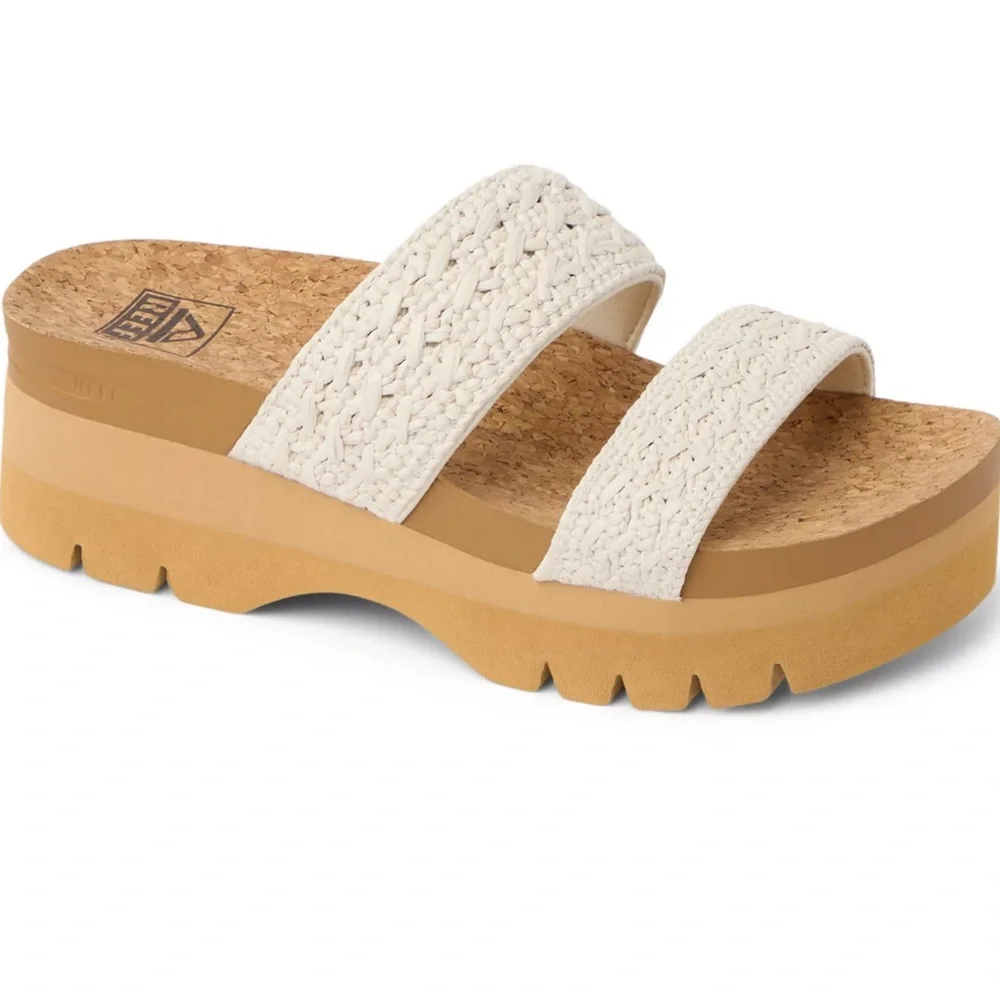
Some REEF sandals are better suited to water than others. Materials are the best clue.
Better choices for wet conditions
Look for sandals made with:
• Rubber outsoles
• EVA foam
• Synthetic straps
• Quick-drying webbing
• Molded footbeds
• Nonabsorbent or water-friendly materials
These styles are often suitable for beach walks, boat decks, pool areas, and light rain. They may still become slippery, so walk with care on wet tile or smooth rocks.
Styles that need more protection
Use extra care with:
• Smooth leather
• Suede
• Nubuck
• Fabric lining
• Cork footbeds
• Padded leather straps
• Sandals with decorative metal or untreated parts
These materials may absorb water or change appearance after exposure. If the product description does not mention water use, assume it is not made for soaking.
A practical model check
Before taking any REEF sandals into water, inspect the product page and inside label. Look for care terms such as “spot clean,” “do not submerge,” or “air dry.”
If instructions are unclear, treat the sandals as water-resistant at most. It is easier to protect a sandal than to repair a swollen footbed or separated sole.
How to dry wet REEF sandals safely
Drying REEF sandals the right way matters as much as preventing water damage. Fast heat can be more harmful than the water itself.
Follow these steps:
-
Remove loose dirt and sand. Shake the sandals outdoors, then brush away grit with a soft brush.
-
Rinse away salt or chlorine. Use cool, clean water if the sandals were exposed to ocean water or a pool.
-
Blot excess moisture. Press the sandals with a clean towel. Do not twist or wring the straps.
-
Open the straps. Separate overlapping sections so air can reach the damp areas.
-
Air dry in a cool place. Keep the sandals in shade with good airflow.
-
Keep their shape. Place a soft towel inside or under the straps if they begin to curl.
-
Check before wearing. Make sure the footbed and straps feel dry to reduce rubbing and blisters.
Avoid these common drying mistakes:
• Do not use a hair dryer on high heat.
• Do not place sandals on a radiator.
• Do not leave wet leather in direct sun for hours.
• Do not store damp sandals in a bag.
• Do not wear them for long periods while they are still wet.
In practical footwear care, slow drying is the simple rule that prevents many problems. Think of wet leather like wet wood: too much heat can make it warp and crack.
How to clean REEF sandals after water exposure
Water alone may not cause the biggest problem. Salt, chlorine, mud, sunscreen, and body oils can remain on the sandal after it dries.
For rubber, EVA, and synthetic styles, use this method:
• Mix cool water with a small amount of mild soap.
• Wipe the footbed and straps with a soft cloth or soft toothbrush.
• Rinse away soap residue.
• Blot with a towel.
• Air dry fully before wearing or storing.
Do not use bleach, strong solvents, or harsh household cleaners. These products may fade colors, weaken straps, or damage the surface.
For leather REEF sandals, wipe away moisture and dirt with a damp cloth. Once dry, use a leather conditioner only if the care instructions allow it. Test any conditioner on a hidden area first.
For suede or nubuck, let the sandal dry before brushing it with a suede brush. Avoid soaking it again while trying to remove a water mark.
Can salt water and pool water damage REEF sandals?
Salt water and pool water can affect sandals in different ways. Salt may dry on the surface and leave a white crust. Chlorine may dry certain materials or cause gradual fading.
If REEF sandals get wet at the beach, rinse them with fresh water as soon as possible. Pay attention to the footbed, strap seams, and areas where sand can collect.
After a pool visit, rinse away chlorine and let the sandals air dry. Do not seal them in a hot car or closed beach bag while they are damp.
Metal buckles and decorations also need care. Salt and chlorine can speed up corrosion on some metals, especially when residue remains on the surface.
A quick rinse takes less than a minute and can protect the sandal from buildup. This small habit is especially helpful for people who wear the same pair all summer.
How to prevent odor after REEF sandals get wet
Damp sandals can smell because moisture helps bacteria grow. Sweat, sunscreen, dirt, and dead skin can make the odor worse.
Use these simple steps:
• Rinse away salt, chlorine, and dirt.
• Clean the footbed with mild soap when needed.
• Let the sandals dry completely between uses.
• Rotate between two pairs on long trips.
• Store them in an open, dry space.
• Avoid wearing damp sandals for an entire day.
Do not cover the sandals with heavy fragrance. Perfume may hide the smell for a short time but will not remove the cause.
Baking soda can help with some rubber styles, but test it first. It may leave a powdery film or affect certain finishes. Follow the manufacturer’s care advice when possible.
Can you wear REEF sandals in the shower, pool, or ocean?
You may be able to wear some REEF sandals in the shower, pool, or ocean, but the model matters. Water-friendly rubber and synthetic styles are usually the safest choices.
Pool decks and showers create a separate risk: slipping. Even if the sandal itself handles water well, the outsole may lose traction on smooth wet surfaces.
Ocean use adds sand and salt. Sand can work into buckles, footbeds, and strap seams. Rinse the sandals after use and check for trapped grit before walking long distances.
Leather, suede, nubuck, and heavily padded styles are poor choices for regular water use. They may survive an unexpected splash, but they are not ideal for swimming areas or repeated beach trips.
My practical rule is simple: use water-friendly sandals for water activities and keep dressier leather sandals for dry ground. This avoids most preventable damage.
Common mistakes to avoid when REEF sandals get wet
Many sandal problems happen during cleanup, not during the original water exposure.
Avoid these mistakes:
• Leaving wet sandals in a closed bag.
• Drying them with a heater or hair dryer.
• Scrubbing leather with a hard brush.
• Using bleach or strong detergent.
• Storing them before the footbed is dry.
• Wearing them for long walks while soaked.
• Ignoring a loose sole or broken strap.
• Assuming every REEF model has the same water rating.
Wet straps can also rub the skin. If you must walk in damp sandals, shorten the trip and watch for hot spots. A small blister can become painful fast, especially when sand gets into the area.
If the sole begins to separate, stop wearing the sandals in water. Moisture may make the separation worse and increase the chance of a trip or fall.
How long do REEF sandals take to dry?
Drying time varies by material, humidity, airflow, and how wet the sandal became. Rubber and EVA may dry within a few hours, while padded straps and leather can take much longer.
Place the sandals in a shaded area with moving air. A fan on a low, cool setting can help, but keep it at a safe distance and avoid heat.
Do not judge dryness only by the outside. Press the footbed and check beneath the straps. Hidden moisture can create odor and may weaken layered materials.
If REEF sandals get wet at night, let them dry overnight before wearing them the next morning. If they still feel cool, damp, or soft in certain areas, give them more time.
When should you replace wet REEF sandals?
Water exposure does not automatically mean you need new sandals. Replace them when damage affects safety, comfort, or support.
Look for these warning signs:
• The sole separates from the upper.
• The footbed stays soft, swollen, or misshapen.
• Straps become loose or crack.
• The outsole loses important tread.
• Leather develops deep cracks.
• The sandal smells bad even after cleaning and drying.
• Your foot slides more than it did before.
A cosmetic mark may not matter if the sandal remains safe and comfortable. A loose strap or worn outsole is more serious because it can cause a fall.
For a valuable or leather pair, a shoe repair professional may be able to replace a sole or repair stitching. Do not rely on household glue for a high-stress repair unless the product maker specifically recommends it.
How to choose REEF sandals for wet weather
If you expect rain, beach water, or pool use, shop by material and care instructions rather than appearance alone.
Use this checklist:
-
Choose rubber, EVA, or synthetic materials.
-
Look for water-friendly or quick-drying language.
-
Check whether the outsole has clear traction.
-
Avoid untreated leather and suede for regular water use.
-
Select secure straps that will not loosen when wet.
-
Pick a footbed that does not absorb much water.
-
Read the cleaning and drying directions before buying.
-
Consider how easily sand can leave the straps and sole.
A good water sandal should feel secure when wet, dry within a reasonable time, and clean without special treatment. It should also fit well, since wet feet can move more inside a loose sandal.
No sandal is perfect for every setting. A beach sandal may be comfortable on sand but less stable on slick tile. Match the design to the place where you plan to wear it.
Frequently Asked Questions About Can REEF Sandals Get Wet
Can REEF sandals get wet in the rain?
Yes, most rubber and synthetic REEF sandals can handle light rain. Dry them in a shaded, ventilated place afterward, and use extra care if the pair has leather, suede, or absorbent padding.
Can I wash REEF sandals with water?
Many rubber, EVA, and synthetic styles can be cleaned with cool water and mild soap. Avoid soaking leather or suede unless the care instructions clearly permit it.
Can REEF sandals go in the washing machine?
Do not place REEF sandals in a washing machine unless the product instructions specifically approve it. Machine movement, heat, and strong detergent can damage straps, footbeds, glue, and surface finishes.
Can REEF leather sandals get wet?
Leather REEF sandals can survive a small splash, but repeated soaking may cause stiffness, stains, cracking, or shape changes. Blot them, let them dry naturally, and use an approved leather conditioner if needed.
Can I wear REEF sandals in the ocean?
Water-friendly rubber and synthetic REEF sandals may work well in the ocean, but rinse them with fresh water afterward. Salt and sand can leave residue, cause odor, and wear down some parts over time.
Why do my REEF sandals smell after getting wet?
Odor often comes from moisture, sweat, bacteria, salt, or trapped dirt. Clean the sandals with mild soap when suitable, rinse away residue, and let them dry fully before storing them.
How should I dry REEF sandals after they get wet?
Blot away excess water and air dry the sandals in a cool, shaded area. Avoid radiators, hot cars, and high heat because they can warp foam, dry leather, or weaken adhesives.
Conclusion
So, can REEF sandals get wet? In most cases, yes, especially when they are made from rubber, EVA, or synthetic materials. Still, water-resistant does not mean waterproof, and leather, suede, glue, padding, and footbeds may need extra care.
Rinse away salt and chlorine, dry the sandals with cool airflow, and follow the instructions for your exact model. Choose water-friendly REEF sandals for beach and pool use, and protect leather styles from repeated soaking.
Check your pair’s materials before your next adventure, then give it the care it needs. If you have a useful REEF sandal care tip or question, share it in the comments or explore more footwear care guides.

Madison Clark is a footwear expert and the voice behind MyStyleGrid.com. She specializes in honest shoe reviews, style tips, and practical guides to help readers find the perfect pair for any occasion. With years of experience in blogging and content creation, Madison makes footwear knowledge simple, stylish, and easy to follow.