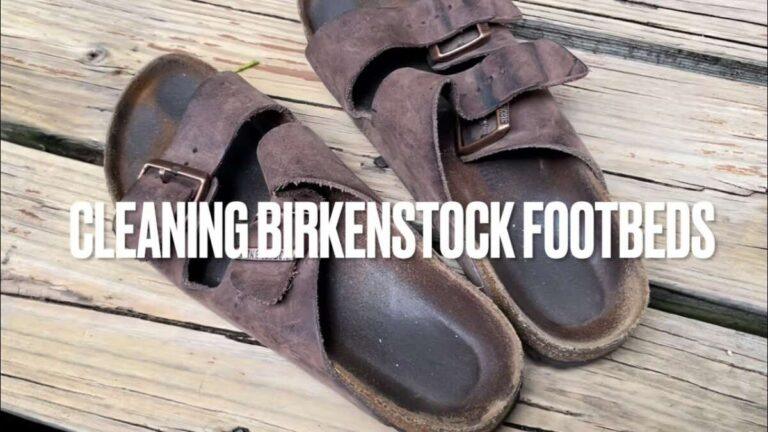
Clean sandal footbeds with a soft brush, mild soap, little water, and complete air drying.
Sweat, skin oils, dust, and spilled drinks can turn a clean-looking sandal footbed into a dark, sticky, or smelly surface. Learning how to clean footbed of sandals the right way helps protect the material, reduce odor, and extend the life of your favorite pair. The best method depends on whether the footbed is leather, suede, cork, rubber, EVA foam, or fabric. This guide explains each safe method in simple steps, including what to avoid and how to handle tough stains.

Why sandal footbeds get dirty and smelly
The footbed touches your skin for hours. It collects sweat, natural oils, dead skin cells, dust, and bacteria from your feet. Warm weather makes this buildup happen faster, especially when you wear sandals without socks.
A footbed may also darken from repeated contact with bare feet. This does not always mean it is unsafe or ruined. Still, heavy buildup can cause odor, stains, and a rough or sticky feel.
Common causes include:
• Wearing sandals during hot or humid weather
• Walking through dirt, sand, or city streets
• Wearing sandals with wet feet
• Spilling drinks or food
• Storing sandals before they are fully dry
• Cleaning the footbed with too much water
In my own testing, the biggest mistake is waiting until the footbed smells strongly. Small, regular cleanups work better than one harsh scrubbing session. Think of the footbed like a kitchen counter: light care is easier than removing months of buildup.

Check the footbed material before cleaning
Before learning how to clean footbed of sandals, check what it is made from. A method that works well on rubber can damage leather or suede.
Look at the product label, box, care card, or brand website if you are unsure. You can also inspect the surface closely.
Leather footbeds
Leather feels smooth and warm. It may have a natural grain and can become darker when wet. Leather needs gentle cleaning and very little water.
Suede or nubuck footbeds
Suede feels soft and slightly fuzzy. Nubuck has a fine, brushed texture. These materials can develop water marks, so avoid soaking them.
Cork footbeds
Cork often appears as a firm, tan layer. Many cork footbeds have a leather or suede cover. Excess water can weaken the cork or loosen the footbed seal.
Rubber and EVA footbeds
Rubber and EVA foam are common in sporty and casual sandals. They resist water better than leather, but strong chemicals can still discolor or weaken them.
Fabric or mesh footbeds
Fabric absorbs sweat and liquid quickly. It may need a longer drying time, but soaking can cause shrinking, color bleeding, or a musty smell.
When I clean an unfamiliar pair, I always test the method on a hidden spot first. This simple step can prevent a pale mark across the most visible part of the sandal.
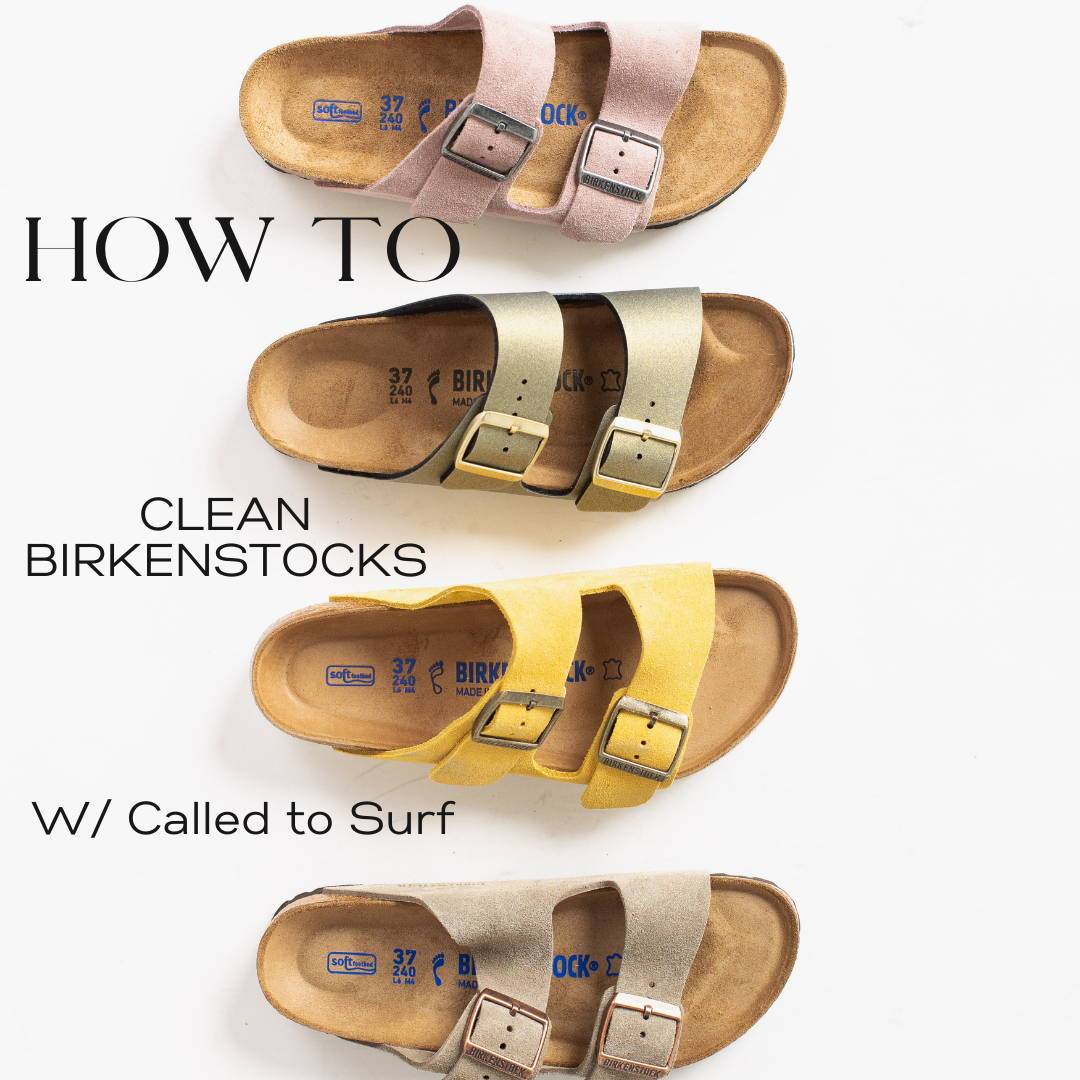
Supplies you need to clean sandal footbeds
You do not need expensive products for most cleaning jobs. Basic household items are enough when used with care.
Gather:
• A soft-bristled toothbrush or shoe brush
• Two clean microfiber cloths
• A small bowl of lukewarm water
• A few drops of mild dish soap or gentle laundry detergent
• Baking soda for odor control
• A suede brush for suede or nubuck
• Leather conditioner for finished leather, if the manufacturer allows it
• A dry towel
Avoid bleach, ammonia, acetone, alcohol, abrasive powders, and strong disinfectants. These products may strip color, dry out leather, harm adhesive, or leave a rough surface.
A mild soap solution should feel slippery but not thick. Too much soap creates residue, which can attract more dirt after the sandal dries.

How to clean footbed of sandals step by step
This basic process works for many leather, rubber, EVA, and lightly soiled fabric footbeds. Adjust the water level based on the material.
1. Remove loose dirt
Take the sandals outdoors or over a trash can. Tap the soles together gently, then brush away sand and dust.
Pay special attention to the toe area and the space near the heel. Loose grit can act like sandpaper during scrubbing and may damage the footbed.
2. Prepare a mild cleaning solution
Mix a few drops of mild soap with lukewarm water. Do not use hot water because heat can affect glue, leather finish, and foam.