Jesus sandals are usually called biblical sandals, fisherman sandals, or simply Jesus sandals in modern fashion.
If you have searched for “what are Jesus sandals called,” you may have noticed several names used for similar shoes. The most accurate answer depends on whether you mean the sandals worn in first-century Judea or the modern leather style inspired by them. This guide explains the history, names, design, comfort, and buying tips so you can tell the difference with confidence.

What Are Jesus Sandals Called?
The common modern name is “Jesus sandals.” This phrase describes simple, flat sandals with leather straps that cross over the foot or wrap around the ankle. They are linked to the traditional image of Jesus and other people living in the ancient Mediterranean world.
Other names include:
• Biblical sandals: A broad term for sandals inspired by Bible-era clothing.
• Fisherman sandals: A modern style with several leather straps and a closed or partly closed front.
• Jerusalem sandals: A name often used for simple leather sandals associated with Israel and the Holy Land.
• Roman sandals: A general term for ancient-looking sandals, although Roman footwear had many different forms.
• Leather strappy sandals: A modern retail term that avoids religious or historical language.
There is no single official shoe model called a “Jesus sandal.” The phrase is mostly a cultural and fashion term. It refers to a look rather than one exact design.

What Did Sandals in Jesus’ Time Really Look Like?
People in first-century Judea commonly wore simple sandals made from leather. These sandals had a flat sole and straps that held the foot in place. Some designs used a strap between the toes, while others used straps across the foot and around the heel.
The sandals were practical for a warm, dry climate. They allowed air to move around the foot and used fewer materials than a closed shoe. However, they offered little protection from sharp stones, dirt, insects, or cold weather.
Historical texts and archaeological finds help researchers understand ancient footwear. Still, no surviving sandal can be proven to be the exact pair worn by Jesus. This is an important point when answering what are Jesus sandals called. We can describe the style, but we cannot identify a specific brand or design with certainty.
Ancient sandals also changed by region, income, and occupation. A poor laborer may have worn a basic sole with rough straps. A wealthy person could have owned better-made footwear with finer leather and decorative details.

The Historical Names for Ancient Sandals
Several ancient languages used words for sandals, but these terms do not match one modern shoe perfectly.
In Biblical Hebrew, the word na’al can refer to a sandal or shoe. In ancient Greek, sandalion referred to a sandal. The English word “sandal” comes from a related Greek and later Latin tradition.
Roman writers also used different terms for open footwear. Soleae were simple sandals, while caligae were sturdy military shoes with straps and thick soles. Caligae were linked to Roman soldiers and were not the same as the delicate, flat sandals often shown in paintings of Jesus.
This distinction matters because people sometimes call every ancient-looking shoe a Roman sandal. In reality, ancient footwear had many styles. The right name depends on the sole, straps, purpose, and historical setting.
So, what are Jesus sandals called in historical terms? The safest answer is simple leather sandals from the Roman-era Middle East. Terms such as biblical sandals and Jerusalem sandals describe the inspiration, not a confirmed original name.

Why Are They Called Jesus Sandals?
The name comes from religious art, films, books, and popular images of Jesus. Artists often portray him wearing plain leather sandals with a robe. Over time, this visual idea became a familiar part of Western culture.
Modern shoppers began using “Jesus sandals” as a casual fashion term. The name does not mean the shoes belong to a religious group. It usually describes a minimalist, old-fashioned, or biblical-looking sandal.
The term can sound humorous or informal, depending on the setting. A shoe store may use “leather sandals” or “fisherman sandals” instead. Online shoppers, fashion writers, and casual speakers are more likely to use “Jesus sandals.”
The phrase also carries cultural meaning. For some people, it suggests simplicity and humility. For others, it brings to mind summer travel, handmade leather goods, or a relaxed bohemian style.

Jesus Sandals vs. Fisherman Sandals
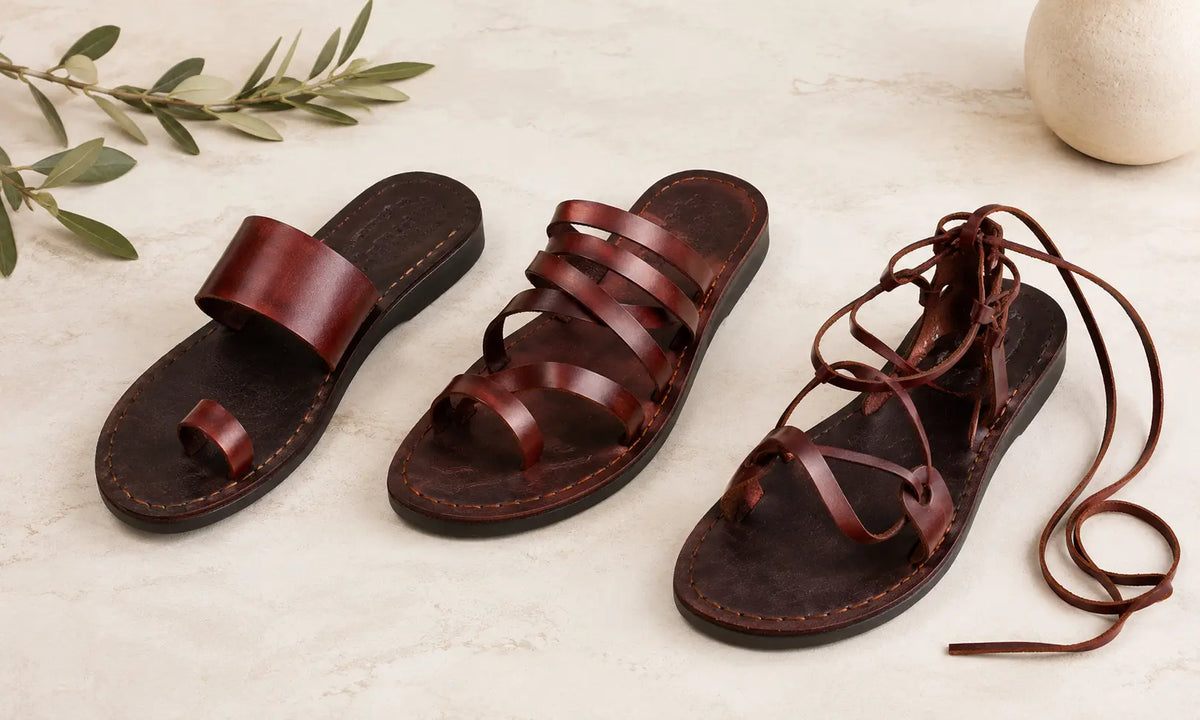
Jesus sandals and fisherman sandals look similar, but they are not always identical. Fisherman sandals usually have more straps and a more structured upper. They may cover much of the front of the foot while leaving open spaces for airflow.
Traditional Jesus sandals are often simpler. They may have one or two broad straps, a thin sole, and an open toe. Some modern versions use a toe loop or a strap that crosses the top of the foot.
Here are the main differences:
• Jesus sandals usually have a simple, open design inspired by biblical art.
• Fisherman sandals often have woven or linked straps across the front.
• Jesus sandals are commonly flat and lightweight.
• Fisherman sandals may have a thicker sole and more support.
• Both styles can be made from leather, synthetic materials, or recycled fibers.
When asking what are Jesus sandals called in a shoe store, fisherman sandals may be the closest modern product category. However, the exact match depends on the design.

Common Features of Jesus Sandals
Although designs vary, many Jesus sandals share the same basic features.
Flat soles
Most pairs have a flat or low-profile sole. This design creates a natural look and keeps the sandal light. It does not automatically provide good arch support, so people with foot problems should choose carefully.
Leather straps
Leather is the classic material. It can soften with use and form to the foot. Good leather should feel flexible without stretching too quickly.
Open construction
Open sides help keep feet cool in warm weather. They also make the sandals easy to put on and remove.
Ankle or heel support
Some styles use a back strap. Others rely on a toe strap and side straps. A secure heel strap is useful for walking, travel, and uneven ground.
Thin or moderate soles
A thin sole looks more authentic to the traditional style. A thicker rubber sole may offer better grip and shock protection for modern streets.
Are Jesus Sandals Comfortable?
Jesus sandals can be comfortable, but comfort depends on fit and construction. A flat sandal with stiff straps may cause blisters, sore arches, or pressure between the toes.
Before wearing a new pair for a full day, test them at home. Walk for 10 to 15 minutes and check for rubbing. If a strap feels sharp or tight at once, it will probably become worse during a long walk.
Look for these comfort features:
• Soft, flexible straps
• A footbed that supports the heel
• A sole with enough cushioning for your daily use
• A secure heel strap
• Good traction on the bottom
• Space for your toes to spread naturally
People with diabetes, plantar fasciitis, arthritis, or other foot conditions should ask a qualified health professional for footwear advice. Open sandals may not offer enough protection or stability for every foot.

How to Choose the Right Pair
Choosing the right pair is easier when you focus on function, not only appearance. A sandal can look authentic but still feel uncomfortable after an hour.
Use this simple process:
-
Measure both feet at the end of the day, when feet are often largest.
-
Choose the larger foot if one foot is slightly bigger.
-
Make sure your toes do not hang over the front edge.
-
Check that the straps hold your foot without pinching it.
-
Walk on a hard surface to test balance and grip.
-
Bend the sandal gently to see whether the sole moves in a useful way.
-
Wear the sandals indoors before wearing them outside.
Leather often stretches with use, but it should not be expected to fix a poor fit. A sandal that is too short, too narrow, or unstable will rarely become comfortable through breaking in.
A common mistake is buying very thin sandals for long city walks. They may look closest to the traditional style, but a modern sole with light cushioning can be kinder to your feet.
How to Break In Leather Jesus Sandals
New leather sandals may feel firm at first. Breaking them in slowly can reduce rubbing and help the straps soften.
Try these steps:
• Wear the sandals for short periods at home.
• Apply a leather conditioner if the maker recommends one.
• Keep the sandals dry during the first few wears.
• Use clean socks for a short indoor test if the straps rub.
• Stop wearing them if you develop a painful blister.
Do not soak leather sandals to make them soft. Water can stain leather, weaken adhesives, and change the shape of the footbed. If the sandals become wet, let them dry at room temperature away from direct heat.
Based on common footwear fitting experience, the biggest mistake is rushing the process. A short break-in period is safer than wearing a stiff pair for a full day of sightseeing.
How to Care for Jesus Sandals
Proper care can help leather sandals last for several seasons. Keep them away from prolonged moisture and strong heat. Store them in a cool, dry place with the straps relaxed.
For basic care:
• Brush away dust with a soft cloth.
• Wipe light dirt with a slightly damp cloth.
• Use a suitable leather conditioner when needed.
• Clean rubber soles with mild soap and water.
• Allow the sandals to dry fully before storing them.
• Replace worn soles or loose straps before they become unsafe.
Synthetic sandals need different care. Check the manufacturer’s instructions before using oil, wax, or conditioner. Some products can damage synthetic finishes.
Good care also improves hygiene. Let sandals air out after use, especially in hot weather. Wearing clean feet and alternating between pairs can reduce odor.
Are Jesus Sandals Appropriate for Everyday Wear?
Yes, many people wear them for everyday summer activities. They work well with casual clothing, linen pants, shorts, dresses, and relaxed travel outfits.
They may be less suitable for:
• Hiking on rough trails
• Running or high-impact exercise
• Heavy rain
• Very cold weather
• Work that requires protective footwear
• Long walks if the sole lacks cushioning
The best pair depends on your lifestyle. A thin leather sandal may suit a beach town or a short walk. A fisherman-style sandal with a rubber sole may work better for travel and daily city use.
Fashion is only one part of the choice. Your feet should feel stable, supported, and free from painful pressure.
What Are Jesus Sandals Called in Modern Stores?
Retailers may place these sandals in several categories. Search terms can make a major difference when you shop online.
Try these phrases:
• Jesus sandals
• Biblical sandals
• Jerusalem sandals
• Fisherman leather sandals
• Flat strappy leather sandals
• Minimalist leather sandals
• Roman-style sandals
• Handmade leather sandals
Product names vary by country and brand. One store may call a pair Jerusalem sandals, while another may list the same type as fisherman sandals. Look at photos, strap placement, sole thickness, and customer measurements rather than relying only on the product title.
If you want a historical look, choose simple straps and a flat sole. If you want comfort for modern walking, seek a shaped footbed, strong heel strap, and textured outsole.
Cultural and Religious Considerations
The term “Jesus sandals” is common, but it may not suit every conversation. Some people use it as a light fashion phrase. Others may prefer more neutral terms such as leather sandals or biblical-style sandals.
Respectful language is especially useful in professional, religious, and multicultural settings. The shoes themselves are not automatically sacred. They are modern products inspired by historical images and traditions.
It is also wise to avoid claiming that a modern pair is exactly what Jesus wore. Historical evidence cannot confirm one exact design. A more accurate description is “sandals inspired by footwear from first-century Judea.”
This small distinction improves accuracy and avoids turning a broad cultural image into a proven historical fact.
Frequently Asked Questions About What Are Jesus Sandals Called
What is the most common name for Jesus sandals?
The most common name is simply “Jesus sandals.” They may also be sold as biblical sandals, Jerusalem sandals, Roman-style sandals, or flat leather sandals.
Are Jesus sandals the same as fisherman sandals?
They can be similar, but they are not always the same. Fisherman sandals usually have more straps and cover more of the front foot, while Jesus sandals often have a simpler and more open design.
Did Jesus really wear the sandals sold today?
There is no evidence that Jesus wore any modern branded design. He likely wore simple leather sandals typical of people living in first-century Judea, but the exact shape and construction are uncertain.
Are Jesus sandals good for walking?
Some are comfortable for daily walking, especially when they have a secure heel strap and a supportive sole. Very thin styles may cause foot fatigue on long walks or hard pavement.
What should I search for when buying Jesus sandals?
Search for terms such as “biblical sandals,” “Jerusalem leather sandals,” “fisherman sandals,” and “flat leather strappy sandals.” Then check the size chart, strap materials, sole thickness, and return policy.
Can women and men both wear Jesus sandals?
Yes. Jesus sandals are generally unisex and come in many colors, widths, and designs. Fit and comfort matter more than gender labels.
How should leather Jesus sandals fit?
Your heel should stay on the footbed, and your toes should not extend beyond the front edge. The straps should feel secure without leaving painful pressure marks.
Conclusion
So, what are Jesus sandals called? The usual answer is Jesus sandals, but biblical sandals, Jerusalem sandals, fisherman sandals, and Roman-style sandals are also common terms. Historically, they were likely simple leather sandals suited to the warm, dry climate of first-century Judea, though no modern pair can be confirmed as an exact match.
When choosing a pair, look beyond the name. Check the fit, strap comfort, sole support, grip, and intended use. Explore different styles, compare materials, and choose sandals that feel good as well as look authentic.

Madison Clark is a footwear expert and the voice behind MyStyleGrid.com. She specializes in honest shoe reviews, style tips, and practical guides to help readers find the perfect pair for any occasion. With years of experience in blogging and content creation, Madison makes footwear knowledge simple, stylish, and easy to follow.