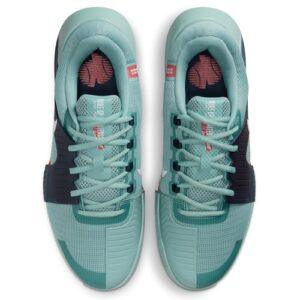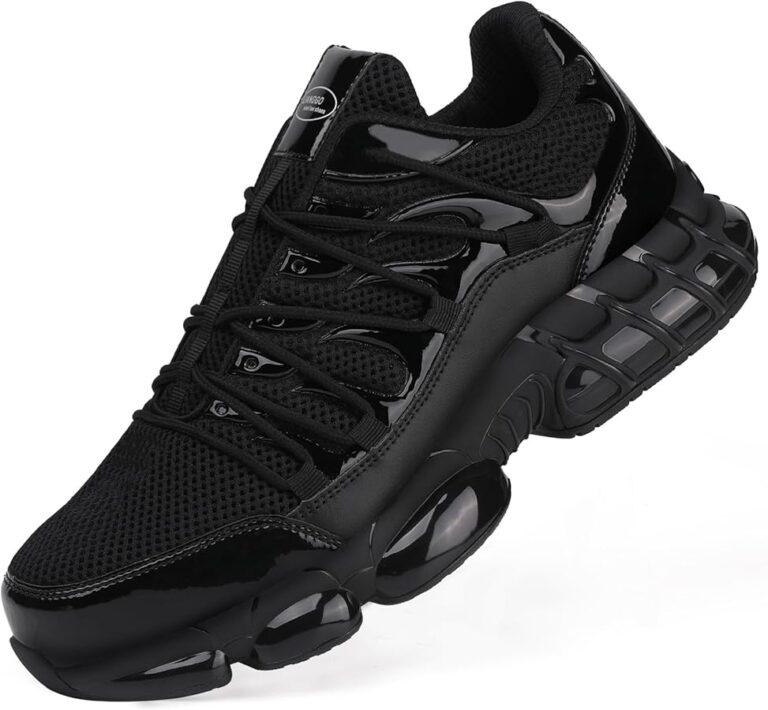
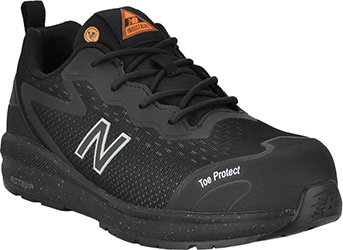
Composite toe shoes are work shoes with a non-metal protective toe made from composite materials.
I write about work footwear every week and have tested many safety boots. I will explain what composite toe shoes are, how they work, who should wear them, and how to pick the right pair. Read on for clear facts, safety tips, and hands-on advice so you can choose smartly for work or DIY tasks.
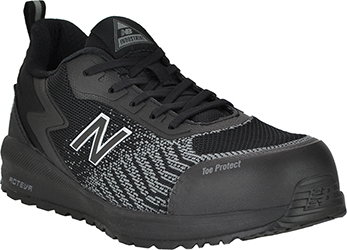
What are composite toe shoes and how do they work?
Composite toe shoes are safety shoes with a protective cap at the toe made from non-metal materials. These caps use fiberglass, Kevlar, carbon fiber, or strong plastics. The cap sits under the outer material of the shoe and absorbs impact and compression to protect your toes. Composite toe shoes meet the same basic safety standards as metal toe caps for impact and compression when they are tested and certified. Composite toe shoes do not have metal inside, so they weigh less and do not set off metal detectors.

Materials and construction
Composite toe shoes use different non-metal materials. Common options include:
- Fiberglass: Stiff and affordable. It gives solid impact protection with low weight.
- Kevlar or aramid: Stronger and more flexible, often used in higher-end boots.
- Carbon fiber or reinforced plastics: Offer high strength and a slim profile.
The rest of the shoe can be leather, synthetic, or textile. The toe cap is molded and then stitched or glued into the boot. Manufacturers design the shape to meet safety standards while keeping comfort in mind. Composite toe shoes usually need a wider toe box because the cap can be thicker than a steel option.

Source: 2bigfeet.com
Safety standards and certifications
Safety shoes must meet standards to protect workers. Look for these markers:
- ASTM F2413 or equivalent: Tests impact and compression resistance for toe protection.
- EH (Electrical Hazard) rating: Indicates protection from electrical shock in some models.
- CSA or EN standards if you are outside the U.S.: These names vary by region.
Composite toe shoes that are certified have passed lab tests for a given rating. Certification ensures the composite toe cap performs under specified forces. Always check the label or product specs before you buy.

Source: beckshoes.com
Benefits of composite toe shoes
Composite toe shoes come with clear advantages:
- Lightweight: They often weigh less than steel-toe shoes, reducing fatigue.
- Non-metallic: They will not set off airport or workplace metal detectors.
- Thermal comfort: They do not conduct cold or heat as metal does, so they feel better in extreme weather.
- Electrical hazard safety: Many composite toe shoes are non-conductive and meet EH standards.
- Slim profile: Some composite caps let designers make a more natural-looking shoe.
These benefits make composite toe shoes a popular choice for electricians, construction workers, warehouse staff, and anyone who wants lighter PPE.
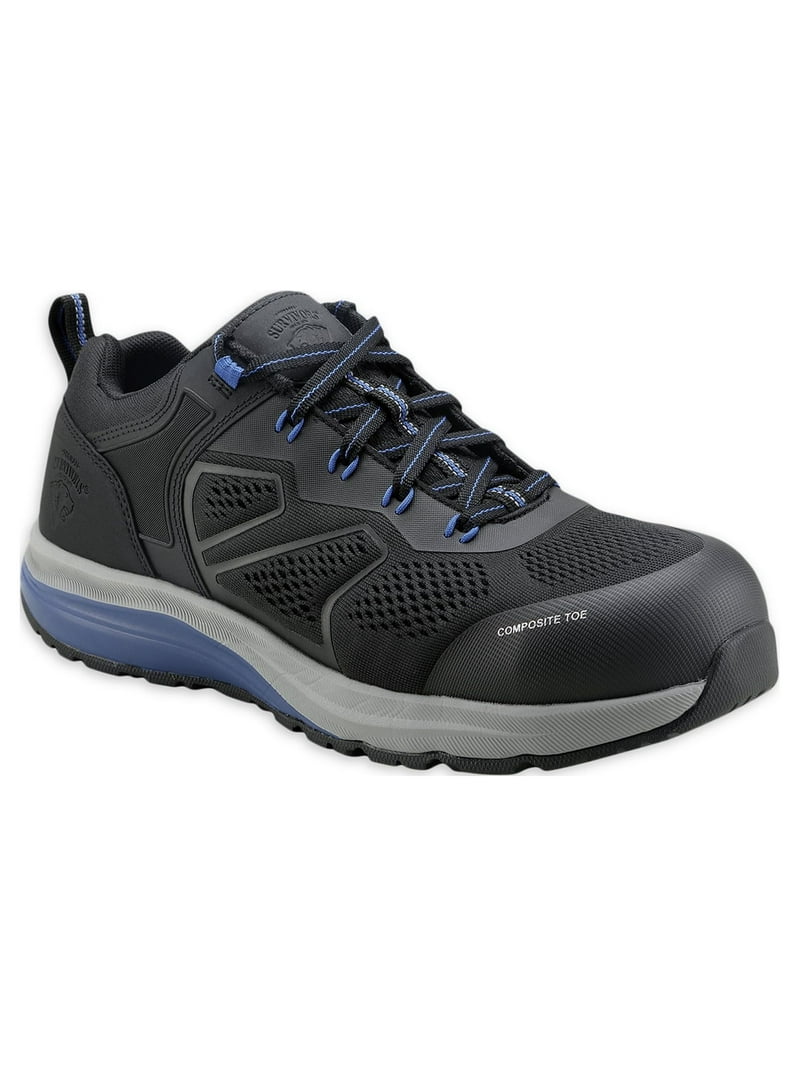
Source: walmart.com
Limitations and things to watch for
Composite toe shoes are strong, but they have limits:
- Bulk: Some composite caps are thicker and can feel bulky in the toe box.
- Wear and tear: In high-abuse jobs, metal can dent but may hold up differently; composite materials can crack under extreme repeated forces.
- Cost: High-performance composites like carbon fiber can raise the price.
- Perception: Some buyers assume steel is always safer. In reality, certified composite caps meet testing standards, but job-specific needs may favor metal.
Be honest about your work conditions. If you face falling tools or repeated heavy impacts, check the exact certifications and consider how you use your boots.

Source: safetymk.com
Composite toe shoes vs steel toe: key differences
Here are quick, clear comparisons:
- Weight: Composite toe shoes usually weigh less than steel-toe boots.
- Conductivity: Composite caps do not conduct electricity or extreme temperature. Steel does.
- Metal detectors: Composite does not trigger detectors. Steel does.
- Strength: Both can meet ASTM impact and compression tests. Differences depend on design and material quality.
- Durability: Steel can dent but stay intact. Composite may crack under rare extreme events. Check lab ratings for real-world confidence.
Choose based on your job, comfort, and rules at your workplace.
Source: tractorsupply.com

Who should choose composite toe shoes?
Composite toe shoes suit many people:
- Workers who pass through security or metal detectors.
- Electricians and people near live circuits who benefit from non-conductive toes.
- Workers who want lighter boots for long shifts on their feet.
- People working in very cold or hot climates where metal toes transfer temperature.
If your work site demands metal-detectable PPE, steel toe may be mandatory. Always confirm site rules and safety policies.

Source: amazon.com
How to pick the right composite toe shoes: buying guide
Follow these steps when shopping:
- Check certification: Verify ASTM, CSA, or EN ratings on the product.
- Confirm EH rating if you need electrical protection.
- Try for fit: Composite toe shoes can feel different in the toe box. Test with work socks.
- Consider weight and flexibility: Lighter models reduce fatigue.
- Inspect build quality: Look at stitching, sole type, and materials.
- Read reviews: Look for reports about durability and comfort.
- Budget smart: Higher price can mean better materials and longer life.
A good fit and certified safety matter more than brand names.
Source: midwestboots.com
Care and maintenance
Proper care extends the life of composite toe shoes:
- Clean them after use with a soft brush and mild soap.
- Dry them at room temperature; avoid direct heat which can weaken materials.
- Condition leather as recommended to prevent cracks.
- Inspect toes and soles regularly for damage.
- Replace shoes if the toe cap is cracked or the shoe fails to meet fit and comfort needs.
Small maintenance steps keep safety intact and save money in the long run.
My experience testing composite toe shoes
I have worn composite toe shoes across construction sites and warehouses for years. In long shifts, the lighter weight reduced foot fatigue. On a trip through an airport, my boots did not set off the metal detector. I did see one older composite pair crack after many years of hard use. I learned to replace boots proactively rather than wait for visible damage. My advice: choose certified models, break them in gradually, and inspect often.
People also ask
What protection do composite toe shoes give?
Composite toe shoes protect against impact and compression like steel toes when they meet safety standards. They block falling objects and toe crush within certified limits.
Are composite toe shoes good for electricians?
Yes. Many composite toe shoes have electrical hazard ratings and do not conduct electricity, making them safer for electricians.
Do composite toes set off metal detectors?
No. Composite toe shoes have no metal caps and typically do not set off metal detectors.
Are composite toes heavier than steel toes?
No. Composite toe shoes are usually lighter than steel-toe shoes, which helps reduce fatigue.
Can composite toes meet workplace safety rules?
Yes. If the composite toe shoes are certified to the same standards required by your workplace, they meet safety rules. Always check your employer’s PPE policy.
Frequently Asked Questions of what is composite toe shoes
What is the main difference between composite toe shoes and steel toe shoes?
Composite toe shoes use non-metal materials for the toe cap while steel toe shoes use metal. Both can meet the same impact and compression standards when certified.
Are composite toe shoes safe for heavy duty work?
Yes, when they are certified to the appropriate safety standards. For extreme or repetitive heavy impacts, review specific product tests and user feedback.
Will composite toe shoes get colder than steel in winter?
No. Composite materials do not conduct cold like metal. They usually feel warmer in cold conditions.
How do I know if my composite toe shoes are certified?
Check the product label or specifications for ASTM, CSA, or EN markings and the shoe’s impact/compression ratings.
How long do composite toe shoes last?
Lifespan depends on use, care, and material quality. With regular use and good care, expect several years for many models, but inspect often and replace when damaged.
Conclusion
Composite toe shoes give strong toe protection without metal. They are lighter, non-conductive, and comfortable for long shifts. Choose certified models, test the fit, and care for your boots. If you want a practical, modern safety shoe, try composite toe shoes and compare them with steel options based on your job needs. Share your experience below, subscribe for updates, or leave a question to get tailored advice.

Rubel Miah is the Senior Editor at MyStyleGrid.com, where he brings a sharp editorial eye and an unshakable love for fashion to everything he does. A true style addict, Rubel lives and breathes trends, from streetwear to high fashion, and has a knack for turning inspiration into impactful stories. With years of experience in fashion journalism and digital media, he curates content that empowers readers to express themselves through style. When he’s not editing features or forecasting the next big thing, you’ll find him hunting down vintage pieces or capturing street style moments around the city.