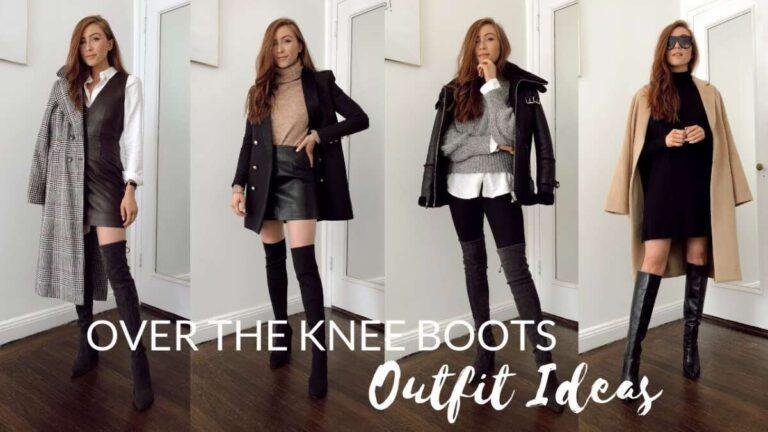
Almost anyone can wear over the knee boots when the fit, styling, and setting feel right.
The question of who can wear over the knee boots is less about age, body shape, or fashion rules and more about comfort, proportion, and personal style. This guide explains how to choose the right pair, build balanced outfits, avoid common fit problems, and wear these bold boots with confidence.
Who Can Wear Over the Knee Boots?
The short answer is simple: most people can wear over the knee boots. They suit many ages, heights, body shapes, and style preferences. The key is finding a boot that fits your legs well and matches your daily life.
Over the knee boots cover part of the leg above the knee. They may be flat, heeled, fitted, slouchy, suede, leather, or stretch fabric. Each style creates a different look.
Who can wear over the knee boots depends on several practical points:
• Your comfort level
• The boot’s shaft width
• The height and shape of the heel
• The clothes you plan to wear
• The occasion
• The support offered by the sole and insole
Some people prefer a sleek, fitted boot with a low heel. Others like a loose suede style with a flat sole. Neither choice is more correct. Think of the boot as a frame around your outfit. The right frame should support your look, not compete with it.

Can Every Body Type Wear Over the Knee Boots?
Yes. Every body type can wear over the knee boots. There is no single leg shape that “qualifies” for this style.
The most important factor is balance. If the boots are tall and fitted, softer or simpler clothing can keep the outfit from feeling too busy. If the boots are loose or flat, a sharper jacket or structured dress can add shape.
Petite frames
Petite shoppers often worry that tall boots will make their legs look shorter. A close fit and a similar color between the boots and pants can create a longer visual line.
Try these ideas:
• Choose a boot with a narrow shaft
• Wear a short skirt or dress with a higher waist
• Match the boot color to tights or pants
• Avoid a heavy boot with an oversized top
• Pick a low or medium heel if you want extra height
Tall frames
Tall people can wear nearly every over the knee boot shape. Flat boots can look relaxed, while a high heel creates a more dramatic finish.
A longer skirt can also work well on a tall frame. Leave a small gap between the hem and the boot top for a light, modern look.
Curvy bodies
Curvy shoppers should look for boots with stretch panels, adjustable ties, or a wide calf and thigh opening. A boot should sit smoothly without digging into the skin.
A straight cut dress, long cardigan, or tailored blazer can create a clean line. The goal is not to hide your shape. It is to let the clothes follow your shape without pulling.
athletic legs
Strong calves and thighs may need a wider shaft. Look for brands that list calf and thigh measurements. This is more useful than relying on a general size label.
Stretch suede and soft leather often offer more comfort than stiff leather. A relaxed shaft can also provide room without looking too loose.
Who can wear over the knee boots is not decided by body type. It is decided by fit, comfort, and the outfit’s overall balance.

How to Find the Right Fit
Fit matters more than the brand name. A beautiful boot can feel unwearable if it slides down, pinches your knee, or cuts into your calf.
Measure both legs if possible. Many people have slight differences between their left and right legs. Use the larger measurement when choosing a boot.
Check these areas before buying:
• Foot length and width
• Calf circumference
• Thigh circumference
• Shaft height
• Opening width
• Heel stability
• Space for socks or tights
A good over the knee boot should feel secure without squeezing. The top should stay in place while you walk, but it should not leave deep marks.
Signs of a poor fit
• The boot rolls down after a few steps
• The zipper pulls across the leg
• Your toes feel cramped
• The heel lifts sharply from the shoe
• The top edge cuts into your thigh
• The boot causes numbness or pain
• You cannot sit comfortably
Try boots at the end of the day. Feet often swell slightly after hours of walking. This small step can prevent an uncomfortable purchase.
Wear the socks, tights, or pants you expect to use with the boots. A pair that fits over bare legs may feel too tight over denim.

What Styles of Over the Knee Boots Are Easiest to Wear?
Some styles are more flexible than others. If you are new to this trend, begin with a simple pair that works across several outfits.
Flat over the knee boots
Flat boots are often the easiest starting point. They feel casual and work well for errands, travel, college, and weekend plans.
Look for a flexible sole and a supportive footbed. Flat does not always mean comfortable, so check the cushioning and arch support.
Low heel boots
A low block heel adds polish without making the boot hard to walk in. This style works for casual offices, dinners, and cooler weather events.
A block heel is usually more stable than a thin heel. It also gives the outfit a neat, structured finish.
High heel boots
High heel boots create a strong evening look. They pair well with simple dresses, tailored coats, and slim pants.
Wear them for shorter periods at first. Practice walking, sitting, and using stairs before wearing them to a long event.
Stretch fabric boots
Stretch fabric can fit the leg closely and feel soft. It is useful for people whose calves or thighs need more flexibility.
However, very thin fabric may offer less support. Check whether the boot stays upright and whether the sole provides enough grip.
Suede boots
Suede creates a soft, relaxed look. It works especially well with knit dresses, denim, and wool coats.
Suede needs extra care in wet weather. Use a suitable protective spray and avoid wearing it in heavy rain or deep snow.
Leather boots
Leather boots often offer structure and durability. They may feel firm at first and soften with wear.
Never assume leather will stretch enough to fix a painful fit. It may soften, but it will not always become wider in the places you need.

How to Style Over the Knee Boots
Styling over the knee boots becomes easier when you treat them as the main feature. Let one part of the outfit lead.
With dresses
A short or mid length dress can work well with tall boots. Leave a small amount of space between the hem and the boot top, or let the dress overlap the boots.
For a polished look, try:
• A simple sweater dress with suede boots
• A floral dress with a long coat
• A shirt dress with heeled boots
• A fitted knit dress with flat boots
If the dress is very short, opaque tights can add coverage and comfort.
With skirts
Mini skirts, midi skirts, and some longer skirts can all work. A mini skirt creates a clear gap above the boot. A midi skirt can partly cover the boot and create a layered look.
Keep the top simple if the skirt has a bold print. This helps the outfit look planned rather than crowded.
With jeans
Skinny jeans and slim straight jeans usually fit most easily inside over the knee boots. Choose thin denim if the boot has a narrow shaft.
If your jeans bunch around the ankle, the boot may feel tight. Try leggings, ponte pants, or slim trousers instead.
With leggings
Black leggings and black boots create a long, clean line. Add a tunic, oversized sweater, blazer, or long coat for coverage and shape.
Make sure the leggings are thick enough to provide coverage. Sheer fabric can become more noticeable under bright light.
With shorts
Tailored shorts can work with flat or heeled boots. Add tights when you want a warmer or more polished outfit.
Avoid combining too many tight pieces at once. A relaxed shirt or long jacket can add balance.
Who can wear over the knee boots can also experiment with these outfit formulas. The best look is the one that feels natural when you move.

How to Wear Over the Knee Boots at Different Ages
Age does not decide who can wear over the knee boots. Personal style and the setting matter more.
A teenager may wear flat boots with an oversized sweater and leggings. A professional in her thirties may choose low heel boots with a knit dress and tailored coat. Someone in her fifties or sixties may prefer a refined suede pair with trousers and a long blazer.
The same boot can look very different based on the rest of the outfit. You can make the style more classic by choosing:
• Neutral colors
• Low or block heels
• Smooth leather or soft suede
• Simple clothing shapes
• Longer coats and clean tailoring
You can make it more playful with color, texture, prints, or statement accessories.
The best age related style rule is comfort. If you feel distracted by the boots, you will not enjoy the outfit. Choose a pair that lets you stand, walk, and sit with ease.

Are Over the Knee Boots Appropriate for Work?
They can be appropriate for work, but the answer depends on your workplace. A creative studio may welcome bold fashion. A conservative law office or medical setting may call for a quieter style.
For a professional outfit, choose:
• A low or medium heel
• A matte finish
• Neutral shades such as black, brown, or taupe
• A knee length or midi skirt
• Opaque tights
• A tailored blazer or coat
Avoid very tall stiletto boots, shiny vinyl, or a very short hem in formal workplaces. These choices may look more suited to evening wear.
When in doubt, check the dress code and observe what trusted coworkers wear. Workplace clothing should help you feel confident without creating a distraction.

Comfort, Walking, and Safety Tips
Over the knee boots should support your feet as well as your outfit. A tall shaft does not automatically provide good support.
Look for a cushioned insole, stable heel, flexible sole, and secure grip. If the boot feels unstable in the store, it will likely feel worse after several hours.
A practical approach is to break in new boots at home. Wear them for 20 to 30 minutes while walking on clean floors. This lets you find pressure points before wearing them outside.
Keep these tips in mind:
• Use gel pads if the sole lacks cushioning
• Wear socks that reduce rubbing
• Avoid a heel that changes your natural walk
• Carry foldable flats for long events
• Do not wear slippery soles on ice or wet pavement
• Stop wearing the boots if you feel numbness or sharp pain
Foot specialists commonly advise choosing shoes that fit well from the start. Pain is not a normal part of looking stylish.

Common Mistakes to Avoid
Even people who love fashion can make small mistakes with tall boots. Most are easy to fix.
Buying by shoe size alone
Shoe size does not tell you whether the shaft will fit your calf or thigh. Always check the brand’s measurements.
Choosing a boot that slides down
A boot that constantly falls can make you walk awkwardly. Try a snugger shaft, a style with elastic panels, or a pair with an adjustable tie.
Wearing too many competing details
A bright boot, bold print, large belt, and statement coat may compete for attention. Pick one main feature and keep the rest calm.
Ignoring the weather
Rain and snow can damage suede and make smooth soles unsafe. Choose the material and tread based on your local climate.
Wearing the wrong hem length
A hem that ends at the widest point of the boot can make the outfit look cut off. Try moving the hem higher or lower until the proportions feel smooth.
Treating pain as normal
A stylish boot should not cause ongoing pain. If your toes, knees, or lower back hurt, change the heel, fit, or shoe style.

How to Choose the Best Color
Black is the most versatile color, but it is not your only choice. Brown, tan, gray, cream, and burgundy can add interest while staying easy to style.
Choose black when you want:
• A sleek city look
• Easy pairing with dark clothing
• A longer visual line
• A polished evening outfit
Choose brown or tan for:
• Autumn outfits
• Denim
• Knitwear
• Earth toned clothing
Choose a bold color when the rest of your outfit is simple. Red, white, silver, or green boots can become the central feature of an outfit.
Texture also changes the mood. Smooth leather looks sharp and modern. Suede looks soft and relaxed. Patent finishes look more dramatic and may suit evening wear best.
A Simple Guide for First Time Buyers
If you are unsure who can wear over the knee boots, start with the most flexible option. Choose a neutral color, low heel, soft material, and moderate shaft height.
Use this buying process:
- Measure your foot, calf, and thigh.
- Decide where you will wear the boots.
- Pick a heel you can walk in comfortably.
- Try the boots with your usual socks or tights.
- Walk, sit, bend, and climb a few steps.
- Check for pressure, slipping, and rubbing.
- Review the return policy before buying.
One useful lesson from fitting clothing and footwear is that movement reveals more than a mirror. A boot may look perfect while standing still but feel wrong when you sit or walk. Test the full range of movement before you commit.
Frequently Asked Questions About Who Can Wear Over the Knee Boots
Can short people wear over the knee boots?
Yes, short people can wear over the knee boots. A close fitting shaft, short hem, and similar colors between the boots and clothing can create a longer visual line.
Can people with thick calves wear over the knee boots?
Yes. Look for wide calf designs, stretch panels, adjustable laces, and brands that list thigh measurements. Never force a narrow boot, because pressure can cause pain and limit movement.
Can older women wear over the knee boots?
Yes. Older women can wear over the knee boots at any age. Flat or low heel styles, neutral colors, and tailored clothing can create a polished and comfortable outfit.
Can you wear over the knee boots with jeans?
Yes, but slim jeans usually fit best inside tall boots. Leggings or ponte pants may work better if your jeans bunch around the ankle or make the boot feel tight.
Are over the knee boots suitable for work?
They can be suitable for work when the workplace allows them. Choose a modest heel, matte material, neutral color, and a balanced outfit with a longer skirt, dress, or tailored coat.
Can curvy women wear over the knee boots?
Yes. Curvy women can wear over the knee boots with confidence. Stretch materials, wide shaft options, and accurate calf and thigh measurements help create a comfortable fit.
Should over the knee boots be tight?
They should be secure but not painfully tight. The boot should stay in place without cutting into your leg, restricting movement, or causing numbness.
Conclusion
Who can wear over the knee boots? Almost anyone who finds a comfortable fit and chooses styling that suits the occasion. Height, age, and body shape do not set the rules.
Focus on shaft measurements, heel stability, fabric, support, and outfit balance. Start with a versatile neutral pair if you are new to the style, then experiment with color, texture, and different clothing lengths.
Try on a pair, walk in them, and build an outfit that feels like you. Explore more styling ideas, share your favorite look, or leave a comment about the over the knee boots you love.

Madison Clark is a footwear expert and the voice behind MyStyleGrid.com. She specializes in honest shoe reviews, style tips, and practical guides to help readers find the perfect pair for any occasion. With years of experience in blogging and content creation, Madison makes footwear knowledge simple, stylish, and easy to follow.