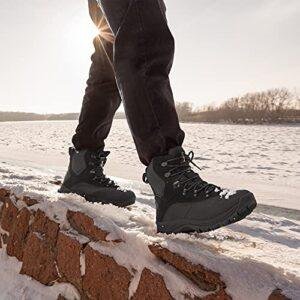
Lacing women’s boots correctly improves comfort, support, fit, and style for every step.
Learning how to lace womens boots is more than crossing the laces from top to bottom. The right pattern can reduce heel slip, ease pressure on the instep, support your ankle, and help boots feel secure all day. This guide explains proven lacing methods for ankle boots, combat boots, hiking boots, knee-high boots, and fashion styles, with simple tips you can use at home.

Why Proper Boot Lacing Matters
Boot lacing affects how your foot sits inside the boot. A loose pattern may let your heel lift, while an overly tight pattern can cause numb toes, pressure points, or sore ankles.
Good lacing should hold your foot in place without cutting into your skin. Think of the laces as a seat belt. They should keep your foot stable, but they should not squeeze it.
How to lace womens boots also depends on the boot’s purpose. A fashion boot may need a neat, flat finish. A work or hiking boot needs stronger support around the heel and ankle.
Proper lacing can help you:
• Reduce heel movement
• Improve ankle support
• Prevent your toes from sliding forward
• Relieve pressure across the top of your foot
• Create a cleaner and more balanced look
• Make boots easier to walk in
Boot fit still matters most. Lacing cannot fix a boot that is too short, too narrow, or too large. If your toes touch the front or your foot slides heavily inside the boot, consider a different size or width.

Before You Lace Women’s Boots
Start with the right setup. Small details can change how the lacing pattern feels.
Wear the socks you plan to use with the boots. Thick winter socks can make a boot feel much tighter than thin dress socks. For hiking or work boots, lace them while standing so your foot sits in its natural position.
Check the following before you begin:
• Make sure the tongue sits straight under the laces.
• Remove twists from the laces.
• Align the eyelets on both sides.
• Check that the laces are long enough for the chosen pattern.
• Place your heel firmly at the back of the boot.
• Keep the foot flat on the floor.
If you are breaking in new boots, do not pull the laces as hard as possible. Tight lacing can create pressure before the leather or synthetic upper softens. Use firm, even tension instead.
In my experience fitting boots for everyday wear, the most common mistake is starting with uneven lace lengths. Pull both ends until they match before you begin. This simple step creates a balanced pattern and leaves enough lace for a secure knot.
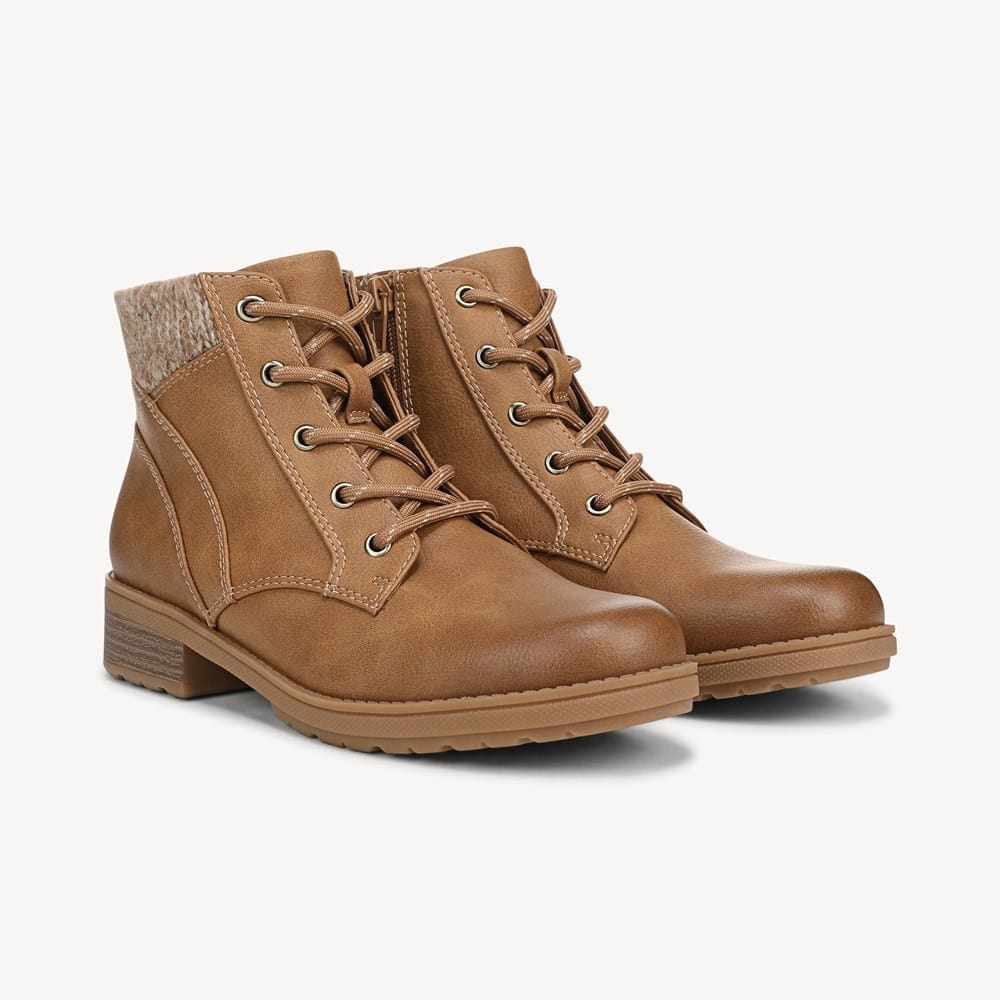
The Standard Crisscross Method
The standard crisscross pattern is the easiest answer to how to lace womens boots. It works well for ankle boots, casual boots, riding boots, and many lace-up fashion boots.
Follow these steps:
-
Thread the lace through the lowest pair of eyelets. Keep both ends equal in length.
-
Take the left lace across the tongue and thread it through the next eyelet on the right.
-
Take the right lace across the tongue and thread it through the next eyelet on the left.
-
continue crossing the laces until you reach the top.
-
Pull the laces snug after every two or three eyelets.
-
Tie a standard bow or a secure double knot.
The crisscross pattern spreads pressure across the foot. It is a good daily choice because it feels balanced and looks neat.
Do not pull only at the top. Instead, tighten the laces from the bottom upward. This keeps the lower foot secure and prevents loose areas near the toes.
For a cleaner look, tuck the bow behind the tongue. You can also tie the laces once, wrap them around the boot, and finish with a small knot at the back. Avoid this method for long walks if the extra wrap feels tight.

How to Lace Womens Boots for Heel Lock
Heel slip is common in new boots and boots with a roomy ankle. A heel-lock method, also called a lace lock, can hold the heel in place without tightening the entire boot.
Use this method near the top two eyelets:
-
Lace the boot normally until you reach the second-to-last eyelet.
-
Thread each lace straight up into the next eyelet on the same side. This creates a small loop on both sides.
-
Cross each lace over the tongue.
-
Pass each lace through the loop on the opposite side.
-
Pull the laces backward and slightly upward.
-
Tie the knot while keeping your heel planted.
The loops act like small anchors. They tighten the area around the ankle and reduce forward and backward movement.
This pattern is useful for walking, travel, and light hiking. It is also helpful when a boot fits well in the foot but feels loose around the ankle.
Do not make the heel lock painfully tight. If you feel pressure around the ankle bones, loosen the top eyelets and tighten the middle section instead. Swelling can also occur during long walks, so leave a little room for movement.

How to Lace Womens Boots for Wide Feet
People with wide feet often tighten boots too much across the front. This can create pressure over the ball of the foot and make toes feel cramped.
A window lacing pattern can open space across the instep:
-
Lace the bottom eyelets as usual.
-
When you reach the area that feels tight, run each lace straight up on its own side.
-
Skip one or two crossing points across the tongue.
-
Resume the crisscross pattern above the tight area.
-
Tie the boot with even tension.
The open section looks like a small window. It reduces pressure while keeping the boot secure.
You can also use fewer crossings in the lower part of the boot. Keep the laces snug near the ankle, but allow more room across the toes and ball of the foot.
These methods do not make a narrow boot truly wide. They only create extra space in specific areas. If your toes feel compressed even with loose lacing, choose a wide-width boot or a roomier toe box.

How to Lace Womens Boots for Narrow Feet
Narrow feet may slide from side to side inside a roomy boot. Extra movement can cause blisters and reduce balance.
Try a full crisscross pattern with firm, even tension. Lace from the bottom upward and tighten each section before moving to the next pair of eyelets.
For more support, use the heel-lock method near the ankle. You can also wear a slightly thicker sock or add a thin insole. Avoid using a very thick insole if it pushes your toes against the top of the boot.
A good fit should feel secure without crushing the foot. Your toes should be able to move, and the boot should not leave deep marks after you remove it.
When I test boots for long days, I check the fit after about 10 minutes of walking. A boot that feels fine while sitting may feel too tight once the foot warms and expands.
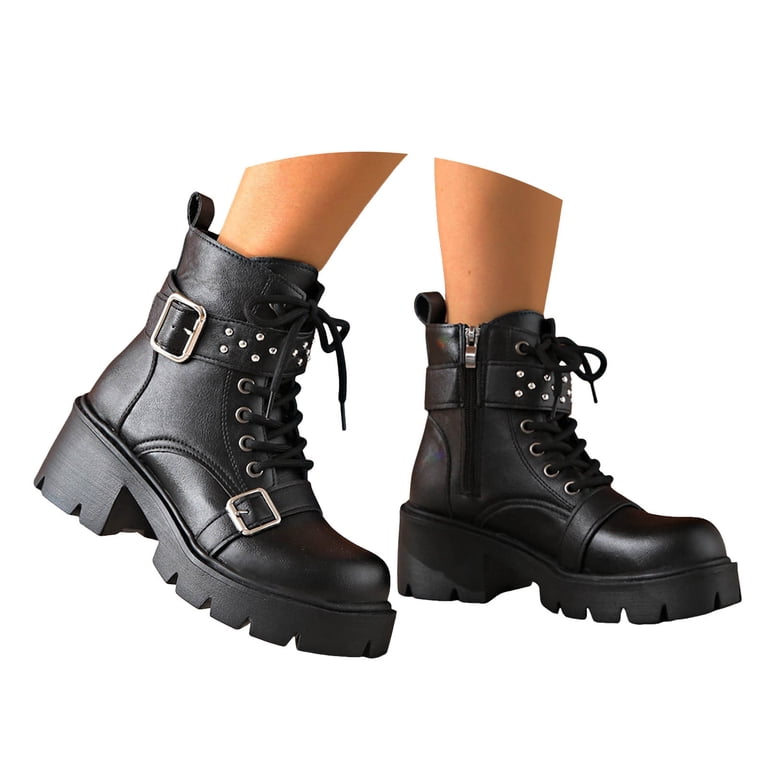
How to Lace Women’s Ankle Boots
Ankle boots usually have fewer eyelets than tall boots, so the lacing pattern must provide support with less material.
The standard crisscross method works for most ankle boots. Start with equal lace lengths and keep the tension even across the foot.
For ankle boots with a loose heel, use a lace lock at the top. For boots with a low cut, avoid pulling the top section too tightly. Excess tension can press against the front of the ankle when you bend your foot.
Use these tips for a comfortable fit:
• Keep the bottom section snug but not tight.
• Tighten the middle section to stop foot movement.
• Use the top eyelets for ankle support.
• Leave room for your ankle to bend.
• Tie the knot to the side if it presses on your shin.
Ankle boots often work well with flat cotton, nylon, or polyester laces. Round laces may look polished, but they can loosen more easily in smooth eyelets.

How to Lace Combat Boots
Combat boots usually need a secure pattern that supports the ankle and prevents movement. Their taller shafts and firm materials can feel stiff, especially during the first few wears.
Start with a standard crisscross pattern. Keep the lower laces snug around the foot, then increase tension around the ankle.
For extra stability, use a lace lock near the top. You can also use a straight-bar method if you want a clean, uniform appearance.
To create straight bars:
-
Thread the lace across the lowest pair of eyelets.
-
Bring each lace straight up on the inside.
-
Cross each lace horizontally through the next available eyelet.
-
Continue until you reach the top.
-
Tie the laces securely.
Straight-bar lacing can look sharp, but it may not provide the same flexible fit as crisscross lacing. It works best when the boot already fits well.
For daily wear, avoid wrapping long laces tightly around your ankle unless the boot’s design supports it. Extra wraps may create pressure and can catch on furniture or other shoes.
How to Lace Hiking and Work Boots
Hiking and work boots need a balance of comfort, stability, and room for natural foot movement. A strong lacing pattern cannot replace a well-fitted boot, but it can improve control on uneven ground.
Use a two-zone approach:
• Lace the lower foot with moderate tension.
• Tighten the midfoot to stop sliding.
• Use a heel lock near the ankle.
• Keep the upper shaft secure without restricting circulation.
When walking downhill, many people need more control because the foot slides toward the front. Tighten the lower and middle sections before descending. Do not simply pull the top laces harder, as this may create ankle pressure without stopping toe movement.
When walking uphill, the heel may lift. The lace lock can reduce this movement. If your heel still slips, check the boot size, sock thickness, and heel shape.
Replace damaged laces before they break on a trail or job site. Frayed laces can fail without warning. Keep a spare pair in a hiking pack or work bag.
How to Lace Knee-High and Tall Boots
Tall boots need support along the full shaft. The goal is to keep the foot stable while allowing the calf enough room to move.
Begin at the bottom and work upward. Tighten the foot area first, then adjust the ankle and calf sections separately. If the boot has hooks, guide the laces around each hook without crossing them in a way that creates pressure points.
For a wider calf:
• Use a looser pattern above the ankle.
• Skip a crossing point near the widest area.
• Use longer laces if the original pair feels too short.
• Avoid pulling the upper shaft tight enough to leave marks.
For a slim calf, lace the lower part securely and use a heel lock. Do not over-tighten the upper section to make the shaft smaller. If the boot still gaps widely, a different calf fit may work better.
Tall fashion boots may use decorative lacing rather than performance lacing. That is fine for short wear, but choose a secure pattern for long walks or active use.
Decorative Boot Lacing Styles
Lacing can change the look of women’s boots. A decorative pattern may suit a fashion outfit, while a practical pattern is better for work or travel.
Popular options include:
• Crisscross lacing for a classic look
• Straight-bar lacing for a clean, modern look
• Ladder lacing for a bold, structured appearance
• Hidden-knot lacing for a minimal style
• Two-color lacing for contrast
Ladder lacing creates horizontal bars with vertical sections along the sides. It looks strong and works well on boots with many eyelets, but it may feel less flexible than crisscross lacing.
When using decorative lacing, test the boots indoors first. A pattern that looks attractive may place pressure in the wrong spot. Comfort should guide the final choice.
For a fashion finish, match the lace color to the boot for a subtle look. Use cream, red, white, or metallic laces when you want the lacing to become part of the outfit.
How to Tie Women’s Boot Laces Securely
A loose bow can undo itself while you walk. A tight knot can be hard to remove. The best option depends on the boot and activity.
The standard bow works for most casual boots:
-
Cross the laces and make the first knot.
-
Form a loop with one lace.
-
Wrap the other lace around the loop.
-
Pull the second lace through to form another loop.
-
Pull both loops evenly.
-
Add a double knot for long walks or active work.
A surgeon’s knot adds extra hold. Make the first crossing twice before forming the bow. This creates more friction and helps the knot stay closed.
If your laces keep coming undone, try flat laces instead of round laces. Flat laces often hold better because they have more contact with the tongue and eyelets.
Tuck loose ends into the boot only if they do not press against your foot. You can also use a lace keeper or shorten the laces, but do not cut them until you have tested the final length.
Common Boot-Lacing Mistakes to Avoid
Many comfort problems come from small lacing errors. Fixing these mistakes can make old boots feel much better.
• Starting with uneven lace lengths: This causes one side to run out before the other.
• Tightening only the top: This leaves the foot loose inside the boot.
• Pulling too hard: Excess tension can cause numbness and pressure.
• Ignoring the tongue: A twisted tongue can create a painful ridge.
• Using the wrong lace length: Very short laces may not allow a secure knot.
• Wearing the wrong socks: Thick seams can cause rubbing and blisters.
• Keeping damaged laces: Frayed laces can break during use.
• Copying a pattern without checking fit: The same method may feel different on different feet.
One mistake I made early on was tightening the ankle section to fix heel slip. It helped for a few minutes, but it caused pressure when I walked downhill. A heel lock solved the problem with less tension.
If your foot feels numb, cold, or painful, stop and relace the boot. Persistent pain may point to a fit issue or a foot condition that needs professional advice.
Choosing the Right Boot Laces
The best laces depend on boot height, eyelet count, and intended use. Measure the old laces if they fit well, or count the eyelet pairs before buying replacements.
General lace choices include:
• Flat laces: Good for casual, fashion, and work boots.
• Round laces: Common for hiking and outdoor boots.
• Waxed laces: Resist slipping and suit dressier boots.
• Elastic laces: Useful for quick access, though they may offer less control.
• Cotton laces: Soft and comfortable, but they may absorb water.
• Synthetic laces: Often resist moisture and dry faster.
Lace length varies by eyelet spacing and lacing style. A boot with eight eyelet pairs may need a different length than another boot with eight pairs placed farther apart.
Measure from the lowest eyelet to the top, then compare that measurement with the product guide. Leave enough length for your preferred knot. If you use a heel lock or decorative pattern, choose slightly longer laces.
Comfort and Safety Checks
After learning how to lace womens boots, test the fit before wearing them for a full day. Walk on a safe, flat surface for several minutes.
Check for these signs:
• Your heel stays mostly in place.
• Your toes do not touch the front.
• Your ankle can bend naturally.
• The laces do not cause numbness.
• The tongue stays centered.
• The boot does not rub one small area.
• You can remove the boot without a struggle.
Some heel movement is normal in new boots, especially before the sole and upper flex. Severe movement is not normal and may cause blisters.
If you have diabetes, reduced foot sensation, poor circulation, or a known foot problem, use extra care. You may not notice pressure right away. A qualified health professional or footwear specialist can help you find a safe fit.
Research on footwear and lower-limb comfort consistently supports a well-fitted shoe with suitable support. However, lacing alone has limits. It cannot treat an injury or correct a structural foot problem.
A Simple Lacing Routine for Daily Wear
If you want one reliable routine, use this five-step method:
-
Put on the socks you will wear with the boots.
-
Place your heel firmly at the back of the boot.
-
Center the tongue and check the lace lengths.
-
Tighten from the bottom upward with even pressure.
-
Use a heel lock if your heel moves, then tie a double knot.
Walk for five minutes. If the boot feels tight across the top, loosen the middle section. If your heel lifts, keep the lower section snug and tighten the ankle area with a lace lock.
This routine works for many casual boots, ankle boots, and outdoor styles. Adjust it when the boot shape, foot shape, or activity changes.
Frequently Asked Questions About How to Lace Womens Boots
What is the best way to lace womens boots?
The standard crisscross method is the best starting point for most boots. Use even tension, tighten from the bottom upward, and add a heel lock if your heel slips.
How do I stop my heel from slipping in boots?
Use a heel-lock or lace-lock pattern through the top two eyelets. If your heel still moves a lot, check the boot size, heel shape, and sock thickness.
Should women’s boots be laced tightly?
Women’s boots should feel secure, not painfully tight. Your toes should move freely, and you should not feel numbness, tingling, or strong pressure across the foot.
How do I lace boots for wide feet?
Use window lacing by running the laces straight up over the tight area instead of crossing them. This creates more space across the instep, but it cannot replace a properly wide boot.
What lacing method is best for hiking boots?
A crisscross pattern with a heel lock usually provides a strong mix of comfort and stability. Tighten the lower foot, secure the midfoot, and avoid making the top section painfully tight.
Why do my boot laces keep coming undone?
Round or smooth laces may slip more easily, and a loose first knot can let the bow open. Try flat or waxed laces and use a double knot for walking or work.
How long should women’s boot laces be?
The correct length depends on the number and spacing of the eyelets, plus the lacing pattern. Measure a pair that fits well or follow the lace-length chart from the boot maker.
Conclusion
Learning how to lace womens boots helps you improve fit, comfort, support, and style without buying a new pair right away. Use crisscross lacing for everyday wear, a heel lock for heel slip, window lacing for pressure across the foot, and a stronger pattern for hiking or work boots.
Start with even lace lengths, keep the tongue straight, and tighten each section from the bottom upward. Then walk for a few minutes and adjust the areas that feel too loose or too tight. Try these methods with your favorite pair, and share which boot-lacing style works best for you.

Madison Clark is a footwear expert and the voice behind MyStyleGrid.com. She specializes in honest shoe reviews, style tips, and practical guides to help readers find the perfect pair for any occasion. With years of experience in blogging and content creation, Madison makes footwear knowledge simple, stylish, and easy to follow.