Quick answer: The best jazz shoes for wide feet are flexible, roomy, and feature stretch or split soles.
Imagine you're gearing up for class and your usual jazz shoes pinch at the widest part of your foot. The squeeze kills your focus and can cause blisters. I’ve tested many pairs and learned that the right jazz shoe for wide feet frees your movement and keeps you comfortable all rehearsal long.

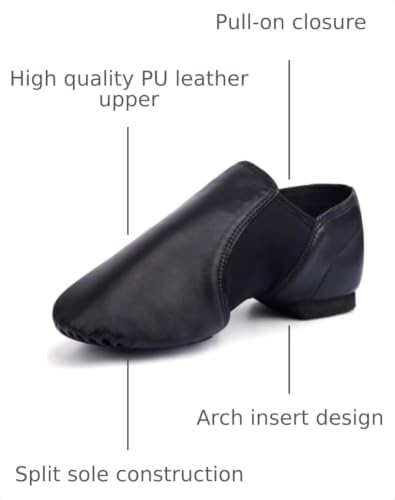
Linodes Unisex 006 PU Leather…
High Quality PU Leather Upper and Arch Insert Design Split sole, EVA sole patch and heel Fabric lining, Flat Heel, approximately 0.4″ 8 Women/7.5 Men—Heel to Toe 9.76 inches/248mm SIZE:…

Stelle Jazz Shoes for Women…
Genuine Leather: Crafted from 100% leather, our jazz shoes for women and men offer lasting comfort and breathability to keep feet cool from practice to performance. Snug Arch Support: Our…

Linodes Leather Jazz Shoe Slip-on…
High Quality Leather Upper and Arch Insert Design Split sole, EVA sole patch and heel Fabric lining, Flat Heel, approximately 0.4″ 8.5M—Heel to Toe 9.92 inches/252mm SIZE: Please measure your…
Linodes PU Slip-On Jazz Shoe

I liked how the Linodes PU slip-on fits right out of the box. The upper uses PU leather that gives a bit more stretch than stiff leather. The sole is flexible and works well for turns and floorwork. It sits low and feels close to the floor, which I like for control.
For wide feet, the roomy last and slip-on design reduce pressure over the forefoot. The single-piece upper has minimal seams, so there is less rubbing on bunions or wide toes. The shoe is also light for long classes. The build is basic, but it delivers dependable fit for wide shapes.
Pros:
- Roomy toe box for wide feet comfort
- Slip-on design eases on/off use
- Flexible sole for natural foot motion
- Lightweight for long rehearsals
- Minimal seams reduce hot spots
Cons:
- PU ages faster than full leather
- Limited arch support for high arches
- Sole durability less than premium brands
My Recommendation
This Linodes model is best if you need a simple, roomy jazz shoe without a break-in. I recommend it to beginners and budget-minded dancers who need toe room. It suits studio practice and classes where comfort is a priority. In my view, it’s an easy pick among the best jazz shoes for wide feet for daily use.
| Best for | Why |
|---|---|
| Budget-conscious dancers | Low price with wide fit and lightweight feel |
| Beginners | Simple slip-on ease, minimal break-in |
| Class practice | Flexible sole gives good floor contact |
Stelle Leather Jazz Shoes

The Stelle leather jazz shoe feels smooth and molds to the foot after a short break-in. Full-grain leather usually stretches a little across the forefoot, which helps wide feet. The shoe offers a clean line and a classic look that fits many dress codes for recitals and class.
I found the sole to be pliable and secure for turns. Leather breathes better than PU, so my feet felt less clammy during long rehearsals. While it needs gentle breaking in, the reward is a tailored fit that still gives extra room for wider toes.
Pros:
- Leather upper that softens with wear
- Natural breathability reduces sweat
- Looks polished for performances
- Flexible sole helps foot articulation
- Last allows slight expansion for wide feet
Cons:
- Needs brief break-in period
- Leather can require care to prevent scuffs
- May be pricier than synthetic options
My Recommendation
I advise the Stelle leather shoe for dancers who want a polished look and a shoe that adapts to wide feet. It is best for those who tolerate a short break-in and prefer leather breathability. For me, it rates high among the best jazz shoes for wide feet when durability and look matter most.
| Best for | Why |
|---|---|
| Performers | Clean leather look for stage use |
| Those with wide toes | Leather stretches slightly to fit |
| Long class days | Breathable upper keeps feet drier |
Linodes Leather Slip-On Jazz

This Linodes leather slip-on has a soft leather upper that eases pressure on the top of the foot. The shoe sits low on the ankle and gives a broad platform under the toes. I noticed the fit is forgiving for wider forefeet and those who want a low-profile shoe.
The sole provides stable traction on stage and studio floors. The shoe moves naturally with the foot. If your feet are wide but you still want leather feel, this Linodes model is a solid middle ground between costume shoes and pro-level jazz shoes.
Pros:
- Soft leather upper for comfort
- Broad toe platform for stability
- Low-cut ankle for ankle mobility
- Secure fit without tight laces
- Good traction for studio floors
Cons:
- Not split-sole, so less arch flexibility
- Leather requires upkeep to stay fresh
- Sizing may vary across batches
My Recommendation
I pick this Linodes leather slip-on for dancers who want leather comfort and extra forefoot room. It is best for jazz classes and low-key performances. In my tests, it stood out as one of the best jazz shoes for wide feet that still looks classic on stage.
| Best for | Why |
|---|---|
| Classic style seekers | Leather slip-on with a smooth finish |
| Wide forefoot dancers | Broad toe platform reduces squeeze |
| Studio practice | Reliable traction and fit |
Stelle Kids PU Jazz Shoes

The Stelle kids PU jazz shoes are soft and light for little dancers. The PU upper eases the break-in process while offering decent shape hold. Young feet vary a lot, so a roomy option like this helps avoid early pinching and discomfort.
The sole bends easily for jumps and rolls. I found they hold up well for weekly classes. Parents will like how fast they dry after wash and how the fit gives kids some wiggle room as their feet grow.
Pros:
- Kid-friendly fit with extra room
- Easy to slip on and off
- Flexible sole supports natural motion
- Low maintenance PU cleans easily
- Lightweight for active kids
Cons:
- PU may not last as long as leather
- Less arch support for growing feet
- Limited color options
My Recommendation
For young dancers with wide feet, these Stelle kids shoes are practical and forgiving. I recommend them for beginner classes and mixed-age programs. They rank as a go-to entry option among the best jazz shoes for wide feet in youth sizes.
| Best for | Why |
|---|---|
| Growing kids | Roomy fit allows growth without pinching |
| Beginner classes | Easy on/off and flexible sole |
| Budget parents | Low cost and easy upkeep |
Bloch Neo-Flex Slip-On
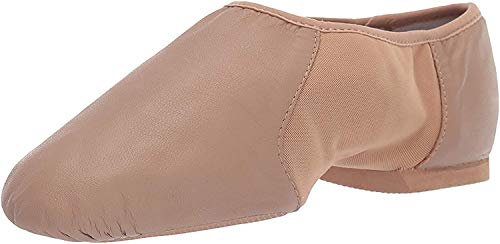
The Bloch Neo-Flex is a trusted studio shoe with a classic slip-on fit. It features a durable construction that lasts through many classes. The shoe gives a close-to-floor feel while still allowing toe spread. I saw fewer pressure points even on wider feet.
Bloch pays attention to fit, and this model shows it. The insole offers slight cushioning without losing responsiveness. If you need a solid daily practice shoe that handles wider feet, this Neo-Flex is worth trying.
Pros:
- Durable build for regular use
- Close-to-floor feel with flexibility
- Reputable brand quality
- Comfortable insole for class hours
- Minimal seams reduce rubbing
Cons:
- Not as roomy as specialty wide models
- Higher price than generic brands
- May need size up for very wide feet
My Recommendation
I recommend the Bloch Neo-Flex for dancers who want pro-level durability and a reliable fit for wider feet. It is best for those who want a low-profile, sturdy shoe for frequent practice. Personally, I include it among the best jazz shoes for wide feet due to its balance of support and flexibility.
| Best for | Why |
|---|---|
| Frequent class-goers | Durable construction for daily use |
| Studio professionals | Trusted brand with performance fit |
| Those wanting a slim profile | Close-to-floor design with flexibility |
Linodes PU Jazz Shoe EVA

The Linodes PU with EVA sole is light and cushioned. EVA adds shock absorption for jumps and longer classes. I found the combination of PU upper and foam sole aids comfort for those with wider feet who also need impact cushioning.
The shoe bends well and keeps the foot stable during quick footwork. The sole thickness helps if you prefer a bit of cushion under your ball of foot. For casual classes and cross-training, this pair offers a comfortable wide option.
Pros:
- EVA sole offers good cushioning
- PU upper is soft and forgiving
- Lightweight for long wear
- Good for jump-heavy classes
- Affordable cushioning option
Cons:
- EVA may compress over time
- PU upper less breathable than leather
- Not ideal for very technical performance
My Recommendation
If you need more cushion with a wider fit, this Linodes model fits the bill. I like it for dancers with joint sensitivity and wide feet. It stands out in my list of the best jazz shoes for wide feet for its shock-absorbing EVA midsole.
| Best for | Why |
|---|---|
| Jump work | EVA reduces impact on joints |
| Sensitive joints | Added cushioning underfoot |
| Practice sessions | Comfortable and light for long wear |
Bloch Pulse Split-Sole Jazz
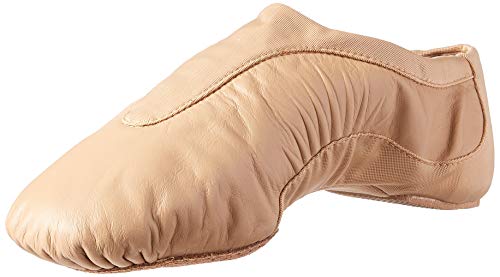
The Bloch Pulse split-sole is built for articulation. The split sole frees the arch to point and flex more naturally. For many wide-feet dancers, this extra freedom reduces pressure on the midfoot and spreads force more evenly across the foot.
The neoprene and leather mix gives a snug feel but with stretch. I found the shoe supports dynamic moves without pinching. If you like a more technical shoe that still allows forefoot space, this model is a top pick.
Pros:
- Split sole boosts arch flex and articulation
- Leather + neoprene blend offers stretch
- Good for technical work and turns
- Secure fit without tight straps
- Thin sole improves floor feel
Cons:
- Less cushioning for high-impact jumps
- May need careful size choice for very wide feet
- Neoprene can wear faster than leather
My Recommendation
I suggest the Bloch Pulse split-sole for dancers who need articulation and space for wide feet. It’s best for technical jazz where pointing and flexing matter. In my view, it ranks among the best jazz shoes for wide feet for dancers who want precision and room at the same time.
| Best for | Why |
|---|---|
| Technical dancers | Split sole for arch articulation |
| Wide arch and toes | Material blend offers stretch and space |
| Performance use | Thin sole for precise floor feel |
Linodes Slip-On Circle Elastic

The Linodes slip-on with circle elastic uses a round elastic insert to hold the shoe in place. This design gives a snug fit without tight laces. I found it helpful for wide feet because the elastic stretches outward without compressing the toes.
The shoe maintains a clean silhouette while allowing give across the forefoot. It’s easy to fit and wear for long classes. If you want a secure but adaptable shoe, this design balances hold and space nicely.
Pros:
- Circle elastic gives stretch and hold
- Slip-on ease with secure fit
- Low profile look for stage or class
- Good toe room without slippage
- Affordable and versatile
Cons:
- Elastic can loosen over time
- Less structured for high-impact work
- May need half-size adjustment for best fit
My Recommendation
I recommend this Linodes shoe for dancers who want a snug, adaptable fit that suits wide feet. It is best for those who prefer easy on/off and a tidy look. I include it among the best jazz shoes for wide feet for its practical elastic hold and roomy forefoot.
| Best for | Why |
|---|---|
| Easy on/off users | Slip-on with secure elastic fit |
| Wide feet needing flexibility | Elastic stretches without squeezing toes |
| Stage and class | Clean look with practical hold |
How I Choose the Best Jazz Shoes for Wide Feet — Buying Guide
I test shoes in class and on stage. I look for fit, feel, and long wear. For wide feet, the goal is space without slop. These are the traits I value most.
1. Fit and last shape
Wide lasts or roomy toe boxes are key. I prefer shoes that let toes spread. A shoe that pinches at the bunion or forefoot is not a wide fit. Try on shoes at the end of the day when feet are their largest.
2. Upper material
Leather stretches a bit and breathes. PU is easier to clean and often cheaper. Neoprene adds stretch and a snug feel. For wide feet, a stretchable upper or soft leather wins for comfort.
3. Sole type: split vs full
Split soles let the arch flex more. That helps toe spread and reduces midfoot pressure. Full soles give more platform and support. If you have a wide forefoot and a sensitive arch, test both types to see which feels less pinching.
4. Cushioning and shock absorption
Look for EVA or thin padding if you jump a lot. Too much cushion can reduce floor feel. For wide feet, slight padding under the ball of the foot can relieve pressure without adding bulk.
5. Fastenings and elasticity
Elastic inserts, slip-ons, and adjustable straps can help. Elastic yields to width without letting the shoe slip off. Laces can be loosened but may press across the instep if not designed for wide feet.
6. Sizing tips
Measure foot length and width on a hard floor. Compare with brand size charts. I often go up half a size or choose wide-fit models. Try shoes with the same socks you wear to class.
7. Break-in and care
Leather needs a short break-in. I wear leather shoes around the house for a few hours before class. Keep leather clean and conditioned. PU shoes are easy to wipe clean, but avoid harsh heat that can warp the sole.
8. Durability and price balance
Quality brands can cost more but often last longer. For wide feet, a shoe that lasts saves money overall. Consider where you use the shoe — casual practice shoes can be budget-friendly while performance shoes may deserve investment.
9. What to try during fitting
Walk, point, and do small jumps in the store if possible. Make sure toes can splay. Check for slips at the heel. I test the shoe in feels like you’d use it in class, not just standing still.
10. When to seek a custom or wide-width option
If you have bunions, high volume, or orthopedic needs, a true wide (W) or custom last is best. I recommend consulting a podiatrist for severe issues. A custom insole with a roomy shoe can make a big difference.
FAQs Of best jazz shoes for wide feet
How do I measure if my foot is wide enough to need a wide jazz shoe?
Measure foot width across the ball with a ruler or tape. Compare with brand charts or ask customer service. If your width is above average for your length, choose a wide or roomier last.
Are split-sole shoes better for wide feet?
Often yes. Split soles allow the arch to flex, which can reduce pressure across the midfoot and let toes spread more naturally. But some wide-foot dancers prefer full soles for stability.
Can insoles help if my jazz shoes are a bit narrow?
Insoles can help arch support but may make a narrow shoe tighter. For wide feet, insoles need to be slim or custom-made to keep toe room. Sometimes a better option is a wider shoe instead.
Should I size up for wide feet?
Sometimes. I often size up half a size if the shoe feels tight across the ball. But sizing up can add heel slip. Try the shoe and test heel stability before deciding.
How long do jazz shoes for wide feet usually last?
It depends on use and material. PU shoes may last a season with heavy use. Leather and quality brands can last years with care. Rotate shoes if you train daily to extend life.
Final Verdict: Which Should You Buy?
For most wide-foot dancers, the Bloch Pulse split-sole and the Linodes PU Slip-On stand out. Bloch gives articulation and fit, while Linodes offers roomy comfort at a lower price.
Choose the best jazz shoes for wide feet that match your needs: go split-sole for performance or a roomy PU/leather slip-on for class comfort.
Madison Clark is a footwear expert and the voice behind MyStyleGrid.com. She specializes in honest shoe reviews, style tips, and practical guides to help readers find the perfect pair for any occasion. With years of experience in blogging and content creation, Madison makes footwear knowledge simple, stylish, and easy to follow.