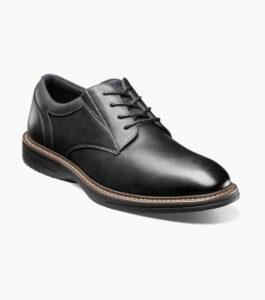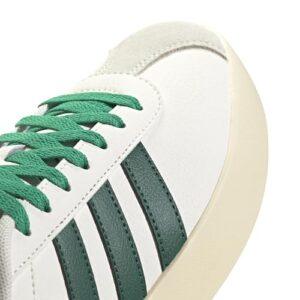
Most shoes for high arches need cushioning, arch support, and a stable base.
If you have high arches, the right shoe can make walking feel smooth instead of harsh. I’ve seen this issue come up again and again in fit checks, running shoe talks, and daily wear reviews: people with high arches often need more shock absorption and a shape that does not force the foot into a narrow, rigid position. In this guide, I’ll break down what to look for, which shoe features matter most, and how to choose the best shoes for high arches with confidence.
What high arches mean for your feet
High arches, also called pes cavus, mean the middle of your foot curves higher than average. That sounds harmless, but it changes how your body handles impact. Instead of spreading pressure evenly, the foot often loads the heel and forefoot more heavily.
That can lead to more stress on the ankles, calves, knees, and even the lower back. It can also make your feet feel tired faster, especially on hard floors or long walks. In simple terms, high arches can turn each step into a small landing, which is why the best shoes for high arches focus on cushioning and support.
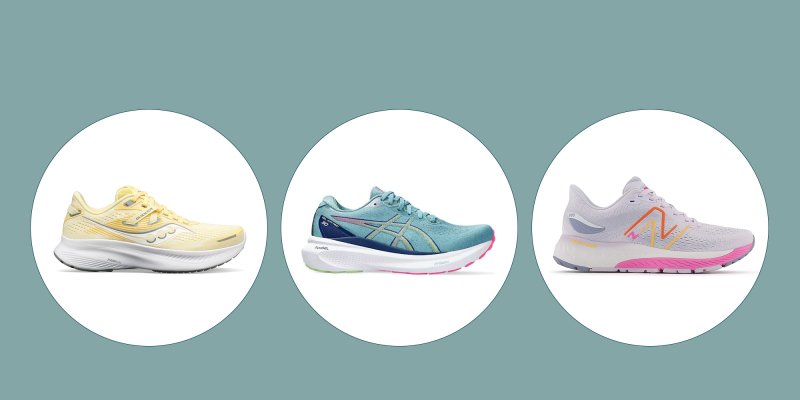
Best shoes for high arches: what actually works
The best shoes for high arches usually share a few core traits. They offer soft cushioning, a roomy fit, good heel stability, and enough structure to keep the foot from rolling too far outward. The goal is not to “flatten” the arch. The goal is to reduce pressure and help the foot move more naturally.
Here’s what tends to work best:
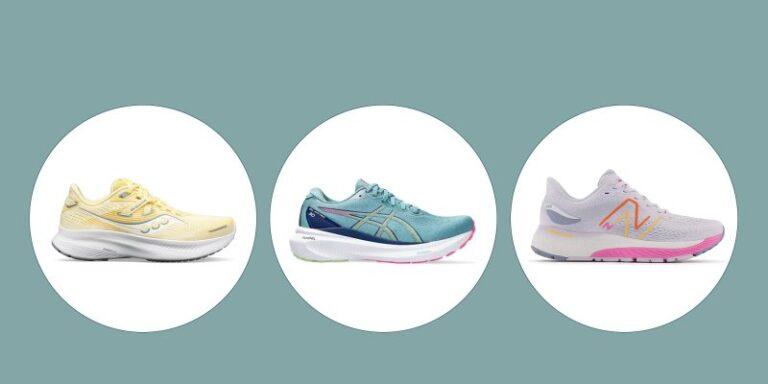
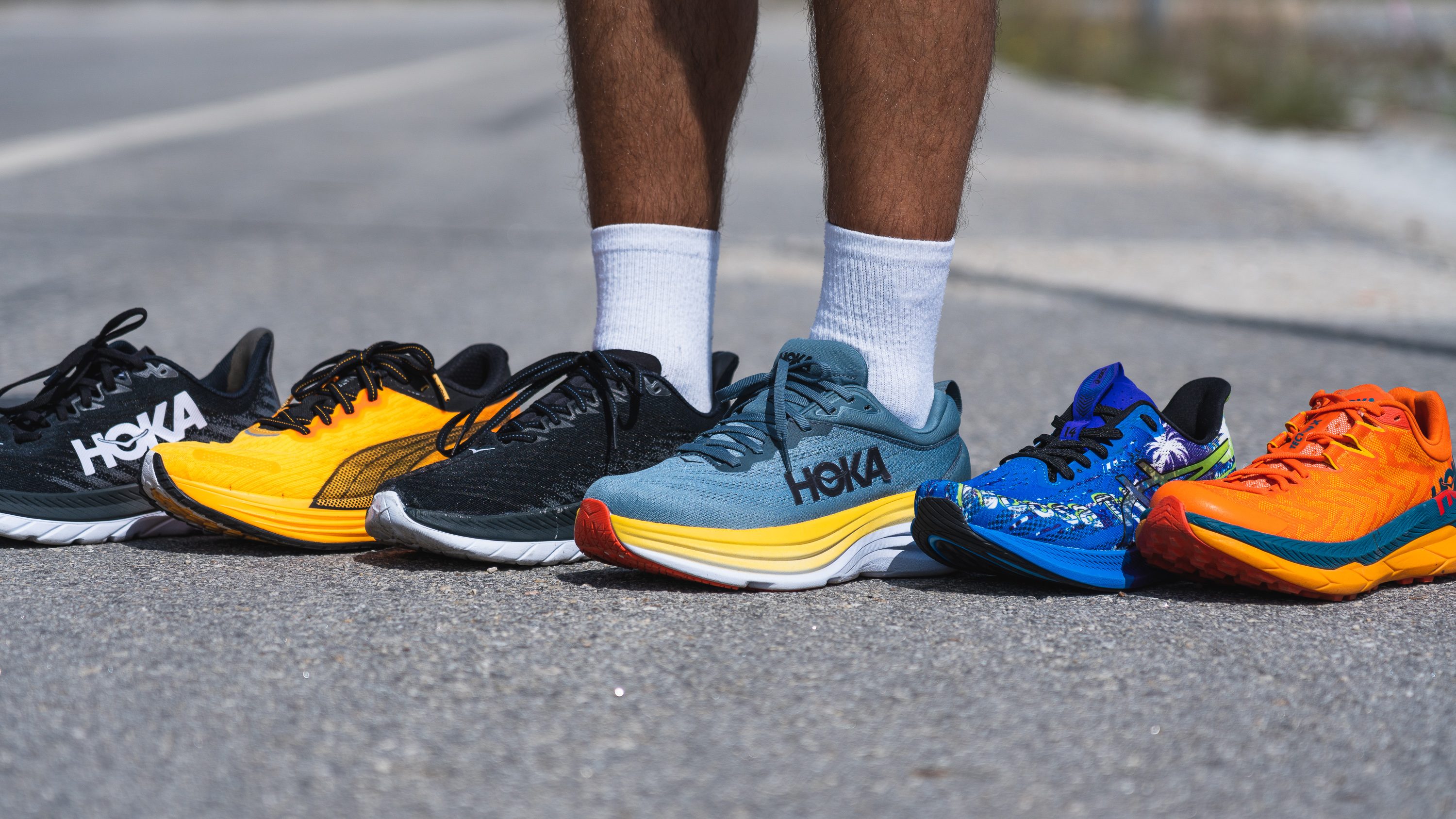
• Neutral running shoes with plush cushioning. These are often a strong choice because they absorb impact well and do not force the foot into an overly corrective shape.
• Max-cushion walking shoes. If you spend hours on your feet, these can be a game changer. They soften the load on the heel and forefoot.
• Supportive everyday sneakers. A stable base helps high arches feel less wobbly, especially if your foot tends to supinate.
• Orthotic-friendly shoes. If you use inserts, make sure the shoe has enough depth and a removable insole.
From my experience, many people with high arches make the same mistake: they buy a shoe that feels “firm and supportive” at first, then wonder why their feet ache after 20 minutes. For high arches, firm is not always better. Cushioning plus structure is usually the sweet spot.

Key features to look for in the best shoes for high arches
Choosing the best shoes for high arches is easier when you know what matters most. Shoe marketing can get noisy fast, but your feet usually care about the same few things every time.
Cushioning that absorbs shock
High arches often do not distribute force well. Extra cushioning helps reduce the pounding that can build up during walking, standing, or running. Look for midsoles made from responsive foam or soft cushioning systems that still feel stable.
Neutral or mild support design
Many people with high arches do better in neutral shoes than in heavy motion-control shoes. Strong corrective features can feel stiff or push the foot into an unnatural path. A gentle, balanced shoe is often more comfortable.
Wide toe box
A toe box with enough room lets your toes spread out. That matters because high arches can also come with a more rigid foot shape, and cramped toes can make pressure worse.
Removable insoles
This is a big plus if you use custom orthotics or over-the-counter inserts. A removable insole gives you more flexibility and helps you fine-tune the fit.
Secure heel counter
A firm heel counter helps the back of the foot feel locked in. This can improve stability without making the shoe feel hard on the arch.
Flexible forefoot
You want the shoe to bend where your foot bends. Too much stiffness in the wrong spot can make walking feel awkward and tiring.
Best shoe types for high arches by activity
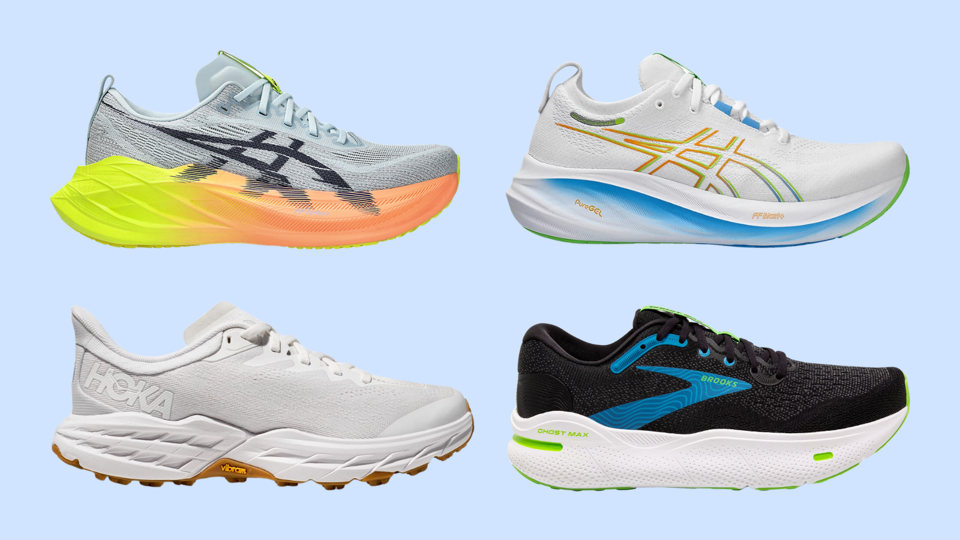
The best shoes for high arches depend on how you plan to use them. A walking shoe, a running shoe, and a work shoe all solve different problems.
Walking shoes
For everyday walking, look for soft cushioning, a smooth heel-to-toe transition, and a stable base. If you walk on concrete, this matters even more. A well-cushioned walking shoe can reduce that “slamming” feeling high arches sometimes create.
Running shoes
Runners with high arches often like neutral cushioned shoes. Many do well with models built for shock absorption and a comfortable ride. If you supinate, avoid shoes that feel overly corrective or narrow through the midfoot.
Cross trainers
If you do gym workouts, choose a cross trainer with cushioning under the heel and forefoot plus enough stability for side-to-side movement. The best shoes for high arches in the gym should not feel slippery or too soft.
Work shoes and casual sneakers
If you stand for long periods, comfort and support matter as much as style. Look for cushioned insoles, breathable uppers, and a stable outsole. A shoe that looks good but leaves your arch and heel sore by lunch is not a good trade.
Hiking shoes
For trails, high arches often need cushioning plus traction and security. A hiking shoe or trail runner with a stable heel and enough room in the forefoot usually works better than a stiff, narrow boot.
:max_bytes(150000):strip_icc()/hlt-tier-3-primary-best-shoes-high-arches-ahuang-036-bf9547cb08d84cf2bd0ac14d56a3736f.jpeg)
What to avoid if you have high arches
Some shoes make high arches feel worse, even if they look great on the shelf. The wrong fit can create pressure points, heel pain, or fatigue.
Avoid these when possible:
• Flat, unsupportive shoes that offer little shock absorption.
• Very stiff shoes that do not flex naturally.
• Narrow shoes that squeeze the forefoot.
• Heavy motion-control shoes unless a specialist specifically recommends them.
• Worn-out shoes with compressed midsoles, because they lose cushioning fast.
I always tell people this: if a shoe feels “okay” for five minutes but tiring after a full day, trust the full-day feeling. High arches often punish bad footwear slowly, not all at once.

Can insoles help high arches?
Yes, insoles can help a lot, especially if your shoes do not provide enough underfoot comfort. The best shoes for high arches often work even better with an insole that adds targeted arch support and extra cushioning.
That said, not every high-arched foot needs aggressive arch support. Some people do best with a soft, contoured insole, while others prefer a more neutral insert. If you have persistent pain, it is smart to talk with a podiatrist or physical therapist, especially if you also have heel pain, ankle pain, or frequent sprains.
Here’s the practical rule I like:
• If your shoes already feel supportive, choose a subtle insert.
• If your shoes feel flat, test a supportive insole with enough padding.
• If an insole makes your arch hurt more, stop using it and reassess the fit.

How to choose the right size and fit
Even the best shoes for high arches fail if the fit is off. High arches often go along with a foot shape that needs more volume through the midfoot and forefoot.
Use this simple fitting checklist:
-
Try shoes later in the day. Feet swell a bit, so this gives a more realistic fit.
-
Make sure there is enough toe room. You should be able to wiggle your toes easily.
-
Check the midfoot. It should feel secure, not squeezed.
-
Walk on a hard floor. Listen to how the shoe lands. Harsh impact usually means poor cushioning.
-
Remove the insole if needed. This helps you see whether a custom insert will fit.
A good fit should feel supportive, not restrictive. Think of it like a seatbelt: secure, but never pinching.

Best shoes for high arches for common foot pain patterns
High arches often show up with other issues, and the right shoe can help reduce them.
Heel pain
Heel pain is common because the heel takes more impact. Shoes with thick, soft cushioning and a stable heel can help lessen that stress.
Ball of foot pain
A high arch can shift pressure to the forefoot. Look for shoes with forefoot cushioning and a roomy toe box.
Supination
Many high-arched feet tend to supinate, meaning they roll outward. Neutral shoes with a stable platform usually work best here.
Frequent ankle rolling
If your ankles feel unstable, choose shoes with a secure heel and a broad base. This can improve balance without making the shoe too rigid.
Practical tips from real-world shoe testing
After seeing how different shoes perform in real life, one thing stands out: comfort on day one is not the full story. Some shoes feel amazing in the store and fail on a long walk. Others feel average at first and become favorites after a few wear tests.
A few lessons I keep seeing:
• Test shoes on the surfaces you use most.
• Do not ignore heel slip. It often causes friction and fatigue.
• Replace shoes before the midsole dies. High arches usually notice cushioning loss sooner.
• If one shoe brand fits your foot shape well, start there next time. Fit patterns matter.
• If you need more comfort, adjust lacing before giving up on the shoe.
The best shoes for high arches are the ones that reduce pressure and keep your stride smooth all day, not just for a few steps in the mirror.
Frequently Asked Questions
What kind of shoes are best for high arches?
The best shoes for high arches are usually neutral, well-cushioned shoes with a stable base and a roomy toe box. They help absorb shock and reduce pressure on the heel and forefoot.
Do high arches need arch support?
Yes, but usually not extreme support. Many people with high arches do best with moderate support, soft cushioning, and a shoe that matches the natural shape of the foot.
Are running shoes good for high arches?
Yes, especially neutral running shoes with good cushioning. If you have pain or instability, a podiatrist or running specialist can help you find the right level of support.
Can high arches cause foot pain?
Yes. High arches can increase pressure on the heel, ball of the foot, ankles, and sometimes the knees or lower back. The right shoes can reduce that strain.
Should I use orthotics with high arches?
You may benefit from orthotics if your feet feel unstable or painful in regular shoes. Start with shoes that have removable insoles and enough depth so the insert fits well.
How do I know if my shoes are wrong for high arches?
If your shoes feel hard, unstable, or tiring after short wear, they may not be a good match. Common warning signs include heel soreness, forefoot pain, and frequent ankle fatigue.
Conclusion
Finding the best shoes for high arches comes down to one simple idea: protect the foot without boxing it in. Look for cushioning, a stable platform, a roomy fit, and enough flexibility for natural movement. That combination usually makes the biggest difference in daily comfort.
If you have high arches, do not settle for shoes that only look supportive. Test them, walk in them, and pay attention to how your feet feel after real use. If you want, start by comparing a few neutral cushioned models and see which one gives you the smoothest, easiest stride.