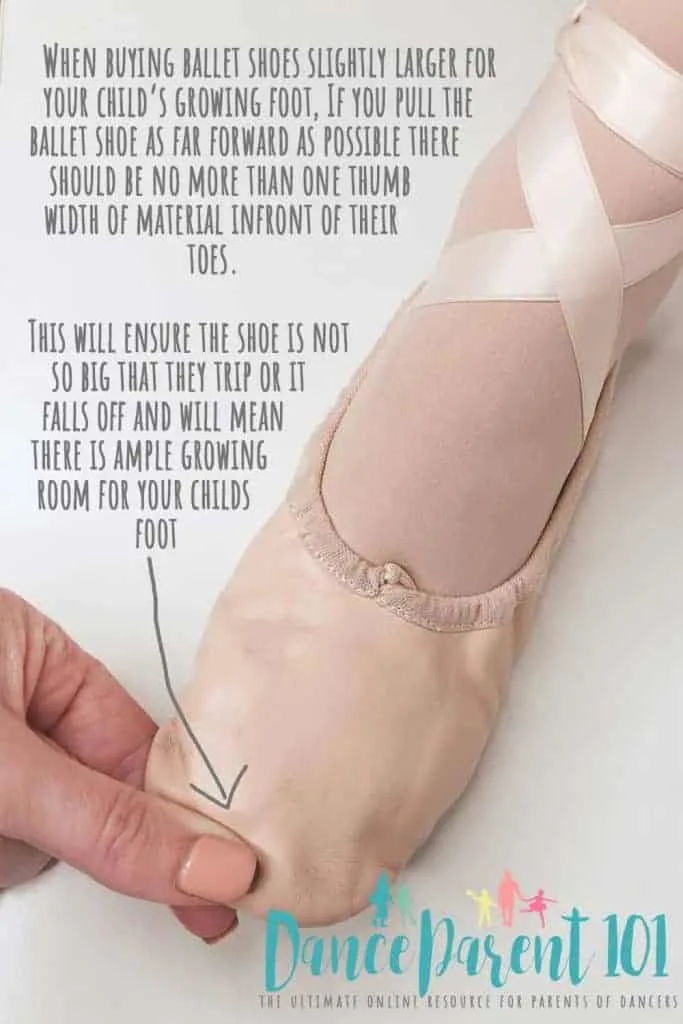
Ballet shoes should fit snugly around the foot, toes filled, with no heel slip or painful pressure.
I’ve spent years fitting dancers of all ages and levels, and I know exactly how should ballet shoes fit to support technique and prevent injury. This guide blends hands-on experience, clear measurement steps, and practical tips so you can choose shoes that feel right, look clean on the line, and help you dance with confidence. Read on to learn precise fitting cues, common pitfalls, and real-world advice from fitting room practice.

Why proper fit matters
A correct fit keeps your foot safe and your lines clean. When you know how should ballet shoes fit, you reduce blisters, avoid toe pain, and support better balance. Poor fit changes weight placement and can limit turnout or point work. Teachers, clinicians, and experienced fitters agree: fit affects technique and long-term foot health.
Personal note: I once fitted a student who’d worn shoes two sizes too big for years. Simple fit changes improved her stability and stopped frequent ankle sprains. That experience taught me to prioritize fit over style or brand.

How should ballet shoes fit: step-by-step fitting guide
Follow these steps to answer the question how should ballet shoes fit precisely.
- Measure your foot length and width.
- Stand with weight on the foot.
- Trace or use a brannock device and record the longest toe.
- Check the toe box.
- Toes should lie flat and follow the shoe’s shape.
- No curled or smashed toes. Full contact but no jammed nails.
- Confirm heel contact.
- Heel should sit snug, not slip out when you walk or relevé.
- A slight compression of the heel cup is fine.
- Assess arch and instep fit.
- The shoe should cup the arch without gapping.
- Ribbons and elastics should hold the shoe firmly without digging.
- Test movement.
- Relevé, plié, and tendu in the shoes.
- The shoe must stay in place and not fold oddly.
How should ballet shoes fit when you try them on? Try them standing, then move. Dance demands dynamic fit, not just how they feel sitting down.

Common PAA-style questions in fitting
How should ballet shoes fit at the toes?
- The toes should be straight and relaxed inside the shoe. They should fill the toe box without excess space or painful compression.
How should ballet shoes fit for different foot shapes?
- Choose styles and materials that match your foot shape; split soles often suit high arches, while full soles can help low arches. Proper measurement and trying multiple brands is essential.

Common fit problems and how to fix them
Even with care, problems arise. Here are common issues and quick fixes when you’re checking how should ballet shoes fit.
- Heel slip
- Cause: Too large size or low heel cup. Fix: Size down or use heel pads.
- Pinching at toes
- Cause: Narrow toe box or wrong last. Fix: Try a wider style or stretch the shoe gently.
- Gapping at instep
- Cause: Low instep or loose elastic. Fix: Add elastic or try a snugger option.
- Blisters and hot spots
- Cause: Friction from poor fit. Fix: Use toe tape, moleskin, or adjust ribbons and elastics.
From my experience, adding a small heel pad solves most heel slip problems for intermediate dancers. I keep several pads in my fitting kit.

Choosing the right type and material
How should ballet shoes fit depends on material and sole type. Choose with this in mind.
- Canvas
- Breathable and easy to stretch. Good for classes and beginner feet.
- Leather
- Smoother shape and longer-lasting. Offers firm support and molds slowly.
- Full sole
- More support and feedback; better for beginners and certain training.
- Split sole
- Flexible and shows the arch; favored for exams and performance.
Tip: Leather fits snugly and may require break-in. Canvas gives more immediate comfort. Knowing how should ballet shoes fit for your activity helps you pick the right construction.

Measuring your foot and when to size up or down
Accurate measuring answers how should ballet shoes fit before you try on shoes.
- Measure both feet standing.
- Record length and widest point.
- Compare to brand sizing (each brand varies).
Size up when:
- You have high arches that need extra room.
- You will wear thicker foot pads or toe protectors.
Size down when:
- The shoe feels too loose and slips during relevé.
- You have snug narrow feet and toes float in the box.
A practical rule: prefer a snug fit that allows movement without pain. When in doubt, try both sizes and dance a few steps.
Breaking in, caring for, and maintaining fit
Good care keeps the fit stable and the shoe performing.
- Break-in tips
- Wear short sessions and slowly increase use.
- Use softening agents for leather sparingly.
- Maintain fit
- Store shoes flat or lightly stuffed to hold shape.
- Replace worn elastics and ribbons regularly.
- When to replace
- If the sole splits, toe box collapses, or padding loses shape.
My advice: track hours worn. Once performance or support drops, replace the shoe. Proper care protects your feet and keeps the intended fit true.

Frequently Asked Questions of how should ballet shoes fit
What signs show ballet shoes are too small?
Red marks, numb toes, and constant pain indicate shoes are too small. If toenails bruise or circulation feels cut off, size up.
Can ballet shoes be stretched to fit better?
Canvas and some leather stretch slightly with wear and targeted stretching. Avoid forcing more room; switching style or size is safer.
How tight should the elastic be on ballet shoes?
Elastics should hold the shoe snugly without digging into the skin. You should be able to slide a finger under the elastic comfortably.
Should there be space at the heel of ballet shoes?
Minimal or no heel space is ideal; a small gap that closes when you relevé can be acceptable. Persistent heel slip means the shoe is too large.
Are split sole shoes harder to fit than full sole shoes?
Split soles can feel less stable at first but show the arch better. Both types require the same attention to toe alignment and heel fit.
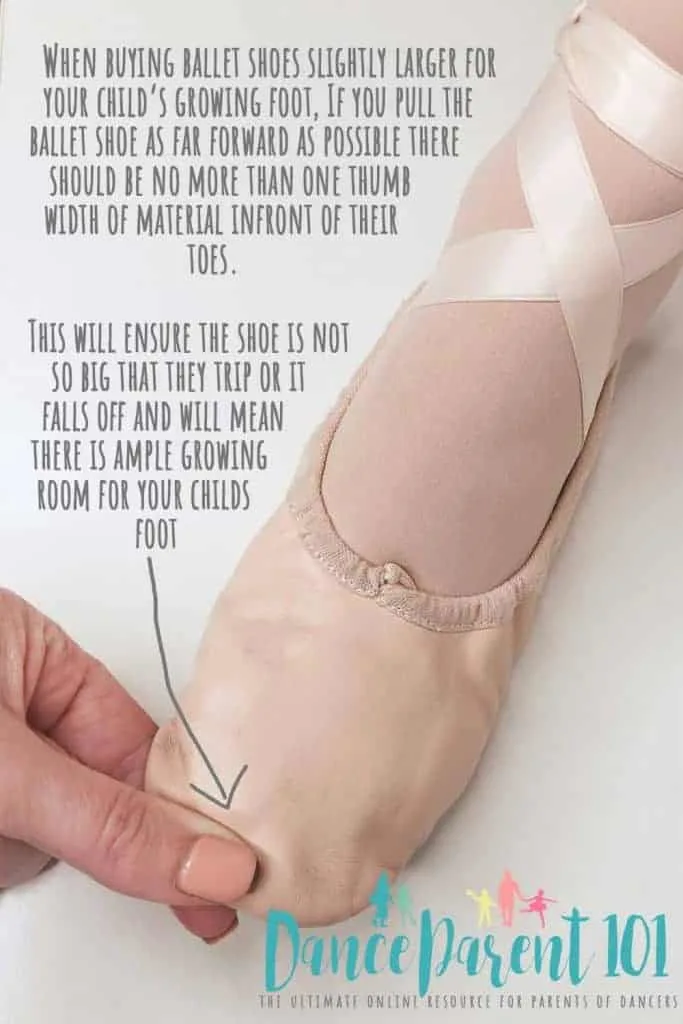
How should ballet shoes fit for children whose feet grow quickly?
Fit snug but allow a little room for growth; check fit often and prioritize comfort. Replace shoes when fit changes or performance is affected.
Conclusion
A well-fitting shoe supports technique, prevents injury, and makes dancing feel effortless. Mastering how should ballet shoes fit means measuring correctly, testing movement, and choosing the right material and size. Start with a snug, comfortable fit—no pinching, no slipping—and adjust with pads or different styles as needed. Try these steps in your next fitting, keep notes on what works, and don’t hesitate to ask a fitter for help. Share your fitting stories, subscribe for more tips, or leave a comment about your favorite brand and fit tricks.
Madison Clark is a footwear expert and the voice behind MyStyleGrid.com. She specializes in honest shoe reviews, style tips, and practical guides to help readers find the perfect pair for any occasion. With years of experience in blogging and content creation, Madison makes footwear knowledge simple, stylish, and easy to follow.