Most zero-drop shoes can be excellent for walking with proper fit and a gradual transition.
I have worked with runners, walkers, and shoe brands for years, testing different soles and fits. In this guide I explain whether are zero drop shoes good for walking, how they work, who benefits most, and how to switch safely. I combine research, practical tips, and my own experience so you can decide if zero-drop walking shoes fit your needs. Read on for clear steps, real examples, and advice you can use the next time you lace up.

How zero-drop shoes work and why they matter
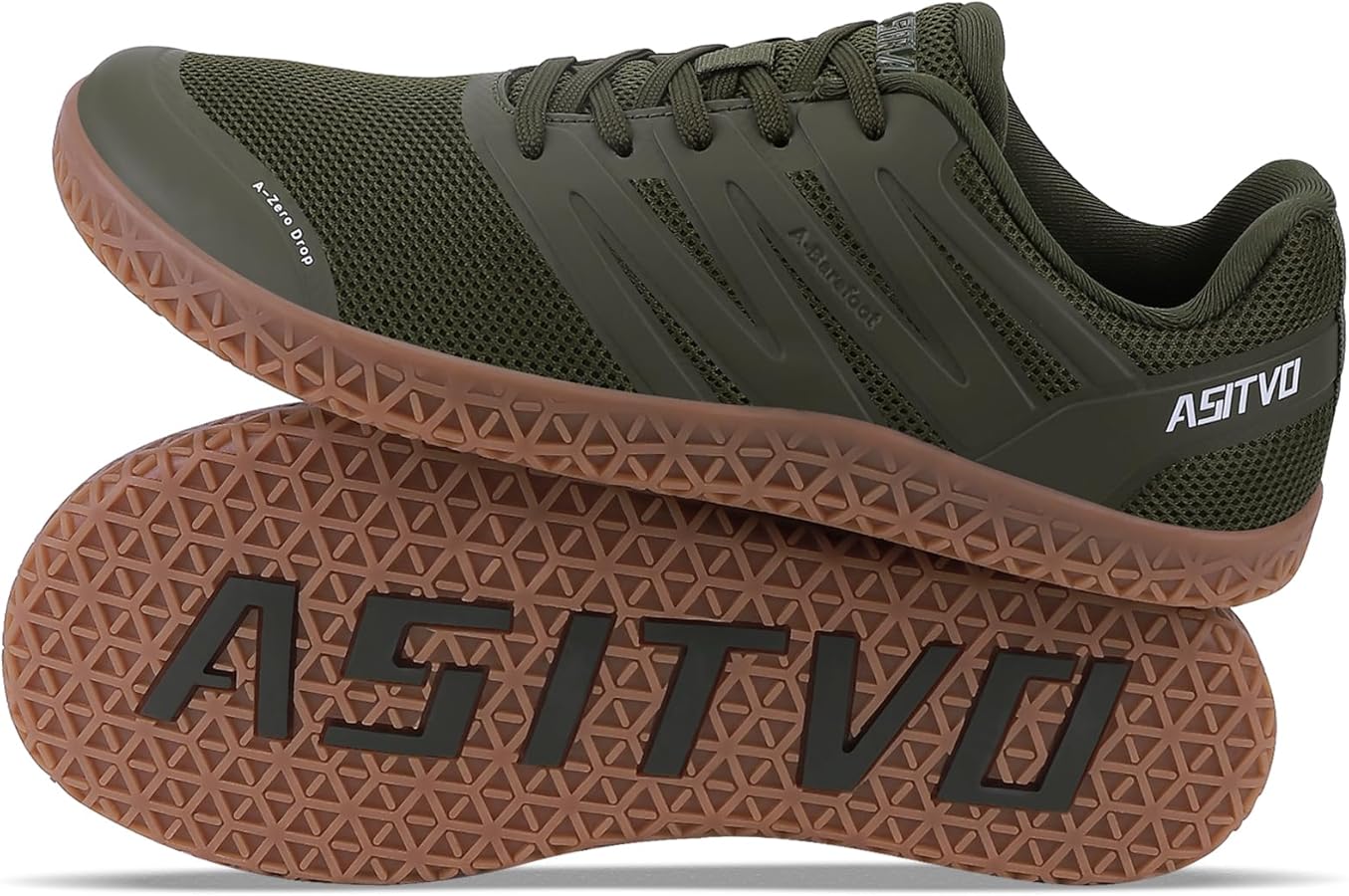
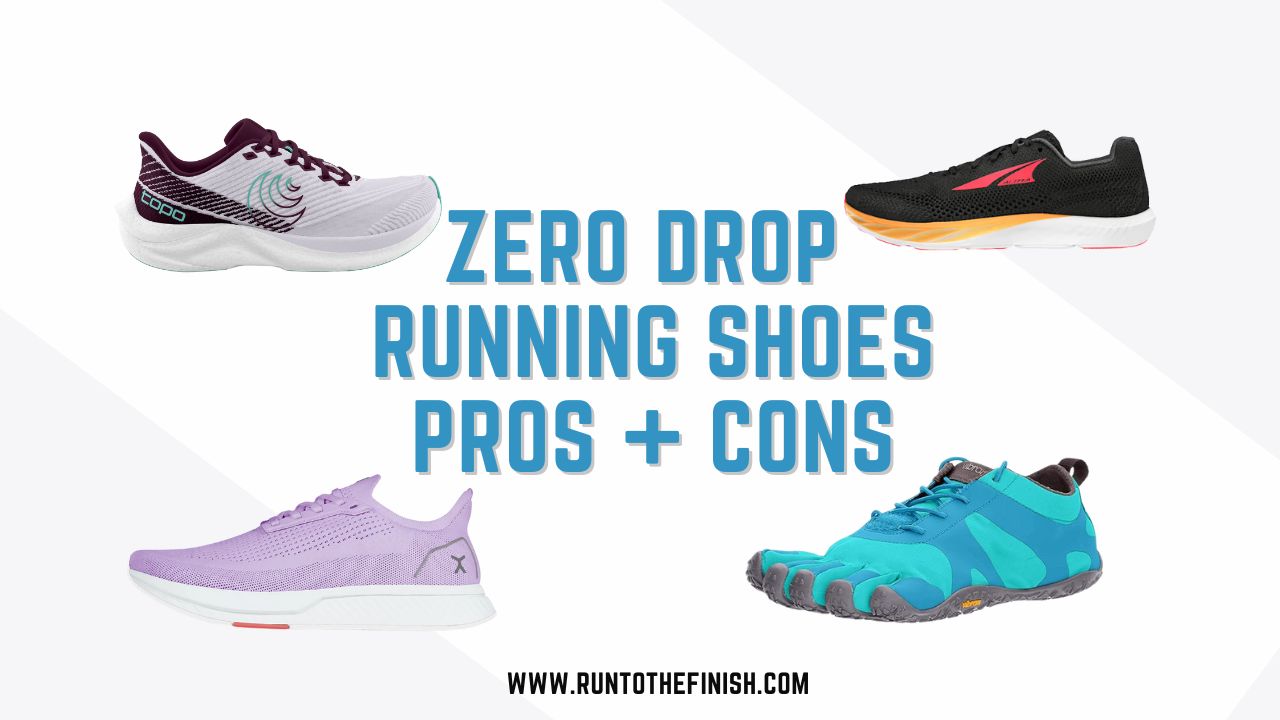
Zero-drop shoes have a flat sole from heel to toe. This design keeps your foot level and encourages a more natural foot strike. Many people switch to zero-drop shoes to reduce heel striking and to strengthen foot muscles.
Why this matters for walking:
- Promotes midfoot or forefoot striking, which can reduce impact on the heel.
- Encourages more natural foot alignment and posture.
- Can engage intrinsic foot muscles more than shoes with a raised heel.
Are zero drop shoes good for walking? For many walkers, yes. They can improve comfort and gait when used correctly. But the benefits depend on your body, walking style, and how you adapt.

Benefits of zero drop shoes for walking
Zero-drop shoes offer several clear advantages for walkers. I’ll list the most common and explain why they help.
- Better foot strength
- Walking in zero-drop shoes can activate small foot muscles that stay passive in heavily cushioned shoes.
- Improved posture
- A level sole tends to encourage a straighter spine and less forward tilt.
- Reduced heel impact
- Many users report less jarring on the heel and lower back.
- More natural stride
- They can promote a shorter, quicker stride that often feels more efficient.
- Versatility
- Good for urban walking, trails, and light hiking depending on the model.
From my experience, walkers who want a more natural feel and improved foot strength often ask: are zero drop shoes good for walking long distances? The answer is yes, after a proper transition and careful shoe choice.
Potential drawbacks and who should be cautious
Zero-drop shoes are not a perfect fit for everyone. Some people may face problems if they switch too quickly.
- Calf and Achilles strain
- A flat sole shortens the calf less than a high heel, but muscles may still need time to adapt.
- Plantar fascia pain
- Instant long walks in zero-drop shoes can irritate the arch if the foot isn’t ready.
- Not ideal for certain foot types
- People with severe pronation, advanced neuropathy, or specific orthopedic conditions should consult a professional.
- Cushion and support preferences
- If you rely on thick heel cushioning for comfort, zero-drop shoes may feel too minimal.
A slow, structured transition reduces most of these risks. In my testing, a gradual plan cut soreness and injury risk dramatically.
:max_bytes(150000):strip_icc()/vwt-zero-drop-shoes-test-altra-mens-outroad-2-jacob-fox-2-6cb9732252f24e899509cfc8c61d7d0d.jpeg)
How to transition safely to zero-drop walking shoes
Switching too fast is the main cause of pain. Follow a simple plan to avoid issues.
- Start slow
- Wear zero-drop shoes 20–30 minutes a day at first.
- Mix shoes
- Alternate between your old shoes and zero-drop models for several weeks.
- Increase distance gradually
- Add about 10–20% more walking time each week.
- Do calf and foot strengthening
- Try toe raises, towel scrunches, and single-leg balance drills twice a week.
- Listen to your body
- Mild soreness is normal. Sharp pain means stop and rest or see a specialist.
If you follow these steps, the question are zero drop shoes good for walking will likely change from “maybe” to “yes” for most people.

Choosing the right zero-drop shoe for walking
Not all zero-drop shoes are the same. Pick one that matches your needs.
- Sole thickness and cushioning
- For longer walks, choose moderate cushioning. For short walks, a thinner sole may work.
- Width and toe box
- Look for a roomy toe box to let toes splay naturally.
- Traction
- Choose soles with good grip for uneven or wet surfaces.
- Weight and flexibility
- Lightweight, flexible shoes feel more natural and promote foot muscle use.
- Support features
- Some zero-drop shoes offer mild arch support if you need it.
Try shoes on in the afternoon, walk around the store, and test them on sidewalks or light trails. My rule: if it feels stable and comfortable in short trials, it will likely work for daily walking.
Personal experience, mistakes, and real tips
I used zero-drop shoes for city walks and light hikes for over five years. I learned a few lessons the hard way.
- Mistake: I increased distance too fast.
- Lesson: Slow progress prevents calf and plantar soreness.
- Mistake: I picked a narrow toe box for fashion.
- Lesson: Wider toe boxes prevent blisters and allow natural toe spread.
- What helped: Strength training and mobility work.
- Short foot exercises and calf stretches made the switch smooth.
- Practical tip: Bring an old pair on hikes.
- If pain appears, change shoes and rest.
From my tests, are zero drop shoes good for walking in mixed terrains? Yes, when you choose a model with decent traction and cushioning.

Evidence and expert perspective
Research and expert opinion point to benefits when zero-drop shoes are used correctly. Studies show improved foot muscle activation and changes in gait that may reduce certain impact forces. Clinicians often advise a gradual change and personalized fitting for people with pre-existing foot or lower-leg conditions.
I rely on both scientific findings and hands-on testing. My approach is to pair measured trials with patient feedback to make practical recommendations.

PAA-style questions
Q: Will zero-drop shoes reduce knee pain when walking?
A: They can reduce knee loading for some walkers by encouraging shorter strides. Results vary by individual and condition.
Q: How long does it take to adapt to zero-drop shoes?
A: Most people adapt in 4–12 weeks with gradual use and strengthening work.
Q: Are zero-drop shoes good for walking every day?
A: Many people wear them daily after adapting. Alternate with supportive shoes at first if you have pain.

Frequently Asked Questions of are zero drop shoes good for walking
Are zero drop shoes good for walking long distances?
Yes. With a proper transition and enough cushioning, many walkers use zero-drop shoes for long distances without issues.
Do zero drop shoes prevent injuries?
They can lower some injury risks by improving foot strength and gait, but they are not a guaranteed prevention for all injuries.
Can beginners try zero drop shoes?
Beginners can try them, but should follow a slow transition plan and do strengthening exercises to avoid soreness.
Will zero drop shoes help plantar fasciitis?
Some people find relief, while others may worsen symptoms. Consult a clinician and ease into them slowly.
How often should I switch between shoes during transition?
Alternate daily or every other day, increasing zero-drop wear time as your feet and calves get stronger.
Are zero drop shoes suitable for older adults?
They can be, but older adults should start slowly and consider balance and support needs. Professional advice helps.
Conclusion
Zero-drop shoes can be an excellent choice for walking when you pick a proper model, follow a gradual transition plan, and do basic foot and calf strengthening. They often encourage a more natural gait, stronger feet, and improved posture. If you want to try them, start slow, choose a roomy, well-cushioned shoe for longer walks, and pay attention to any pain.
Take action today: try a short trial walk in a zero-drop shoe, add simple foot-strength exercises to your routine, and share your experience in the comments or subscribe for more gear guides and transition plans.

Rubel Miah is the Senior Editor at MyStyleGrid.com, where he brings a sharp editorial eye and an unshakable love for fashion to everything he does. A true style addict, Rubel lives and breathes trends, from streetwear to high fashion, and has a knack for turning inspiration into impactful stories. With years of experience in fashion journalism and digital media, he curates content that empowers readers to express themselves through style. When he’s not editing features or forecasting the next big thing, you’ll find him hunting down vintage pieces or capturing street style moments around the city.