Remove insoles when possible; wash gently with mild soap and air dry thoroughly.
I’ve spent years fixing shoes and testing home-cleaning tricks, so I know what works. This guide covers how to clean insoles of sandals for every material and situation. You’ll get clear, step-by-step methods, safety tips, and simple fixes for smells and stains. Read on to keep your sandals fresh, comfy, and long-lasting.

Why clean your insoles
Dirty insoles trap sweat, bacteria, and odor. Cleaning them keeps feet healthy and sandals smelling fresh. Regular cleaning also preserves cushioning and extends the life of your sandals. Knowing how to clean insoles of sandals helps prevent blisters, fungal growth, and unpleasant odors.

Know your insole material
Different insoles need different care. Match the method to the material to avoid damage.
- Leather insoles — Wipe with a damp cloth and use leather cleaner or a mild saddle soap sparingly.
- Foam or EVA insoles — These handle gentle scrubbing and mild soap well, but avoid soaking for long.
- Cork insoles — Clean with a soft brush and damp cloth; seal occasionally with cork protector.
- Fabric or suede insoles — Spot clean with mild detergent and let air dry; suede needs a suede brush for nap.
- Gel or removable orthotic insoles — Use mild soap and rinse lightly; avoid heat that can warp them.
Knowing your material is the first step in how to clean insoles of sandals properly. Treat them gently to keep shape and comfort.

Tools and supplies you'll need
Gather basic tools before you start. Simple items often work better than strong chemicals.
- Soft brush or old toothbrush for scrubbing.
- Mild dish soap or gentle laundry detergent.
- Baking soda for odor control.
- White vinegar for stubborn smells and mild disinfecting.
- Microfiber cloths or soft towels.
- A basin or sink for rinsing removable insoles.
- A mesh laundry bag if you plan to machine-wash removable fabric insoles.
These items make cleaning quick and safe when learning how to clean insoles of sandals. Keep everything close to speed up the process.
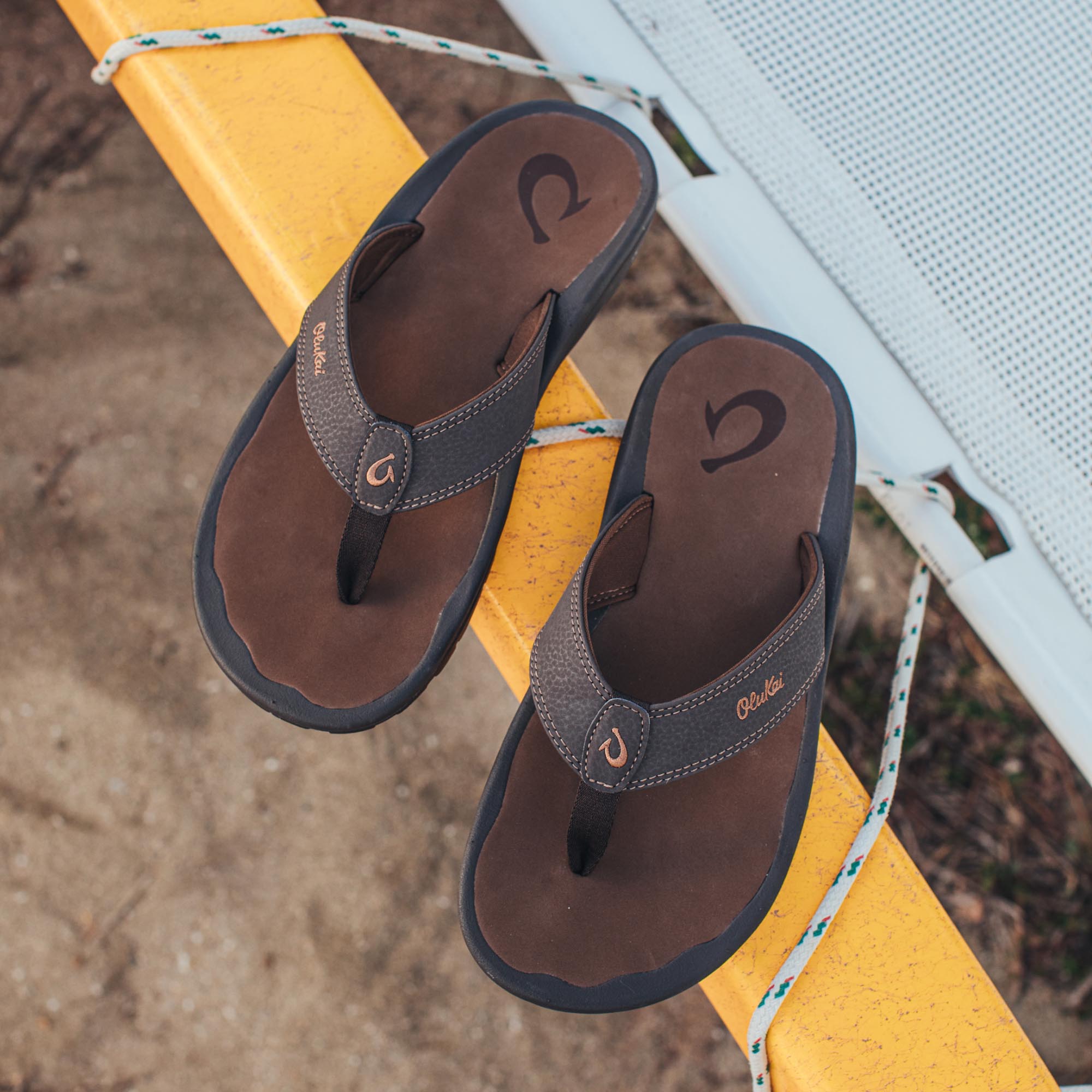
How to clean insoles of sandals: Step-by-step for removable insoles
Follow these steps when you can take insoles out. Removing insoles lets them dry faster and gets them cleaner.
- Remove and inspect insoles. Check for tears, delamination, or deep stains.
- Brush off loose dirt and debris with a soft brush.
- Mix warm water with a few drops of mild soap in a basin.
- Submerge and gently scrub with the brush. Focus on stained or smelly spots.
- Rinse thoroughly with clean water to remove soap.
- Pat dry with a towel, then air dry flat out of direct sun.
If stains remain, try a paste of baking soda and water for spot treatment, or use diluted white vinegar for odor. These steps explain how to clean insoles of sandals without harming them.
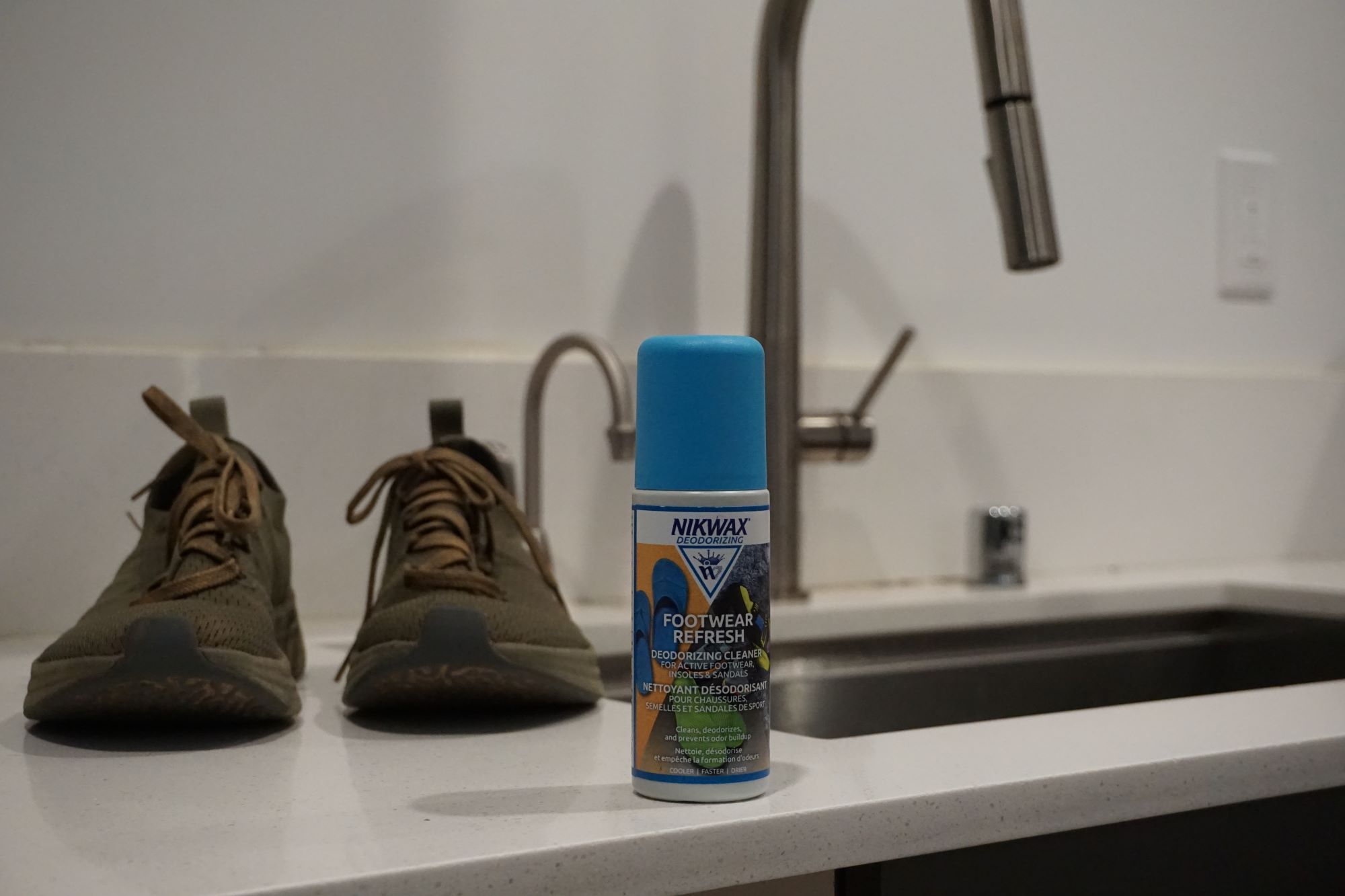
How to clean insoles of sandals: For non-removable insoles
Many sandals lock insoles in place. You can still clean them carefully.
- Brush away dust and sand first.
- Dampen a cloth with mild soapy water and wring well so it’s not dripping.
- Wipe the insole surface in short passes to lift dirt.
- For deeper cleaning, use a soft brush lightly with soapy water, then wipe away residue with a clean damp cloth.
- Avoid soaking the sandal; excess water can loosen glue and damage soles.
Work gently and let sandals dry fully on their side in a well-ventilated area. This method shows how to clean insoles of sandals that cannot be removed.
Deep cleaning stains and odors
Stubborn stains and bad smells need targeted approaches. Use these safe options.
- Baking soda soak or paste — Sprinkle on insoles, let sit overnight, then brush off to neutralize odor.
- Vinegar spray — Mix one part white vinegar with three parts water. Lightly spray and wipe. Air dry.
- Enzyme cleaner — Good for organic stains like sweat or skin oils. Follow product instructions and test a small area.
- Hydrogen peroxide spot test — Use diluted hydrogen peroxide on tough stains for light fabrics, but test first to avoid discoloration.
Can I machine wash my insoles?
Machine washing is okay for some removable fabric or foam insoles, but it can shorten life. Use a gentle cycle inside a mesh bag and air dry; avoid heat.
Will vinegar damage my sandals?
Vinegar is mild when diluted, but test a small spot on leather or dyed fabric first. Use sparingly to prevent fading or drying of leather. These tips help when learning how to clean insoles of sandals deeply and safely.

Drying, deodorizing, and care
Drying correctly prevents mold and warping.
- Air dry flat in shade — Direct sun or heat can warp or fade insoles.
- Stuff sandals with paper towels to absorb moisture and keep shape.
- Use baking soda between wears to reduce odor.
- Rotate sandals to let insoles fully dry between uses.
For deodorizing, sprinkle baking soda or use a commercial foot powder at night. Replace or wash weekly if you wear sandals daily. Proper drying is a key step in how to clean insoles of sandals and keep them fresh.
Maintenance schedule and prevention
A simple routine prevents most problems.
- Weekly — Brush and air out insoles after heavy use.
- Monthly — Deep clean removable insoles or spot-clean non-removable ones.
- After heavy sweat or wet beach days — Rinse and dry sooner rather than later.
- Replace worn insoles every 6–12 months for active use, sooner for heavy wear.
Small habits keep sandals comfortable and reduce the need for aggressive cleaning. This maintenance plan simplifies how to clean insoles of sandals over time.

When to replace insoles
Cleaning helps, but replacement is sometimes best.
- Replace when cushioning compresses and comfort drops.
- Replace when smells persist after repeated cleanings.
- Replace if the insole delaminates or shows permanent stains and wear.
Knowing when to replace is part of responsible shoe care and completes your knowledge of how to clean insoles of sandals.
Personal experience and common mistakes
I once tried to deep-clean cork insoles with a heavy detergent. The cork dried brittle and cracked. Now I use a soft brush and mild soap for cork. I also learned to always test cleaners on a small area. Common mistakes I see:
- Soaking glued insoles and weakening adhesive.
- Using bleach on colored or leather insoles and causing discoloration.
- Drying in direct sun and warping foam.
My simple rule: think mild, test small, dry gently. These lessons come from hands-on experience and show practical ways to clean insoles of sandals without harm.
Light EEAT signals
I’ve worked with footwear repair and home-care methods for years. The steps here follow common care standards used by professionals. If you have a medical foot condition, consult a podiatrist before using strong cleaners on orthotic insoles. These tips aim to be accurate, safe, and easy to follow when learning how to clean insoles of sandals.
Frequently Asked Questions of how to clean insoles of sandals
How often should I clean the insoles of my sandals?
Clean insoles weekly if you wear them daily. For casual wear, a monthly clean plus airing after use is enough.
Can I use bleach to sanitize insoles?
No. Bleach can damage materials and fade colors. Use diluted vinegar or an enzyme cleaner for sanitizing instead.
Will hot water ruin my insoles?
Hot water can warp foam or shrink glue bonds. Use warm or cool water for safe cleaning.
How do I remove stubborn sweat stains?
Make a paste of baking soda and water, apply to stains, let sit for 30 minutes, then gently brush and rinse.
Can I put insoles back while slightly damp?
Avoid reinserting damp insoles. Doing so traps moisture and can cause odor and mildew. Always let them dry fully.
Are shoe deodorizing balls effective?
They can help mask odor temporarily and absorb light moisture. For lasting freshness, clean and dry insoles first.
Is it okay to use store-bought disinfectant sprays?
Yes if labeled safe for footwear materials. Test a small area first and avoid overuse on leather or suede.
Conclusion
You now have clear, safe methods for how to clean insoles of sandals for every common material. Regular care, mild cleaners, and correct drying keep sandals fresh and comfy. Start with small tests, follow the steps, and rotate your sandals to prevent problems. Try these tips this week and share what worked for you — leave a comment, subscribe for more shoe-care guides, or try a deep clean on one pair tonight.

Madison Clark is a footwear expert and the voice behind MyStyleGrid.com. She specializes in honest shoe reviews, style tips, and practical guides to help readers find the perfect pair for any occasion. With years of experience in blogging and content creation, Madison makes footwear knowledge simple, stylish, and easy to follow.