On Cloud shoes can suit wide feet, but only selected wide models offer enough room and support.
The answer to “are On Cloud shoes good for wide feet” depends on the model, your foot shape, and how much space you need in the toe box. Many standard On shoes feel slim, while wide versions can provide a far better fit for broad feet, bunions, or swollen feet.
Are On Cloud Shoes Good for Wide Feet?
On Cloud shoes can be good for wide feet when you choose the right model and size. However, the brand’s standard-width shoes often have a close, streamlined fit. This may feel snug across the forefoot, especially if your toes spread naturally when you walk or run.
The best choice is usually an On shoe marked “Wide.” These models offer more room through the toe box and midfoot. They still keep the brand’s light feel, firm cushioning, and recognizable CloudTec sole.
The key point is simple: not every On Cloud shoe fits wide feet in the same way.
People with mildly wide feet may feel comfortable in a standard model. People with very wide feet, bunions, high-volume feet, or sensitive toes will likely do better in a wide version.
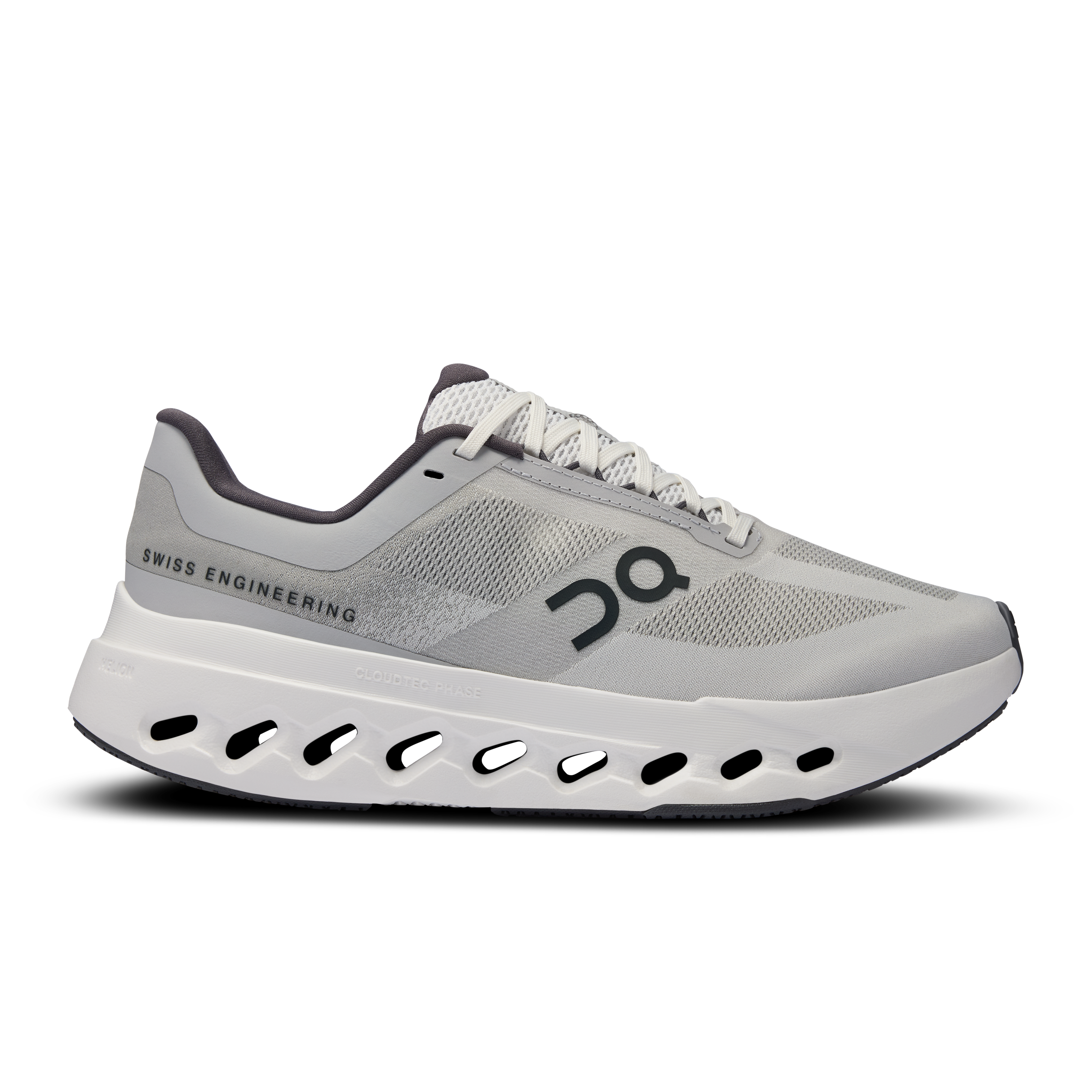
How On Cloud Shoes Fit
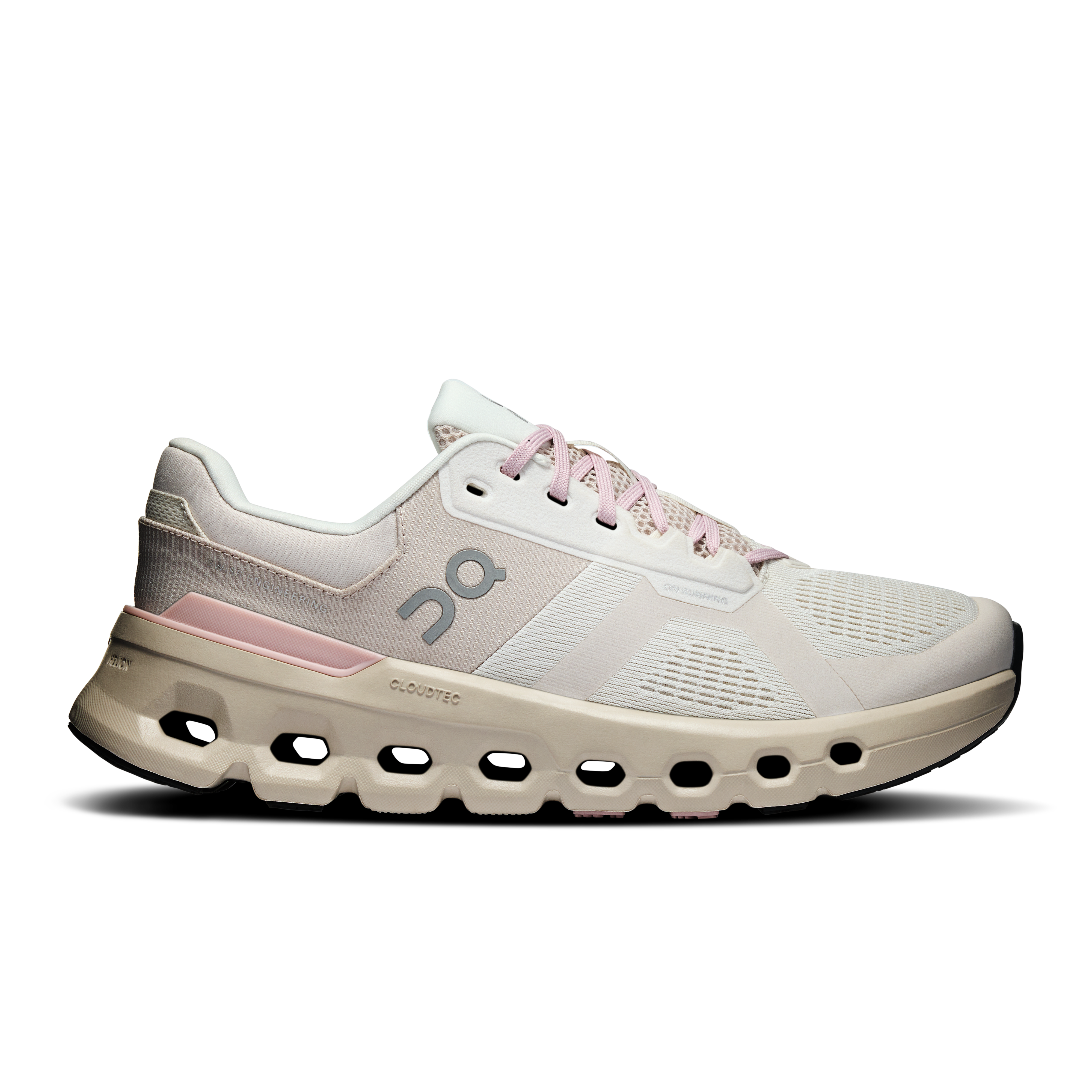
On shoes are known for a secure, performance-focused fit. The heel and midfoot often feel snug, while the front of the shoe may feel narrow in some models.
This design can work well for runners who want their foot to stay stable. It can feel less comfortable for people who need extra space across the ball of the foot.
Here is how the fit usually feels:
• Heel: Often secure and well held.
• Midfoot: Usually close and supportive.
• Toe box: Varies by model and width.
• Upper: Light and flexible, but not always roomy.
• Sole: Firm and springy rather than soft and plush.


When asking “are On Cloud shoes good for wide feet,” focus on the forefoot. Your heel may fit well while your toes feel cramped. That mismatch is a common sign that you need a wide version, not simply a longer shoe.
A longer shoe does not always solve a width problem. It can push your heel backward, create slipping, and cause your toes to grip the ground. More width is usually the better answer.

Which On Cloud Models Work Best for Wide Feet?
On offers several shoes, and their fit can change from one model to another. Availability also changes by color, region, and season, so check the current size chart before buying.
On Cloud 5 Wide
The Cloud 5 Wide is one of the clearest options for people who want a casual walking shoe with extra room. It has a roomy feel compared with the standard version and works well for daily errands, travel, and light standing.
It may suit you if you want:
• A casual lifestyle shoe
• A light, flexible feel
• Extra room across the forefoot
• Easy slip-on comfort
The Cloud 5 Wide may not provide enough support for long-distance running or serious overpronation. It is better viewed as a daily comfort shoe than a high-support training shoe.
On Cloudrunner Wide
The Cloudrunner Wide is often a better choice for walking, fitness, and running. It has more support and structure than many casual On models.
This shoe may help if your feet feel tired during long walks. Its wider fit can reduce pressure around the toes, while its stable platform may feel reassuring for beginners.
It is still important to try it on. A wide label does not guarantee a perfect fit for every foot. Some people need more toe height, while others need more space across the midfoot.
On Cloudmonster
The Cloudmonster has a generous amount of cushioning and a broader-looking platform. Some people with wide feet find it more comfortable than slim On models.


Still, the regular Cloudmonster is not automatically a wide shoe. If your feet are truly broad, look for a wide version when available. Do not assume that a large sole means a wide upper.
On Cloudswift
The Cloudswift has a performance fit. It can feel secure for running but may feel too narrow for wide feet in the standard width.
If you have a wide forefoot, try this model late in the day. Feet often swell after hours of walking. A shoe that feels fine in the morning may feel tight during an afternoon run.

Signs That Your On Shoes Are Too Narrow
A shoe can feel tight without causing pain right away. Watch for early warning signs.
Your On shoes may be too narrow if:
• Your little toe rubs against the side.
• Your big toe points inward.
• You see red marks after wearing them.
• Your toes overlap or feel squeezed.
• You develop blisters near the forefoot.
• Your feet feel numb or hot.
• Your toes cannot spread as you walk.
• You remove the shoes as soon as you get home.
Pain is not a normal part of breaking in athletic shoes. Modern running shoes should feel comfortable from the start. The upper may soften slightly, but it should not need to stretch around a painful pressure point.


A useful test is the thumb-width rule. With your heel gently against the back of the shoe, you should have about a thumb’s width between your longest toe and the front. You also need enough side room for the widest part of your foot.
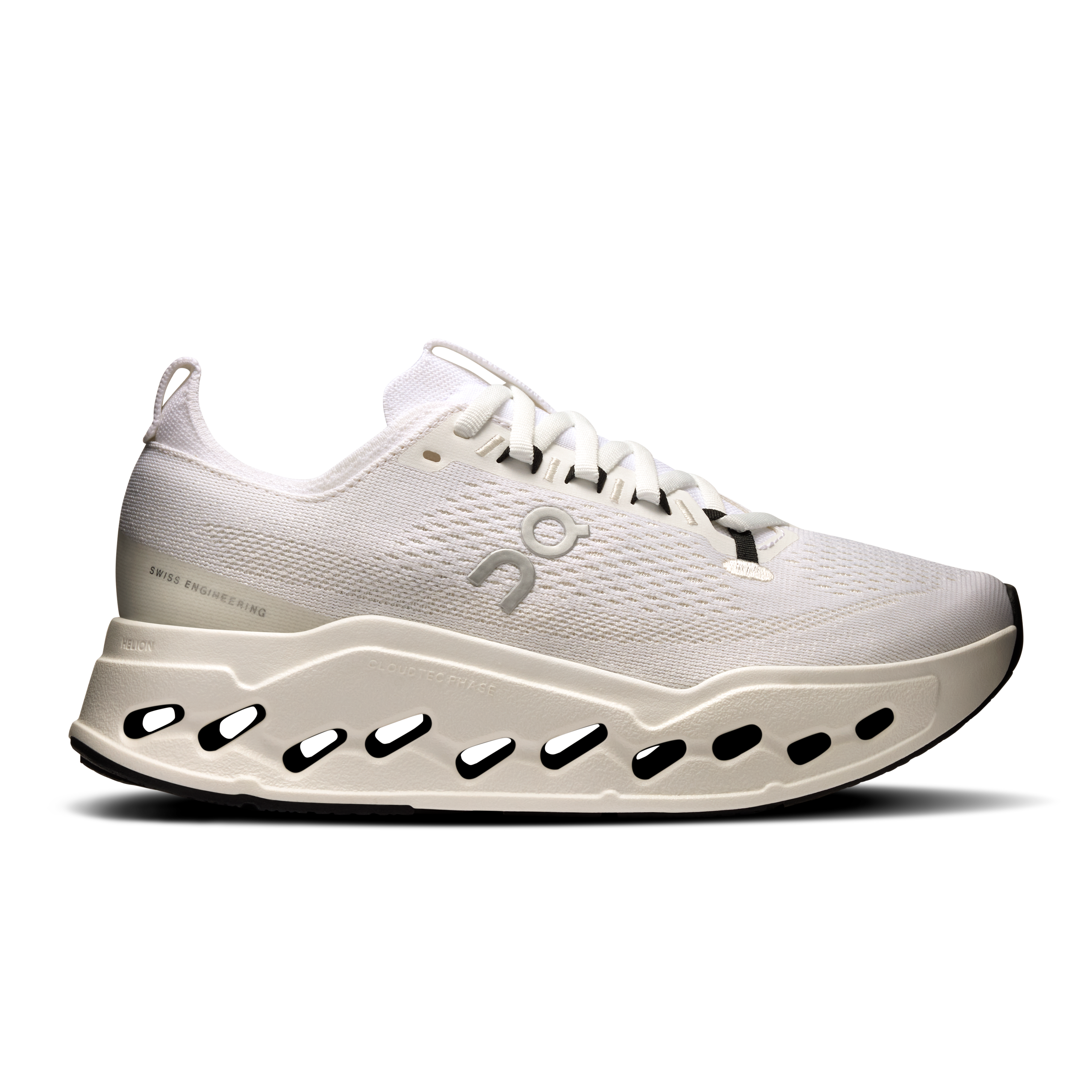
Benefits of On Cloud Shoes for Wide Feet
The right On model can offer several useful benefits.
Lightweight Design
On shoes are often lighter than many traditional walking or running shoes. This can make a difference during travel, long shifts, or daily walks.
A lighter shoe may help your legs feel less tired. However, light weight should not come before comfort or support.
Secure Heel Fit
Many On shoes hold the heel well. This can reduce unwanted movement and help the foot feel stable.
For wide feet, a secure heel is especially useful. It lets you choose a roomier forefoot without creating too much heel slip.
Breathable Uppers
Many On models use breathable mesh or engineered fabric. This can help reduce heat and moisture during exercise.
Breathability does not fix a narrow fit, but it can improve comfort when the shoe fits correctly.
Responsive Cushioning
On’s CloudTec cushioning aims to create a soft landing and a responsive push-off. Some wearers enjoy the firm, energetic feel.
Not everyone likes firm cushioning. If you prefer a soft, sinking feel, an On shoe may feel less comfortable than a plush walking shoe.
Wide Options
The availability of wide models makes the brand more accessible to people who cannot wear its standard fit. This is one reason the answer to “are On Cloud shoes good for wide feet” is more positive than it was for older models.
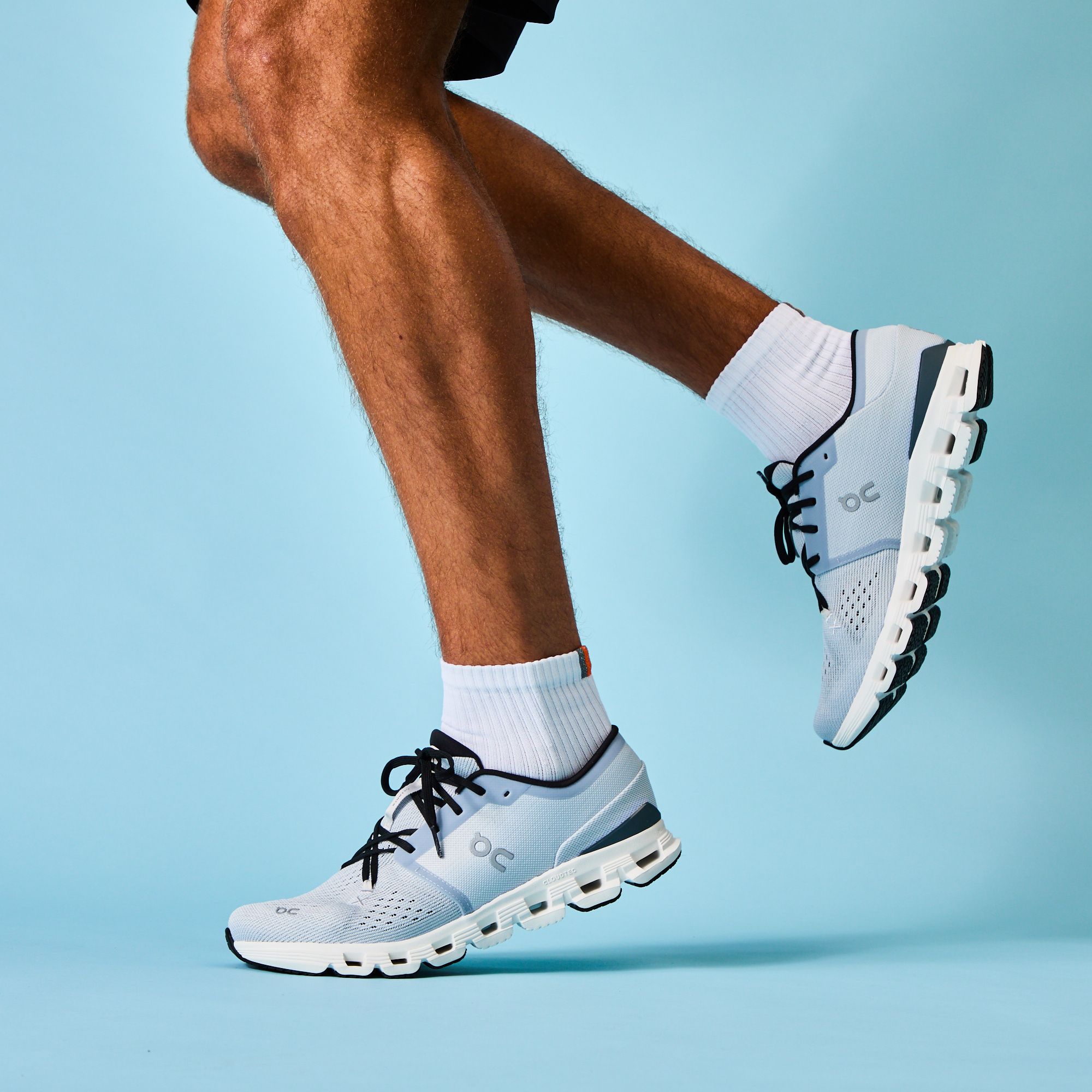
Possible Problems for Wide Feet
On Cloud shoes are not perfect for every wide foot. A few limitations deserve attention.
Standard Models Can Feel Narrow
This is the most common issue. The shoe may look spacious because of its large sole, yet the upper can still press against the forefoot.


Do not judge width by appearance. Judge it by how your toes sit inside the shoe.
Firm Cushioning Is Not for Everyone
Some On shoes feel firm underfoot. This can feel stable and lively, but it may not suit people with sensitive joints or a strong need for soft cushioning.
People with arthritis, plantar heel pain, or foot fatigue may prefer a shoe with a softer midsole. If you have a medical condition, ask a podiatrist for personal advice.
The Toe Box May Lack Height
Width is only one part of fit. Some feet need extra vertical room because of swelling, hammer toes, or a high instep.
A shoe can be wide enough at the sides but still press on the tops of your toes. Check both width and height.
The Fit May Change During the Day
Feet often expand with heat, activity, and standing. A morning fitting may not show your true needs.
This is why many footwear professionals suggest trying shoes later in the day. It gives you a more realistic fit.

How to Choose On Cloud Shoes for Wide Feet
Use this simple process before you buy.
-
Measure both feet while standing. One foot is often slightly larger.
-
Measure your feet late in the day, when they are naturally fuller.
-
Wear the socks you plan to use with the shoes.
-
Check the widest part of your foot, not just your toe length.
-
Look for a wide model when the standard version feels tight.
-
Walk for several minutes on a clean indoor surface.
-
Test stairs, turns, and a gentle jog if you plan to run.
-
Check for pressure after removing the shoes.
Your toes should move freely. Your heel should stay in place. The shoe should feel secure without squeezing your foot.
Do not size up just to gain width. A longer shoe can create heel movement and poor control. Choose a wider model whenever possible.
Also check the return policy. Feet differ, and online size charts cannot show every part of a shoe’s shape.

Lacing Tips for Wide Feet
Good lacing can improve comfort, but it cannot turn a narrow shoe into a wide shoe.
Try skipping the eyelets over the widest part of your foot. This reduces pressure on the forefoot while keeping the heel secure.
You can also use a heel-lock lace at the top eyelets. This helps prevent heel slip when you loosen the lower laces.
A useful setup is:
• Loosen the lower laces across the toes.
• Keep the middle laces relaxed over the widest area.
• Use a firm heel lock near the ankle.
• Walk and check for pressure or movement.
If the upper still leaves red marks, the shoe is likely too narrow. Lacing should fine-tune a good fit, not hide a poor one.
On Cloud Shoes Compared With Other Wide-Fit Brands
On Cloud shoes have a distinctive feel. They are often light, sleek, and firm. Other brands may offer a rounder toe box, softer cushioning, or more width choices.
For example, some walking and running brands offer several widths, such as wide and extra wide. This can make them easier to fit if your feet need a lot of space.
On may be a strong choice if you want:
• A modern, lightweight design
• A secure heel
• A firm and responsive ride
• A stylish shoe for daily wear
Another brand may be better if you need:
• Extra-wide sizing
• A very soft midsole
• A tall toe box
• More room for orthotics
The best shoe is the one that matches your foot, activity, and comfort needs. Brand loyalty should never replace a proper fit.

Do On Cloud Shoes Need to Be Broken In?
Most On shoes should feel comfortable during the first wear. A short adjustment period is normal, but strong pressure or pain is not.
Wear new shoes indoors for 20 to 30 minutes. Check your toes, heel, arch, and the sides of your foot.
Stop and reassess if you notice:
• Burning or numbness
• Sharp pressure
• Blisters
• Toe rubbing
• Pain that increases with each step
A small amount of upper flexibility may develop over time. The shoe will not usually become dramatically wider. If it is clearly too tight on day one, choose another width or model.
A Practical Fit Test for Wide Feet
Try this test before keeping your shoes.
First, stand with both feet on the floor. Your toes should spread without touching the sides. Next, walk at a normal pace and notice whether your foot slides forward.
Then bend your knees and take a few steps. This shows how the shoe behaves when your foot carries more weight. Finally, remove the shoes and inspect your skin for red spots.
A good fit should give you:
• Free toe movement
• Even pressure across the upper
• A stable heel
• No painful rubbing
• Enough length for natural swelling
This test is more useful than simply asking whether a shoe feels soft. Softness can hide pressure for a few minutes. A proper fit remains comfortable as you move.
Are On Cloud Shoes Good for Wide Feet? Frequently Asked Questions
Are On Cloud shoes naturally wide?
Most standard On Cloud shoes have a regular, streamlined fit rather than a naturally wide fit. Some models are available in wide versions, which are usually a better choice for broad feet.
Should I size up in On Cloud shoes for wide feet?
Sizing up may add length but does not always add enough width. A wide version is usually safer because it provides more room without causing excess space in front of your toes.
Which On Cloud shoe is best for wide feet?
The best option depends on your activity, but wide versions of the Cloud 5 and Cloudrunner are common starting points. Check the current product details because model names and available widths can change.
Can people with bunions wear On Cloud shoes?
People with bunions may wear an On shoe if the toe box does not press on the bunion. Choose a wide model, check for side pressure, and stop wearing it if the area becomes painful or irritated.
Are On Cloud shoes good for walking with wide feet?
They can be good for walking when the width, cushioning, and support match your needs. A wide walking or stability model is often more comfortable than a narrow lifestyle model for long walks.
Do On Cloud shoes stretch over time?
The upper may loosen slightly with use, but it should not be expected to stretch a full size or width. If the shoe feels tight at the start, choose a different width or model.
How much room should I have in On Cloud shoes?
Leave about a thumb’s width between your longest toe and the front of the shoe. Your toes should also have enough side room to spread without rubbing the upper.
Conclusion
So, are On Cloud shoes good for wide feet? Yes, they can be, but the model and width matter more than the brand name. Standard versions may feel narrow, while wide models can offer better toe room, stable heel support, and useful comfort for walking or running.
Measure your feet later in the day, try shoes with your usual socks, and look for pressure on the toes and sides. Choose comfort over style, and explore wide options before settling on a pair. Share your experience or check more fit guides to find the best match for your feet.

Rubel Miah is the Senior Editor at MyStyleGrid.com, where he brings a sharp editorial eye and an unshakable love for fashion to everything he does. A true style addict, Rubel lives and breathes trends, from streetwear to high fashion, and has a knack for turning inspiration into impactful stories. With years of experience in fashion journalism and digital media, he curates content that empowers readers to express themselves through style. When he’s not editing features or forecasting the next big thing, you’ll find him hunting down vintage pieces or capturing street style moments around the city.