The best kayaking shoes are secure, quick-drying, water-friendly, and sturdy enough to protect your feet on land and in water.
Knowing what shoes to wear kayaking can make the difference between a smooth day on the water and cold, sore, slippery feet. After testing footwear on calm lakes, rocky launches, muddy banks, and long carry-ins, I’ve learned that the best pair is not always the most expensive one. Fit, grip, drainage, protection, and weather all matter.

Why Your Kayaking Shoes Matter
Kayaking shoes do more than keep your feet dry. They help you stand on wet rocks, protect your toes from sharp shells, and keep your feet steady inside the kayak.
A good pair also adds comfort during launch and landing. Many paddling spots require you to walk over gravel, sand, roots, or uneven trails before you reach the water.
The wrong shoes can cause several problems:
- Slippery soles can lead to falls near the shore.
- Heavy shoes can make your feet tired.
- Poor drainage can leave your feet wet for hours.
- Loose shoes may come off in deep water.
- Stiff soles can make it harder to control your kayak.
When deciding what shoes to wear kayaking, think of them as part hiking shoe, part water shoe, and part safety gear. They should work well in all three settings.

The Best Types of Shoes for Kayaking
There is no single best shoe for every trip. Your ideal footwear depends on the launch site, water temperature, weather, and type of kayak.
Water Shoes
Water shoes are the most versatile choice for many recreational kayakers. They are light, flexible, and made to drain water fast.
Most water shoes have mesh panels, rubber soles, and an adjustable fit. They work well for warm-weather lake trips, slow rivers, and sandy beaches.
Choose water shoes with:
- A snug heel
- Strong toe coverage
- Thick rubber soles
- Drainage holes
- A secure lace, toggle, or strap system
Avoid very thin water shoes if you expect sharp rocks. They may feel comfortable in the kayak but offer little protection during launch.
Neoprene Kayaking Booties
Neoprene booties are excellent for cool water and cold weather. They work like a wetsuit for your feet by trapping a thin layer of water and warming it with body heat.
Many booties have rubber soles for better grip. Some are soft and flexible, while others have firm soles for rocky shorelines.
Booties are a strong choice for:
- Spring and fall paddling
- Cold lakes and rivers
- Sea kayaking
- Sit-on-top kayaks
- Trips where your feet may stay wet
Be careful with sizing. A bootie that is too tight can restrict circulation. One that is too loose may fold under your foot or come off in the water.
Neoprene Socks
Neoprene socks offer warmth but not much protection from rough ground. They fit well inside sandals, water shoes, or kayaking booties.
They are useful when you need extra insulation without a bulky shoe. However, they should not be your only footwear on rocky launches or sharp riverbeds.
I once wore thin neoprene socks alone during a calm shoreline launch. The water felt fine, but the gravel quickly became uncomfortable. Since then, I pair them with a shoe that has a firm sole.
Kayaking Sandals
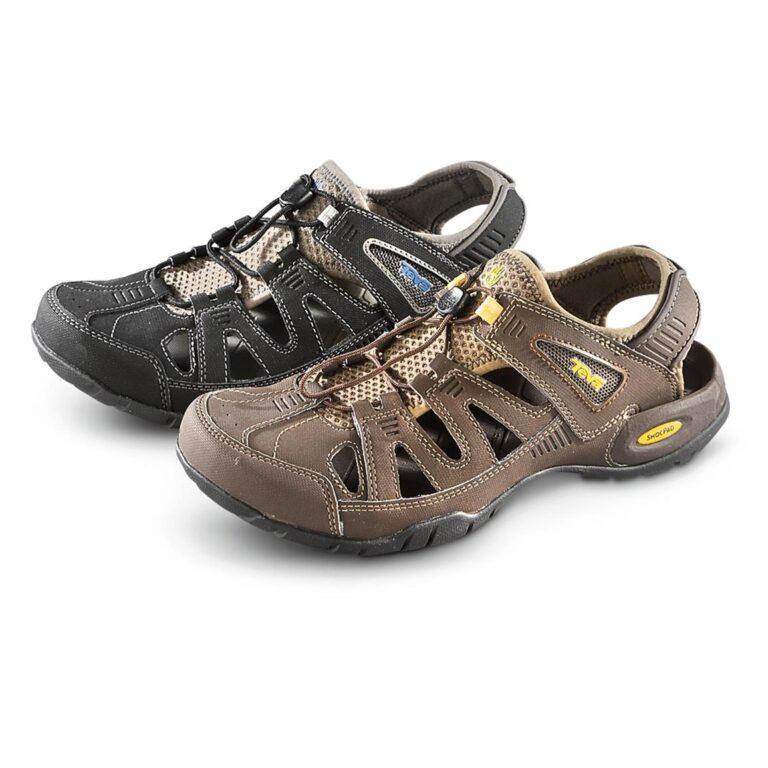
Water sandals can work well in warm conditions. They offer ventilation, quick drying, and more support than basic flip-flops.
Look for sandals with:
- A closed toe or strong toe guard
- Adjustable straps
- A heel strap
- A non-slip rubber sole
- A design that keeps sand from collecting under your foot
Open-toe sandals are less protective. They may be fine on a sandy beach, but they are a poor choice for rocky rivers or areas with broken shells.
Paddle Shoes
Paddle shoes are designed specifically for kayaking and canoeing. They often have thin, flexible soles that let you feel the foot braces and move comfortably inside a narrow cockpit.
These shoes are especially useful for touring kayaks and sea kayaks. They may not provide enough protection for long walks over rough land, so consider the launch site before choosing them.
Old Sneakers
Old sneakers can work for a short trip in warm water, but they have limits. Cotton fabric absorbs water, becomes heavy, and dries slowly.
Sneakers also tend to hold sand and grit. That grit can rub against your skin and create hot spots or blisters.
If you use sneakers, choose a lightweight pair with synthetic fabric and a rubber sole. Never wear a pair that is loose, worn out, or missing tread.
Bare Feet
Bare feet are usually not the safest choice. You may step on rocks, fishing hooks, shells, broken glass, or sharp branches.
Bare feet also have less grip during a wet launch. Even on a sandy beach, a hidden object can cause a painful cut.
What Shoes to Wear Kayaking in Different Conditions
The answer to what shoes to wear kayaking changes with the location and season. A shoe that works on a warm lake may be unsafe on a cold river.
Warm Lakes and Calm Water
For warm lakes, lightweight water shoes are often ideal. You can also use secure water sandals if the shore is smooth and sandy.
Choose footwear that drains well and feels comfortable inside your kayak. Breathability matters because warm, wet feet can become sweaty and irritated.
Rocky Rivers
Rocky rivers call for shoes with firm soles and strong toe protection. Neoprene boots with rubber soles or sturdy water shoes are good options.
Avoid thin socks, flip-flops, and loose sandals. They can slip off or fail to protect your feet when you step between rocks.
Cold Rivers and Early Spring Trips
Cold water demands more insulation. Neoprene booties or kayaking boots are usually better than standard water shoes.
The thickness you need depends on water temperature, air temperature, and how long your feet will stay wet. A thicker boot offers more warmth but may feel tight inside a small cockpit.
Cold-water safety involves more than footwear. Water below about 60 degrees Fahrenheit can create a serious cold shock and hypothermia risk, especially after a capsize. Wear suitable layers and a properly fitted personal flotation device.
Ocean and Coastal Kayaking
Saltwater trips often involve sharp shells, rocks, barnacles, and slippery ramps. Choose a shoe with a strong sole, secure closure, and good drainage.
Neoprene booties work well in cooler coastal water. In warm areas, a closed-toe water shoe can provide protection without too much heat.
Rinse your shoes with fresh water after each ocean trip. Salt can damage fabric, straps, and rubber over time.
Muddy or Marshy Launches
Muddy areas require a shoe that will not pull off when your foot sinks. A snug water shoe or bootie with a secure heel is better than a loose sandal.
Tall paddling boots may help in deep mud, but they can be awkward in a kayak. Make sure the boot does not limit ankle movement or interfere with foot braces.
Long Carry-Ins and Hiking Routes
If you must carry your kayak a long distance, choose footwear with more walking support. A sturdy water shoe or amphibious hiking shoe can handle both the trail and the water.
Light hiking shoes made from synthetic materials may work well. Avoid heavy leather boots unless the weather and terrain require them, since they hold water and dry slowly.
Key Features to Look For in Kayaking Shoes
When shopping for kayaking footwear, focus on function rather than appearance. The best shoe is the one that stays on, protects your feet, and feels good after several hours.
Grip
A rubber sole with a clear tread pattern helps you stand on wet surfaces. Look for non-marking rubber if you paddle from a boat ramp or use a rental facility.
Deep lugs can help on muddy trails, but they may feel bulky inside a kayak. For most paddlers, moderate tread offers a good balance.
Drainage
Water should leave the shoe quickly. Mesh panels, drainage ports, and a low water-retention design help prevent heavy, soggy footwear.
Drainage is helpful, but no shoe stays fully dry after a capsize. The goal is to remove water fast and reduce discomfort.
Fit and Security
Your shoe should feel snug without squeezing your toes. Your heel should not lift when you walk.
Test the closure before buying. Laces, bungee cords, Velcro straps, and adjustable buckles can all work well. The best choice is the one you can secure and adjust easily with cold or wet hands.
Toe Protection
A reinforced toe cap protects against rocks, roots, and hidden objects. Closed-toe designs are safer for most natural launch sites.
You may prefer open sandals on a clean beach, but closed toes offer more protection with little extra weight.
Flexibility
A kayaking shoe should bend enough for comfort. It should also allow your foot to work naturally with the foot pegs or braces.
A sole that is too stiff can make a narrow cockpit feel cramped. A sole that is too soft may not protect you on land.
Weight
Heavy footwear becomes even heavier when wet. Lightweight synthetic shoes are usually easier to paddle in and carry.
Do not choose the lightest shoe at the expense of grip or protection. A little extra weight is worthwhile if it prevents a painful slip.
Drying Time
Synthetic mesh and neoprene usually dry faster than cotton or leather. Fast drying reduces odor, skin irritation, and the chance of blisters.
After a trip, remove the insoles and place the shoes in a shaded, well-ventilated area. Avoid high heat, which can damage glue and rubber.

What to Wear Inside a Kayak
Footwear must fit your kayak, not just your feet. A shoe that feels perfect on land may be too bulky inside the cockpit.
Before your trip, sit in your kayak while wearing the shoes. Check whether you can:
- Place your feet comfortably on the foot pegs
- Move your ankles without pressure
- Exit the kayak without the shoes catching
- Keep your knees and hips in a relaxed position
- Reach the rudder controls, if your kayak has them
This test matters most for recreational kayaks with wide foot wells and touring kayaks with smaller cockpits.
Do not force thick boots into a tight cockpit. They may restrict your exit during a capsize. Your footwear should never prevent you from performing a wet exit.
For sit-on-top kayaks, you usually have more space. Water shoes, booties, and secure sandals can all work if they stay attached during a swim.

Shoes to Avoid When Kayaking
Some footwear may look practical but creates problems on the water.
Flip-Flops
Flip-flops offer almost no protection or grip. They can slide off in the water and often catch between rocks.
They also make it hard to walk safely over uneven ground. Save them for the beach after your paddle.
Heavy Hiking Boots
Leather hiking boots can become waterlogged and uncomfortable. Their thick soles may also make it difficult to fit your feet into a kayak cockpit.
They can be useful for a cold, muddy portage, but they are rarely the best choice for regular paddling.
Cotton Sneakers
Cotton absorbs water and dries slowly. Wet cotton can rub against your skin and create blisters.