Use gentle heat, moisture, and targeted stretching tools to relax the material safely.
I have helped dozens of friends and clients loosen tight shoes without making them sore. I write about footwear often and I have tested many at-home methods. This guide explains how to break in shoes without wearing them. You will find step-by-step methods for leather, suede, canvas, and synthetics. I also share tools, safety tips, and what to avoid. Read on for simple, proven ways to make new shoes feel like they were made for your feet.

Why break in shoes without wearing them
Breaking in shoes without wearing them saves your feet from blisters and pain. It also protects shoe shape and finish. Many people want comfort from the first wear. Learning how to break in shoes without wearing them helps you do that safely. I use these methods to prep shoes for events or long days on my feet.

How materials respond: basics you need to know
Different materials change in different ways. Leather stretches a bit and softens with heat and moisture. Suede plumps and relaxes with moisture but can mark easily. Canvas loosens by wetting and reshaping. Synthetic materials often need careful heat but can be less forgiving. Knowing material behavior helps you pick the right approach for how to break in shoes without wearing them.

Step-by-step methods for how to break in shoes without wearing them
Follow these safe steps. Pick the method that matches your shoes. Test on a hidden spot first.
- Heat and thick socks method
- Put thick socks on a shoe stretcher or a last. Use a hairdryer on medium heat for short bursts. Aim heat for 20–40 seconds at a time. Let the shoe cool on the stretcher. Repeat once or twice.
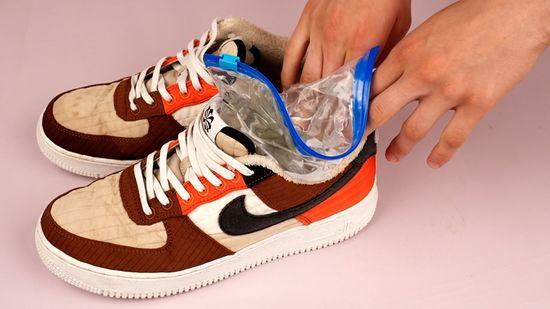
- Freezer method for narrow toe boxes
- Fill two freezer bags with water. Seal them well. Place bags inside shoes and freeze overnight. Water expands and gently stretches the toe box.
- Shoe stretcher and inserts
- Use a wooden or plastic shoe stretcher. Increase width or bunion pins gradually. Leave in 8–12 hours or overnight. Try padded toe inserts for length.
- Steam for leather and canvas
- Steam briefly from a kettle at arm’s length. Don’t drip water. Mold the shoe with your hands or a last while warm. Let dry slowly at room temperature.
- Socks and heavy-duty shoe shapers
- Stuff shoes with folded socks or foam to expand pressure points. Let them sit 24–48 hours. Check fit and adjust stuffing as needed.
I use the shoe stretcher most. It works well on dress shoes. I once saved a pair of stiff loafers for a wedding with just two nights on a stretcher.

Material-specific tips: leather, suede, canvas, and synthetics
- Leather
- Use leather conditioner first. Follow with heat or steam and a stretcher. Avoid over-stretching. Leather will relax but can lose shape if forced.
- Suede
- Use a suede brush after treatment. Avoid direct water soaking. Use a gentle stretch and let dry slowly. Consider a professional for high-value suede.
- Canvas
- Light moisture and shaping work well. You can wash gently and reshape on a last. Air dry. Canvas stretches more than leather.
- Synthetic
- Use low heat only. Many synthetics melt or warp. A shoe stretcher with padding is the safest bet.

Tools and products to use (and which to avoid)
- Helpful tools
- Shoe stretcher with width and length settings
- Wooden last or plastic form
- Hairdryer with adjustable heat
- Freezer bags for the ice method
- Leather conditioner and suede protector
- Thick socks and foam inserts
- Avoid
- Open flame or extreme heat
- Soaking leather in water
- Harsh chemicals that strip finish
I keep a small kit at home. It contains a two-way stretcher, a leather balm, and a pair of wooden lasts. These tools cut break-in time and reduce risk.
Safety, limits, and common mistakes
Work slowly. Heat and stretch in small steps. Test methods on a hidden spot. Know when to stop. Over-stretching can warp a shoe. Wetting leather too much can ruin finish. Some shoes are structured and cannot stretch much. If shoes are very tight, a cobbler can help safely. When you learn how to break in shoes without wearing them, patience is the best tool.

Real-life examples and troubleshooting
- Stiff dress shoes for a conference
- I used a stretcher and light heat. They fit well by morning. No blisters.
- Uncomfortable boots after purchase
- I stuffed boots with socks and used steam. The boots softened without losing form.
- Sports shoes that feel tight
- I avoided heat. I used inserts and wore them for short sessions instead. That eased pressure slowly.
If a method causes creases, stop and let the shoe rest. If glue shows or seams split, seek a professional.
Care after breaking in shoes
Keep shoes clean and conditioned. Rotate shoes to let them rest. Use shoe trees to keep shape. Apply water and stain protection for suede or leather. Good care extends life and keeps the fit consistent after you learn how to break in shoes without wearing them.
People Also Ask (PAA) style questions
- How long does it take to break in shoes without wearing them?
- It depends on material and method. Most techniques work in 1–3 days of intermittent treatment.
- Will heat damage shoes when breaking them in?
- Heat can help but must be low and controlled. High heat can deform or melt glue.
- Can I stretch shoes more than one size with these methods?
- You can usually gain a half size or small width increase. Major size changes need a cobbler.
- Is freezing shoes safe for leather?
- Freezing is safer for canvas and synthetics. For leather, use a stretcher and gentle heat instead.
- Are store-bought stretch sprays effective?
- Many sprays help when used with a stretcher or while shaping. They are one tool among several.
Frequently Asked Questions of how to break in shoes without wearing them
Will shoe stretchers work for all shoe types?
Shoe stretchers work for many leather and canvas shoes. They may not work well on delicate or glued sneakers. For structured or ornate shoes, consult a professional.
Can I use a hairdryer on suede shoes?
Use a hairdryer very cautiously on suede. Keep it on a low setting and do brief passes. Excess heat can mark suede and change its texture.
Is it safe to use water to stretch shoes?
Light moisture helps canvas and some leathers. Avoid soaking leather. Always reshape and dry slowly at room temperature to avoid damage.
How do I avoid losing the shoe shape when stretching?
Use a proper last or stretcher that supports the whole shoe. Stretch slowly and check fit at intervals. Conditioning leather first reduces cracking.
Does freezing really help with breaking in shoes?
Freezing helps by expanding ice to gently push the toe box outward. It works best on stiffer materials and shoes with roomy soles.
Can I speed up the process by combining methods?
Combining works well if done carefully. For example, condition leather, then use low heat and a stretcher. Do small steps to avoid harm.
Conclusion
You can make new shoes comfortable without wearing them through simple, safe steps. Learn how to break in shoes without wearing them by matching the method to the material. Use a stretcher, controlled heat, steam, or the freezer trick. Test first, work slowly, and care for shoes afterward. Try one method this week and note how your shoes change. If you found this helpful, leave a comment, try a method, or subscribe for more practical footwear tips.

Rubel Miah is the Senior Editor at MyStyleGrid.com, where he brings a sharp editorial eye and an unshakable love for fashion to everything he does. A true style addict, Rubel lives and breathes trends, from streetwear to high fashion, and has a knack for turning inspiration into impactful stories. With years of experience in fashion journalism and digital media, he curates content that empowers readers to express themselves through style. When he’s not editing features or forecasting the next big thing, you’ll find him hunting down vintage pieces or capturing street style moments around the city.