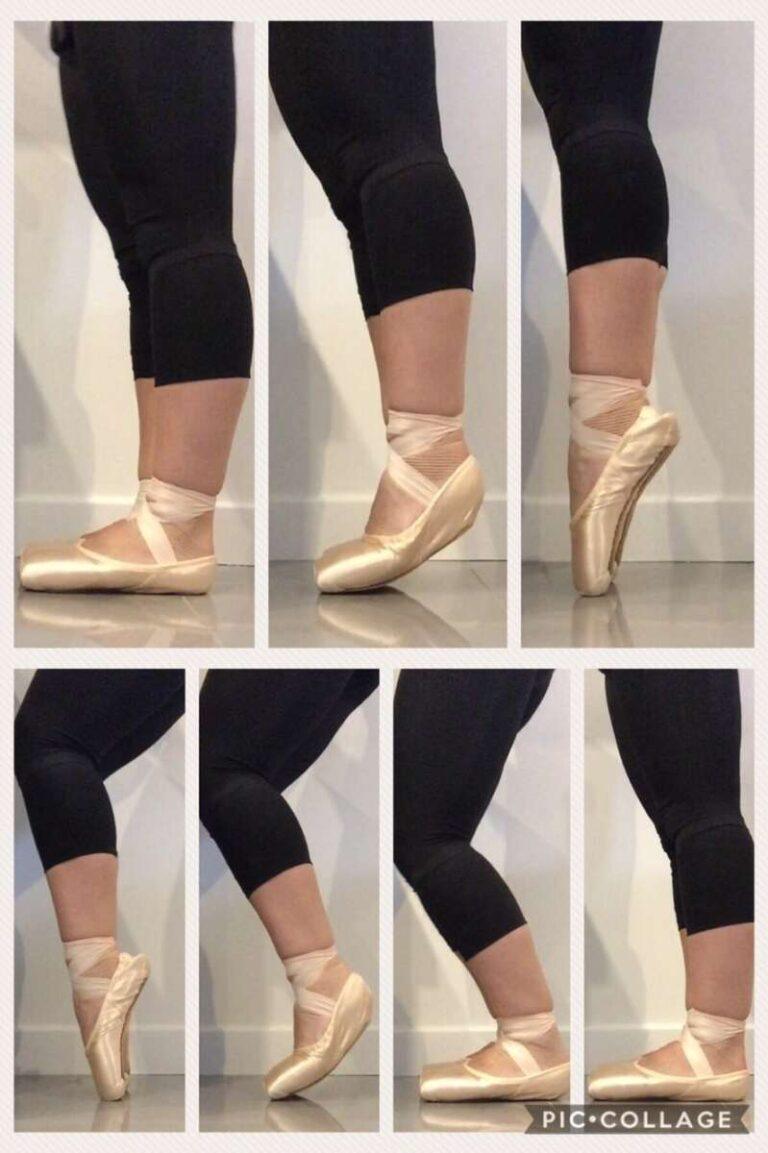
Break pointe shoes gradually: soften, shape, and practice carefully until they fit and feel safe.
I’ve taught and worn pointe shoes for years, and I’ll walk you through exactly how to break in pointe shoes without risking injury or shortening their life. This guide blends hands-on tips, safe techniques, and lessons from real fittings so you can get comfortable, stable en pointe. Read on to learn precise methods, common mistakes, and caring routines that make breaking in pointe shoes effective and safe.

Why breaking in pointe shoes matters
Breaking in pointe shoes changes how the shoe supports your foot. A well-broken-in shoe will feel secure on the box, allow a clean releve, and reduce harsh pressure on toes. Knowing how to break in pointe shoes matters because too-stiff shoes can cause pain and poor technique, while over-softening can reduce support and increase injury risk.
I’ve seen dancers speed through the process and lose crucial support. I’ve also seen cautious dancers get blisters from shoes that never warmed up. The goal is balance: get comfort without sacrificing structure. Learning how to break in pointe shoes helps you dance better and stay healthier.

When to start breaking in your pointe shoes
Start only after a proper fitting by a certified fitter or experienced teacher. New shoes that fit well often need gentle breaking in. Shoes that are too big or small should be exchanged. If you’re fitted for how to break in pointe shoes, you should know the right size, platform, and shank before altering the box.
Break them in progressively over classes and short practice sessions. Avoid trying to finish the process in a single day. Your tendons and skin adapt with time, and so do the shoes.
Preparing your shoes and feet
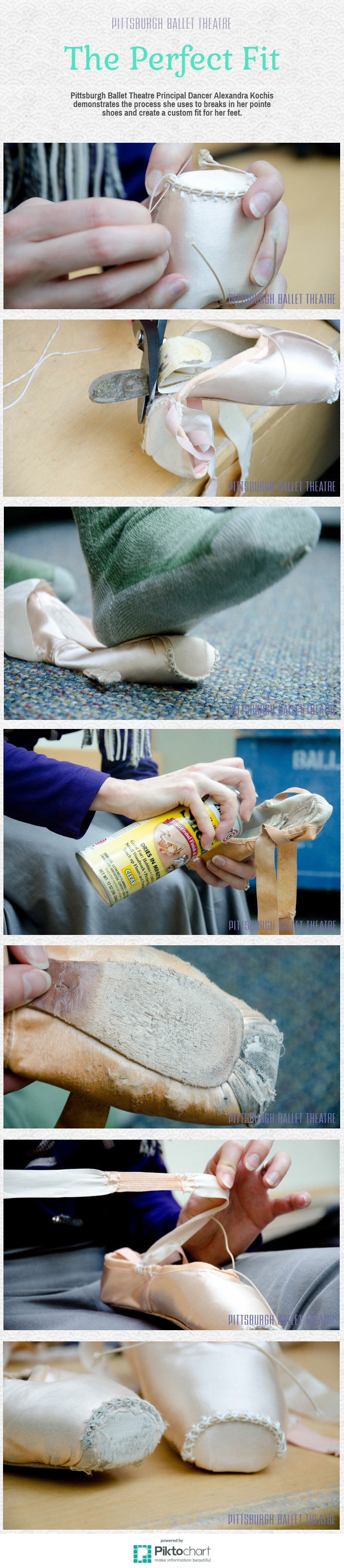
Prepare both your shoes and your feet before you start breaking in pointe shoes to reduce pain and improve results.
- Check the shank and box
- Press the shank gently to see where it bends. Note where you need support.
- Trim and secure ribbons and elastics
- Sew ribbons and elastics before serious work so they don’t shift during break-in.
- Use proper toe protection
- Use toe pads, lambswool, or gel according to comfort and fit.
- Treat blisters and hard spots
- Keep moleskin and blister plasters ready.
- Condition and test on carpet first
- Practice small rises on carpet before the studio floor so the shoe wears gradually.
From personal experience, stitching elastic a bit higher gave better ankle support in my first pair. That small prep step changed how my feet settled into the boxes. Preparing properly is the first real step in how to break in pointe shoes well.

Step-by-step methods to break in pointe shoes
Here’s a safe, progressive routine for how to break in pointe shoes. Follow each step slowly and check comfort.
- Wear them around the house briefly
- Put on full ribbons and elastics. Walk and stand for short intervals to detect hot spots.
- Do demi-pointe exercises
- Releve and releve with three-count rises. Repeat gently to warm the box and shank.
- Use controlled bending
- Bend the shoe slightly at the shank with your hands where the shank should flex. Don’t crease the box.
- Softening the vamp gently
- Rub the vamp with a cloth or use a moderate warmth source; avoid soaking or flames.
- Practice in class on padded floor first
- Spend the first few sessions focusing on balance and alignment, not tricks.
- Repeat and rest
- Alternate shoes when possible. Rest between sessions to avoid overuse injuries.
I once over-softened a pair by pounding the shank excessively. The shoes lost support and my ankles felt unstable. From that, I learned to use moderate, targeted softening and more practice time instead. Breaking in pointe shoes is about time, not force.
Quick common technique questions
Can I steam my shoes to break them in?
- Light steaming can help soften glue and fabric. Use a moderate amount and avoid water inside the box to keep structure intact.
Should I wear shoes without ribbons while breaking them in?
- Don’t. Ribbons and elastics stabilize the foot. Practice with full fastening to simulate real en pointe conditions.
Will hardening sprays help?
- Hardening sprays are sometimes used to extend life, but they change flexibility. Test on one non-primary pair first.

Common mistakes to avoid
Avoid these pitfalls when learning how to break in pointe shoes.
- Skipping professional fitting
- Wrong size leads to persistent pain and damage.
- Over-softening the shank
- Losing support increases injury risk.
- Soaking or boiling shoes
- Water breaks down adhesives and alters shape.
- Using excessive force on the box
- Pounding or folding the box destroys the platform.
- Ignoring pain
- Sharp pain is a signal to stop and reassess fit or padding.
From teaching, the most common mistake is impatience. Dancers want instant comfort. Patience wins every time when you’re figuring out how to break in pointe shoes.

Caring for broken-in pointe shoes
Maintain shoes to extend life and protect your feet. Good care is part of how to break in pointe shoes and how to keep them working.
- Air them after class
- Let shoes dry fully to prevent odor and breakdown.
- Rotate pairs
- Using two or three pairs reduces wear and keeps support longer.
- Reinforce when needed
- Sew loose linings, ribbons, and elastics quickly.
- Use toe pads thoughtfully
- Replace pads when compressed; they change fit over time.
- Know when to retire
- When the box or shank no longer supports proper alignment, replace them.
I routinely rotated three pairs during intense seasons. That spacing kept each pair functional for longer and reduced pain. Caring for shoes is practical and cost-effective.

Frequently Asked Questions of how to break in pointe shoes
How long does it take to break in pointe shoes?
Most shoes need several weeks of regular wear in class and practice to feel fully broken in. Time varies by shoe model and dancer anatomy.
Can I break in pointe shoes at home?
Yes, you can do gentle home routines like demi-pointe exercises and short wear sessions. Avoid aggressive techniques without expert guidance.
Is it okay to use tools like hammers on the shoe?
Light tapping to shape is sometimes used, but heavy hammering risks ruining the box and platform. Use soft, controlled methods instead.
Should I soften the shank immediately?
No, soften gradually. Test the shank by feeling where it should bend and only adjust after fitting and short wear sessions.
How do I know the shoes are properly broken in?
You’ll feel a secure platform, clean alignment en pointe, and reduced hotspot pain. If support or alignment is off, revisit fit and padding choices.
Conclusion
Breaking in pointe shoes is a gradual mix of preparation, safe techniques, and attentive care. Follow a step-by-step approach, listen to your body, and work with a fitter or teacher when unsure. Take action: try the gentle routine above, track how each pair responds, and rotate shoes for best results. Share your experience or questions below, and subscribe to updates for more practical shoe and technique tips.

Rubel Miah is the Senior Editor at MyStyleGrid.com, where he brings a sharp editorial eye and an unshakable love for fashion to everything he does. A true style addict, Rubel lives and breathes trends, from streetwear to high fashion, and has a knack for turning inspiration into impactful stories. With years of experience in fashion journalism and digital media, he curates content that empowers readers to express themselves through style. When he’s not editing features or forecasting the next big thing, you’ll find him hunting down vintage pieces or capturing street style moments around the city.