Break them slowly: short wear sessions, gentle stretching, correct lacing, and proper socks.
I’ve helped players from rec leagues to semi-pros get the perfect fit. This guide on how to break in basketball shoes covers safe methods, material-specific tips, and game-ready routines. Read on to learn step-by-step ways to make your new shoes feel like they were made for you, so you move well and avoid blisters or pain.
Why breaking in basketball shoes matters
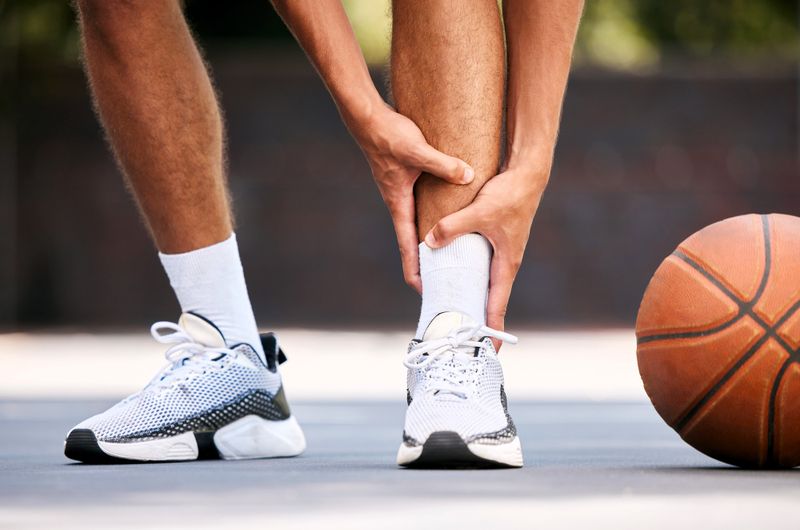
New basketball shoes often feel stiff. That stiffness can cause blisters, hot spots, and restricted movement. Learning how to break in basketball shoes helps the upper, midsole, and outsole adapt to your foot shape. A proper break-in improves comfort, grip, and performance on the court. It also extends shoe life and reduces risk of ankle or foot strain.

How to break in basketball shoes: step-by-step
Follow this plan to break in basketball shoes safely. Use short sessions and watch for pain. The phrase how to break in basketball shoes appears in each step so you stay focused on the goal.
- Try them at home first
- Wear the shoes with the socks you use on game day.
- Walk around on carpet for 20–30 minutes.
- Check for pressure points and adjust lacing.
- Use short, repeated wear sessions
- Wear shoes for 1–2 hours the first 2–3 days.
- Add play-type movements: short cuts, jumps, and shuffles.
- Repeat daily until they feel more flexible.
- Adjust the insole and sock choice
- Swap in a thinner or custom insole if fit is tight.
- Use moisture-wicking socks to reduce friction.
- Proper insoles help with arch support and comfort.
- Break in the upper carefully
- Use your hands to flex and bend the upper gently.
- Focus on ankle areas and toe box.
- For knit uppers, stretch sideways and vertically in short bursts.
- Use heat safely for stubborn areas
- Warm the shoe with a hairdryer on low for 20–30 seconds while moving the foot inside.
- Do not overheat glue lines or foam.
- Heat helps reshape leather or synthetic panels gently.
- Do light court work, not full games
- Start with drills for 15–30 minutes.
- Avoid long full-speed games until shoes feel broken in.
- This reduces blister risk and lets you notice fit changes.
- Use targeted stretching tools
- A shoe stretcher helps widen toe boxes or ankle collars.
- Apply shoe stretch spray if recommended for the material.
- Test fit after each adjustment.
- Keep a break-in log
- Note time worn, activities, and any hot spots.
- Adjust routine based on feedback from your feet.
How to break in basketball shoes is mostly about time, gentle movement, and small adjustments. Be patient. Rushing will cause pain and may damage the shoe.

Common quick questions
How long does it take to break in basketball shoes?
Most shoes need 1–2 weeks of short sessions before they feel game-ready. Materials like leather can take longer, up to a few weeks.
Can I use heat or water to speed the process?
Heat can help if used carefully; avoid soaking or high heat that can harm glue or foam. Water soaking is not recommended for most basketball shoes.
Should I change the insole to break them in faster?
Swapping insoles can improve comfort immediately. Use caution—different soles change fit and support.
)
Material-specific tips
Leather uppers
- Leather molds with light heat and wear.
- Condition leather after a few sessions to keep it supple.
- Avoid harsh stretching that can crease performance areas.
Knit and mesh
- These materials stretch more quickly.
- Use targeted stretching to open tight spots.
- Knit may need less heat and more wearing time.
Synthetic and bonded fabrics
- These are usually stiffer at first.
- Use short wear sessions and gentle flexing.
- Avoid aggressive heating near glued seams.
Foam midsoles and cushioning
- Modern foam breaks in with use and pressure.
- Do light jump and landing drills to compress the foam gradually.
- Avoid long heavy impact while foam is new to prevent premature breakdown.
High-top ankle collars
- Loosen lacing at the ankle for early sessions.
- Wear for short sessions to let the collar relax.
- Use padding or tape only if rubbing persists.
How to break in basketball shoes varies by material. Match your method to what the shoe is made from for best results.

Common mistakes and cautions
Do not rush the break-in. Rushing often leads to blisters and sore feet. Avoid these mistakes when you break in basketball shoes.
• Soaking shoes in water to force fit. This damages glue and foam.
• Using very high heat from ovens or high settings on dryers. This warps midsoles.
• Playing full games the first few wearings. This causes pain and bad mechanics.
• Ignoring persistent pain or numbness. Pain can signal a poor fit that won’t improve.
• Cutting into the shoe without guidance. This voids warranties and can ruin structure.
How to break in basketball shoes safely means stopping when pain appears and making small changes instead of big ones.

Maintenance and care during and after break-in
Cleaning and drying
- Wipe shoes after each session to remove sweat and dust.
- Air dry at room temperature. Do not place near heaters.
- Use shoe trees for leather to keep shape.
Lacing and fit tweaks
- Try different lacing techniques to lock heel and free the toe.
- Use lace anchors or loops for added heel hold.
- Adjust lacing after each wear to refine fit.
Insoles and orthotics
- Test your performance with stock insoles first.
- If needed, switch to custom orthotics gradually.
- Insoles can reduce break-in time by improving fit.
Storage and rotation
- Rotate shoes when you play often to let foam re-expand.
- Store in cool, dry places to protect materials.
- Use two pairs if you play daily to extend life.
Proper care helps the break-in process and keeps shoes ready for fast play. Follow how to break in basketball shoes with maintenance to get the most value from each pair.
)
Personal experience and lessons learned
I tested many shoes over seasons. Early in my playing years I often pushed new shoes too hard. That caused two bad blisters and a rolled ankle in one season. I now follow a slow plan. I always start with light drilling and update insoles as needed.
What I learned
• Short sessions beat long trials at first. They reveal fit flaws early.
• Socks matter as much as shoes. Thin, snug socks cut friction.
• Heat can help, but only low and brief. Overheat ruins shoes.
• A small stretcher saved a pair of tight leather shoes.
• Rotating shoes reduces foam fatigue and speeds comfort.
These lessons shape how I teach others to break in basketball shoes. My approach is practical, safe, and proven on court.

Frequently Asked Questions of how to break in basketball shoes
How long should I wear new basketball shoes each day?
Start with 1–2 hours daily. Gradually increase to full practice over one to two weeks as comfort improves.
Can I break in basketball shoes faster with a shoe stretcher?
Yes, a shoe stretcher targets tight spots and can speed breaking in. Use it in short increments and test fit often.
Are there lacing tricks to help break-in faster?
Adjust lacing to relieve pressure in tight zones and lock down the heel. This reduces slip and lets the upper stretch where needed.
Is it OK to play a game in brand-new basketball shoes?
Avoid full games until the shoes feel comfortable during intense drills. Full games increase risk of blisters and poor movement.
What if I still have pain after breaking them in?
If pain remains after gradual wear and adjustments, consider different shoes or a professional fit. Persistent pain may mean the shape is wrong for your foot.
Should I use insoles from day one?
Try stock insoles first to gauge baseline fit. If support or fit is poor, swap insoles gradually to avoid sudden fit changes.
Can I speed up break-in with household items?
You can use a hairdryer on low, shoe stretch spray, and a shoe stretcher. Avoid ovens, boiling water, or high heat that harms shoes.