Choose gym sneakers that match your workout, fit precisely, and give the right support and grip.
I’ve spent years testing shoes for the gym, coaching clients, and fixing my own training mistakes. This guide explains how to select sneakers for gym workouts in plain terms. I’ll walk you through types, fit, support, testing steps, and common errors so you buy shoes that protect you and boost performance. Read on for practical tips backed by experience and clear reasoning.
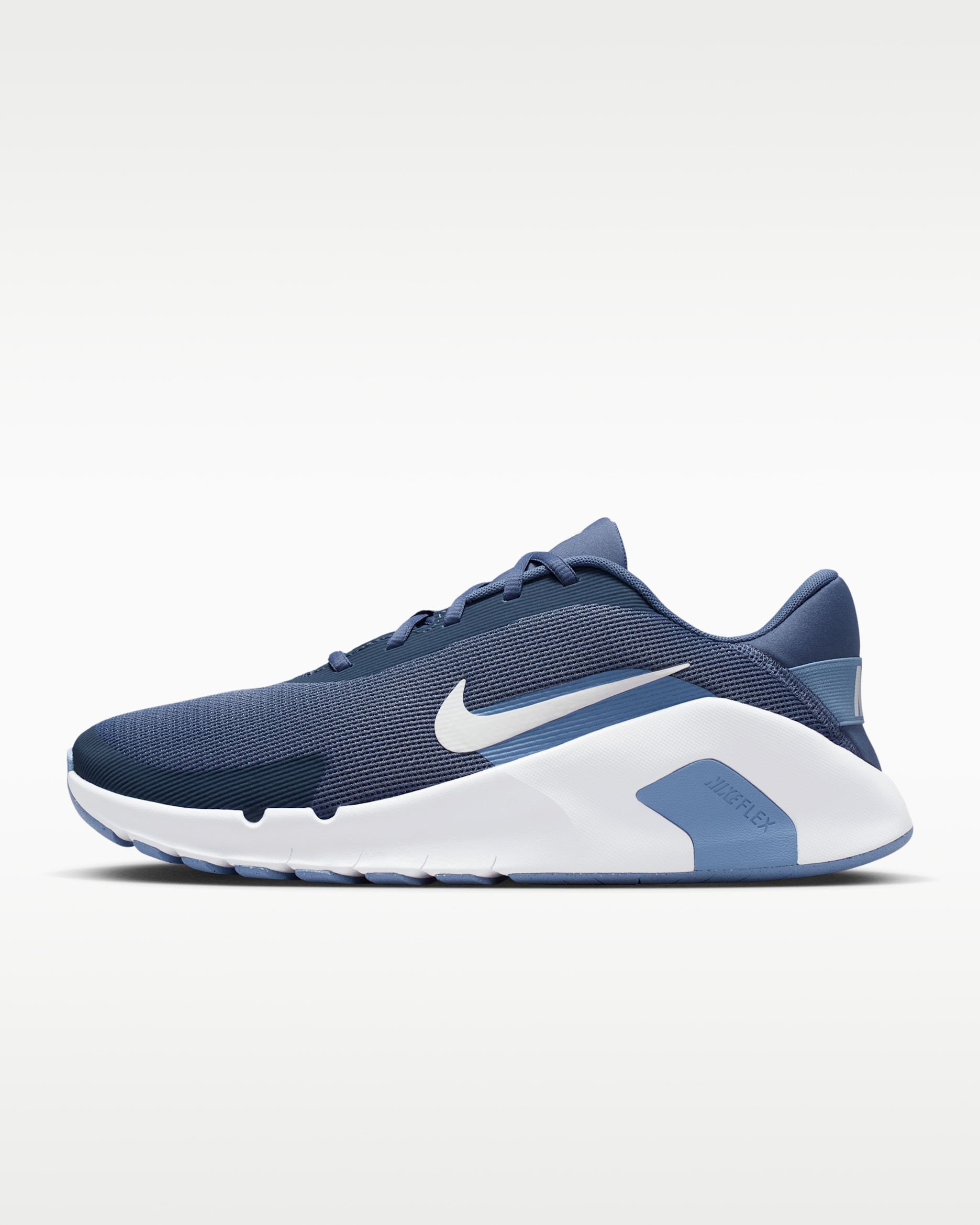
Why the right gym sneakers matter
The right sneakers keep you safe, comfy, and able to perform. Poor shoes cause pain, slow progress, and raise injury risk. Choosing how to select sneakers for gym workouts is about matching shoe features to your body and your plan. I’ve seen lifters switch shoes and immediately lift cleaner. I’ve watched runners stop knee pain after changing to shoes that fit the workout.
Key reasons to care:
- Reduce injury risk and joint stress.
- Improve balance, power, and efficiency.
- Keep feet comfortable for longer sessions.

Know your workout type first
Not all gym time is the same. Start by listing your main workouts. That list guides how to select sneakers for gym workouts.
Common workout categories:
- Weightlifting and powerlifting — need stable, low-heel shoes.
- Cross-training and HIIT — need multi-directional grip and moderate cushioning.
- Treadmill and cardio — need shock absorption and breathability.
- Group classes and indoor cycling — need flexibility and secure fit.
Tip from experience: I used bulky running shoes for squats for months. My lifts improved only after I switched to flatter shoes with firmer soles. Match shoe type to training for best results.
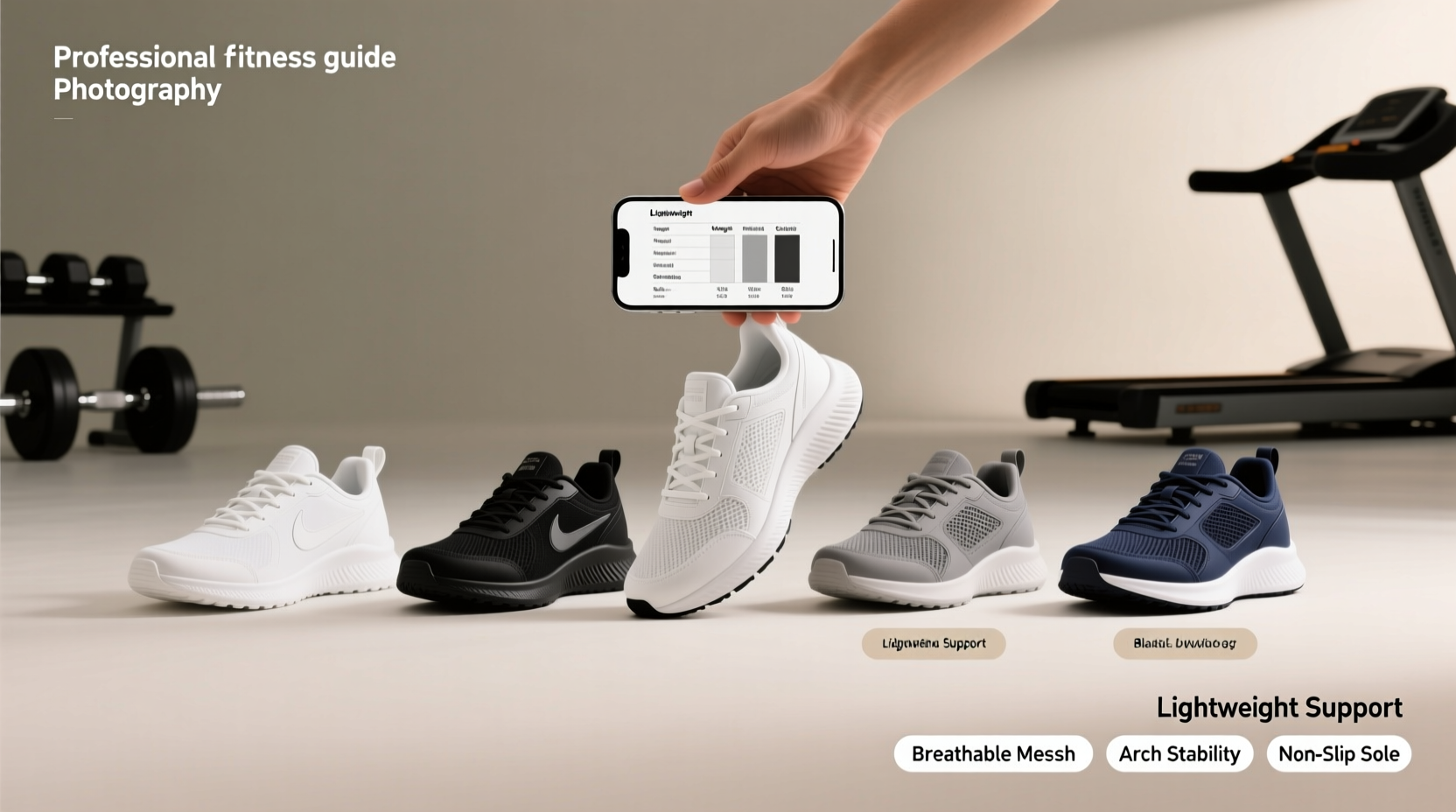
Fit and sizing: the single most important factor
A proper fit prevents blisters and loss of control. When you learn how to select sneakers for gym workouts, prioritize a test fit.
Fit checklist:
- Toe box: 1/4 to 1/2 inch of space in front of longest toe.
- Heel: snug with no slip when you walk or jump.
- Midfoot: secure but not tight; laces should lock foot in place.
- Width: shoe should not pinch the sides.
How to measure at home:
- Trace your foot and measure length and width.
- Compare with brand size charts — sizes vary.
- Try shoes late in the day when feet are slightly swollen.
Personal tip: I always bring the socks I train in. Socks change fit. Wearing my training socks cut down on returns and surprises.

Support, cushioning, sole, and stability
These four elements shape how a shoe performs. Understand them to know how to select sneakers for gym workouts that match your needs.
Support
- Arch support should match your arch type. Minimal arch for low-arch feet; firmer support for high arches.
Cushioning - More cushioning soaks impact for long runs. Less cushioning helps balance and ground feel for lifting.
Sole and traction - Flat, grippy soles are best for lifting. Multi-directional tread helps agility and HIIT.
Stability - Look for a firm midsole and a wide base for lateral moves and heavy lifts.
I switched to firmer midsoles for OLifts. My balance was steadier and my knees felt better. Stability matters more when you lift heavy.
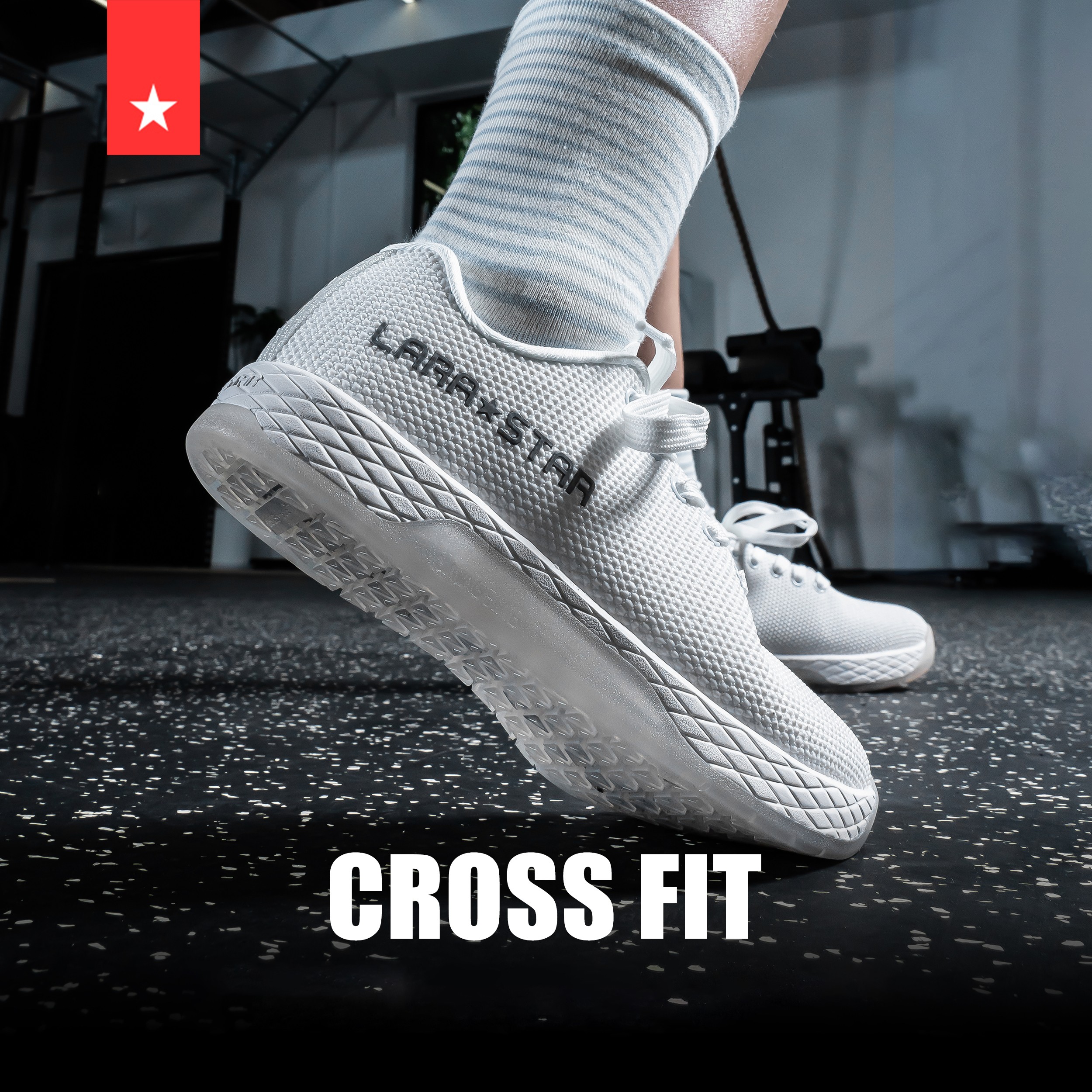
Materials, breathability, and durability
Materials determine weight, airflow, and lifespan. Consider climate, training volume, and budget when you decide how to select sneakers for gym workouts.
Material notes:
- Mesh uppers: light and breathable; best for cardio and hot gyms.
- Synthetic leather: more durable and supportive for lateral work.
- Rubber outsole: grips well and lasts longer on rough floors.
- Reinforcements: toe caps and heel counters boost life span.
Durability tip: If you train daily, expect shoes to last 3–9 months depending on intensity. Track mileage and replace when cushioning or traction degrades.

Testing shoes in the store or at home
You can learn a lot in a short test. Use a checklist to confirm your decision on how to select sneakers for gym workouts.
In-store test steps:
- Walk briskly and stand on tiptoes.
- Do a few bodyweight squats and lunges.
- Try short hops, lateral shuffles, and a mock sprint if space allows.
- Check for slippage and pinching.
At-home trial:
- Wear shoes for a full workout. Test them over various movements. Return if pain or slipping appears within two sessions.
I once bought shoes online and kept them only after a five-mile treadmill run and a lift session. Real workouts expose fit and cushion issues fast.
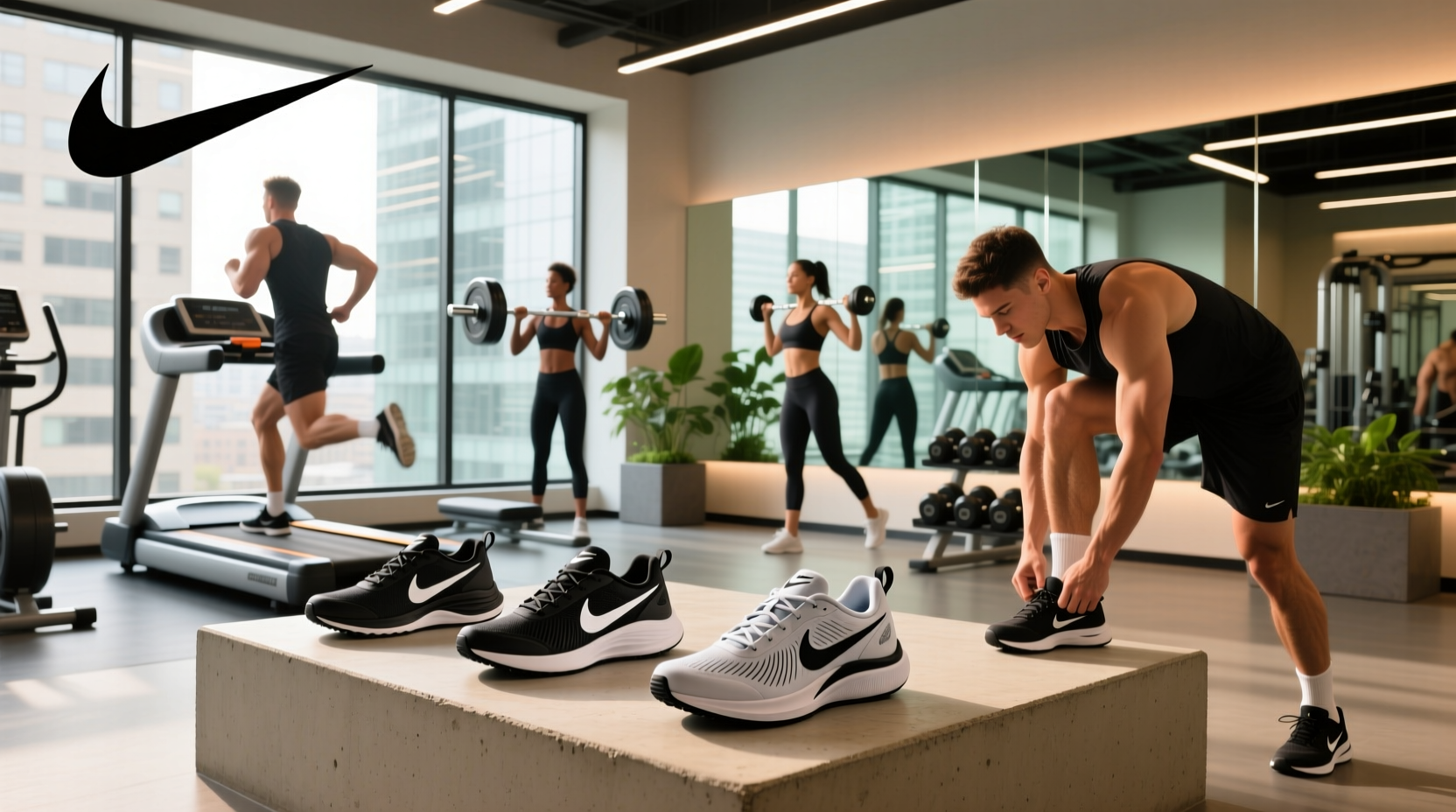
Common mistakes to avoid
Avoid these frequent errors when you learn how to select sneakers for gym workouts.
Common mistakes:
- Buying shoes for style, not function.
- Using running shoes for heavy lifting.
- Choosing last season’s size without trying them on.
- Ignoring swelling and sock thickness.
- Waiting too long to replace worn shoes.
A mistake I made: I kept running shoes for years until my plantar pain flared. Replacing them with the right pair fixed the pain in weeks.

Budget, brands, and value
Price does not always equal performance. Know what you need before spending. This helps you select sneakers for gym workouts that deliver value.
Buying tips:
- For heavy lifting: invest in a stable flat shoe or a dedicated lifting shoe.
- For mixed training: mid-priced cross-trainers often hit sweet spot.
- For running: buy by mileage and cushioning needs, not logo.
- Sales and outlet models can give great value if fit is right.
Brand note: Different brands fit differently. Try 2–3 models in your price range to compare fit and feel.
PAA-style questions (People also ask)
What shoe features help with heavy squats?
- A flat, firm sole and minimal cushioning help you feel the floor and push evenly. Look for a low heel and wide base.
Can I use one shoe for all gym workouts?
- You can, but one shoe rarely excels at everything. A stable shoe for lifting and a cushioned shoe for cardio often work better.
How often should I replace gym sneakers?
- Replace when cushioning compresses, traction wears, or you feel discomfort. For daily trainers expect 3–9 months; for occasional use, 9–18 months.
Are barefoot or minimal shoes good for the gym?
- They help with balance and foot strength but offer little cushioning. Use them for controlled lifting and gradual adaptation.
How do I pick shoes for flat feet?
- Choose shoes with good arch support and stability. Look for firm midsoles and a secure fit to reduce overpronation.
Frequently Asked Questions of how to select sneakers for gym workouts
How tight should gym sneakers be?
Shoes should fit snugly with a little room in the toe. They should not cause pain or heavy pressure points.
Can running shoes work for lifting?
Running shoes work for light lifting but not ideal for heavy squats or deadlifts. Their cushioning can reduce stability.
Do I need different shoes for indoor vs outdoor workouts?
Yes. Outdoor shoes need tougher outsoles and weather resistance. Indoor shoes can prioritize grip and softer materials.
Is a higher heel always better for squats?
A slight heel can aid squat depth for some lifters. A high heel is not necessary for everyone; personal mobility and technique matter more.
How do I measure my foot size correctly?
Trace your foot or stand on a ruler for length and measure width. Try shoes late in the day and use your regular training socks.
Conclusion
Choosing the right pair depends on your workout mix, fit needs, and training habits. Use the steps here to decide how to select sneakers for gym workouts with confidence. Start by matching shoe type to your routine, test fit carefully, and replace shoes before they wear out. Try one change at a time and track how your body responds. Ready to make the switch? Test a pair this week and leave a note about how they feel.

Rubel Miah is the Senior Editor at MyStyleGrid.com, where he brings a sharp editorial eye and an unshakable love for fashion to everything he does. A true style addict, Rubel lives and breathes trends, from streetwear to high fashion, and has a knack for turning inspiration into impactful stories. With years of experience in fashion journalism and digital media, he curates content that empowers readers to express themselves through style. When he’s not editing features or forecasting the next big thing, you’ll find him hunting down vintage pieces or capturing street style moments around the city.