Yes — many step-in systems require boots made or adapted to fit their specific step-in interface.
I’ve spent years testing snowboard gear and helping riders match boots to bindings. This guide breaks down whether do you need special boots for step in bindings, why compatibility matters, and how to pick the right setup. You’ll learn clear, practical steps, real-world tips from my own testing, and simple checks to avoid costly mistakes. Read on to make confident decisions about boots and step-in bindings.
Understanding step-in bindings and boot compatibility
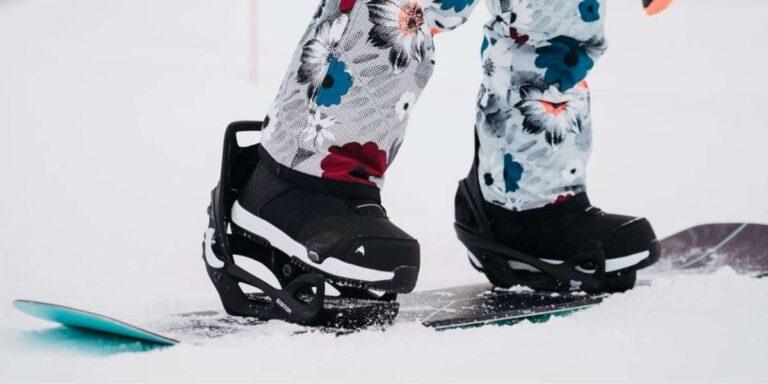
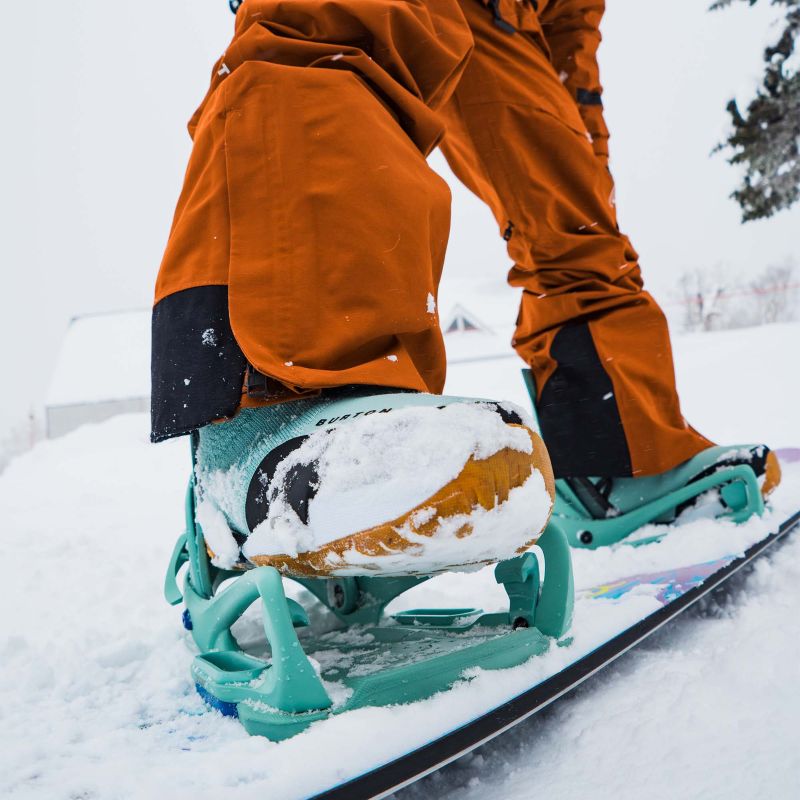
Step-in bindings lock the boot to the board without straps. They use a mechanical interface on the binding and a matching feature on the boot sole. Because of that interface, many step-in systems require boots designed to mate precisely with the binding.
Compatibility is about shape, sole pattern, and locking points. A boot with the wrong sole shape or wrong toe/heel catches may not engage, may release unexpectedly, or could damage parts. That is why the question do you need special boots for step in bindings is important for safe riding.
Step-in systems vary by brand and model. Some are closed ecosystems that expect brand-specific boots. Others allow adapters or use a universal plate. Knowing which system you have matters before buying boots.
Do you need special boots for step in bindings? — short answer and deeper view
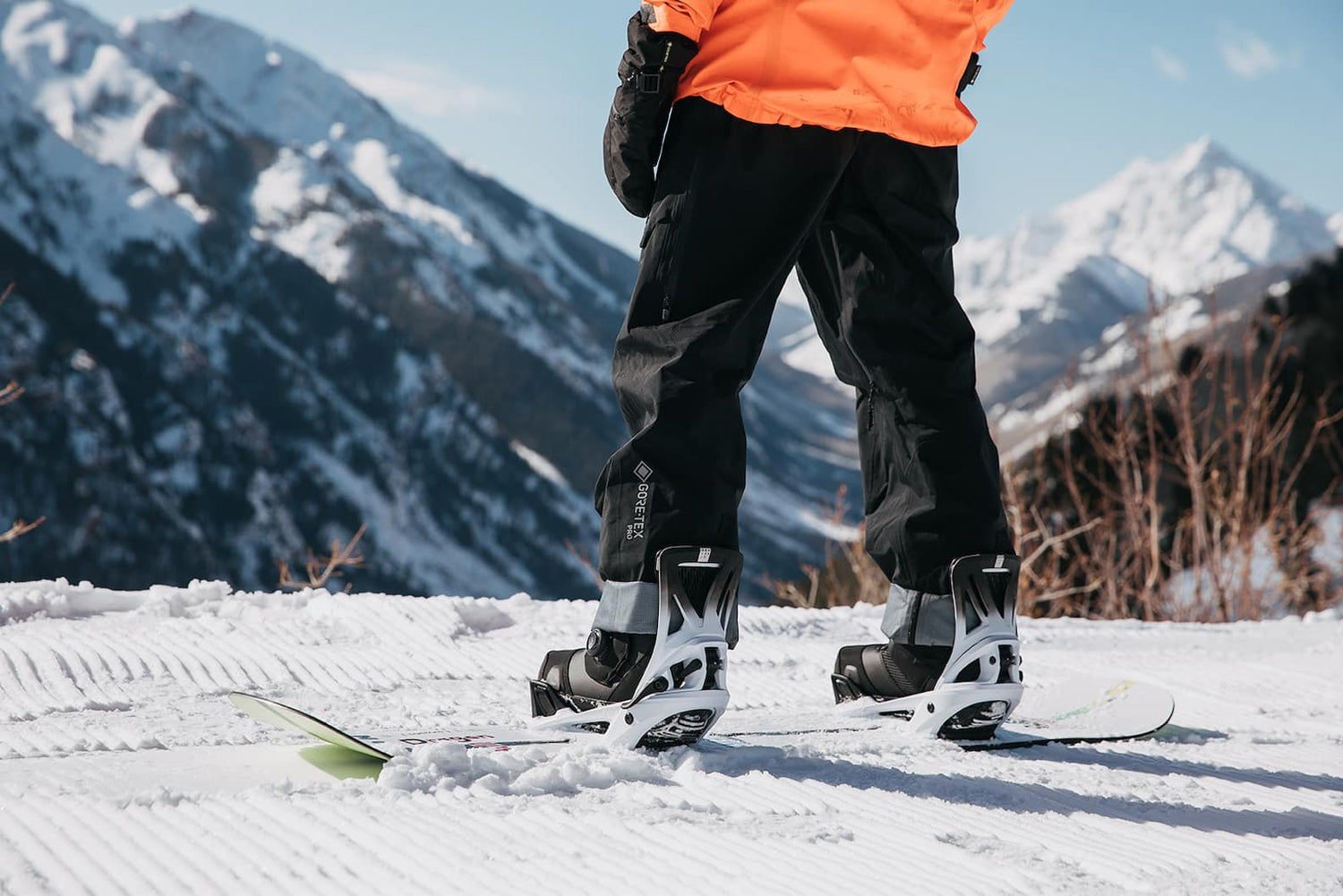
Short answer: yes for many systems, but not always — some step-in bindings accept standard boots with adapters or universal soles. When you ask "do you need special boots for step in bindings," the real answer depends on the brand and the binding’s attachment method.
Here’s how to think about it:
- If the binding uses molded latches and specific heel/toe catches, you usually need the matching boots.
- If the binding uses a removable plate or universal interface, standard snowboard boots can work.
- If you try mismatched boots, you risk poor engagement, premature wear, and safety issues.
If you prefer a quick decision: match the boot to the binding manufacturer or choose bindings that advertise universal compatibility. That keeps things simple and safe.

Types of step-in systems and boot requirements
Different step-in systems exist. Each has its own boot needs.
- Brand-specific closed systems
- These need boots built with matching tabs or molded soles.
- Examples include older step-in designs where only one brand’s boots fit reliably.
- Plate-based or universal step-ins
- These use a plate that sits between boot and binding.
- Standard boots work with a plate designed for the system.
- Adapter-based systems
- Adapters clip to most boots and provide the step-in interface.
- They add weight but increase flexibility in boot choice.
Knowing which type you own or plan to buy helps answer do you need special boots for step in bindings. Closed systems force a boot choice. Universal setups provide freedom.
Key boot features that affect compatibility
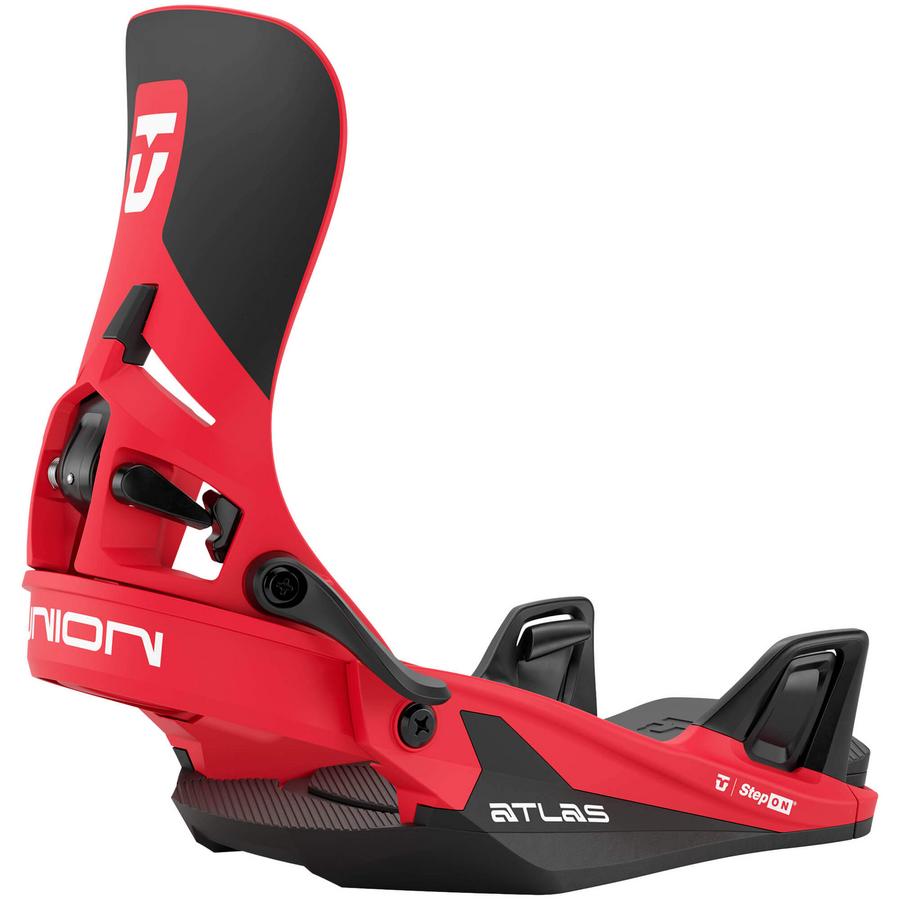
Not all boots are created equal when it comes to step-in use. Watch for these features.
- Sole design
- A flat, standard snowboard sole sometimes works, but many step-in systems expect a molded sole with precise contours.
- Toe and heel interfaces
* Look for tabs, inserts, or reinforced areas where locks engage. - Flex and cuff design
- Stiff boots may not seat as easily in some step-in catches. Soft boots can compress and misalign if not designed for the system.
- Lacing and internal fit
- A secure internal fit ensures the boot seats fully into the binding. Loose lacing can prevent proper engagement.
If you ask do you need special boots for step in bindings, check these features against the binding maker’s compatibility chart.
How to choose boots for step-in bindings — a practical checklist
Buying boots for step-in bindings gets easy if you follow a short checklist. Use this when shopping.
- Confirm compatibility
- Check the binding’s compatibility list and the boot manufacturer’s notes.
- Fit first
- Try boots in a store with the binding or plate if possible. Walk through the step-in motion.
- Check the sole and interface points
- Inspect for matching tabs, slots, or contact areas.
- Consider adapters or plates
- If you like a particular boot but it isn’t directly compatible, see if an adapter exists.
- Test secure engagement
- Step in and out multiple times. Make sure the boot locks firmly and releases on command.
These steps answer do you need special boots for step in bindings by turning uncertainty into a clear selection process.
.png)
My experience: what I learned using step-in boots and bindings
I tested several step-in setups on mountain days and in the park. Here are honest lessons from real riding.
- Matched systems are seamless
- Boots and bindings from the same system clicked together quickly and stayed secure through jumps.
- Mixing parts can be risky
- Once, I tried a standard boot with a plate that wasn’t perfectly aligned. Engagement felt loose and I returned that setup.
- Adapters add options but reduce feel
- Adapters saved a boot I loved, but they added weight and slightly muted board feel.
- Maintenance matters
- Dirt and ice in the locking area caused a few misengagements until I cleaned the parts.
From my experience, do you need special boots for step in bindings? Often yes if you want the most secure, predictable fit. If you prioritize boot choice, plan for adapters and extra checks.

Common problems and how to avoid them
Step-in setups can fail in predictable ways. Here’s how to avoid common issues.
- Issue: Boot won’t engage
- Fix: Check for matching tabs and clean snow/debris from both boot and binding.
- Issue: Accidental release
- Fix: Verify the locking mechanism shows full engagement and test in a safe area.
- Issue: Uneven wear on soles
- Fix: Use recommended boots or replace worn parts regularly.
- Issue: Poor board feel
- Fix: Try a different plate or a boot with a lower profile sole.
Simple checks before each run greatly reduce the chance you’ll face these problems. When doubt hits, ask a shop tech to fit you.
Maintenance, adjustments, and safety tips
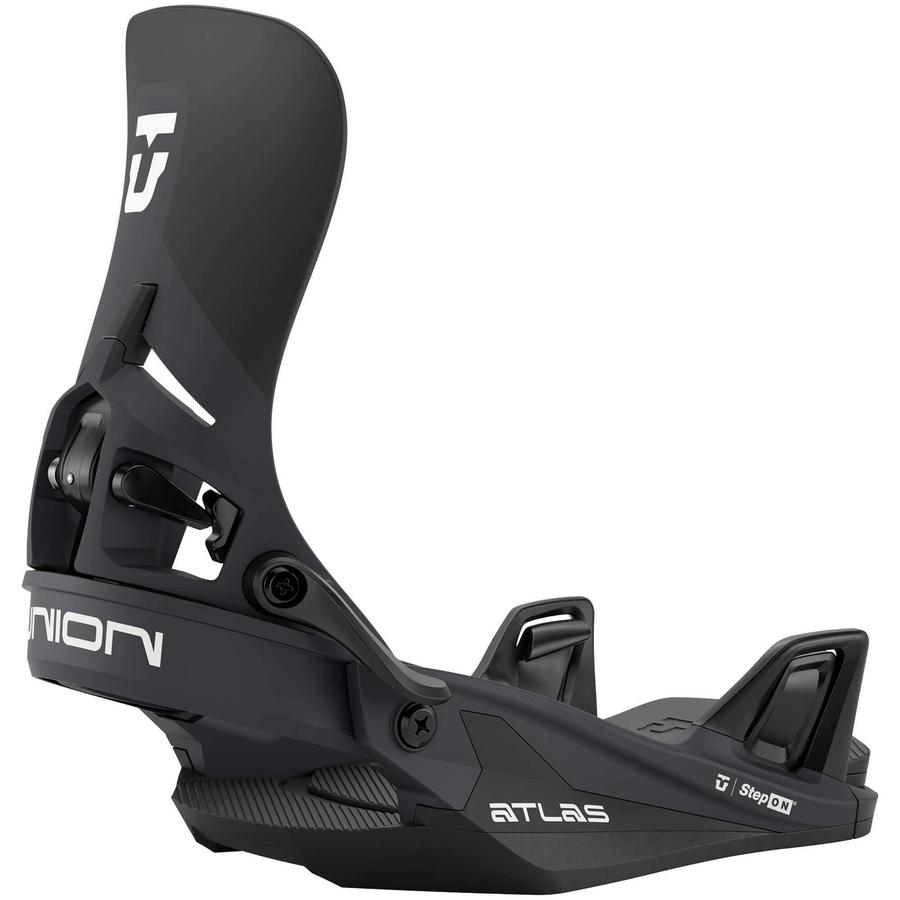
Keeping step-in bindings and boots in good shape is fast work. Do these routinely.
- Clean the interfaces after riding
- Remove snow and grit from latches and boot tabs while dry.
- Inspect locking hardware
- Tighten screws and replace any cracked plastic or bent metal parts.
- Test release before riding
- Step in and out a few times on flat ground to confirm secure locking.
- Carry spares when possible
- A small tool kit and a spare screw or spring can save a day.
These habits make your step-in system reliable and help answer do you need special boots for step in bindings by ensuring whatever boots you use remain compatible over time.
Frequently Asked Questions of do you need special boots for step in bindings
Do standard snowboard boots work with step-in bindings?
Many standard snowboard boots work only with step-in bindings that use a plate or universal adapter. If the binding is brand-specific, standard boots may not engage safely.
How can I tell if my boot is compatible with a step-in binding?
Look for matching tabs, a compatibility chart from the manufacturer, or try the combo in a shop. Visual alignment of toe and heel catches usually tells you quickly.
Are adapters a good solution to use regular boots with step-in bindings?
Adapters let you use regular boots but add weight and can change board feel. They are a good option if compatibility is limited and you want boot choice flexibility.
Will step-in boots affect my riding performance?
When matched correctly, step-in boots give the same control as strap bindings. Poorly matched boots or adapters can reduce responsiveness and feel.
Can I convert strap bindings to step-in to use my current boots?
Some conversion plates let strap boots fit step-in systems, but they may not work for every binding. Check compatibility and expect possible trade-offs in feel and added hardware.
Conclusion
Matching boots to step-in bindings matters more than most riders expect. Many step-in systems require special boots or adapters to lock securely. If you value ease, safety, and consistent performance, choose boots that the binding maker recommends or use a trusted universal plate. From my testing, a matched system offers the smoothest ride, while adapters are a practical compromise if you need boot flexibility.
Take action: inspect your current setup, check compatibility charts, and try boots and bindings together before you buy. If you found this useful, leave a comment with your setup or questions, or subscribe for gear guides and hands-on tips.

Rubel Miah is the Senior Editor at MyStyleGrid.com, where he brings a sharp editorial eye and an unshakable love for fashion to everything he does. A true style addict, Rubel lives and breathes trends, from streetwear to high fashion, and has a knack for turning inspiration into impactful stories. With years of experience in fashion journalism and digital media, he curates content that empowers readers to express themselves through style. When he’s not editing features or forecasting the next big thing, you’ll find him hunting down vintage pieces or capturing street style moments around the city.