Yes — you need boots made for snowboarding to ride well, stay safe, and stay warm.
I've spent years helping riders pick gear, testing boots on varied terrain, and coaching beginners to intermediate riders. In this guide I explain clearly whether do you need special boots for snowboarding, what makes them different from ski or winter boots, how to pick the right pair, and real tips from my own boot-fitting mistakes. Read on to learn how the right boots improve control, comfort, and confidence on the mountain.

Why do you need special boots for snowboarding
Snowboard boots are built for snowboard bindings, board control, and the unique stance of the sport. The sole, flex, and lacing system work together to transfer your body movements to the board. If you try to ride in hiking boots or ski boots you trade control for discomfort and risk injury.
I’ve watched new riders struggle when they use improper footwear. Snowboard boots give lateral support for edges, a flat or stubby sole that fits bindings, and cushioning that handles repeated landings. That difference matters whether you ride groomers, powder, or park.
People also ask style quick answers
- Do snowboard boots matter for control? Yes. Boots connect your feet to the board and help you edge, carve, and pop.
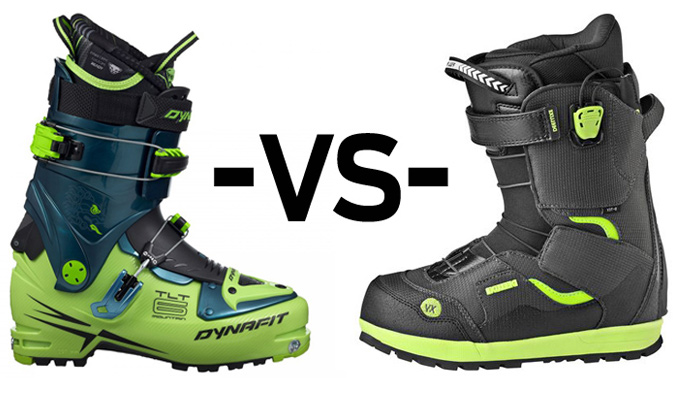
- Can I use ski boots for snowboarding? No. Ski boots are rigid, forward-facing, and incompatible with snowboard bindings.

How snowboard boots differ from other winter boots
Understanding these differences helps answer do you need special boots for snowboarding.
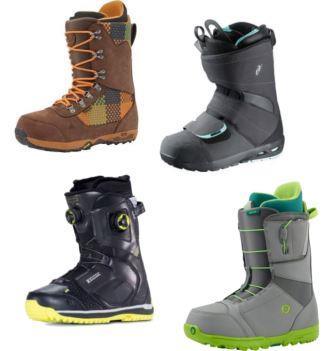
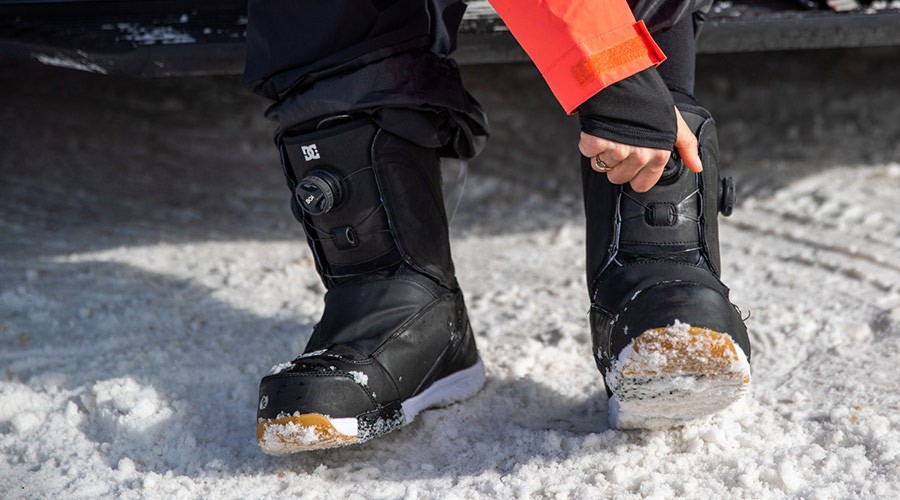
- Sole and outsole design. Snowboard boots have flat or binding-friendly soles that fit into bindings. Regular winter boots have thick, lugged soles that don’t lock into bindings.
- Flex and support. Boots come in soft, medium, and stiff flex levels tuned for types of riding. Hiking or casual boots lack this tuned flex.
- Lacing systems. Traditional laces, speed laces, and Boa systems give precise fit and adjustability. Most snow boots don’t offer the same micro-adjustment.
- Internal liner. Snowboard boot liners mold to your foot for comfort and thermal control. Casual boots typically don’t provide the same molded support.
These parts combine to affect control, comfort, warmth, and safety—core reasons why do you need special boots for snowboarding.
Types of snowboard boots and who they suit
Match boot type to your riding goals. This answers do you need special boots for snowboarding by showing fit-by-purpose.
-
Soft flex boots
- Best for beginners and park riders.
- Offer forgiveness, easier turns, and better comfort for tricks.
-
Medium flex boots
- Great for all-mountain riders.
- Balance playfulness and support for varied terrain.
-
Stiff flex boots
- Designed for freeride and big-mountain charging.
- Provide max response and edge control at speed.
-
Lacing choices
- Traditional laces let you fine-tune fit manually.
- Speed laces quicken entry and tighten zones.
- Boa systems dial fit instantly and work mid-run.
Pick the right type and you’ll see why do you need special boots for snowboarding—one size and style won’t work for every rider.

How to choose the right fit and size
Fit beats brand or looks. A wrong fit is the most common mistake. Here’s how to avoid it.
- Try boots on with thin snowboard socks you actually wear.
- Check heel lift. Aim for minimal lift—less than half an inch.
- Feel the toe. Touch but don’t jam toes; toes should brush the front lightly.
- Test flex. Bend forward to mimic riding stance; toes should press slightly but not painfully.
- Walk around and simulate edges in the shop if possible.
My tip from coaching: spend time in the shop flexing and standing in a riding position. I once recommended a size up to a client who’d kept buying too-tight boots—after switching they rode longer with no numb toes.
Ride style, terrain, and boot choice
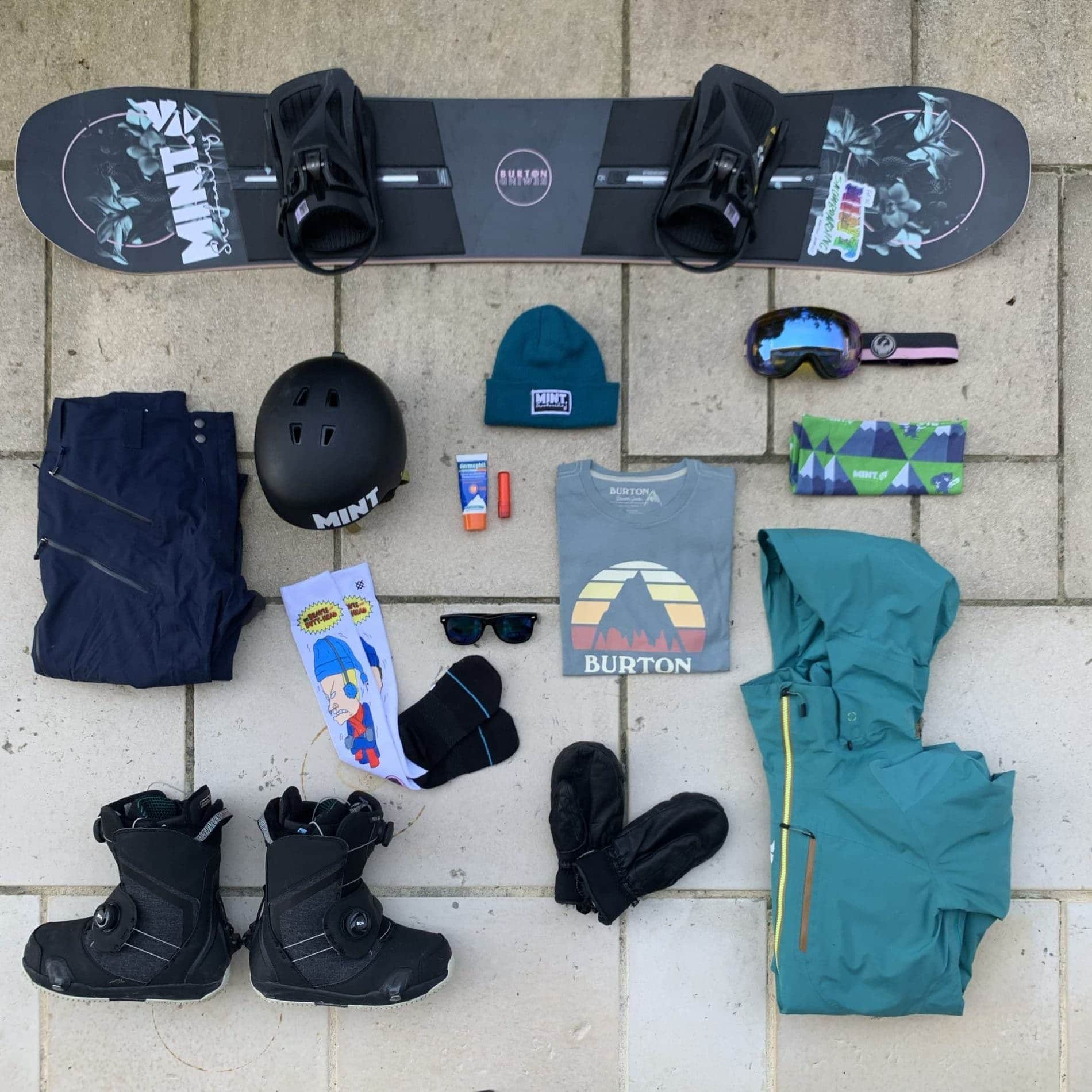
The answer to do you need special boots for snowboarding depends on where and how you ride.
- Park and freestyle
- Choose softer flex and lighter weight.
- Look for impact cushioning and a forgiving fit.
- All-mountain
- Choose medium flex for versatility.
- Prioritize comfort and good liner support.
- Freeride and powder
- Choose stiffer boots for stability at speed.
- Consider higher ankle support and thicker liners.
Thinking about your primary terrain narrows choices and prevents buying a boot that feels wrong on day one.
Renting vs buying: what’s best for beginners
Many wonder do you need special boots for snowboarding right away. Here’s a practical view.
- Rent if
- You are new and unsure if you’ll stick with the sport.
- You want to test different boot styles before buying.
- Buy if
- You ride multiple days per season or want a personalized fit.
- You need better performance, warmth, and long-term comfort.
My advice: rent for the first few days to learn preference. When you buy, invest in a quality boot and a proper bootfit to avoid chronic pain or poor control.

Caring for snowboard boots and extending life
Good care saves money and keeps performance steady.
- Dry liners after each day. Remove liners and air them at room temperature.
- Clean the shell and soles of grit and ice to maintain binding fit.
- Reboot liners with heat molding if offered by the brand.
- Replace worn laces, footbeds, or insoles to refresh fit.
Well-cared boots can last multiple seasons. I kept a favorite pair for three winters by replacing insoles and treating liners carefully.
Common mistakes and how to avoid them
Avoid these pitfalls and you’ll appreciate why do you need special boots for snowboarding.
- Mistake: Buying too short for the off-season. Boots compress; buy snug, not painfully tight.
- Mistake: Choosing fashion over fit. Style doesn’t fix sore feet or poor control.
- Mistake: Ignoring flex for riding style. Too stiff or too soft kills progress and comfort.
- Mistake: Skipping professional bootfit. Small adjustments improve performance dramatically.
A proper fit session is worth the time and money. It saved me days of foot pain early in my riding.
Frequently Asked Questions of do you need special boots for snowboarding
Are snowboard boots different from ski boots?
Yes. Snowboard boots are softer and designed for lateral control and binding compatibility, while ski boots are rigid for forward-facing transfer.
Can I snowboard in winter hiking boots?
You can try, but hiking boots lack the sole shape and flex control for safe, efficient snowboarding and may damage bindings.
How tight should snowboard boots feel?
They should feel snug with minimal heel lift and slight toe contact. Comfort should show within a short standing test.
Do snowboard boots need to be broken in?
Most modern liners mold quickly. A short break-in period is normal, and some brands offer heat-moldable liners for a faster, custom fit.
Will more expensive boots make me a better rider?
Better boots offer improved fit, comfort, and responsiveness, but skill comes from practice. Good boots remove gear as a limiting factor.
How long do snowboard boots last?
With regular use expect 2–4 seasons depending on care, riding frequency, and build quality.
Can I use old boots across bindings?
Only if the sole shape fits your binding’s baseplate. Check compatibility and wear on the sole before using old boots.
Conclusion
Special snowboard boots matter. They connect you to the board, protect your feet, and shape performance. Choosing the right boot for your style, getting the fit right, and caring for them will make riding safer and more fun. Start by renting if unsure, then buy a pair that matches your flex needs and fits snugly. Take action: try on several boots, ask for a demo or fitting, and commit to a pair that helps you ride longer and better. Share your boot stories below or subscribe for more gear guides and fitting tips.

Rubel Miah is the Senior Editor at MyStyleGrid.com, where he brings a sharp editorial eye and an unshakable love for fashion to everything he does. A true style addict, Rubel lives and breathes trends, from streetwear to high fashion, and has a knack for turning inspiration into impactful stories. With years of experience in fashion journalism and digital media, he curates content that empowers readers to express themselves through style. When he’s not editing features or forecasting the next big thing, you’ll find him hunting down vintage pieces or capturing street style moments around the city.