Yes — you can stand on a board in moon boots, but it’s unsafe and not recommended for real snowboarding.
I’ve spent years teaching and testing snow sports gear, and I’ve seen the question “can you snowboard in moon boots” more times than I can count. This guide explains the why, when, and how: what moon boots are, how they compare to snowboard boots, the real risks of trying to ride in them, safe alternatives, and practical tips if you ever find yourself tempted to test the idea on a gentle slope. Read on for clear, experience-backed advice so you make smart, safe choices on the hill.
What are moon boots?
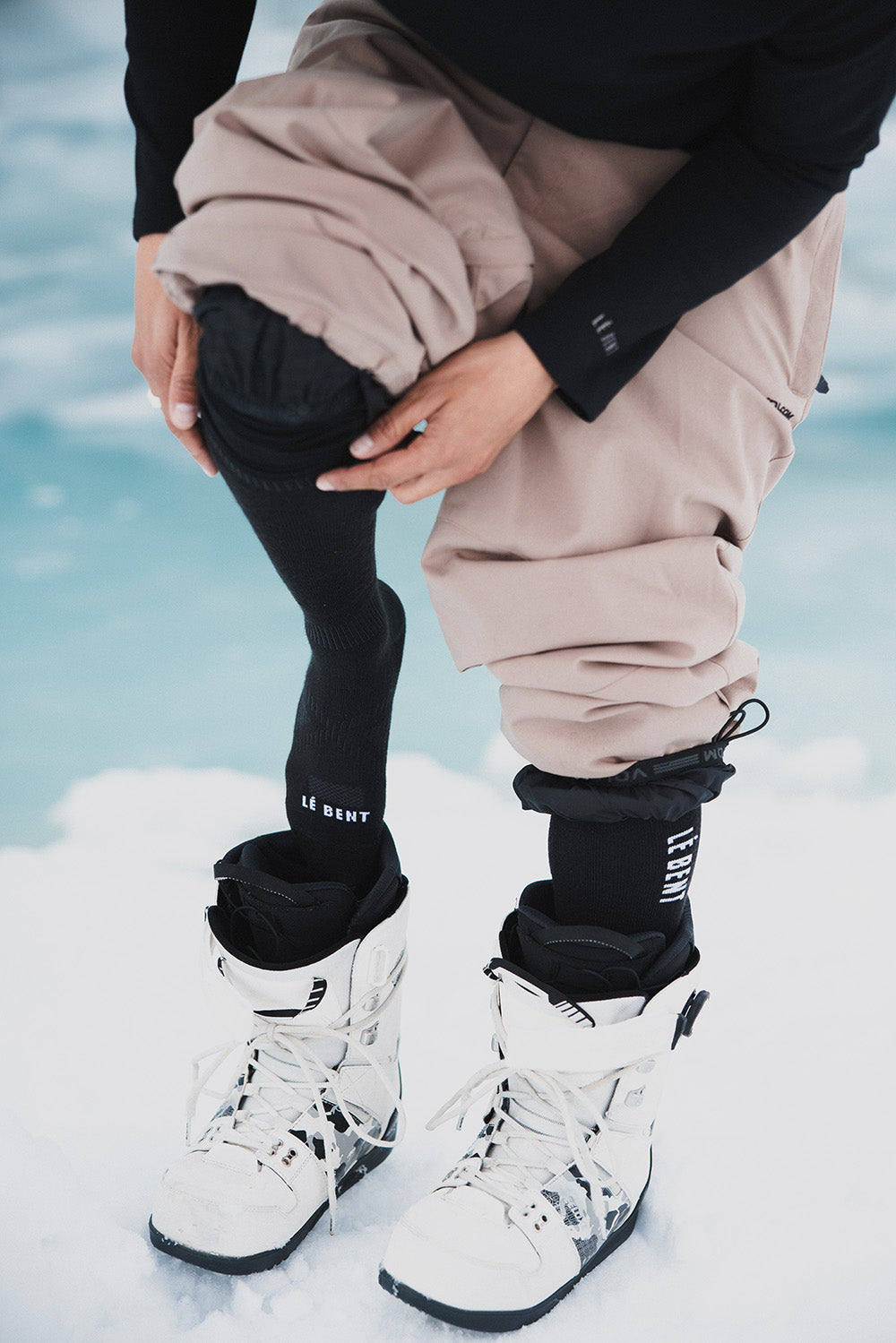
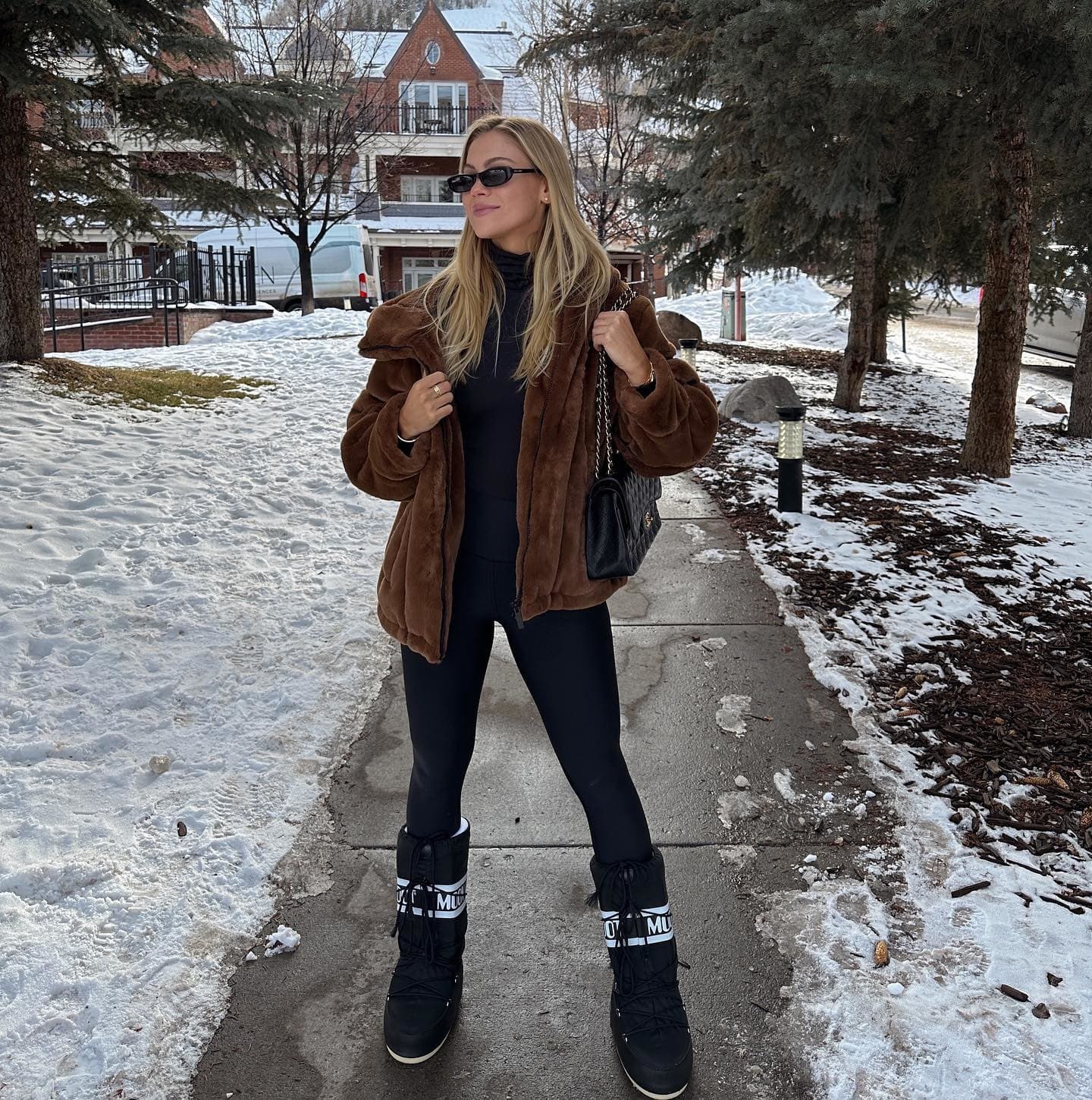
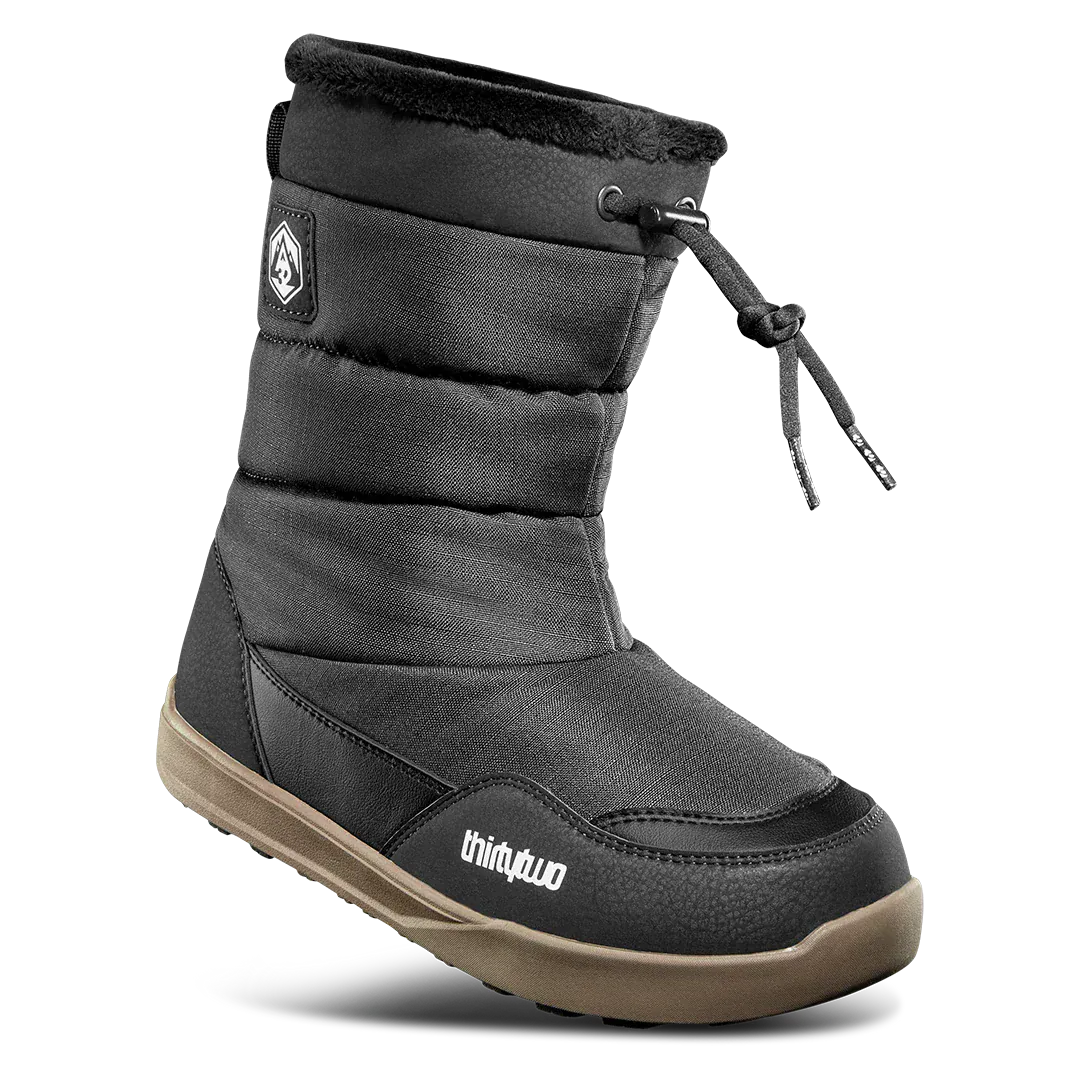
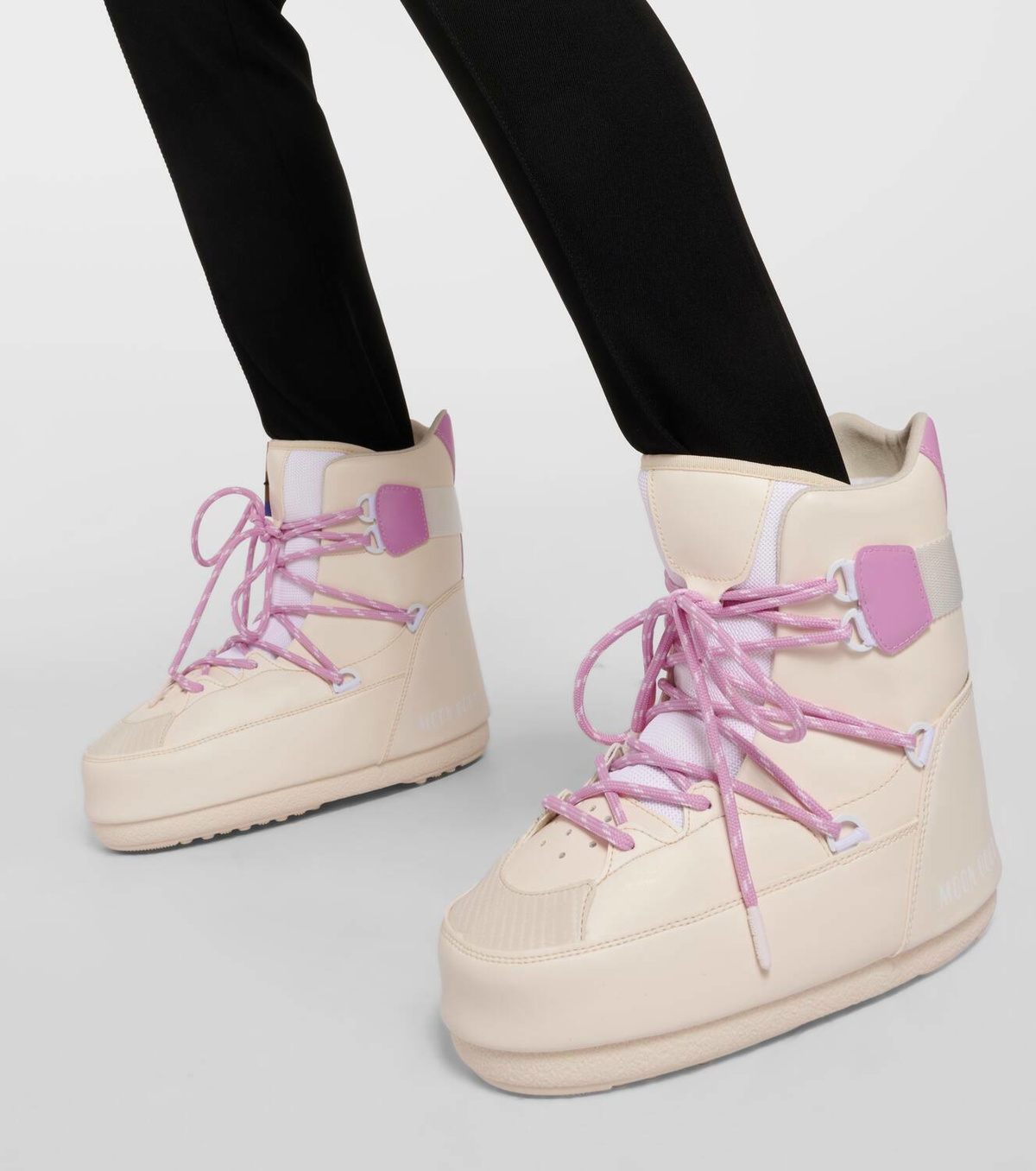
Moon boots are bulky, insulated winter boots designed for warmth and casual snow use. They have soft uppers, heavy insulation, and a rounded shape that makes them cozy for walking, après, and short snow play. Moon boots were never made for the lateral support, stiff sole, or toe/heel lock that snowboard boots provide, which matters when you ask “can you snowboard in moon boots.”
Snowboard boot vs moon boot: key differences
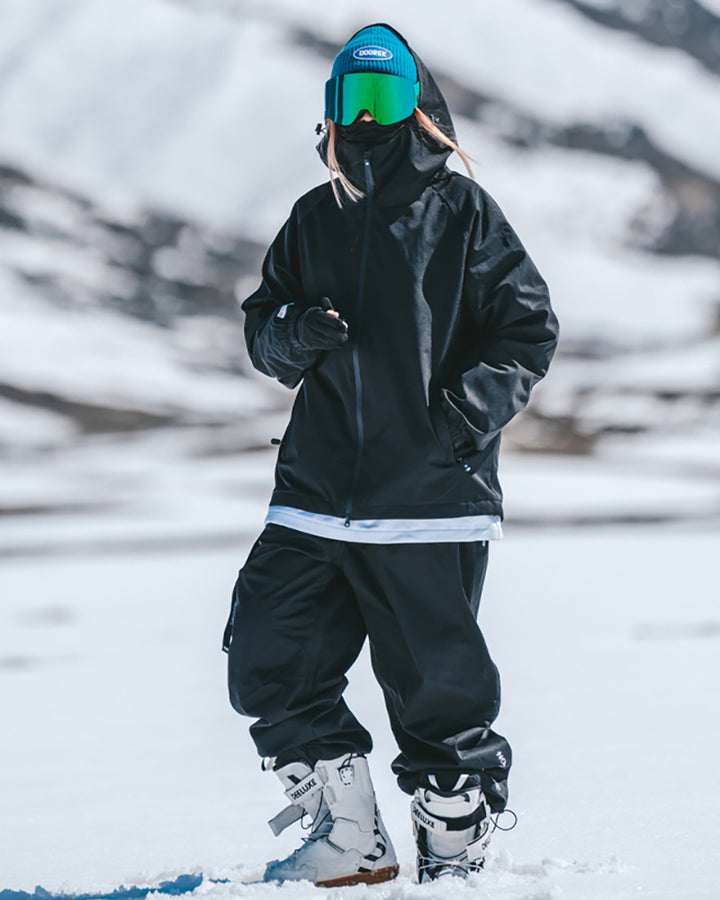
Snowboard boots and moon boots look very different and perform very differently. Here are the main points to know:
- Support and flex: Snowboard boots have controlled flex to transfer rider movements to the board. Moon boots are soft and floppy, so they don’t transfer energy well.
- Sole rigidity: Snowboard boots have stiff, grippy soles to lock into bindings. Moon boots have cushy soles that crush under pressure and slip.
- Binding compatibility: Snowboard boots fit binding system contours and hold release forces. Moon boots won’t sit properly in most bindings, which can cause unexpected release or binding failure.
- Foot-to-board connection: Snowboard boots are laced or buckled to create a secure connection. Moon boots lack that tight fit and internal ankle support.
- Warmth and comfort: Moon boots win on warmth and casual comfort. Snowboard boots are warmer in motion and give protection when you fall.
These differences explain the direct answer to “can you snowboard in moon boots” — possible on flat ground, unsafe on actual runs.
Can you snowboard in moon boots? Real-world scenarios
Short answer: you might get away with it on flat beginner surfaces, but expect poor control.
- Practice flat glides: If you’re standing on a board in a parking lot or on a flat conveyor belt, moon boots will let you balance briefly. That doesn’t mean you can carve or stop safely.
- Gentle beginner slope: On a very slow magic carpet with a forgiving instructor and no steeper terrain, some people try moon boots. Response is sluggish, making falls more likely.
- Actual runs and lifts: Riding lifts, steeper runs, or park features while wearing moon boots is risky and not advised. You will have poor edge control and slower reactions.
- Backcountry or icy conditions: Never attempt. The lack of grip and support dramatically raises injury risk.
If your question is “can you snowboard in moon boots for a day at the resort?” the practical answer is no — you will compromise safety and fun.
Risks and safety concerns
Trying to use moon boots for snowboarding brings clear and measurable risks.
- Ankle and knee injury: The soft support lets your foot twist inside the boot during a fall, increasing sprain risk.
- Poor edge control: Soft boots can’t hold an edge, so you will slide out or catch edges unpredictably.
- Binding failure or poor engagement: Moon boots may not seat properly in bindings, leading to sudden release or non-release during a crash.
- Cold and wet feet in motion: Despite insulation, moon boots can let moisture in when they ride in bindings, making toes cold.
- Resort policy and liability: Some resorts require snowboard boots to use rental gear and lift access. You could be turned away.
These safety concerns answer the deeper intent behind “can you snowboard in moon boots” by showing why the answer usually is “don’t.”
How to modify moon boots (if you must)
If you absolutely must try riding in moon boots — for a photo, a minute of balance practice, or a safety-limited demo — follow these steps to reduce basic risks. These are stopgaps, not endorsements.
- Use strap bindings or a wide snowboard with soft bindings: They can hold the boot more securely than hard plate bindings.
- Add a stiff insole: A high-density insole prevents sole compression and improves feedback.
- Secure the foot with inner socks or ankle straps: Minimize internal slop to reduce twisting.
- Avoid lifts and steep terrain: Stay on flat, supervised beginner areas and stay close to an instructor.
- Test at slow speeds: Walk the board and do tiny glides before any forward runs.
I tried a modified setup once for an experiment. Even with tweaks, control was poor and it felt unsafe after the first few glides. These tips reduce harm but don’t make moon boots equivalent to snowboard boots.
Alternatives to moon boots for casual riders
If warmth or convenience is your main reason for considering moon boots, here are better choices that still fit casual needs.
- Rental snowboard boots: Modern rental boots are affordable and come in many sizes and flexes.
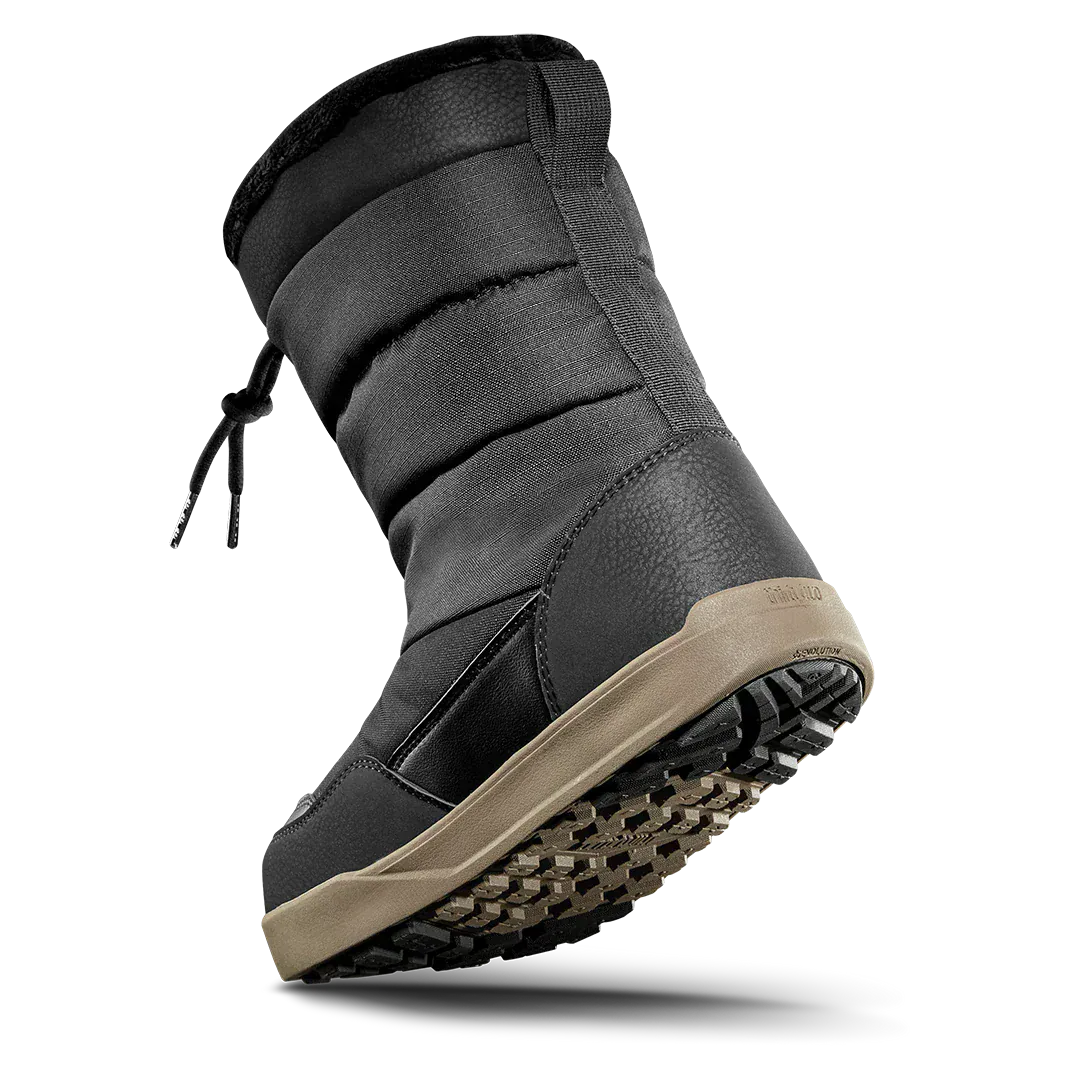
- Hybrid or soft-style snowboard boots: These are more forgiving while giving proper support.
- Après-ski shoes for off-board use: Use moon boots after you get off the board, not during rides.
- Used or entry-level snowboard boots: Good for beginners and cheaper than you might think.
Choosing the right boot keeps you safe and helps you learn faster. It’s the best way to enjoy the mountain without compromise.

How to choose the right boot for a beginner
A simple, step-by-step approach helps you pick boots that match your goals and body.
- Define your style and goals: Aim for a softer flex for learning and a stiffer flex for faster progression.
- Try before you buy: Wear them with the socks you’ll ride in; stand in bindings if possible.
- Check fit and feel: Boots should hold your heel in place and be snug across the forefoot.
- Prioritize comfort and support over looks: Warmth is important, but function wins for safety.
- Consider rentals for one-off trips: Renting first helps pinpoint what you need.
Following these steps will ensure you don’t end up asking “can you snowboard in moon boots” out of necessity later.
Personal experience and lessons learned
I’ve tested many odd setups over the years. Early in my instructing career, a student showed up in heavy winter boots and asked to ride. We switched them to rentals. Lesson learned: short-term convenience rarely beats the safety and learning gains from proper boots. I also experimented once with a moon-boot-like demo for an article. Even with reinforced insoles and wide bindings, the lack of ankle lock meant I couldn’t carve or control speed reliably. That experiment convinced me: moon boots belong at the lodge, not strapped to a board.
Frequently Asked Questions of can you snowboard in moon boots
Is it illegal to snowboard in moon boots?
No, it’s not illegal in most places, but resorts may refuse lift access or rentals if your footwear is unsafe. Policy varies by resort and operator.
Will bindings fit moon boots?
Most bindings won't hold moon boots securely because the shape and sole compress differently than snowboard boots. You might jam them in, but fit and release become unreliable.
Can moon boots damage my snowboard?
Moon boots can compress and shift inside bindings, which might stress binding components or scratch topsheets during poor engagement. Damage is possible but uncommon if you only stand briefly.
Are moon boots warmer than snowboard boots?
Moon boots often feel warmer off-board, but snowboard boots are warmer during active riding because they seal, support, and manage moisture better. Warmth on the mountain depends on fit and activity.
Can I use moon boots for learning balance on a board?
Yes, for a very short time on flat ground to learn balance. Do not use moon boots for actual runs, lift rides, or steep learning environments where control matters.
Conclusion
Trying to answer “can you snowboard in moon boots” leads to a clear takeaway: while you can physically stand and sometimes glide in moon boots, doing so on real runs is unsafe and limits learning. Choose proper snowboard boots for control, safety, and better performance. If you must improvise, use only gentle, supervised areas and tweak gear to improve fit. Ready to upgrade your gear or test proper boots? Rent a pair first, try a lesson, and share your experience below — I’d love to hear what you learn.

Madison Clark is a footwear expert and the voice behind MyStyleGrid.com. She specializes in honest shoe reviews, style tips, and practical guides to help readers find the perfect pair for any occasion. With years of experience in blogging and content creation, Madison makes footwear knowledge simple, stylish, and easy to follow.