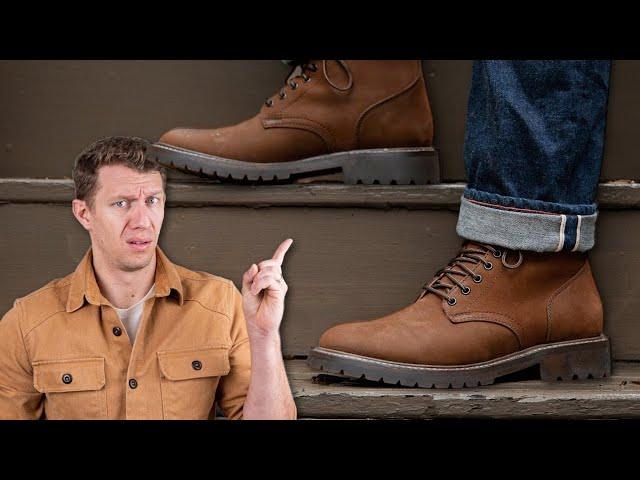
Thursday Boots can be fine in light snow when treated, but they are not the best for deep, wet winter conditions.
I’ve tested and worn many boots in winter. If you’re asking are thursday boots good for snow, this guide will give a clear, practical answer. I’ll break down materials, traction, insulation, waterproofing, real-world use, and care tips. You’ll learn when Thursday Boots work well in snow, when to choose something else, and how to get the most from them when winter comes.

How Thursday Boots are built and what matters for snow
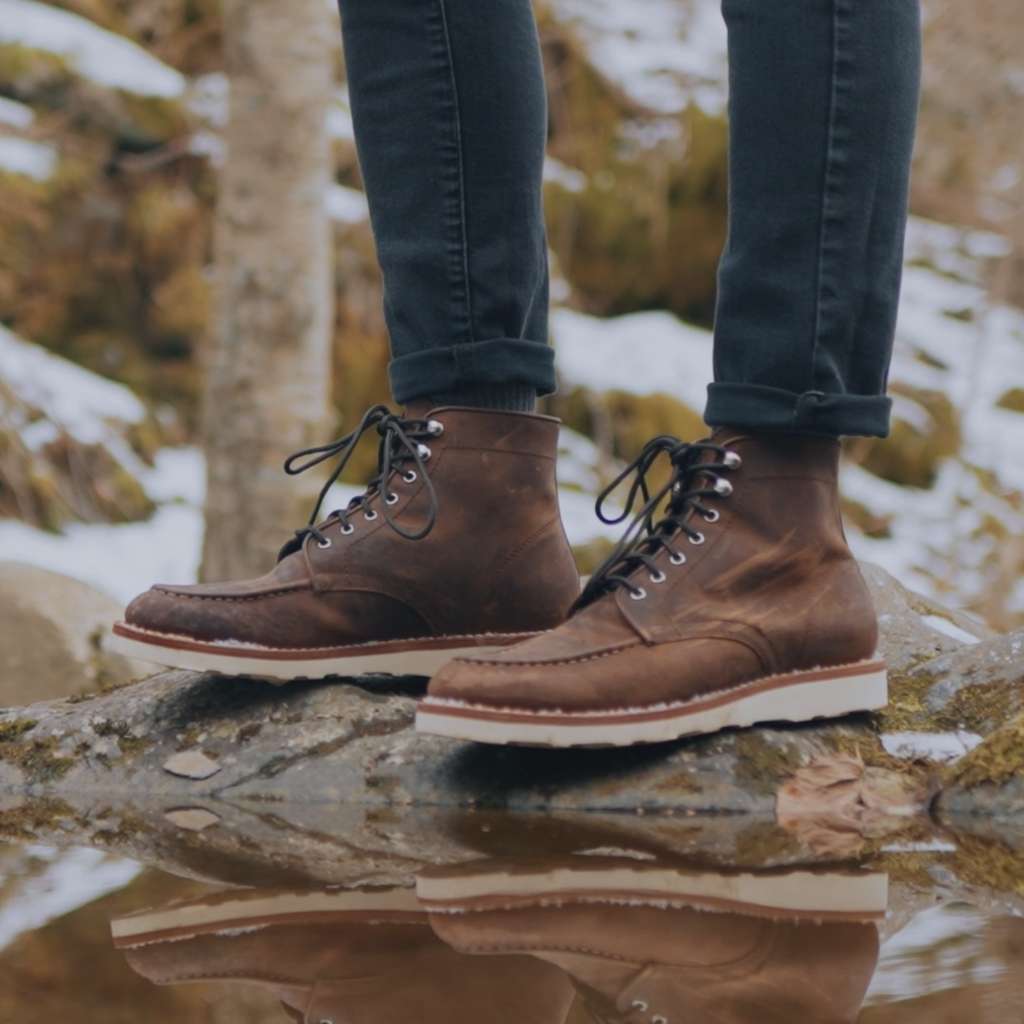
Thursday Boots market themselves on quality leather, solid stitching, and classic design. The brand uses full-grain and oil-tanned leather on many styles. They craft soles that vary by model—rubber, lug, or dress-style. Good leather and a sturdy sole are the start for winter use.
Key snow-relevant features
- Upper material matters. Full-grain and oil-tanned leather resist water better than untreated leather.
- Outsole tread matters. Deeper lugs grip snow and packed ice better than flat soles.
- Construction style matters. Goodyear welt or stitchdown soles are easier to resole and can be more durable in cold.
- Insulation and lining. Most Thursday Boots are unlined or lightly lined, so they are not heavily insulated by default.
From my experience, the build quality is solid. That helps with snow performance when you pick the right model and add protection. If you want to know are thursday boots good for snow, understanding these parts is the first step.
Traction: how Thursday Boots handle slippery surfaces
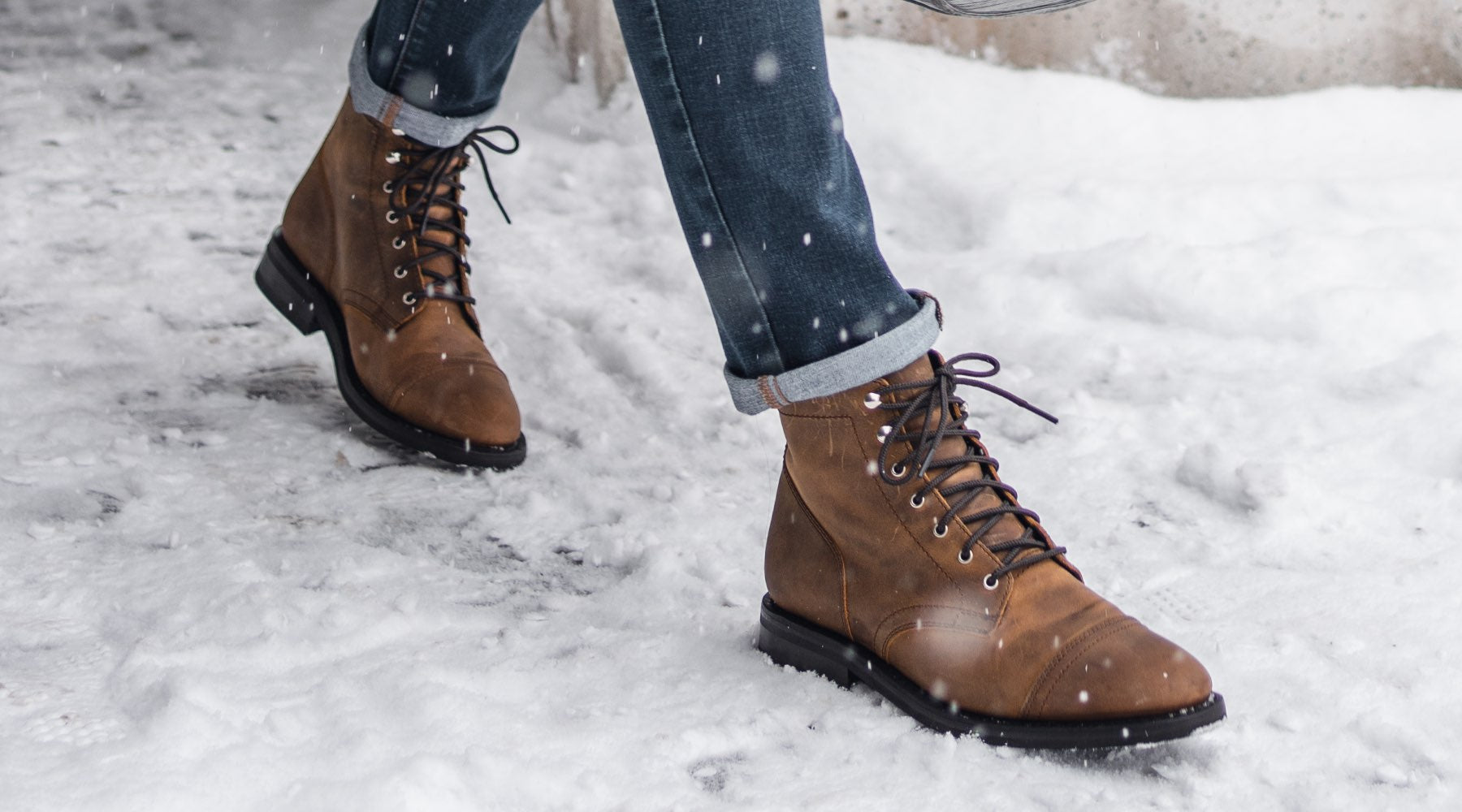
Traction is the number one safety factor in snow. Soles with deep patterns move cold slush and give edge. Many Thursday Boots models use a rubber sole with moderate tread.
What to expect
- Light snow and packed trails. A lugged rubber sole on Thursday Boots can handle light snow and city sidewalks well.
- Wet, slushy conditions. If the sole tread is shallow, you will slip more on slush and black ice.
- Deep snow and icy hills. Thursday Boots without specialized winter soles are not ideal for long walks on icy inclines.
Practical tip: Add aftermarket traction devices or swap to winter-specific rubber soles if you expect icy days. This improves safety and comfort.
Waterproofing and breathability: protection trade-offs
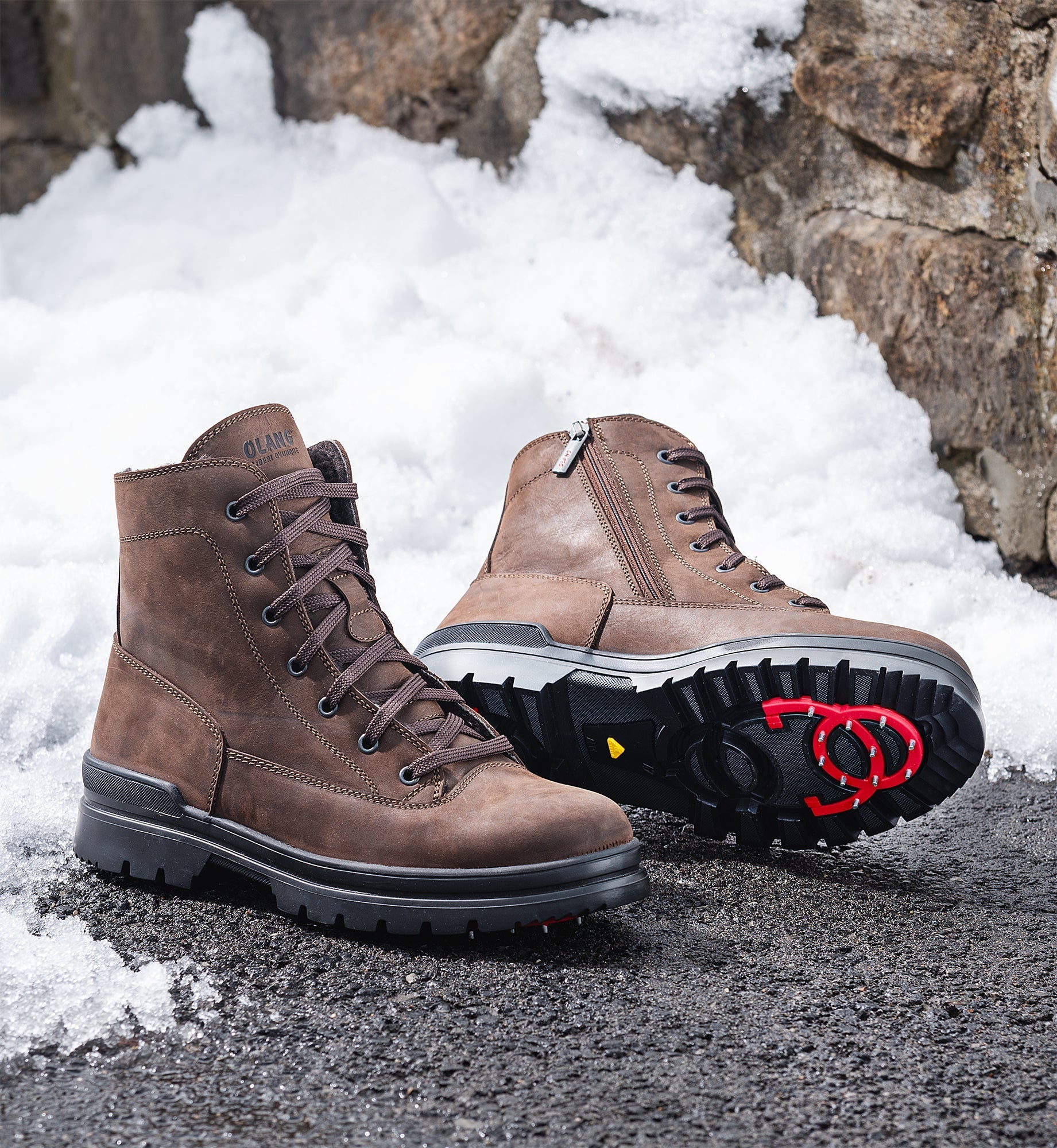
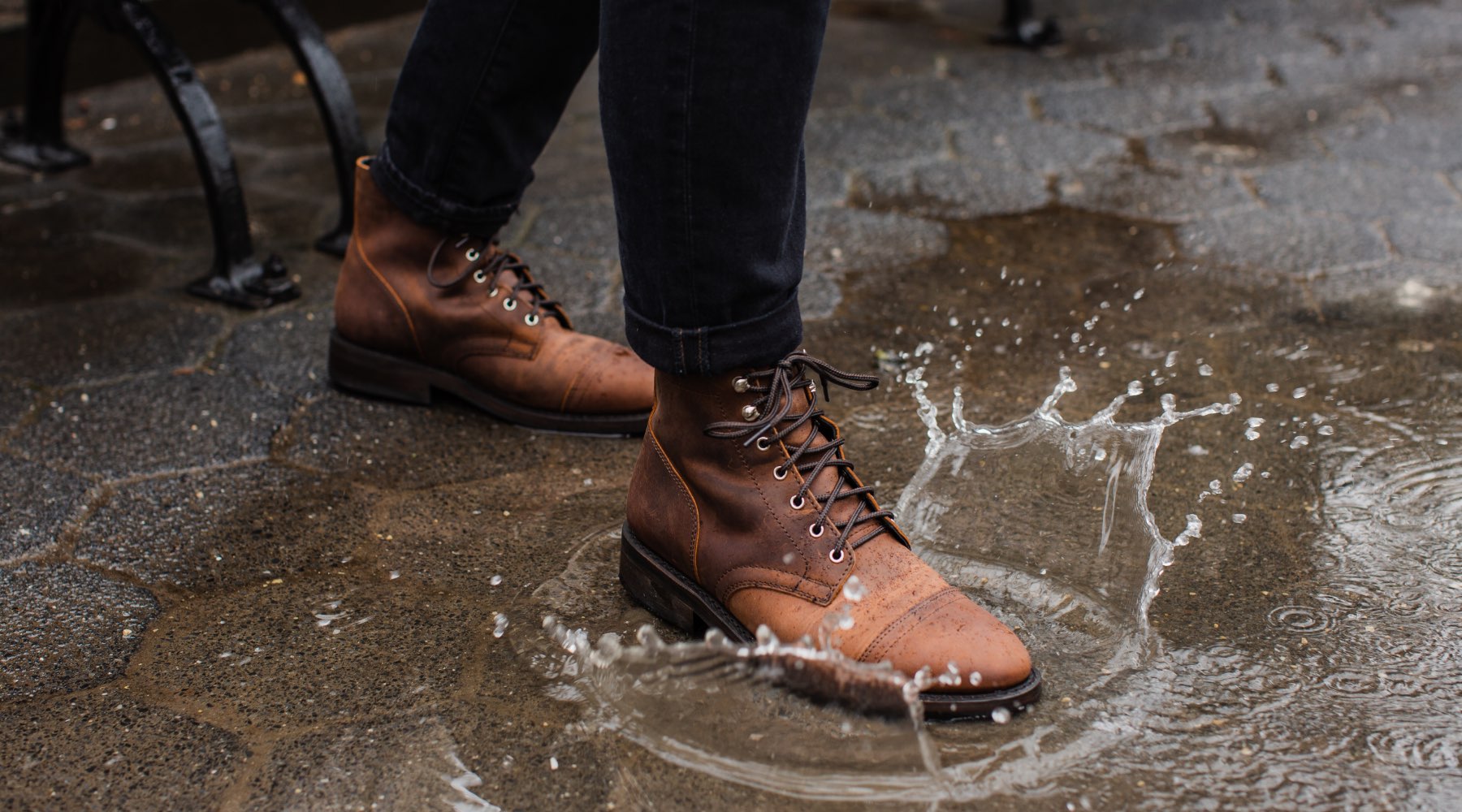
Leather by itself is not fully waterproof. Many Thursday Boots will resist light moisture but will soak in heavy snow or slush unless treated.
Ways to improve waterproofing
- Apply a quality leather conditioner or wax. This helps bead water and adds a barrier.
- Use a waterproofing spray for leather and seams.
- Choose oil-tanned leather models when possible. They repel water better out of the box.
Keep in mind that heavy waterproof membranes trap moisture and can reduce breathability. If you plan long outdoor time in snow, consider layering socks and adding a waterproof over-boot. Are thursday boots good for snow? They can be, after you add proper waterproofing.
Insulation and warmth: what to expect from Thursday Boots
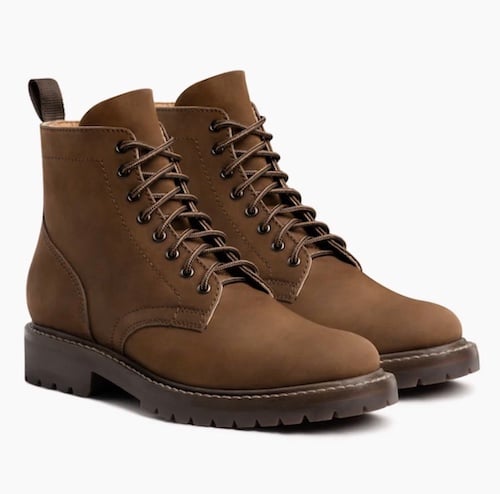
Most Thursday Boots are not built with thick insulation. They are work and style boots rather than mountaineering footwear.
Insulation facts
- Stock Thursday Boots are usually uninsulated or have light linings.
- Add warm, moisture-wicking socks to boost warmth.
- For very cold climates, consider an insulated insole or a different boot built for subzero temps.
From my own winter use, adding a wool insole and merino socks made a big difference on cold walks. If warmth is a priority, check insulation ratings or pick winter-specific models.
When Thursday Boots are a good choice for snow
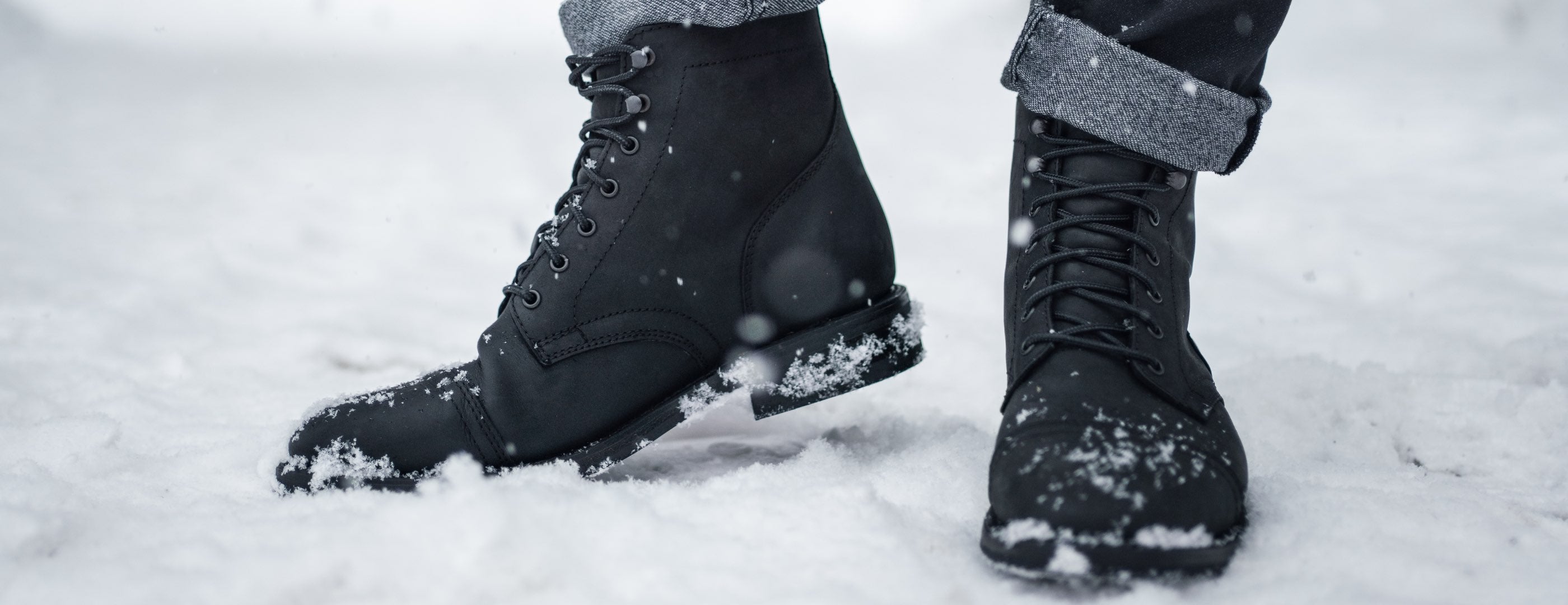
Thursday Boots shine in specific winter scenarios. They work best when snow is light, the ground is mostly cleared, or you will be in town.
Best-case uses
- Short city walks after a light snow.
- Commuting when sidewalks are salted and plowed.
- Occasional outdoor use with proper waterproofing and traction aids.
- When you want a boot that looks good with winter outfits and can be treated for protection.
If your winter is mild or you will mostly stay on plowed paths, asking are thursday boots good for snow will probably lead to a yes, with care.
When Thursday Boots are not the right choice
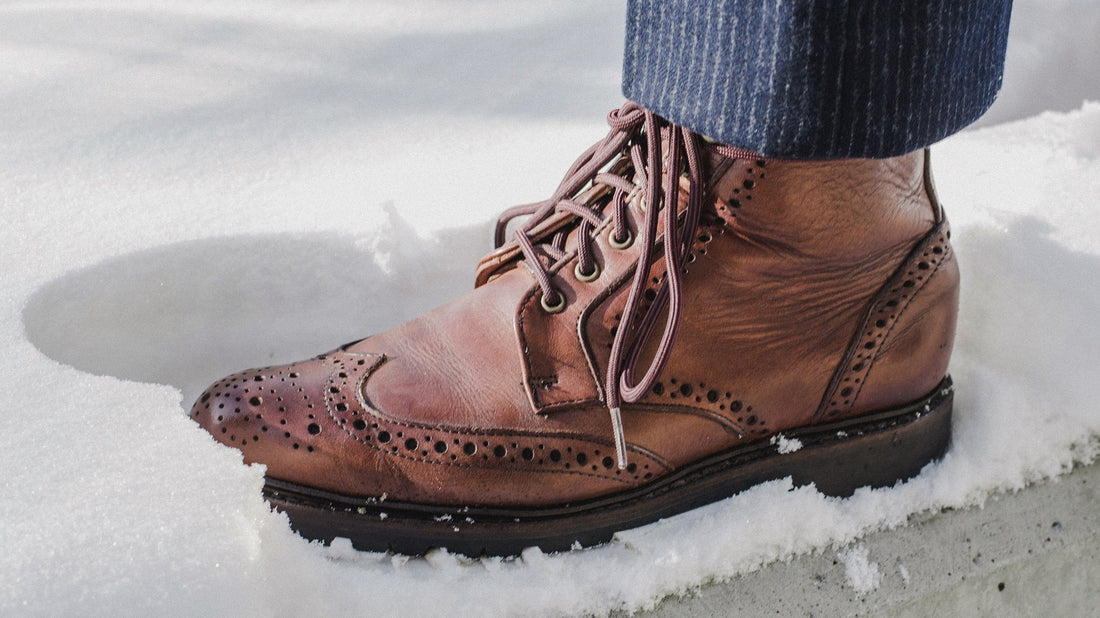
There are clear limits. Thursday Boots are not ideal when conditions are extreme or when you need heavy-duty performance.
Avoid using them for
- Deep, wet snow or long treks in unplowed areas.
- Consistent temperatures well below freezing without insulation.
- Icy hikes where specialized crampons or winter hiking boots are needed.
Be honest about your conditions. If you need serious winter gear, pick boots made for snow and ice.
How to prepare and maintain Thursday Boots for snow
Preparation extends life and performance. Simple steps make Thursday Boots far more usable in winter.
Preparation and care steps
- Clean off salt and slush after each wear using warm water and a soft brush.
- Condition leather every few weeks in winter to prevent drying and cracking.
- Apply a wax or spray waterproofing before wet weather.
- Replace or resoling: ask a cobbler for winter-specific rubber soles if needed.
- Use a boot tree or stuff boots to keep shape and speed drying.
My tip: keep a small care kit at home. A brush, cloth, leather balm, and a spare set of warm insoles will keep your boots ready all season.
Alternatives and comparisons
If you’re unsure are thursday boots good for snow, compare them to true winter boots.
What to consider when comparing
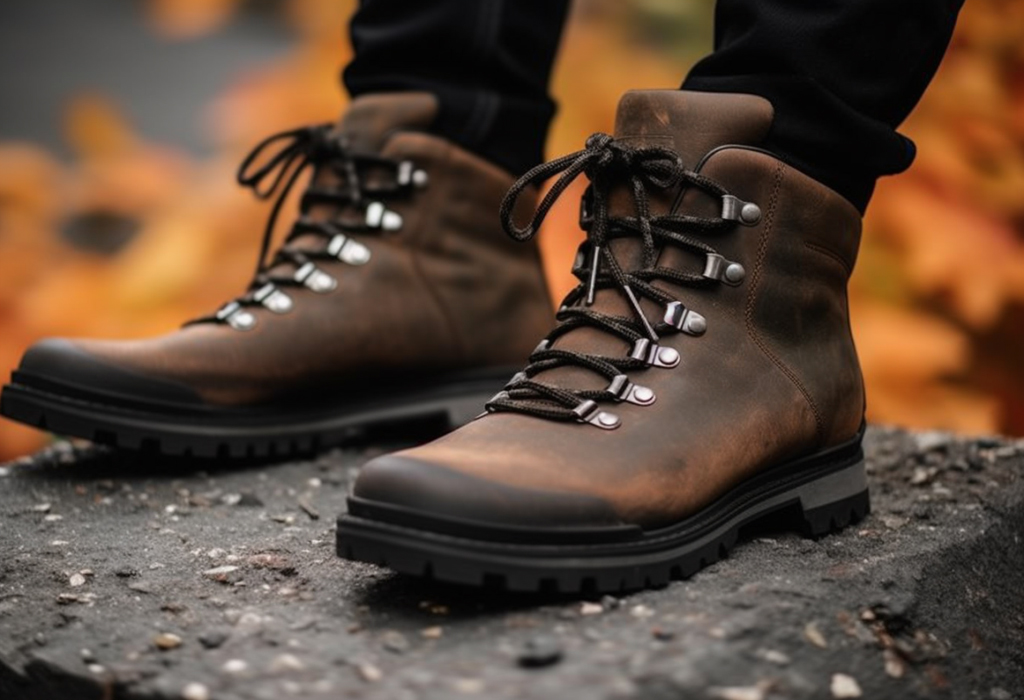
- Winter hiking boots. These have insulation, waterproof membranes, and aggressive treads for ice.
- Duck boots. Great for wet slush and city use with a waterproof lower and flexible top.
- Insulated work boots. Built for long wear in cold, wet conditions with thick insulation and robust soles.
If style matters and you want a versatile city boot, Thursday Boots are a solid option. If safety and deep-snow performance matter most, choose purpose-built winter boots.
Personal experience and lessons learned
I’ve used Thursday Boots for winters in cities with moderate snow. I treated leather and added insoles. They were comfortable and turned heads. On icy days, I added traction devices. That kept me safe but reminded me they are not a one-boot solution for all winters.
Lessons I learned
- Treat boots before the season. It saves repair later.
- Keep an alternate pair with better traction for severe days.
- Resole early if tread wears down. Good tread is the main safety factor.
These small steps kept my boots wearable and extended their life across seasons.
Are Thursday Boots good for snow — final verdict
Are thursday boots good for snow? They are for light snow and city winters if you take steps to waterproof and add traction. They are not the best for deep, wet, or icy conditions without modification. Choose models with better tread, treat the leather, and add warm insoles for the best result.
Frequently Asked Questions of are thursday boots good for snow
Are Thursday Boots waterproof out of the box?
Most are not fully waterproof out of the box. Some models use oil-tanned leather that resists moisture better, but treatment is still recommended.
Can I use Thursday Boots in heavy snow with wax and sprays?
Wax and sprays improve resistance to moisture, but they will not make the boots equivalent to purpose-built snow boots in heavy, wet snow.
Do Thursday Boots have good traction on ice?
Traction depends on the sole. Lugged rubber soles perform reasonably, but thin or flat soles do not grip ice well.
How can I make my Thursday Boots warmer for winter?
Add insulated insoles, wear wool or merino socks, and consider a thermal footbed. These small changes boost warmth significantly.
Should I resole my Thursday Boots for winter use?
Yes. Resole with winter-specific rubber if you expect lots of icy or slushy conditions. It is a cost-effective upgrade for traction.
Conclusion
Thursday Boots can be a smart winter choice for many city and light-snow situations when you pick the right model and prepare them properly. Treat the leather, boost traction, and add insulation to get the most from these boots. If you face deep snow, long treks, or extreme ice, pick a dedicated winter boot instead. Try the care tips here, test your setup on a short walk, and adjust as needed. If this helped, leave a comment, share your winter boot tips, or subscribe for more gear guides.

Rubel Miah is the Senior Editor at MyStyleGrid.com, where he brings a sharp editorial eye and an unshakable love for fashion to everything he does. A true style addict, Rubel lives and breathes trends, from streetwear to high fashion, and has a knack for turning inspiration into impactful stories. With years of experience in fashion journalism and digital media, he curates content that empowers readers to express themselves through style. When he’s not editing features or forecasting the next big thing, you’ll find him hunting down vintage pieces or capturing street style moments around the city.