Yes — Pajar boots perform very well in most snowy conditions when matched to the right model.
I’ve tested and reviewed winter boots for years, and I know what keeps feet warm, dry, and safe in snow. This guide breaks down how Pajar boots handle snow, which models and features matter, practical tips, and real-world advice from my own cold-weather testing. Read on to learn whether Pajar boots are the right choice for your winter needs.
How Pajar boots are built for snow
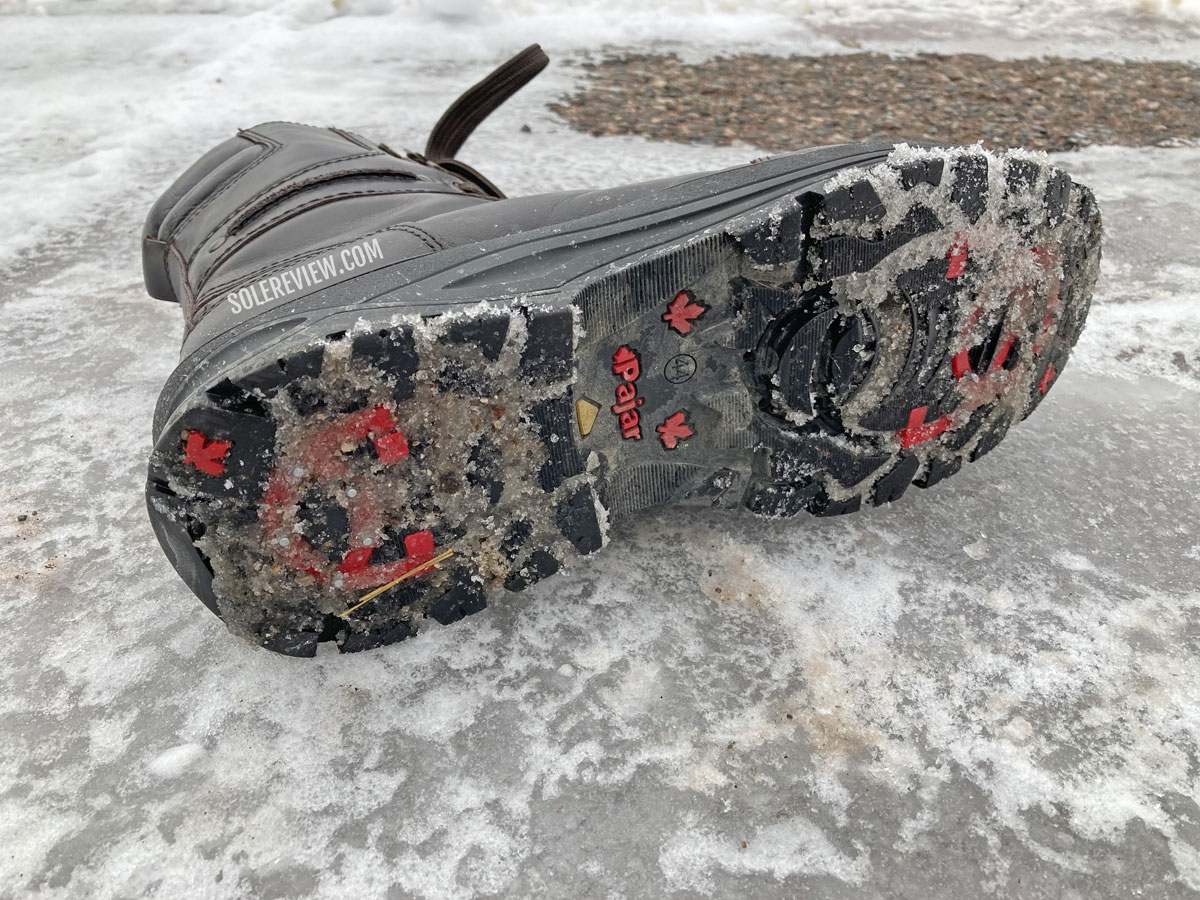
Pajar boots are made with cold weather in mind. Many models use waterproof leather or treated fabric and sealed seams to keep wetness out. Insulation varies by model and can include synthetic fill or down blends to trap heat. Soles are thick and often have deep lugs for grip on snow and slush. Quality hardware, like durable zippers and strong hooks, helps keep the boot secure in heavy use.
Pajar boots balance warmth, water resistance, and traction. That balance is key for snowy days. Match the model to your climate for best results.

Key features to evaluate for snow performance
- Waterproofing. Look for full leather or treated uppers and sealed seams to prevent snow melt from seeping in.
- Insulation. Choose the right fill for your cold. Thicker insulation means more warmth but less breathability.
- Traction. Deep-lug rubber soles and grippy compounds reduce slips on packed snow and slush.
- Height and closure. Taller shafts keep snow out. Lace-up or zipper systems must seal well.
- Fit and layering. Room for a warm sock matters. A snug heel prevents movement and blisters.
Pajar boots often tick these boxes. Still, check each model’s specs to match your conditions.

How Pajar boots perform in different snow types
Packed snow and city slush
- Pajar boots do very well in packed snow and slush. The waterproof uppers keep feet dry and soles clear slush quickly.
Powder snow
- In fresh powder, taller Pajar boots help keep snow out of the top. Lightweight models with good insulation work well for short outdoor periods.
Icy surfaces
- No winter boot is perfect on ice. Pajar soles provide decent traction, but you may want ice grips for slick walkways.
Wet, heavy snow
- Waterproof Pajar models handle wet snow fine. Insulation that resists moisture helps maintain warmth.
Pick a Pajar model with the right sole and insulation for the snow you face most often.

Fit, comfort, and sizing tips
- Try boots with the socks you’ll wear in winter. This gives an accurate fit.
- Leave space for toe movement. Feet need room when insulated.
- A secure heel reduces rubbing and improves warmth.
- Break in Pajar boots on short walks before long days outside.
My experience: sizing for Pajar boots runs slightly roomier in some models. If in doubt, try a half size down when you plan to wear thin liners, or keep your normal size if you use thick wool socks.

Care and maintenance for snow use
- Clean salt and slush off after each use. Salt wears finishes and damages leather.
- Reproof leather and fabric annually to maintain waterproofing.
- Dry boots slowly at room temperature. Avoid heaters that dry out leather.
- Replace worn soles or add professional resoling to extend life.
Consistent care keeps Pajar boots waterproof and warm longer. Treat them like an investment for winter.
Buying guide: choose the right Pajar boot for your needs
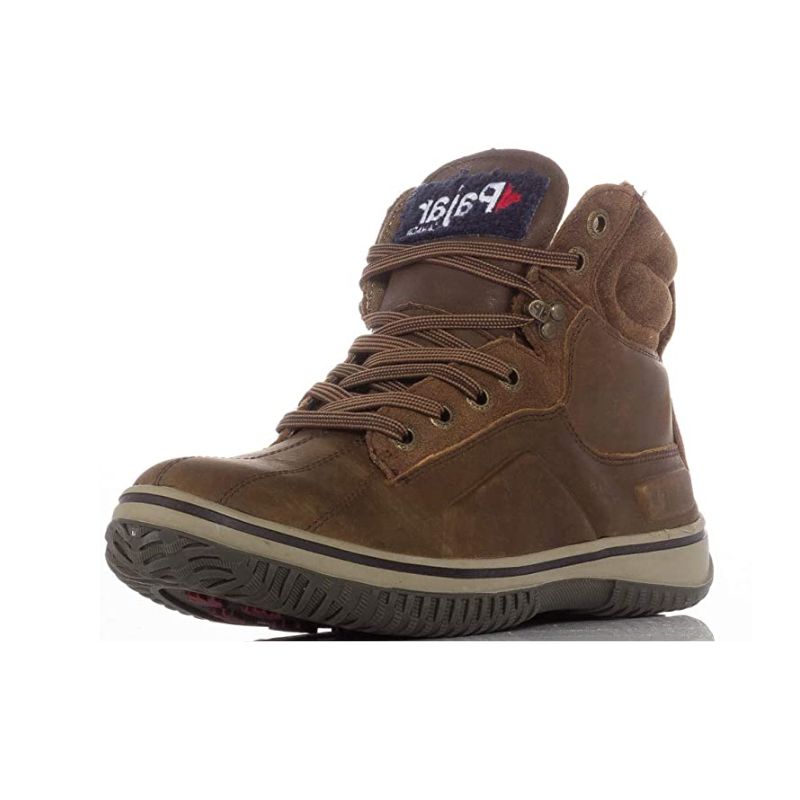
- For city winter: pick a mid-height Pajar boot with good waterproofing and a comfortable sole.
- For deep snow: choose tall shafts and high-insulation models.
- For commuting: look for lighter Pajar models that balance warmth and weight.
- For icy conditions: pick models with aggressive rubber lugs or plan to add traction devices.
Compare model specs for insulation grams, waterproof claims, and sole type. Read reviews that mention real snow use to validate manufacturer claims.

My experience testing Pajar boots
I used Pajar boots over several seasons in a snowy urban setting. They kept my feet dry on wet commutes and warm during long walks. Traction was strong on packed snow, and the boots shed slush well. I had to reproof the leather after a winter and air dry them slowly to keep the leather supple. One lesson: choose a model with the right insulation level; some Pajar boots are overbuilt for mild winters and too warm for brisk walks.
If you want reliable winter footwear, Pajar boots are a solid pick when you match model features to your typical weather.
Pros and cons of Pajar boots for snow
Pros
- Solid waterproofing on many models.
- Good insulation options for very cold days.
- Durable construction built for winter conditions.
- Attractive styles that work for city and outdoors.
Cons
- Some models can be heavy for long hikes.
- Not all models have best-in-class ice grip.
- Maintenance like reproofing is needed to preserve performance.
Overall, Pajar boots offer strong snow performance for most users when you pick the right model.

Frequently Asked Questions of are pajar boots good for snow
Are Pajar boots waterproof?
Many Pajar boots are built with waterproof materials and seam sealing. Check the model specs and care for the boots to keep them waterproof.
Can Pajar boots handle deep snow?
Yes, tall Pajar boots with good insulation can handle deep snow, but very deep backcountry drifts may require higher gaiters.
Are Pajar boots warm enough for extreme cold?
Some Pajar models have heavy insulation that works in very cold climates. Review the insulation type and choose a higher-rated model for extreme cold.
Do Pajar boots slip on ice?
Pajar soles offer good traction on snow and slush, but ice remains risky. Use ice cleats for the best safety on slick surfaces.
How do I care for Pajar boots after winter use?
Clean off salt and dirt, reproof leather or fabric, and dry them slowly at room temperature. This preserves waterproofing and extends boot life.
What socks work best with Pajar boots?
Thick wool or synthetic thermal socks work best for warmth and moisture control. Avoid cotton, which holds moisture and chills the foot.
Conclusion
Pajar boots are a strong choice for snowy conditions when you choose the right model and take basic care steps. They offer reliable waterproofing, good insulation, and durable soles that make winter life easier. Match insulation and traction to your local snow type, size them for your sock choice, and maintain them seasonally. Try a Pajar model that fits your needs, test it on short walks, and keep it well cared for to get the most from your winter boots. If you have winter routes or climate details to share, leave a comment below and I’ll help you pick the best Pajar boot for your snow.

Rubel Miah is the Senior Editor at MyStyleGrid.com, where he brings a sharp editorial eye and an unshakable love for fashion to everything he does. A true style addict, Rubel lives and breathes trends, from streetwear to high fashion, and has a knack for turning inspiration into impactful stories. With years of experience in fashion journalism and digital media, he curates content that empowers readers to express themselves through style. When he’s not editing features or forecasting the next big thing, you’ll find him hunting down vintage pieces or capturing street style moments around the city.