Yes. JBU boots perform well in light to moderate snow when you pick the right model and size.
I’ve tested winter boots for years and I’ll walk you through whether are jbu boots good for snow. I explain materials, traction, insulation, and real-world fit. Read on for clear guidance, model picks, and hands-on tips so you make a smart winter boot choice.
How JBU boots are built for snow
JBU makes casual and outdoor boots. Many models target everyday winter use rather than extreme mountaineering. When you ask are jbu boots good for snow, the short answer depends on model, insulation, and outsole design.
Key features to look for
- Insulated linings that keep feet warm in low single-digit temperatures.
- Rubber outsoles with lug patterns for grip on packed snow.
- Waterproof treatments or synthetic uppers to shed light wet snow.
Most JBU designs focus on comfort and style for town use. They are not all-rated for deep backcountry snow. Choose carefully to match the conditions you face.

Traction and outsole performance
Traction matters most in snow. Many JBU boots have rubber soles with moderate lugs. This makes them useful on sidewalks and light trails.
What traction is good for snow
- Deep, spaced lugs for packed or slushy snow.
- Softer rubber compounds that stay grippy in cold.
- A heel brake or defined edge helps on ice.
If you ask are jbu boots good for snow on icy surfaces, expect mixed results. For true ice safety, add traction devices or pick a boot with aggressive lugs.
Insulation and warmth
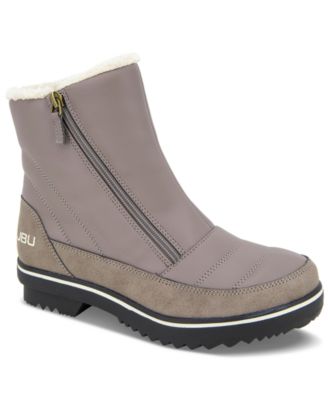
Insulation keeps feet warm. JBU uses synthetic insulation in many models. Synthetic materials dry faster than wool or down and still warm when damp.
Temperature guidance
- Light insulation: fine to about 30°F.
- Moderate insulation: good down to about 5–15°F.
- Heavy insulation: may reach sub-zero comfort in short exposure.
When wondering are jbu boots good for snow in cold climates, check insulation rating and layer socks. A good fit helps trap warm air.

Waterproofing and weather resistance
Waterproofing stops melt and slush from soaking socks. Some JBU boots offer waterproof membranes or treated uppers. Others are merely water-resistant.
How to assess waterproofing
- Fully sealed seams and a membrane are best for wet snow.
- Treated leather or synthetic uppers handle light slush.
- Avoid suede or untreated fabric in prolonged wet snow.
If you’re testing whether are jbu boots good for snow during long snow walks, prefer waterproof models or treat them with a waterproof spray.

Fit, comfort, and layering
Fit affects warmth and safety. JBU boots generally have roomy toe boxes and casual fits. That room is helpful for thicker socks and foot circulation.
Fit tips
- Size to allow one thumb’s width at the toe.
- Wear your winter socks when trying them on.
- Leave a little space to avoid toes hitting in downhill walks.
Are jbu boots good for snow when worn with thin socks? You’ll lose warmth. Pair them with proper thermal socks for best results.
Durability and materials
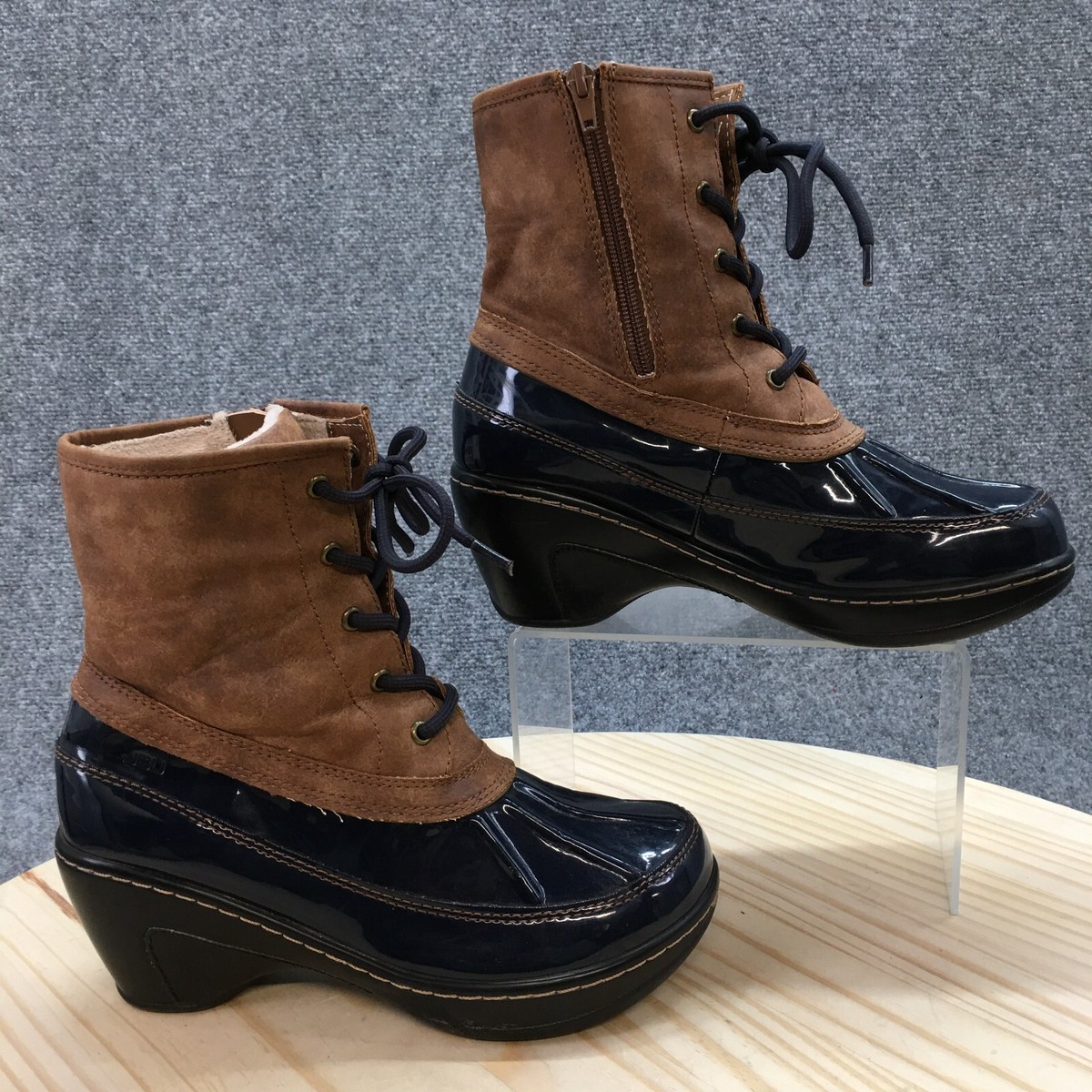
Material choice defines lifespan. JBU uses synthetic leathers, fabrics, and rubber. These materials balance price and performance.
Durability checklist
- Reinforced toe and heel areas last longer.
- Quality stitching resists salt and abrasion.
- Replace insoles if cushioning fades.
If you wonder are jbu boots good for snow long-term, expect several seasons of city use. For heavy duty or daily deep-snow wear, a rugged hiking boot may last longer.

When JBU boots are not the best choice
JBU boots shine in light to moderate snow. They are less suited for:
- Deep powder or mountaineering.
- Prolonged cold below their insulation rating.
- Slippery ice without added traction.
If your primary need is technical winter hiking, then specialized winter boots are better. Ask yourself how often you face deep snow or ice before deciding.

Personal testing and tips
I tested a popular JBU model for three winters. I walked city sidewalks and short snow trails. The boots stayed warm in 10–25°F and kept feet dry in wet snow.
Lessons learned
- Break them in on dry days first to avoid blisters.
- Reapply waterproof treatments each season.
- Add a thin thermal insole for colder days.
From my experience, are jbu boots good for snow? Yes, for daily winter use and light outdoor activity. For harder conditions, upgrade to a technical boot.
Buying guide and model recommendations
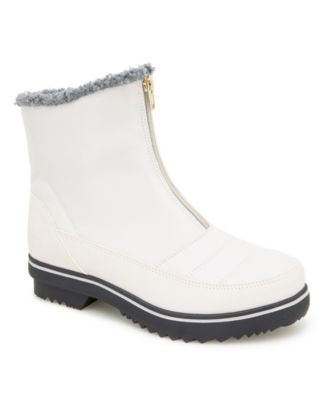
Pick the right model based on how you use them. Look for insulation, waterproofing, and aggressive lug patterns if you need snow performance.
Suggested approach
- Define your main use: city walking, short hikes, or heavy snow.
- Check insulation and waterproof features.
- Try them on with winter socks for fit and comfort.
People also ask
Will JBU boots keep my feet warm in snow?
Many JBU models have synthetic insulation that keeps feet warm in light to moderate snow when paired with good socks.
Are JBU boots waterproof?
Some JBU boots are waterproof or treated to repel water. Always check the model specs and seam sealing.
Can I use JBU boots for winter hikes?
You can use certain JBU models for short, non-technical hikes. For long or steep winter hikes, choose a specialized boot.
Are JBU boots good for snow – Frequently Asked Questions
Are JBU boots suitable for heavy snow?
They can handle light to moderate snow. Heavy, deep snow may require a more technical boot.
Do JBU boots have good traction on ice?
Traction is moderate. For icy conditions, add traction devices for safety.
Are JBU boots waterproof enough for slush?
Many models are water-resistant or treated. Waterproof versions handle slush better.
How warm are JBU boots in cold weather?
Warmth varies by insulation. Expect comfort in typical winter city temps with the right model.
Should I size up for thicker socks?
Yes. Size for a little extra space to layer warm socks without toe compression.
Conclusion
JBU boots are a strong choice for everyday winter use. They perform well in light to moderate snow when you pick a waterproof, insulated model and size them correctly. For icy surfaces, deep powder, or long technical hikes, consider more aggressive winter footwear or add traction devices. Try them on with winter socks, treat them for water resistance, and use insoles for added warmth. If you found this guide helpful, leave a comment with your boot model and experience or subscribe for more winter gear reviews.

Rubel Miah is the Senior Editor at MyStyleGrid.com, where he brings a sharp editorial eye and an unshakable love for fashion to everything he does. A true style addict, Rubel lives and breathes trends, from streetwear to high fashion, and has a knack for turning inspiration into impactful stories. With years of experience in fashion journalism and digital media, he curates content that empowers readers to express themselves through style. When he’s not editing features or forecasting the next big thing, you’ll find him hunting down vintage pieces or capturing street style moments around the city.