Reliable trail shoe with roomy toe box, solid grip, and plush natural feel.
You lace up for a long day on rough singletrack, but your shoes pinch, slip, or wear out before the miles do. The right trail shoe should protect your feet, let toes splay, grip wet rocks, and feel light enough to run all day. I tested the Altra Lone Peak 9 over varied terrain to see if it solves common trail problems like numb toes, poor traction, and midfoot soreness.

Is Altra Lone Peak 9 Good?
Yes — for many trail runners the Altra Lone Peak 9 is a very good choice. It blends the brand’s signature wide toe box and zero-drop platform with updated cushioning and a softer knit upper. If you value natural foot positioning, room for toe spread, and a forgiving ride over rocks and roots, this shoe will likely suit you. If you prefer a very cushioned, maximal shoe or need aggressive downhill control, it might feel too minimal.
I used these on muddy, rocky, and packed dirt routes from 5K runs to an all-day 20-mile test. On a soggy morning, the grip kept me steady when others slipped. On a long run, my toes stayed comfortable and fatigue was lower than in narrower models. The Lone Peak 9 felt predictable and durable for many kinds of trail work.
My First Impression for Altra Lone Peak 9
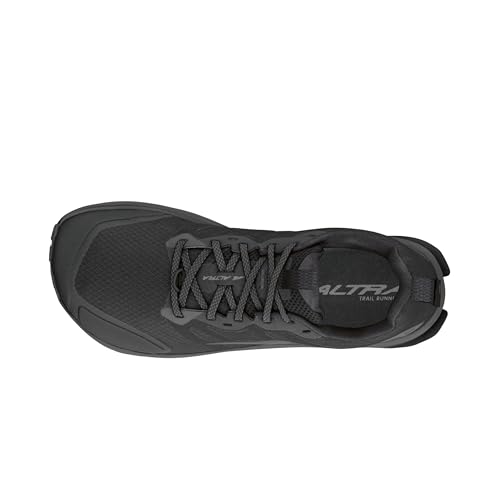
The shoes arrived in simple, tidy packaging. The presentation matched what I expected from a performance trail shoe — no frills, just the product. The upper felt soft and slightly stretchy. Out of the box the fit was roomy in the toe box and snug through the midfoot.
I laced them up and walked around the block to check fit and feel. The knit upper hugged the foot but did not compress the toes. The midsole felt cushioned yet firm enough to feel the trail. My initial reaction was positive. I was pleased by the comfort and expected good trail performance. That excitement held after the first hard run, when the shoe proved stable and comfortable over varied ground.

What Makes It Stand Out / Key Features
- Zero-drop midsole that promotes natural foot strike and even weight distribution.
- Wide toe box to allow toe splay and reduce hot spots and blisters.
- Balanced cushioning that feels protective without being heavy.
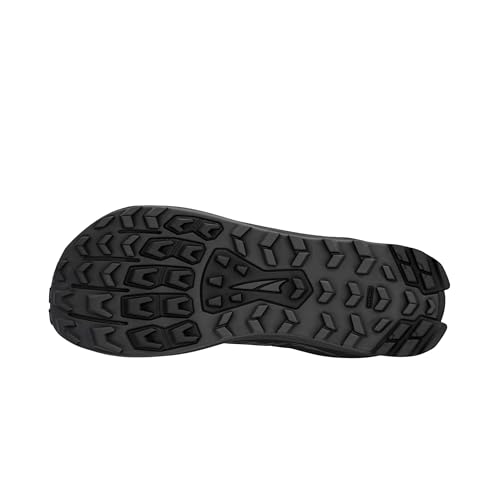
- Multi-directional outsole lugs for reliable traction on mud and rock.
- Updated knit upper that offers breathability and a snug, sock-like fit.
- Durable rock plate option in some models to shield against sharp trail debris.

What I Like
- Comfortable, roomy fit that reduces toe fatigue on long runs.
- Secure midfoot hold without pressure points.
- Good traction in wet and muddy conditions.
- Lightweight feel for the level of protection it offers.
- Durable outsole that stands up to abrasive trails.
- Responsive ride that still feels natural and connected to the ground.

What Could Be Better
- The zero-drop platform can take time to adapt if you’re used to high-drop shoes.
- Some runners may want a bit more underfoot cushioning for very long ultras.
- The knit upper may show wear sooner than a reinforced mesh on very rugged use.
My Recommendation
If you want a natural-feeling trail shoe with room for your toes and reliable traction, the Altra Lone Peak 9 is a strong pick. I recommend it for day hikers, trail runners, and anyone who often gets hot spots from tight shoes. The Lone Peak 9 gives comfort and control on rough trails without excess weight. Value is solid given its durability and versatile use. Availability is good through major online retailers and specialty shops.
| Best for | Why |
|---|---|
| Trail runners who want natural foot feel | Zero-drop and wide toe box reduce strain and improve balance. |
| Hikers covering long miles | Roomy fit and durable outsole lower blister risk and improve comfort. |
| Runners who want lighter protection | Balanced cushioning protects feet while keeping weight down. |
Alternative Products You Can Consider
Below are a few alternatives that serve similar needs. Each has a slightly different focus. Pick the one that matches your priorities: cushioning, downhill control, or a similar natural fit.
Hoka Challenger ATR 7 — Best for runners who want extra cushioning for long days on mixed terrain. The Challenger ATR 7 offers a softer ride and more stack height than the Lone Peak 9. It trades some ground feel for plush comfort and is a good choice for those who prefer more protection.
Salomon Speedcross 6 — Best for aggressive traction and fast technical runs. The Speedcross 6 has deeper lugs and a snug, race-minded fit. Compared to the Altra Lone Peak 9, it is narrower and more performance-focused on soft, muddy trails.
Brooks Cascadia 16 — Best for runners who want a stable, well-cushioned trail shoe with a traditional drop. The Cascadia delivers reliable support and a protective feel. It’s less roomy in the forefoot than the Lone Peak 9 but offers more structure for technical descents.
| Product | Best For | Key Difference |
|---|---|---|
| Altra Lone Peak 9 | Natural fit and toe splay | Zero-drop wide fit with balanced cushioning |
| Hoka Challenger ATR 7 | Extra cushioning for long runs | Higher stack, softer ride |
| Salomon Speedcross 6 | Aggressive traction on soft trails | Deeper lugs and race-oriented fit |
| Brooks Cascadia 16 | Stable support for technical terrain | More structure, traditional drop |
Final Verdict: Which Should You Buy?
If you prize natural foot motion, roomy toe space, and a confident feel on mixed trails, the Altra Lone Peak 9 is a top choice. It balances comfort, traction, and durability. Choose the Lone Peak 9 if you want a zero-drop, roomy shoe that reduces toe pain and lets you run longer without hotspots.
If you prefer more plush cushioning for long road-to-trail days, consider the Hoka Challenger ATR 7. If you need aggressive grip for soft, technical trails, the Salomon Speedcross 6 is a better fit. For stable support on rocky descents, the Brooks Cascadia 16 is worth a look.
FAQs Of altra lone peak 9 review
Are these shoes true to size?
They run true in length for most people. The notable difference is the wide toe box. If you prefer narrow shoes, you may feel extra room. For a snugger fit, consider trying a half size down only if you have experience with zero-drop shoes.
Is the Lone Peak 9 good for hiking as well as running?
Yes. The Altra Lone Peak 9 works well for both hiking and trail running. Its grip and comfort make it versatile for day hikes and multi-hour runs.
How long does the outsole last?
Durability depends on terrain and mileage. On mixed trails, expect solid wear for several hundred miles. The rubber outsole holds up well on rocky routes, though aggressive rock scraping may show wear sooner.
Do these shoes work for beginners to trail running?
They can. Beginners who want natural running and a roomy fit will like them. Start with shorter runs to adapt to the zero-drop platform and gradually increase mileage.

Rubel Miah is the Senior Editor at MyStyleGrid.com, where he brings a sharp editorial eye and an unshakable love for fashion to everything he does. A true style addict, Rubel lives and breathes trends, from streetwear to high fashion, and has a knack for turning inspiration into impactful stories. With years of experience in fashion journalism and digital media, he curates content that empowers readers to express themselves through style. When he’s not editing features or forecasting the next big thing, you’ll find him hunting down vintage pieces or capturing street style moments around the city.