Steel toe boots are strong shoes that protect your feet at work. They help keep your toes safe from falling things and heavy tools. But sometimes, steel toe boots can hurt your toes. Many people complain that their boots cut or rub their toes, making work painful.
You may feel sharp pain, blisters, or even wounds. This problem is common, but it can be fixed. Today, I will show you how to stop steel toe boots from cutting your toes. You will learn easy ways to keep your feet safe and comfortable.
You can follow these tips at home or at work. Let’s make your boots work for you, not against you.
Why Steel Toe Boots Cut Your Toes
Steel toe boots should protect, not harm. But sometimes, they do not fit well. The steel cap may press on your toes. If your boots are too tight, your toes rub against the hard steel. Poor quality boots may have rough edges inside.
Sometimes, the wrong size can leave your toes crowded. If you wear thin socks, the steel edge may touch your skin. If you walk a lot, your feet move in the boots. This makes your toes hit the steel cap again and again.
Here are some common reasons:
- Wrong size: Boots that are too small or too big can hurt your toes.
- Bad design: Cheap boots may have sharp steel caps.
- Thin socks: Without padding, your toes rub the steel.
- Long hours: Wearing boots for many hours increases rubbing.
- Foot shape: Wide feet need wider boots.
- Old boots: Worn boots lose their shape.
Most people miss one thing: not all steel toe boots are the same. Some brands use better steel caps. Others use cheap materials. Always check the inside of the boot. The lining matters as much as the outside.
How To Choose The Right Steel Toe Boots
Choosing the right boots is the first step. If you pick boots that fit well, your toes will be safe. Here is what to look for:
Size And Fit
Always measure your feet before buying boots. Your toes should not touch the steel cap. You need space at the front. Try boots in the afternoon. Your feet swell during the day. If you buy boots in the morning, they may be tight later.
Width
People often forget about width. If your boots are too narrow, your toes get squeezed. Look for boots with extra-wide options. Many brands offer wide sizes.
Boot Shape
Some boots have a round toe, others have a pointed toe. Round or square toe boots give more space. Avoid pointed toe boots for wide feet.
Quality
High-quality boots have smooth steel caps inside. Cheap boots may have rough or sharp edges. Always check the inside with your hand. Look for boots with soft lining.
Try Before You Buy
Walk in the boots for a few minutes. Your toes should feel free, not pressed. If you feel pressure, try a bigger size or another brand.
Here is a simple comparison of boot shapes:
| Boot Shape | Toe Space | Comfort Level |
|---|---|---|
| Round Toe | Wide | High |
| Square Toe | Very Wide | Very High |
| Pointed Toe | Narrow | Low |
How To Wear Steel Toe Boots Properly
Even the best boots can hurt if you wear them the wrong way. Let’s make sure you wear your boots right.
Use Thick, Soft Socks
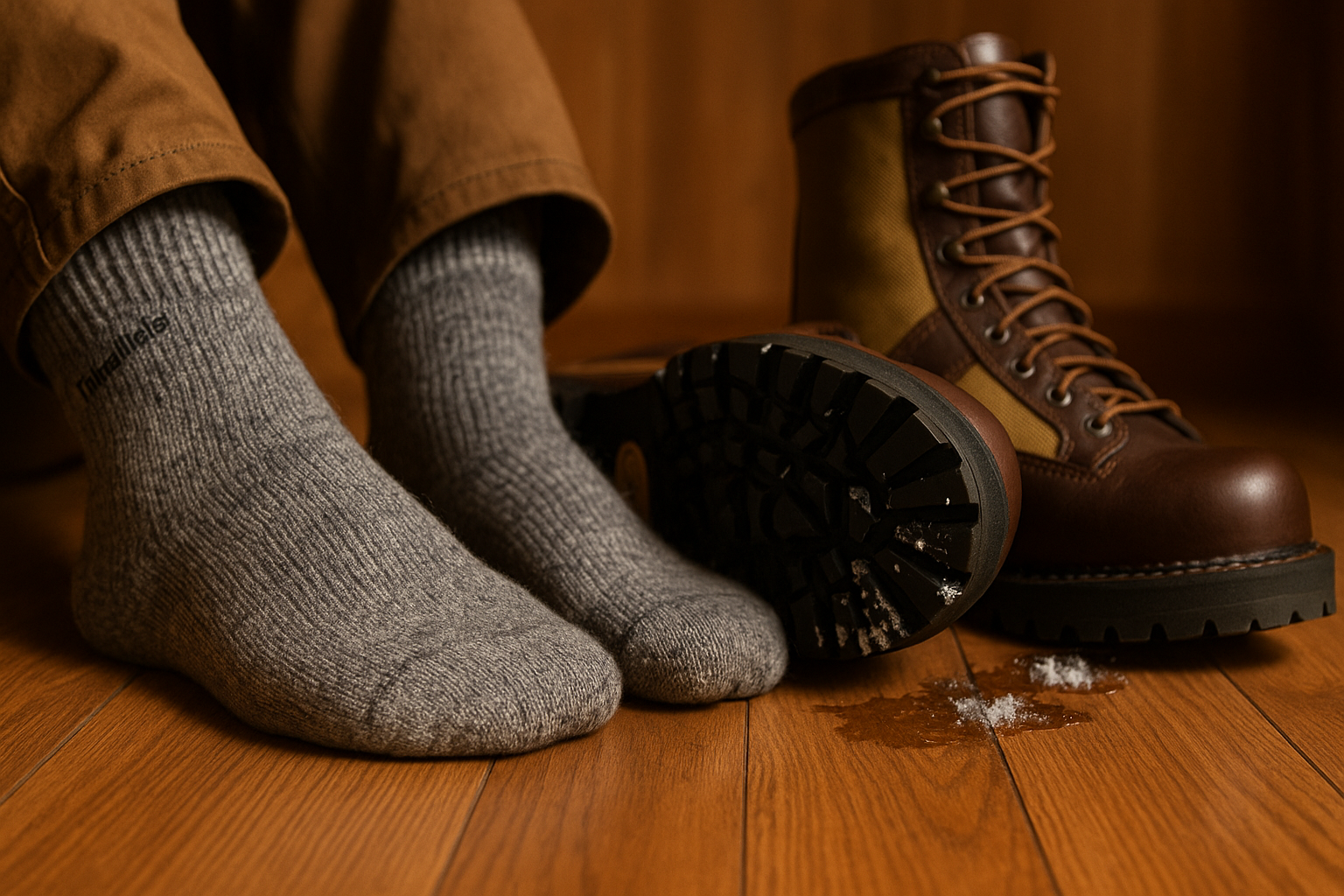
Thick socks add padding. They protect your toes from rubbing the steel cap. Cotton or wool socks are best. Avoid thin nylon socks.
Double Sock Method
If you want extra comfort, wear two pairs of socks. The first layer is soft and thin. The second is thick and strong. This keeps your toes safe.
Check Your Laces
Tight laces can push your foot forward. Loose laces let your foot slide. Both can make your toes hit the steel cap. Adjust your laces so your foot stays in place.
Use Toe Pads Or Inserts
You can buy foam pads for your toes. They stick inside the boot, giving extra cushion. Some inserts are made for steel toe boots. They protect your toes from the steel edge.
Break In Your Boots
New boots are stiff. Wear them at home for a few hours before using them at work. This helps the boots shape to your feet.
Here’s a quick comparison of sock types:
| Sock Type | Padded | Best For Steel Toe Boots |
|---|---|---|
| Cotton | Medium | Yes |
| Wool | High | Yes |
| Nylon | Low | No |
Easy Ways To Stop Steel Toe Boots From Cutting Your Toes
You don’t need to suffer. You can fix your boots at home. Here are some easy tips:
- Toe Guards: Buy soft toe guards. They cover your toes and add a cushion.
- Gel Inserts: Gel inserts fit inside your boots. They stop your toes from rubbing the steel cap.
- Moleskin Pads: Stick moleskin pads inside the boot. They cover rough spots.
- Boot Stretchers: Use a boot stretcher to make more space in your boots.
- Bandages: If you have blisters, cover them with bandages before wearing boots.
- Foot Powder: Use foot powder to keep your feet dry. Wet feet rub more.
- Custom Insoles: Some shops make custom insoles for your feet shape.
- Antibacterial Spray: Spray inside your boots to stop infections from cuts.
- Padding Tape: Wrap padding tape around your toes for extra protection.
- Heel Grips: Heel grips stop your foot from sliding forward.
Most people miss the power of boot stretchers. Stretchers can make boots wider and give your toes more space. You can buy them online or at shoe shops.

Credit: www.reddit.com
Signs Your Boots Are Hurting Your Toes
It’s important to know the signs. Sometimes, you feel pain but don’t know why. Here are clear signs your boots are cutting your toes:
- Sharp pain at the front of your foot
- Red marks or blisters on your toes
- Numbness in your toes after wearing boots
- Bleeding or open wounds
- Swelling or soreness
If you see these signs, stop wearing the boots. Fix the problem before it gets worse.
How To Treat Toe Injuries From Steel Toe Boots
If your boots have already hurt your toes, act fast. Small wounds can become big problems. Here is what to do:
- Wash your feet with warm water and soap.
- Dry your toes completely.
- Apply antiseptic cream to any cuts or blisters.
- Cover with bandages to keep wounds clean.
- Rest your feet and avoid wearing boots until your toes heal.
- Wear sandals or open shoes while healing.
- See a doctor if wounds don’t heal after a few days or get worse.
A non-obvious tip: If you get blisters, do not pop them. Let them heal naturally. Popping blisters can cause infections.
How To Make Your Steel Toe Boots More Comfortable
You can upgrade your boots at home. Here are some simple ways:
Boot Liners
Buy soft liners for your boots. They cover the inside and make it smooth.
Foam Inserts
Foam inserts are cheap and easy to use. They make the boots softer and stop the steel cap from touching your toes.
Professional Boot Fitting
Some shops offer boot fitting. They measure your feet and adjust the boots. This can solve most toe problems.
Replace Old Boots
If your boots are old and worn, replace them. Old boots lose their shape. The steel cap may move and hurt your toes.
Here is a table comparing comfort upgrades:
| Upgrade | Effect | Cost |
|---|---|---|
| Boot Liners | Softens inside | Low |
| Foam Inserts | Adds cushion | Low |
| Professional Fitting | Custom fit | Medium |
| New Boots | Best comfort | High |
How To Prevent Long-term Toe Problems
If you work in steel toe boots every day, you must protect your toes for the long term. Here is how:
Change Boots Regularly
Do not use the same boots for years. Change them every 12–18 months, or sooner if they wear out.
Foot Exercises
Do simple foot exercises to keep your toes strong. Stretch your toes, wiggle them, and roll your foot on a tennis ball.
Rest Your Feet
Take off your boots during breaks. Let your toes breathe. Dry your feet if they get sweaty.
Regular Checks
Check your toes every week. Look for blisters, redness, or pain. Early checks can stop big problems.
Stay Healthy
Eat foods rich in vitamins and minerals. Healthy feet heal faster.
A hidden insight: Many people forget to check the inside of the boot for changes. Over time, the lining wears out and the steel cap can become exposed. Always check for damage inside your boots.

Credit: www.youtube.com
When To See A Doctor
Sometimes, toe injuries get worse. Here’s when you should see a doctor:
- If you have pain that does not go away.
- If your toes are swollen or infected.
- If you cannot walk without pain.
- If you see pus or blood in wounds.
Doctors can help with strong medicines and advice. Do not wait too long.
Common Mistakes To Avoid
Many people make mistakes with steel toe boots. Here are some to avoid:
- Buying boots online without trying them: Always try boots before buying.
- Ignoring pain: If your toes hurt, do not wait. Fix the problem fast.
- Wearing thin socks: Thin socks do not protect your toes.
- Using old boots: Old boots can harm your feet.
- Not checking boot width: Width matters as much as length.
A non-obvious tip: Some people think expensive boots are always better. This is not true. Check for quality inside, not just the price.
How To Clean And Maintain Your Steel Toe Boots
Clean boots last longer and are safer. Dirty boots can cause infections and make toe injuries worse. Here’s how to keep your boots clean and safe:
- Wipe boots daily with a wet cloth.
- Dry boots after use. Wet boots rub more.
- Clean inside with mild soap every week.
- Check for damage inside and outside.
- Replace worn insoles and liners.
- Store boots in a dry place.
Using antibacterial spray inside your boots keeps them fresh. It stops germs that can infect cuts.
Steel Toe Boot Brands: Which Are Best For Your Toes?
Some brands make boots that are safer for your toes. Let me share a few:
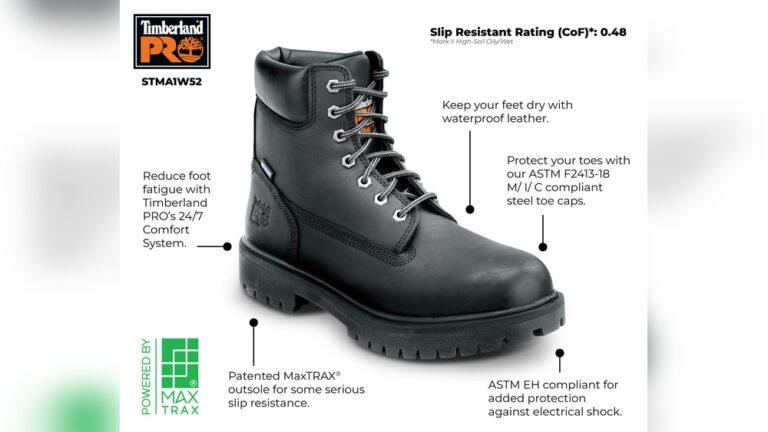
- Timberland PRO: Soft lining and wide sizes.
- Caterpillar: Extra padding inside.
- Red Wing: Strong, smooth steel caps.
- KEEN Utility: Wide toe box, soft materials.
- Dr. Martens: Comfortable design, good for long wear.
Look for brands that offer wide sizes and soft insides. Read reviews before buying. You can check more brands and safety tips at OSHA.
Real-life Examples
Let me share a story. James works at a warehouse. He wore cheap steel toe boots. After one week, his toes were bleeding. He tried thick socks, but the pain stayed. James switched to boots with a wide toe box and soft lining.
The pain stopped. He also used gel inserts for extra comfort.
Maria works in construction. Her boots felt fine at first. After a month, she got blisters. Maria tried boot stretchers and toe guards. She also took breaks and checked her feet often. Her toes healed, and she never had problems again.
These stories show that the right boots and care can stop toe pain.
Frequently Asked Questions
Why Do Steel Toe Boots Hurt My Toes?
Steel toe boots hurt your toes when they are too tight or the steel cap presses on your toes. If the boots are the wrong size, or if you wear thin socks, your toes can rub against the steel cap.
Always choose boots with enough space for your toes.
How Much Space Should There Be Between My Toes And The Steel Cap?
There should be about a thumb’s width of space between your longest toe and the steel cap. This space stops your toes from hitting the steel when you walk. If your toes touch the steel cap, the boots are too small.
Can I Use Inserts In Steel Toe Boots?
Yes, you can use inserts. Foam or gel inserts add padding and make your boots softer. Some inserts are made for steel toe boots. They protect your toes from rubbing the steel cap.
How Often Should I Change My Steel Toe Boots?
You should change your steel toe boots every 12 to 18 months, or sooner if they show signs of wear. Old boots lose their shape and can harm your toes. Check your boots often for damage inside.
What Should I Do If I Get Blisters Or Cuts From Steel Toe Boots?
If you get blisters or cuts, wash your feet, dry them, and apply antiseptic cream. Cover the wounds with bandages. Rest your feet and avoid wearing boots until you heal. If the wounds do not heal or get worse, see a doctor.
Steel toe boots should protect your feet, not cause pain. With the right boots, socks, and care, you can prevent your boots from cutting your toes. Remember to check your boots often, use padding, and never ignore pain. You deserve comfort and safety at work.
Take care of your feet, and your boots will help you stay strong every day.
Credit: www.overlookboots.com

Rubel Miah is the Senior Editor at MyStyleGrid.com, where he brings a sharp editorial eye and an unshakable love for fashion to everything he does. A true style addict, Rubel lives and breathes trends, from streetwear to high fashion, and has a knack for turning inspiration into impactful stories. With years of experience in fashion journalism and digital media, he curates content that empowers readers to express themselves through style. When he’s not editing features or forecasting the next big thing, you’ll find him hunting down vintage pieces or capturing street style moments around the city.