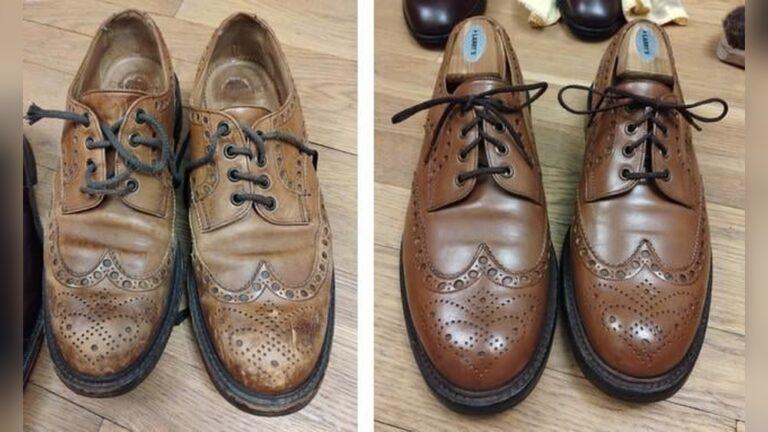
Have you ever found your favorite leather boots after months in storage, only to see them dry, stiff, or even cracked? It’s a common problem. Many people don’t know how to bring old, dried out leather boots back to life. The good news is: you can often save them! You do not need to be an expert. With patience and the right steps, your boots can look and feel almost new again.
In this guide, I’ll show you simple, clear steps to restore dried out leather boots after long storage. You’ll also learn what mistakes to avoid, which products to use, and how to keep your boots soft and strong in the future.
Let’s get your boots ready for adventure again!
Why Leather Boots Dry Out During Storage
Leather is a natural material. It needs moisture and care to stay flexible. When boots sit for a long time, especially in dry or hot places, they lose their natural oils. This makes the leather dry, stiff, or even cracked.
Here are some reasons why boots dry out:
- Low humidity: Dry air pulls moisture from leather.
- Heat: Warm places speed up drying.
- Improper storage: Boots stored in plastic or near heaters lose moisture faster.
- Dirt and dust: Leftover dirt absorbs oils and can damage leather.
A survey by the Leather Research Laboratory found that over 60% of leather damage happens during storage, not daily use. That’s why it’s so important to store and care for your boots correctly.
Checking The Condition Of Your Leather Boots
Before you start, take a close look at your boots. This helps you choose the best way to restore them.
- Look for cracks: Are there only small lines, or deep cracks?
- Check stiffness: Does the leather bend, or feel hard like cardboard?
- Look for mold or mildew: White or green spots may need extra cleaning.
- Inspect stitching and soles: Make sure nothing is falling apart.
If your boots have deep cracks or the soles are coming off, you may need a cobbler. But most dry boots can be fixed at home.
What You’ll Need To Restore Leather Boots
You don’t need fancy tools. Here’s a simple list:
- Soft brush (like a shoe brush or old toothbrush)
- Clean, soft cloths (cotton works best)
- Mild soap (like saddle soap or gentle hand soap)
- Leather conditioner or leather oil
- Leather cleaner (optional, for very dirty boots)
- Warm water
- Boot trees or newspaper (to help boots keep their shape)
- Gloves (to keep your hands clean)
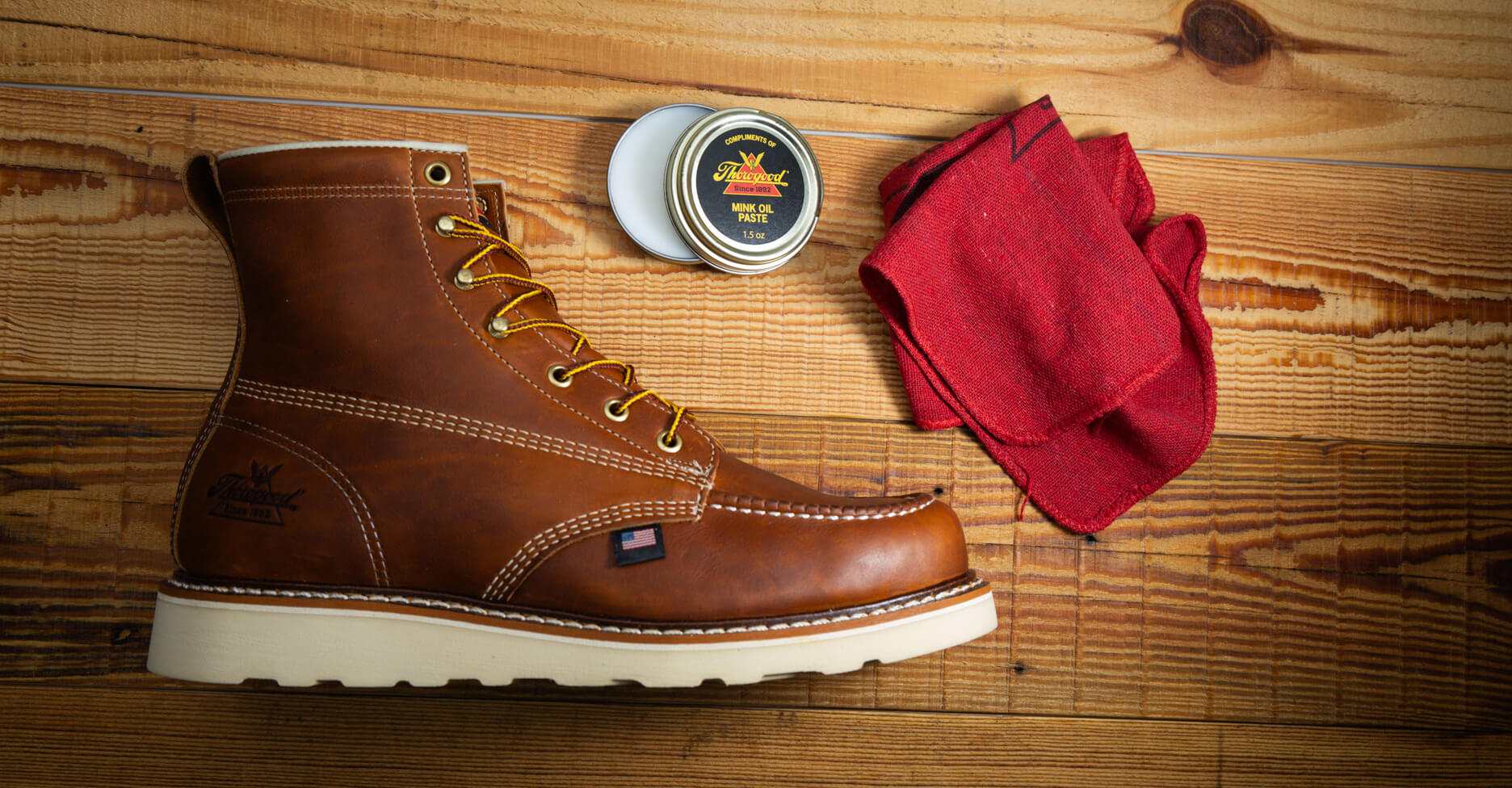
Some people use special products like mink oil or beeswax. These can help, but simple leather conditioner works for most boots.
Step-by-step: Restoring Dried Out Leather Boots
Let’s walk through the process together. Take your time, and you’ll get the best results.
1. Remove Dirt And Dust
Start by brushing off all loose dirt and dust. Use a soft brush. Don’t scrub hard. Pay special attention to seams and creases, where dirt hides.
2. Clean The Boots Gently
Mix a little mild soap with warm water. Dip your cloth in the soapy water, wring it out, and gently wipe the boots. Don’t soak the leather. You want the cloth damp, not wet.
If you see mold or mildew, mix a bit of white vinegar with water (1 part vinegar, 1 part water) and wipe those spots. Let the boots dry naturally. Never use a hair dryer or heater, as heat dries out leather even more.
3. Let The Boots Dry Slowly
Stuff your boots with newspaper or use boot trees. This helps them keep their shape while drying. Put the boots in a cool, dry place away from direct sun or heat.
Let them dry for at least 8 hours. Rushing this step can cause more damage.
4. Apply Leather Conditioner
Once dry, it’s time to bring moisture back. Put a small amount of leather conditioner or leather oil on a clean cloth. Rub it into the leather using small circles.
Don’t use too much. Start with a little and add more if needed. Be sure to cover the whole boot, not just the dry spots.
Let the conditioner soak in for a few hours, or overnight if the boots are very dry.
5. Buff And Polish
After the conditioner soaks in, use a clean, dry cloth to buff the boots. This helps bring out a soft shine and removes any extra oil. If you want, you can use a little shoe polish to add color and extra protection.
6. Check And Repeat If Needed
Very dry boots may need a second or third round of conditioning. If the leather still feels stiff, repeat the process after a day.
7. Protect Your Boots
When the boots are soft and flexible again, consider using a waterproof spray or wax. This adds a layer that helps keep moisture in and water out.
Common Mistakes To Avoid
Many people make these mistakes when trying to restore leather boots. Avoid them to keep your boots safe:
- Using too much water: Leather does not like being soaked.
- Drying with heat: Never use a hair dryer or place boots near a heater.
- Skipping cleaning: Dirt can scratch and damage leather when you add conditioner.
- Over-conditioning: Too much oil or conditioner can make leather sticky or soft.
- Ignoring cracks: Deep cracks need special care, or even repair by a cobbler.
Choosing The Right Leather Conditioner
Not all conditioners are the same. Here are some popular types:
| Type | Main Ingredient | Best For | Pros | Cons |
|---|---|---|---|---|
| Leather Cream | Natural Oils, Waxes | Most boots | Easy to use, quick soak-in | Needs frequent use |
| Leather Oil | Mink Oil, Neatsfoot Oil | Heavy boots, work boots | Deep conditioning | May darken leather |
| Beeswax Paste | Beeswax, Oils | Waterproofing | Strong protection | Sticky, may change color |
| Lanolin-Based | Lanolin | Soft leathers | Very gentle, keeps leather soft | Not as waterproof |
For most boots, a simple cream or oil-based conditioner works best. If your boots are very old or delicate, choose a gentle, lanolin-based product.

Credit: www.countryviewwestern.com
How Storage Conditions Affect Leather
Where and how you store boots is as important as cleaning them. Here are some storage tips:
- Keep boots in a cool, dry place: Avoid hot attics or damp basements.
- Use boot trees: They help boots keep their shape and let air flow.
- Avoid plastic bags: Leather needs to breathe. Use cloth bags or pillowcases.
- Clean before storing: Never put dirty boots away.
Here’s a quick comparison of different storage methods:
| Storage Method | Risk of Drying | Risk of Mold | Recommended? |
|---|---|---|---|
| Plastic Bag | High | High | No |
| Cardboard Box | Medium | Medium | Sometimes |
| Cloth Bag | Low | Low | Yes |
| On Open Shelf | Medium | Low | Yes, if dusted |
Choosing the right place and method can make your boots last much longer.
How To Fix Minor Cracks And Damage
If your boots have small cracks or look faded, here’s what you can do:
For Minor Cracks
- Clean and condition the leather as described above.
- Rub a little extra conditioner into the cracks.
- Let it soak in for at least 24 hours.
- Buff gently with a soft cloth.
For Deeper Cracks
- Use a leather repair cream or filler. These are sold at shoe stores or online.
- Follow the product instructions carefully.
- After repairing, always condition and polish the area.
For Faded Color
- Use a matching leather cream or polish.
- Test on a small area first.
- Apply in thin layers, letting each layer dry.
Many people think deep cracks mean the boots are ruined. But often, with patience and the right products, you can make them almost invisible.
Caring For Different Types Of Leather
Not all leathers are the same. Here’s how to treat common types:
| Leather Type | Common Use | Care Notes |
|---|---|---|
| Full-Grain | Work boots, hiking boots | Strong, needs oil or cream |
| Suede/Nubuck | Dress boots, fashion boots | Use special suede brush, avoid oil |
| Patent Leather | Dress boots | Wipe with damp cloth, use patent cleaner |
| Vegetable-Tanned | Handmade boots | Use gentle conditioner, avoid water |
Suede and nubuck need special care. Never use oil or regular conditioner. Instead, use a suede brush and special spray. For patent leather, just wipe with a damp cloth and use a cleaner made for shiny leather.
Long-term Boot Care: Keeping Leather Soft And Strong
Once your boots are restored, keep them in top shape with regular care. Here are some habits to build:
- Clean after each use: A quick brush keeps dirt from building up.
- Condition every few months: Even if boots look fine, conditioning prevents dryness.
- Store boots properly: Use boot trees or stuff with newspaper.
- Let boots rest: Don’t wear the same boots every day. Let them dry out between uses.
- Protect from water: Use waterproof spray before rainy days.
A study by the American Leather Chemists Association showed that boots conditioned every 3-4 months lasted up to 40% longer than those left untreated.
Non-obvious Tips Most People Miss
Most guides stop at cleaning and conditioning. Here are two extra tips that make a big difference:
- Warm boots slightly before conditioning: Leather absorbs conditioner better if it’s a little warm (not hot). You can leave boots in a warm room for 30 minutes before you start.
- Use a bone folder or spoon for creases: If your boots have deep creases, gently rub the area with a smooth spoon or bone folder after conditioning. This helps smooth out wrinkles.
When To See A Professional
Sometimes, it’s best to ask a cobbler for help. Go to a professional if:
- The leather has deep cracks all over.
- The soles or heels are coming off.
- There is a bad smell you can’t remove.
- You see green or white mold that keeps coming back.
A cobbler can repair or even replace parts of the boot, saving you the cost of new boots.
Credit: thorogoodusa.com
Products To Avoid On Leather Boots
Not all products are safe for leather. Avoid these:
- Household cleaners: Many contain chemicals that dry or stain leather.
- Oils not made for leather: Olive oil or vegetable oil can rot leather or cause mold.
- Alcohol-based products: They dry out leather fast.
- Baby wipes: Some contain alcohol or perfume.
Always check the label. Use products made for leather boots.
How To Tell If Your Boots Can Be Saved
It’s sad, but some boots are beyond repair. If you see these signs, you may need new boots:
- Leather is cracked all over and feels like paper.
- The inside lining is rotted or missing.
- The soles have big holes or are falling off.
- There is a strong, musty smell that won’t go away.
But if the leather is only a little dry or cracked, you can usually fix it at home.

Credit: www.reddit.com
Frequently Asked Questions
How Often Should I Condition Leather Boots?
Condition your boots every 3-4 months if you wear them often. If you use them less, twice a year is enough. If your boots get wet, condition them after drying.
Can I Use Coconut Oil Or Olive Oil On Leather Boots?
No. These oils are not made for leather and can cause mold or sticky spots. Use products made for leather, like mink oil or a good leather cream.
What If My Boots Have A Bad Smell After Storage?
Try sprinkling a little baking soda inside and leave overnight. Shake it out the next day. If the smell stays, clean with soap and water. For strong, musty smells, see a cobbler.
Is It Safe To Use Shoe Polish On Dried Out Boots?
Polish adds shine and color, but does not moisturize. Always condition the leather first. Use polish after the boots are soft and flexible again.
Where Can I Learn More About Caring For Leather?
A good place to read more is the Wikipedia guide on leather care. They explain different types of leather and many care methods.
Your boots can last for years—even decades—if you care for them the right way. Restoring dried leather boots is not hard, but it does take time and patience. Now you know what to do, which products to use, and the mistakes to avoid.
Take care of your boots, and they’ll take care of your feet for many adventures ahead!

Rubel Miah is the Senior Editor at MyStyleGrid.com, where he brings a sharp editorial eye and an unshakable love for fashion to everything he does. A true style addict, Rubel lives and breathes trends, from streetwear to high fashion, and has a knack for turning inspiration into impactful stories. With years of experience in fashion journalism and digital media, he curates content that empowers readers to express themselves through style. When he’s not editing features or forecasting the next big thing, you’ll find him hunting down vintage pieces or capturing street style moments around the city.