Run a shoe store by mastering location, inventory, staff, marketing, and customer care.
I’ve run retail businesses and advised shoe shops for years, so I know what works and what wastes time and money. This guide on how to run a shoe store walks you through planning, store setup, inventory, operations, marketing, finance, legal steps, and real-world tips you can use tomorrow. Read on for a clear, practical roadmap that mixes research with on-the-ground experience.

How to run a shoe store: Plan and research
Start with a clear business plan. Know your target customer, store format, and local demand. Research competitors, foot traffic, and online shopping habits in your area. A solid plan cuts risk and focuses your investment on what matters.
Key business plan elements:
- Market niche and customer profile.
- Financial forecast and startup costs.
- Inventory strategy and supplier choices.
- Marketing and sales channels.
Why this matters: a plan helps you decide the size of your store, the brands to stock, and whether you need an e-commerce presence. I once opened a small shop after six months of market checks; sales matched my first forecast because I focused on running shoes for local runners.
How to run a shoe store: Choose the right location and layout
Location drives sales in a shoe store. Pick a spot with steady foot traffic that matches your customer profile. Think shopping centers, high-street retail, or near gyms for athletic shoes.
Store layout tips:
- Use a clear entrance and sightlines so customers see best sellers.
- Create sections by shoe type and size range.
- Keep a small seating area for trying on shoes.
- Reserve space for displays and new arrivals.
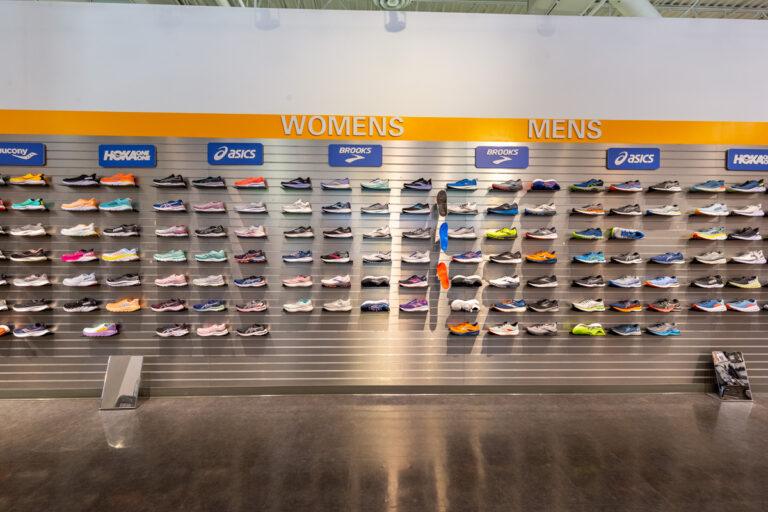
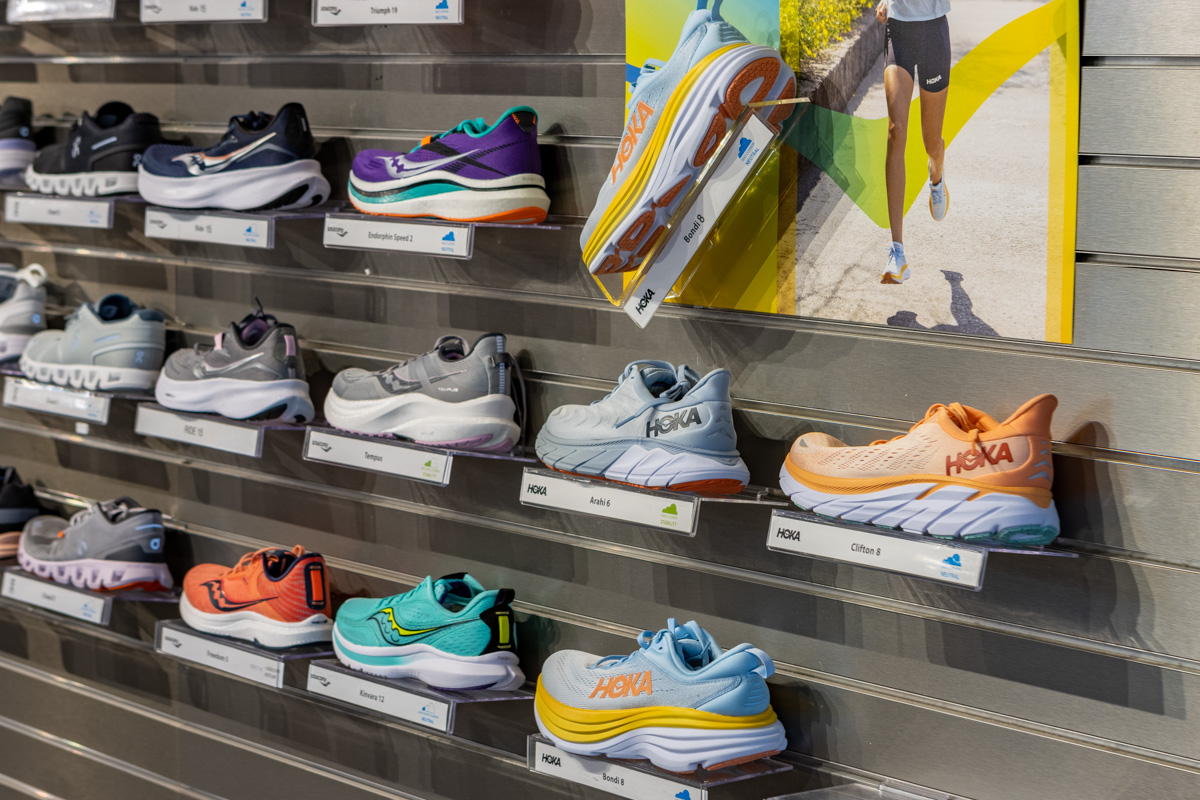
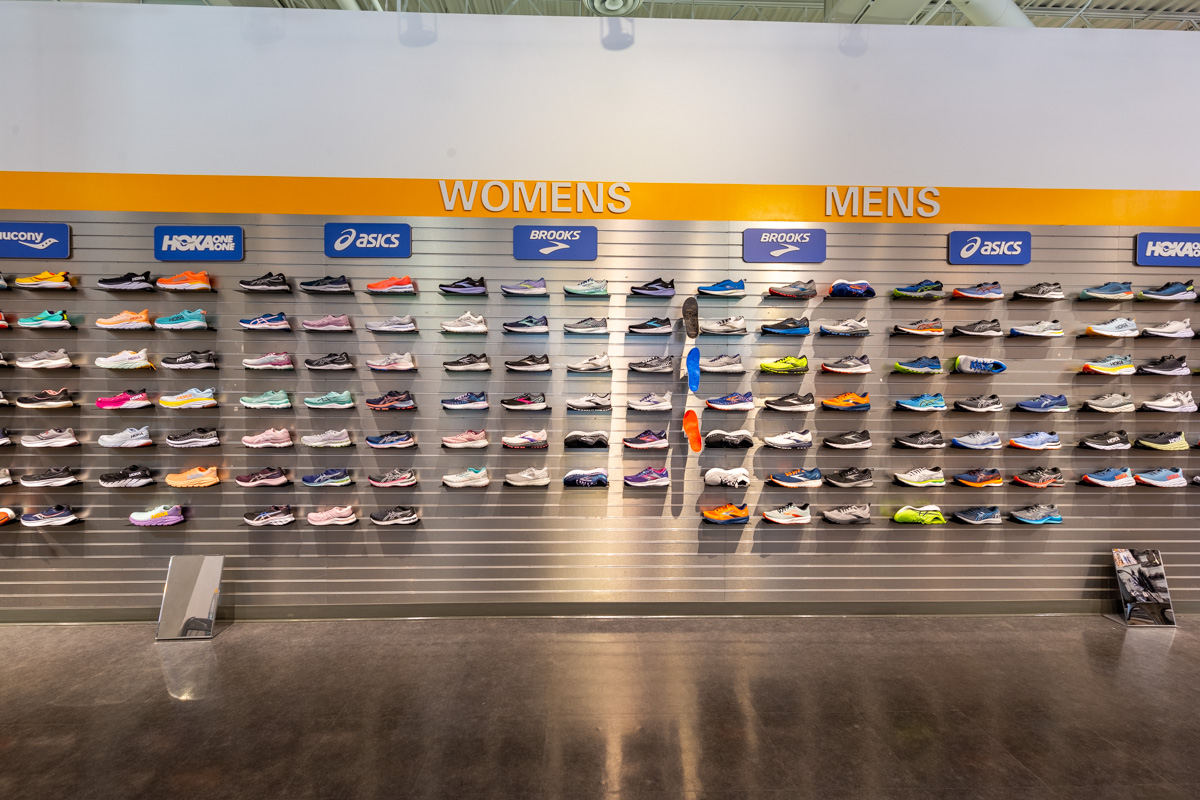
Design matters as much as location. Simple signs, good lighting, and easy navigation increase conversion. I rearranged my aisles to create a focal display and saw try-on rates jump within a week.

How to run a shoe store: Stocking inventory and supplier strategy
Inventory is your lifeblood. Balance variety with depth in popular sizes. Start with core styles and seasonal variations. Track sell-through rates and reorder fast-moving items.
Inventory basics:
- Start with best-selling categories for your niche.
- Keep size ranges common to your market; adjust by sales data.
- Use a reliable POS/inventory system for real-time counts.
- Negotiate payment terms and return policies with suppliers.
Work with a few trusted suppliers and test new brands in small runs. I learned to avoid over-ordering by keeping a 30–60 day reorder window. When a new brand sells, increase orders quickly.
Operations, staffing, and daily systems
Smooth operations make customers come back. Hire staff who fit your brand and train them on product knowledge and fit advice. Simple systems reduce mistakes and speed service.
Essential daily systems:
- Open/close checklists and cash reconciliation.
- Scheduled inventory counts and restocking routines.
- Training guides for shoe fitting and upselling.
- Shift plans to cover peak hours and events.
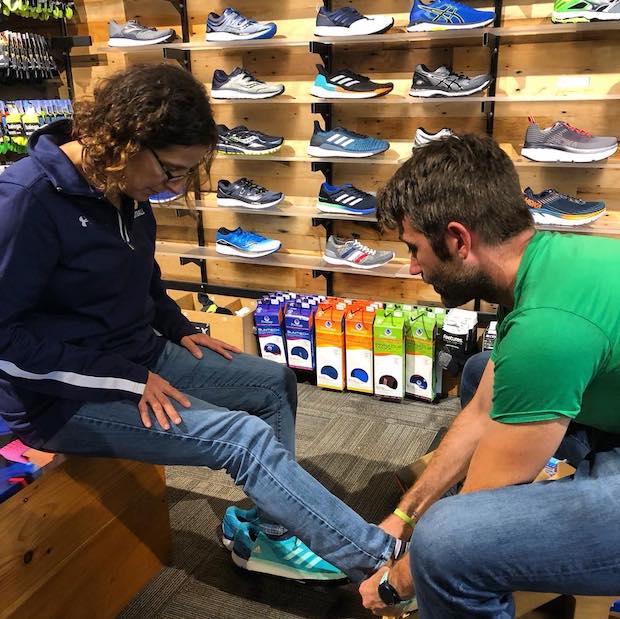
Staffing tip: hire for attitude and teach skills. A friendly sales associate who fits shoes well converts more than a polished but uninformed employee. I once lost a good staffer to poor scheduling; morale and sales dropped for two months. Fix staff routines early.
Marketing and building multiple sales channels
Marketing gets people through the door and onto your website. Mix local tactics with digital marketing to reach shoppers at every stage.
Marketing channels to use:
- Local SEO and Google Business profile for foot-traffic searches.
- Social media to show inventory, customer photos, and promotions.
- Email marketing for restock alerts and loyalty offers.
- Local partnerships with gyms, schools, or events.
E-commerce complements retail. Offer click-and-collect and clear return policies. A small online catalog boosted my weekday revenue by 20%. Focus on product photos, clear sizing info, and simple checkout.
Customer service, fitting, and retention
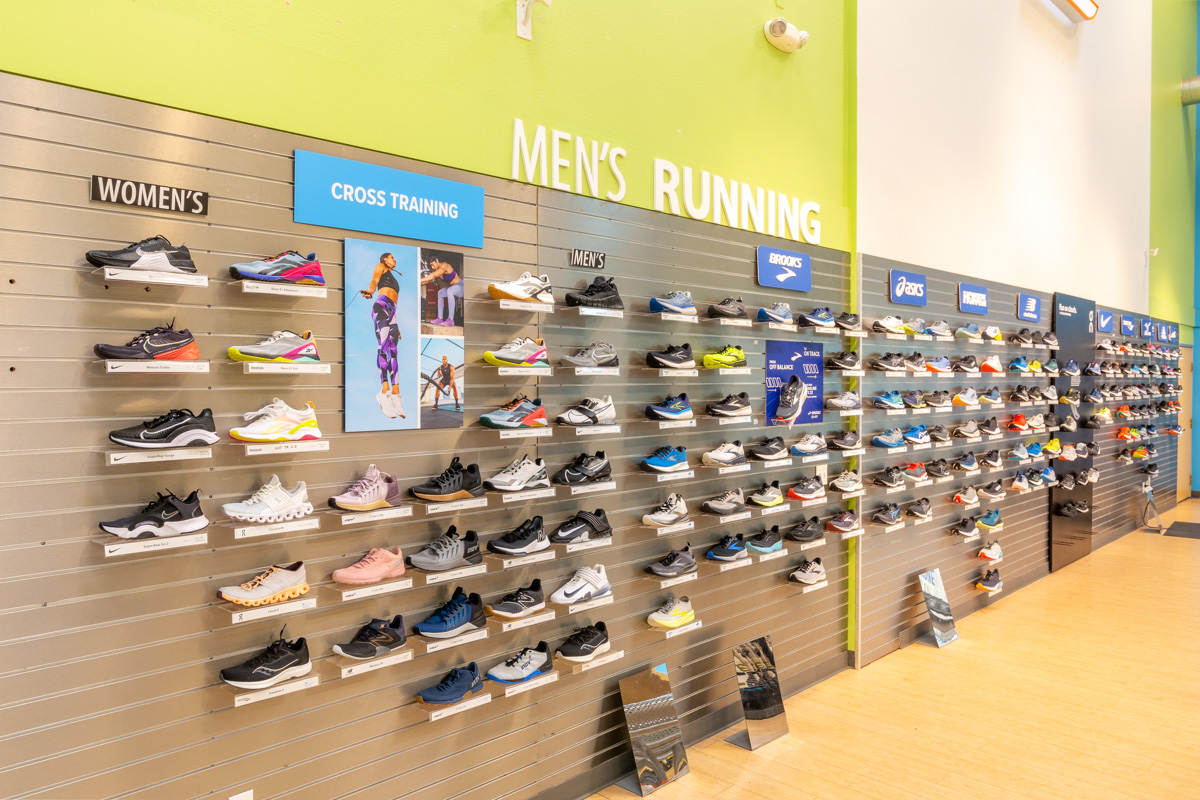
Great service creates loyal customers. Teach staff to ask fit questions and measure feet when needed. Offer honest advice and alternatives.
Retention tactics:
- Loyalty program with points or discounts.
- After-purchase follow-up for fit and comfort.
- Free in-store services like minor repairs or laces.
- Personalized recommendations based on purchase history.
Small gestures matter. I once replaced a worn insole for a regular customer free of charge; they returned repeatedly and referred friends. Keep customers happy, and they will be your best marketers.
Financial management and KPIs
Track cash flow and key metrics to run a profitable shop. Measure sales per square foot, gross margin, and inventory turnover. These KPIs guide buying and promotions.
Important financial tasks:
- Monthly profit and loss review.
- Weekly sales and stock movement checks.
- Margin analysis by brand and category.
- Tight control on shrinkage and theft.
Plan for seasonality. Footwear has peaks and slow months. Use promotions wisely to clear inventory without hurting perceived value. Early in my business, tracking sell-through saved me from costly overstock.
Legal, insurance, and compliance
Follow local laws for permits, taxes, and employment. Protect your business with the right insurance and clear supplier contracts.
Must-dos:
- Register your business structure and tax accounts.
- Get general liability and property insurance.
- Comply with wage, hour, and labor rules.
- Keep supplier contracts and return policies in writing.
Transparency builds trust with customers and partners. If unsure, consult a small-business attorney or accountant. I recommended this to a friend, and it prevented a costly lease misunderstanding.
Common pitfalls and practical tips from experience
Learn from mistakes so you don’t repeat them. Common pitfalls are overordering, ignoring data, hiring fast without training, and weak online presence.
Avoid these errors:
- Don’t buy inventory just because it’s on sale.
- Track data before you expand SKUs or stores.
- Train staff before major sales or seasons.
- Maintain a simple, clear return policy.
Practical tips I use:
- Keep three weeks of best-seller stock on hand.
- Run a flash sale to test slow-moving items.
- Ask for feedback at checkout—use it to improve displays and services.
People also ask (short answers)
How much does it cost to open a shoe store?
Costs vary by location, inventory size, and lease. Small shops can start under $50,000, while larger stores may require $100,000 or more.
What inventory should I start with?
Start with core styles in your niche and common sizes. Buy conservative quantities and reorder based on sell-through.
How do I price shoes for profit?
Use cost-plus pricing and factor in rent, labor, and marketing. Aim for a margin that covers fixed costs and leaves room for discounts.