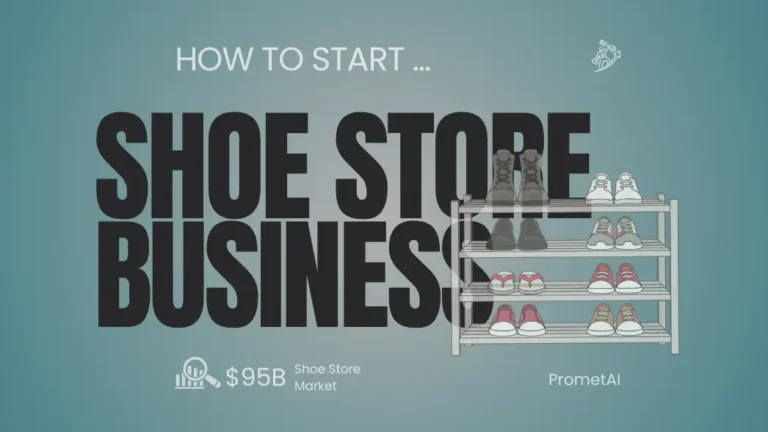
Start a shoe store by planning market fit, securing funding, picking the right location, and sourcing reliable suppliers.
I’ve built and advised retail shops for years, and I’ll walk you through how to start a shoe store step by step. This guide covers research, finances, legal setup, inventory sourcing, store layout, staffing, marketing, and practical pitfalls so you can open with confidence and sell shoes that people love.

How to start a shoe store: market research and concept
Before you spend a dollar, learn your market. Research local demand, customer tastes, and gaps in the market. Decide if you’ll focus on casual shoes, performance footwear, luxury brands, kids’ shoes, orthotics, or a mix. A clear concept makes buying, pricing, and marketing much easier.
Key research steps
- Visit nearby shoe stores. Note product mix, price points, and customer flow.
- Talk to potential customers. Ask what they like or want more of.
- Check online trends. See which shoe styles and brands are growing.
- Analyze competition. Find what they do well and where they fall short.
Why a niche matters
- Easier inventory decisions. You buy fewer SKUs and stock what sells.
- Stronger marketing message. Customers understand your store quickly.
- Better margins. Specialized stores can charge for expertise or curation.
Personal note: when I helped open a small running shoe shop, a narrow focus on gait analysis and local running clubs drove steady foot traffic in the first six months. It’s easier to build trust if you know your niche.
How to start a shoe store: writing a business plan and budgeting
A good plan is your map. Your business plan should be short, clear, and focused on actions.
Essential sections to include
- Executive summary. One-paragraph overview of your store idea.
- Market analysis. Customer profile, competition, and demand.
- Operations plan. Hours, staffing, suppliers, and inventory turns.
- Marketing strategy. How you’ll attract and keep customers.
- Financials. Startup costs, cash flow forecast, break-even point, and pricing strategy.
Estimate startup costs
- Lease deposit and first month’s rent
- Store build-out and fixtures
- Initial inventory purchase
- Point-of-sale (POS) system and website
- Permits, insurance, and licenses
- Marketing and signage
- Staffing costs and training
Practical tip: build a cash buffer of at least 3–6 months of operating expenses. Foot traffic builds slowly. I once underestimated seasonal dips and learned that a buffer keeps you flexible.

How to start a shoe store: funding options and financial management
You have choices for funding. Pick what makes sense for your risk profile and growth plan.
Funding sources
- Personal savings. Fast and avoids dilution.
- Bank loans. Good for fixed costs; prepare a solid plan.
- Small business grants. Competitive, but worth checking.
- Investors or partners. Share equity for cash and expertise.
- Credit lines and trade credit from suppliers. Helps manage inventory cycles.
Manage finances well
- Use simple accounting software from day one.
- Track gross margin by SKU and category.
- Set monthly sales targets and monitor foot traffic conversion.
- Reorder based on sales velocity, not gut feeling.
Example: buying slow-moving inventory ties up cash. In my first retail project, switching to smaller initial buys and weekly reorders cut markdowns and improved cash flow.
How to start a shoe store: legal setup, permits, and insurance
Get the legal basics right to avoid costly problems later.
Essential steps
- Choose your business structure. Sole proprietorship, LLC, or corporation.
- Register your business name and get an EIN for taxes.
- Obtain local permits and sales tax registration.
- Secure insurance: general liability, property, and product liability.
- Understand employment laws if you hire staff.
Tip: talk to an accountant or small business advisor early. That prevents surprises during tax season.
How to start a shoe store: choosing location and store design
Location matters, but clarity of concept matters more. An affordable, well-curated store in the right neighborhood beats an expensive mall spot with no identity.
Location factors
- Foot traffic. High is good, but think about cost vs. conversion.
- Co-tenancy. Nearby stores that bring similar customers help.
- Parking and accessibility. Key for families and older customers.
- Lease terms. Seek flexibility for growth or slow seasons.
Store layout basics
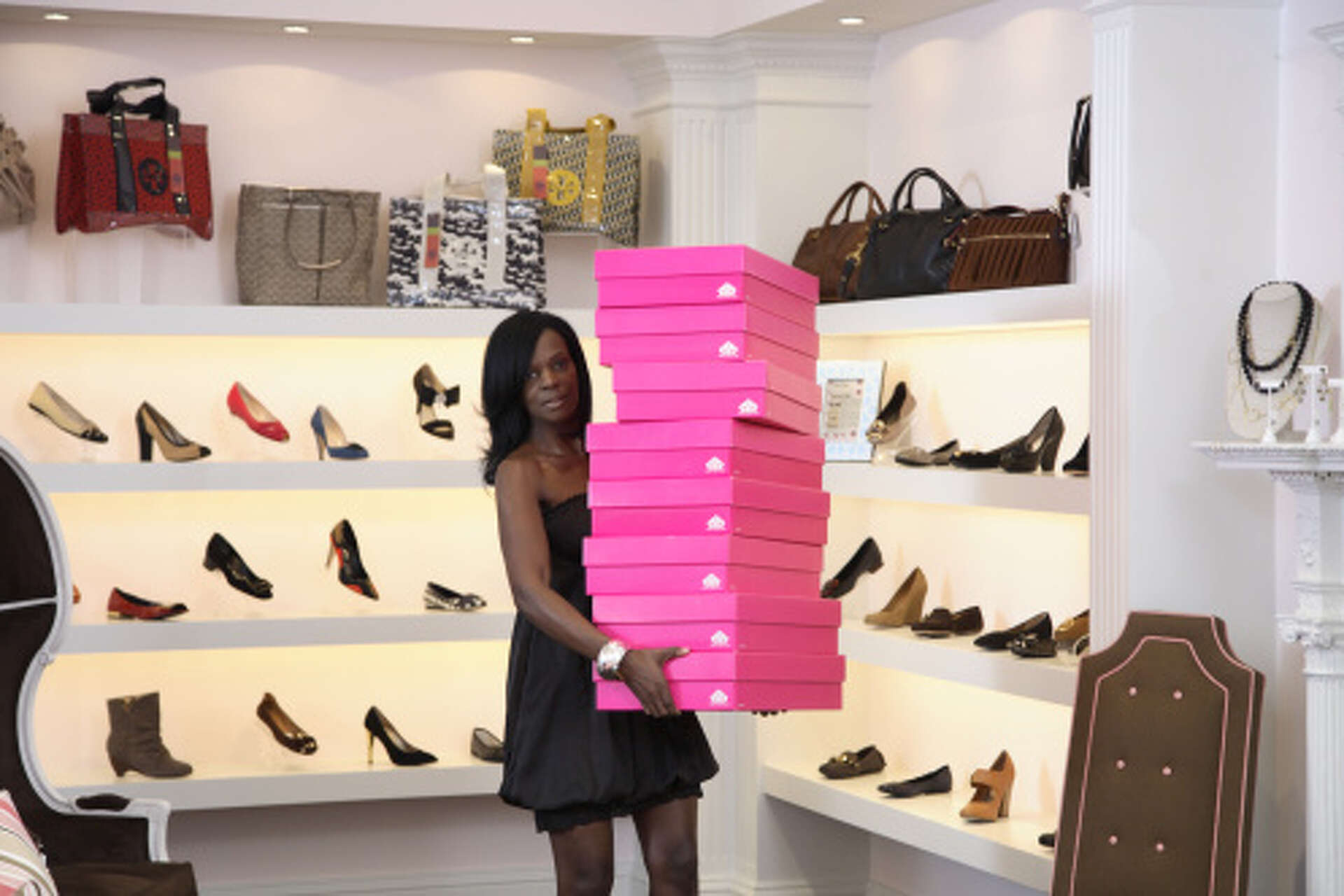
- Clear front windows that tell your story.
- A comfortable entry and wide aisles for easy browsing.
- Dedicated fitting area with mirrors and seating.
- Visible signage for categories and price points.
- Back-of-house space for stock and returns.
Design tip: good lighting and tidy displays sell shoes. Customers want to try on shoes in comfort. I once saw sales increase 20% after improving seating and lighting in a small shop.
How to start a shoe store: sourcing inventory and supplier relationships
Inventory drives your product promise. Choose brands and suppliers that fit your customer and cash flow.
How to source shoes
- Direct from brands. Best for exclusivity and margins.
- Wholesalers and distributors. Easier for a broad assortment.
- Local manufacturers or designers. Great for unique offerings.
- Dropshipping for online-only SKUs to expand assortment with low risk.
Supplier best practices
- Negotiate payment terms to ease cash flow.
- Order samples to check quality before buying bulk.
- Track sell-through rates by SKU and return slow movers quickly.
- Build relationships. Reliable suppliers mean fewer stockouts.
Inventory mix rule of thumb
- Core staples that sell year-round: 60%
- Trend or seasonal styles: 30%
- High-margin specialty items: 10%
Personal lesson: I learned to avoid over-ordering trendy styles. Trends die fast. Keeping core, dependable lines kept the business steady.

How to start a shoe store: hiring, training, and operations
Your team sells your brand. Hire for service and product knowledge, not just retail experience.
Staffing tips
- Hire friendly people who like shoes and people.
- Train for fit expertise and active listening.
- Teach upselling gently: suggest accessories or complementary shoes.
- Create a simple operations manual for daily tasks and returns.
Daily operations checklist
- Open/close procedures and cash reconciliation.
- Inventory counts and receiving new stock.
- Customer service standards and returns process.
- Visual merchandising refresh schedule.
Retention tip: pay competitive wages and reward staff for sales and customer reviews. In my stores, staff incentives improved customer service and repeat visits.
How to start a shoe store: marketing, online presence, and launch plan
Marketing gets customers through the door and onto your website. Combine local outreach with a strong online presence.
Marketing essentials
- Brand identity. A simple logo, consistent colors, and a clear value promise.
- Website with product pages and local pickup options.
- Social media to show product fits, new arrivals, and customer photos.
- Local SEO: claim your business profile and encourage reviews.
- Email list for promotions and restock alerts.
Launch plan (30/60/90 days)
- 30 days: Soft open with friends, family, and influencers.
- 60 days: Local events, partnerships with gyms or schools, loyalty program.
- 90 days: Paid ads targeting local customers and retargeting site visitors.
PAA-style questions
How quickly can I open a shoe store?
With planning, a lean store can open in 3–6 months; complex builds may take longer.
How much inventory do I need to start?
Start small and focused: enough SKUs to cover core sizes and styles, roughly 8–12 pairs per best-selling SKU.
Should I sell online from day one?
Yes if you can manage inventory. Online presence widens reach and supports in-store pickup.
How to start a shoe store: challenges, risks, and scaling
Be realistic about common challenges and how to address them.
Common risks
- Seasonal sales swings. Plan promotions and diversify product seasons.
- Slow-moving inventory. Use pop-up sales and bundles to clear stock.
- Price pressure from online competitors. Offer service and local convenience.
- Staffing turnover. Hire carefully and provide clear career paths.
Scaling strategies
- Add new categories based on customer data.
- Open a second location only after the first is stable and profitable.
- Develop private-label items for higher margins.
- Offer services like custom fittings, repairs, or subscription boxes.
Personal caution: avoid expanding too fast. I once scaled prematurely and ended up with stretched cash flow and poor service. Growth should follow stable margins and operations.
Frequently Asked Questions of how to start a shoe store
What licenses do I need to open a shoe store?
You typically need a business license, sales tax permit, and local occupancy permit. Requirements vary by city and state.
How much does it cost to start a shoe store?
Startup costs range widely, typically from $30,000 to $150,000, depending on location, inventory, and build-out. Create a detailed budget to know your number.
How do I price shoes to make profit?
Price using keystone or variable markup per category, track gross margin by SKU, and factor in rent, labor, and overhead to maintain profitability.
Should I carry big brands or niche labels?
Both options work. Big brands drive traffic; niche labels build uniqueness and margins. Align choices with your target customer.
How important is online selling for a shoe store?
Very important. Even local customers research online. A simple e-commerce site with local pickup boosts sales and convenience.
Conclusion
You can start a shoe store with clear planning, smart sourcing, and a focus on customers. Begin with solid research, a realistic budget, and a niche that fits your market. Test assumptions, keep inventory lean, and build service into your brand to compete with bigger retailers. Take one concrete step this week: draft your one-page business plan or visit three local competitors to learn what they do well. If you found this helpful, try the steps, leave a comment with your questions, or subscribe for more retail tips.

Rubel Miah is the Senior Editor at MyStyleGrid.com, where he brings a sharp editorial eye and an unshakable love for fashion to everything he does. A true style addict, Rubel lives and breathes trends, from streetwear to high fashion, and has a knack for turning inspiration into impactful stories. With years of experience in fashion journalism and digital media, he curates content that empowers readers to express themselves through style. When he’s not editing features or forecasting the next big thing, you’ll find him hunting down vintage pieces or capturing street style moments around the city.