If you have ever bought a new pair of boots and felt pain at the back of your ankle, you are not alone. Many people deal with boots that rub the back of the ankle. This can make walking hard. Sometimes, it can even cause blisters or cuts. But you do not have to stop wearing your favorite boots. With the right tips and tools, you can fix this problem for good.
I have seen many people give up on nice boots because of ankle rubbing. But you do not have to. In this guide, I will show you simple ways to stop your boots from hurting your ankle. You will learn why this happens, what you can do at home, and when to get help.
I will also share some tricks that most people do not know. By the end, you will be able to wear your boots with comfort and confidence.
Why Do Boots Rub The Back Of Your Ankle?
Boots rub the back of your ankle for a few reasons. Sometimes, the boots are new and stiff. Other times, the boots do not fit your foot shape. Let’s look at the main causes:
- Stiff material: New leather or synthetic boots are hard. They need time to become soft.
- Poor fit: If boots are too big, your heel moves up and down. If they are too small, they squeeze your heel.
- Heel shape: Some boots have a hard edge or seam at the back that presses on your skin.
- Sock choice: Thin or slippery socks do not protect your skin from rubbing.
- Foot movement: If your foot slips inside the boot, it rubs more against the back.
- High activity: Walking or hiking a lot in new boots can cause more rubbing and pain.
Not all boots are the same. Some brands use softer materials or better padding. Sometimes, a small fix can make a big difference.
Quick Relief: What To Do When Your Boots Already Hurt
If your boots are already hurting your ankle, you want fast help. Here are some things you can do right away:
- Take off your boots as soon as you feel pain.
- Check your skin for red spots, blisters, or cuts.
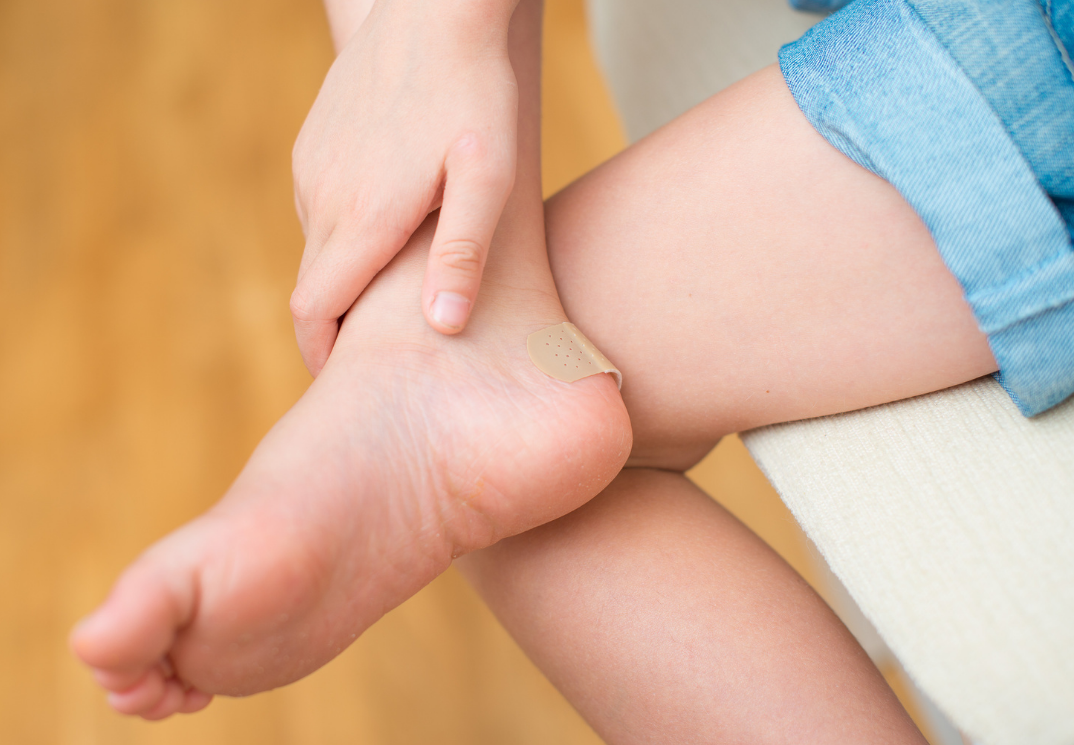
- Clean the area with water and put on a bandage if needed.
- Rest your feet and let the skin heal before wearing the boots again.
If you must wear the boots, you can:
- Use thick socks: Wear two pairs or use padded socks. This adds a soft layer between your skin and the boot.
- Apply blister pads: Stick a gel or foam pad on your ankle. These pads act like a cushion.
- Use anti-chafing balm: Rub a little on your heel before putting on your boots. It makes the skin slippery so it does not rub.
- Try moleskin: Cut a piece and stick it inside the boot or on your skin.
These steps are not a long-term fix, but they help in the short term.
Long-term Solutions: How To Fix Boots That Rub Your Ankle
If you want your boots to stop rubbing for good, you need to fix the cause. There are many ways to do this. Let’s go through each one in detail.
1. Break In Your Boots Slowly
New boots are often stiff. They need time to shape to your feet. Here’s how to break them in:
- Wear your boots at home for short times.
- Start with 15-30 minutes a day.
- Add more time each day until they feel comfortable.
- Walk on carpet to avoid damaging the soles.
Some people use a hair dryer to warm the stiff part at the heel. Put on thick socks, wear your boots, and heat the back with the dryer for 2-3 minutes. Move your foot to help the boot shape to your heel.
But do not overheat, or you may damage the material.
2. Stretch The Back Of The Boot
If the back of the boot is too tight or hard, stretching can help. There are a few ways to do this:
- Use a boot stretcher. This tool fits inside your boot and pushes out the heel area.
- Insert a rolled-up towel or newspaper overnight.
- Take your boots to a shoe repair shop. They have special machines for stretching.
Stretching helps soften the material and makes more space for your ankle.
3. Add Heel Pads Or Inserts
Heel pads are soft cushions that stick inside your boots. They fill extra space and give comfort. You can find many types:
- Gel heel pads
- Foam heel liners
- Sheepskin or felt pads
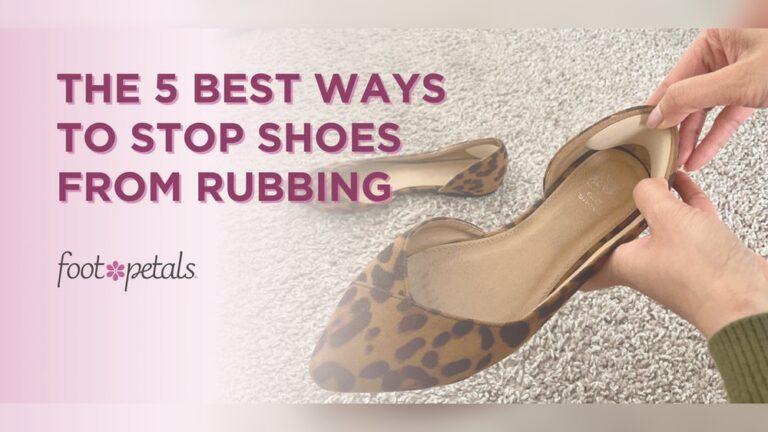
Place the pad inside the back of the boot, right where it rubs. This stops your heel from moving and reduces friction.
4. Try Different Socks
The right socks can make a big difference. Look for:
- Thick, padded hiking socks
- Double-layer blister-free socks
- Wool or synthetic blends (not cotton)
Avoid socks that slide down or bunch up. They cause more rubbing and blisters.
5. Use Moleskin Or Athletic Tape
Moleskin is a soft, sticky fabric you can put on your skin or inside the boot. It is very thin, so it does not feel bulky. Here’s how to use it:
- Cut a piece to cover the sore spot on your ankle.
- Stick it to your skin before putting on socks and boots.
- You can also line the inside of the boot with moleskin for extra comfort.
Athletic tape works in a similar way. Just wrap it gently around your ankle, but do not make it too tight.
6. Change Your Lacing Technique
How you lace your boots can affect how they fit. If your heel slips, try these lacing tricks:
- Use the “heel lock” or “lace lock” method. This holds your heel in place.
- Skip the top eyelet if it presses on your ankle bone.
- Pull the laces snug over your foot, but keep them looser at the top.
Small changes in lacing can stop your foot from sliding and reduce rubbing.
7. Add Boot Padding
Some boots have thin lining at the heel. You can add extra padding:
- Buy stick-on foam strips made for shoes.
- Use a folded bandana or soft cloth inside the boot for a quick fix.
Padding makes the back of the boot softer and stops hard edges from hitting your ankle.
8. Use Anti-chafing Products
Many people use balms or sticks to stop rubbing. These products are made for runners, hikers, and athletes. They create a smooth layer on your skin. Some popular types are:
- Anti-blister sticks
- Petroleum jelly
- Silicone-based gels
Apply a small amount to your heel and ankle before putting on boots.
9. Wear A Heel Sleeve
A heel sleeve is a thin, stretchy cover for your ankle and heel. It is made from gel or soft fabric. You wear it under your socks. Heel sleeves protect your skin and help blisters heal faster.
10. Visit A Shoe Repair Shop
If you have tried everything and your boots still hurt, ask a professional for help. Shoe repair shops can:
- Stretch the heel
- Add padding or lining
- Fix rough seams
They can also check if your boots are the right size and shape for your feet.
Common Mistakes To Avoid
When trying to fix boots that rub your ankle, many people make small mistakes. These can make the problem worse.
- Wearing new boots all day: Do not wear stiff boots for long walks the first day. This causes blisters.
- Using wet socks: Wet socks make skin softer and more likely to break. Keep your feet dry.
- Ignoring pain: If you feel rubbing, fix it right away. Do not wait for a blister to form.
- Over-tightening laces: Tight laces can press the boot into your ankle. Find the right balance.
- Using too much tape or padding: Too many layers can make the boot tighter and cause other problems.
Credit: www.myfootdr.com.au
How To Pick Boots That Will Not Rub
The best way to avoid ankle pain is to choose boots that fit well from the start. Here’s what to look for:
Fit
- Boots should feel snug but not tight at the heel.
- Your heel should not lift when you walk.
- There should be space for your toes to wiggle.
Material
- Soft leather or suede is easier on your skin.
- Avoid boots with rough seams or hard plastic at the heel.
Padding
- Look for boots with thick, soft lining at the back.
- Try on boots with your regular socks.
Try Before You Buy
- Walk around the store for a few minutes.
- Go up and down stairs if you can.
- Try both feet, as many people have one foot bigger than the other.
Size
- Measure your feet at the end of the day when they are largest.
- Sizes can be different across brands. Do not trust only the number.
If you shop online, check the return policy. It is common for people to try two or three sizes before finding the right one.
When To See A Doctor
Most of the time, you can fix boots that rub your ankle at home. But sometimes, you may need medical help. See a doctor if:
- You have a large blister that will not heal.
- The skin is red, swollen, or leaking pus (signs of infection).
- You have diabetes or poor blood flow in your feet.
Doctors can clean wounds and give medicine if needed.

Credit: footpetals.com
How To Care For Your Boots
Taking care of your boots helps them stay soft and comfortable. Here’s what to do:
- Clean your boots after each use. Remove dirt and sweat.
- Use a leather conditioner or boot oil to keep leather soft.
- Let boots dry in the open air, but not in hot sun or near heaters.
- Store boots with shoe trees or rolled-up towels inside to keep their shape.
Good care makes boots last longer and feel better.
Real-life Example: Fixing Hiking Boots
Let me share a true story. My friend bought new hiking boots for a mountain trip. After walking just one mile, he felt pain at the back of his ankle. He did not stop, and soon had big blisters. He had to finish the hike in sandals!
After that, he used these tips:
- Broke in his boots at home with thick socks.
- Put moleskin on the sore spot.
- Learned the “heel lock” lacing method.
Next trip, he walked all day with no pain. The right steps can make a big change, even for tough boots.

Credit: footpetals.com
Comparing Solutions: Which One Works Best?
People often ask, “Which fix should I try first?” Here’s a simple comparison to help you decide:
| Solution | Helps Right Away? | Best For | Cost |
|---|---|---|---|
| Thick Socks | Yes | Most boots | Low |
| Moleskin/Tape | Yes | Small sore spots | Low |
| Heel Pads | Yes | Loose boots | Low/Medium |
| Boot Stretcher | No (takes time) | Stiff boots | Medium |
| Shoe Repair Shop | No (takes time) | Serious problems | Medium/High |
You can try more than one solution at the same time. For example, use thick socks and moleskin for fast relief, and stretch your boots for a long-term fix.
How Different Boot Types Compare
Not all boots are the same. Here’s how common types compare for ankle rubbing:
| Boot Type | Risk of Rubbing | Typical Material | Tips |
|---|---|---|---|
| Hiking Boots | High | Stiff leather/synthetic | Break in slowly, use padding |
| Work Boots | Medium | Thick leather | Check fit, use thick socks |
| Fashion Boots | Low to Medium | Soft leather/suede | Pick soft lining |
| Rain Boots | Medium | Rubber/plastic | Wear long socks, use heel pads |
| Western/Cowboy Boots | Medium to High | Stiff leather | Stretch heel, use moleskin |
Some boots are made for safety or style, not comfort. You may need extra care with these types.
Two Insider Tips Most People Miss
Many guides skip these, but I want you to know:
- Use heat and movement together: Warming the heel area with a hair dryer while moving your foot inside the boot helps the material shape to your heel faster. Always wear socks and do this for only a few minutes.
- Try heel lifts: A small heel lift insert can change where your ankle sits in the boot. This can move the sore spot away from the rubbing part. Test with a folded towel or paper first to see if it helps.
Most people never think of these tricks, but they can change your boot comfort fast.
When Not To Fix: When To Replace Boots
Sometimes, it is best to get new boots. Here’s when:
- The heel lining is worn through or torn.
- The boot shape does not match your foot, no matter what you try.
- The boots are too big or too small and cannot be fixed with pads or laces.
Wearing boots that always hurt can lead to long-term foot problems. It is better to invest in a good pair than to suffer.
Helpful External Resource
For more tips on foot care and blisters, check the Mayo Clinic’s guide to blisters.
Frequently Asked Questions
Why Do My Boots Only Hurt One Ankle?
Sometimes, one foot is a bit bigger or shaped differently than the other. This can make one boot fit tighter or looser. Try extra padding or a heel pad in the boot that hurts.
How Long Does It Take To Break In Boots?
It depends on the material. Soft leather boots may take a few days, while stiff hiking or work boots can take a few weeks. Go slow and increase wear time each day.
Can I Use Household Items To Fix Rubbing?
Yes! You can use a rolled-up towel to stretch the heel, or try sticking a piece of soft cloth inside your boot. Even a thick bandage can help in a pinch.
Is It Safe To Pop A Blister From Boot Rubbing?
It’s best not to pop blisters, as this can lead to infection. If a blister breaks, keep it clean and cover it with a bandage. If you see redness or pus, see a doctor.
Will Boot Rubbing Go Away On Its Own?
Boot rubbing does not go away by itself. You need to fix the cause—either by breaking in your boots, adding padding, or changing socks and lacing.
Wearing boots should not hurt. With the right steps, you can stop ankle rubbing and enjoy every step you take. Remember, your comfort matters. You deserve boots that feel as good as they look.

Rubel Miah is the Senior Editor at MyStyleGrid.com, where he brings a sharp editorial eye and an unshakable love for fashion to everything he does. A true style addict, Rubel lives and breathes trends, from streetwear to high fashion, and has a knack for turning inspiration into impactful stories. With years of experience in fashion journalism and digital media, he curates content that empowers readers to express themselves through style. When he’s not editing features or forecasting the next big thing, you’ll find him hunting down vintage pieces or capturing street style moments around the city.