Choose shoes matching your pronation: stability for mild, motion-control for severe, neutral for minimal.
I’ve worked with runners and tried dozens of shoes. This guide explains how to choose running shoes for pronation with clear steps, practical checks, and real tips you can use today. I’ll walk you through what pronation means, how to test your foot motion, which shoe types help which pronation, and how to pick the best fit for your runs. Read on to feel confident the next time you choose running shoes for pronation.

Understand pronation
Pronation is the natural roll of your foot as it lands and pushes off. It helps absorb shock and move weight forward. There are three common types of pronation: neutral, overpronation, and underpronation (also called supination). Knowing your type helps you choose running shoes for pronation that support or allow natural motion.
Neutral pronation is a healthy inward roll of about 15 degrees. Overpronation means the foot rolls inward too much and can increase stress on knees and hips. Underpronation is when the foot rolls outward and the arch stays rigid.
Choosing the right shoe for pronation reduces pain and injury risk. It also improves comfort and running economy. Learn to spot signs and match shoe features to your pronation.

How to determine your pronation
Finding your pronation is simple. Try these quick checks at home or with a pro.
Wet test
- Wet your foot and step on a paper bag or cardboard.
- A full imprint shows low arch and likely overpronation.
- A thin line indicates a high arch and likely underpronation.
Shoe wear pattern
- Inner wear near the big toe and ball suggests overpronation.
- Wear on the outer edge suggests underpronation.
- Even wear suggests neutral pronation.
Gait observation
- Run or walk barefoot and watch from behind.
- If your ankles lean inward, you may overpronate.
- If your ankles stay straight or lean outward, you may be neutral or underpronate.
If you want precise results, visit a running store or a podiatrist for a gait analysis. Video gait analysis gives the clearest read. Use these tests to help choose running shoes for pronation that meet your needs.
Shoe types and key features for pronation
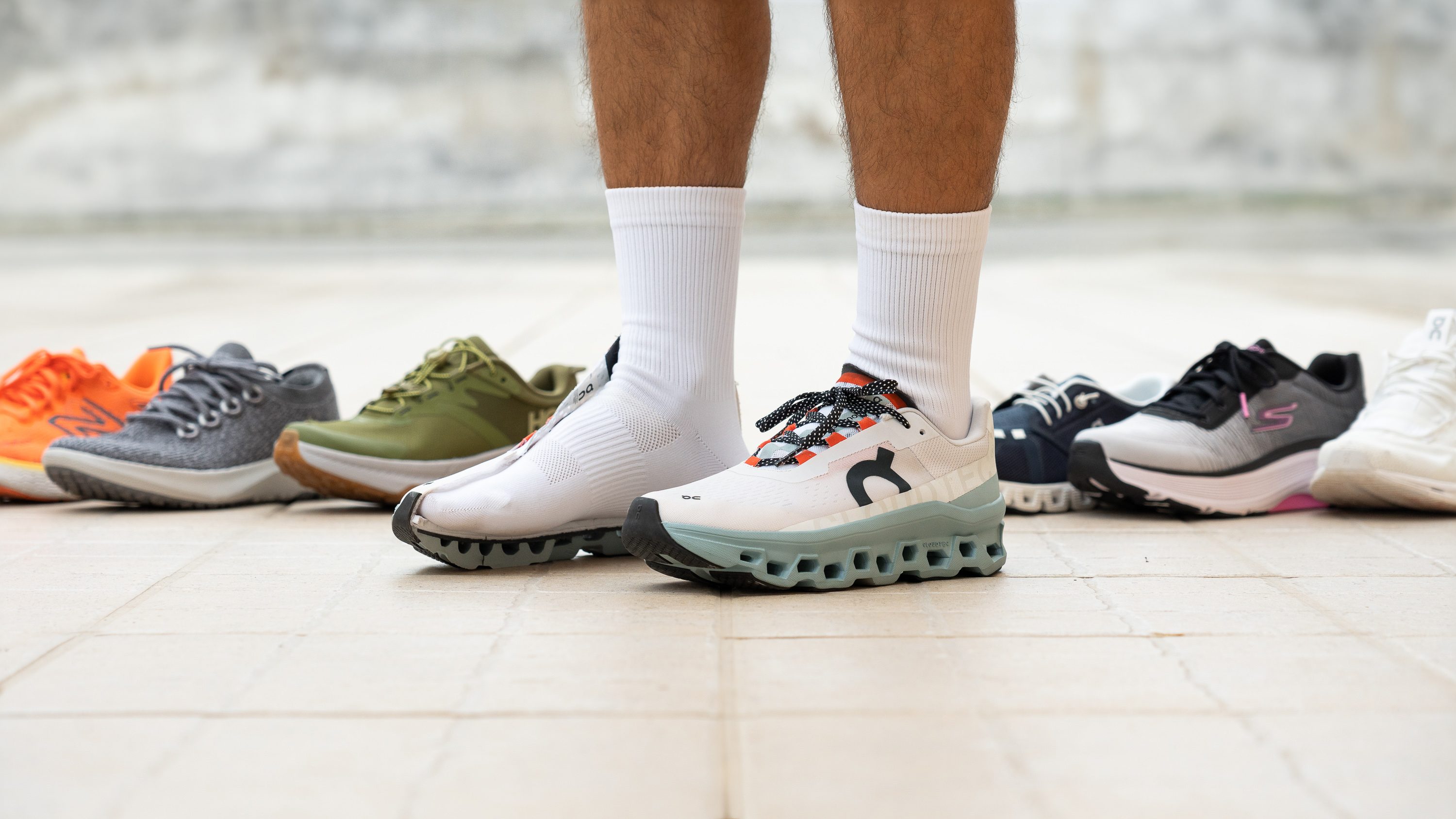
Different shoes target different pronation patterns. Use this as a simple map when you choose running shoes for pronation.
Shoe categories
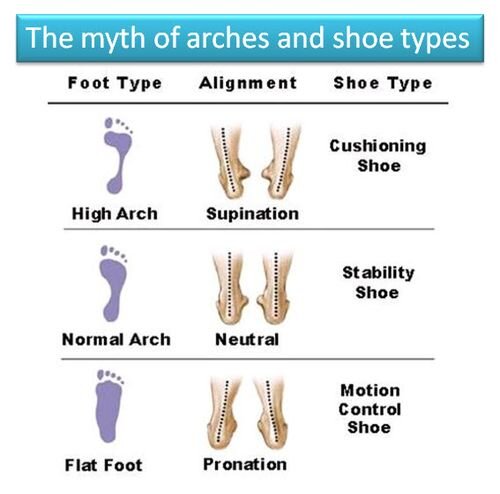
- Neutral shoes: Best for neutral pronation and underpronation. They offer cushioning and flexibility.
- Stability shoes: Best for mild to moderate overpronation. They add support in the midfoot.
- Motion-control shoes: Best for severe overpronation. They limit excess roll and add firm support.
Key features to look for
- Medial support: Firmer foam or a post on the inner midsole to limit inward roll.
- Firm heel counter: Adds rearfoot stability and locks the heel in place.
- Arch support: Matches your arch height to help distribute pressure.
- Cushioning: Controls impact. Choose more cushion if you want shock absorption.
- Guide rails or dual-density foam: Offer structured support without feeling rigid.
When you choose running shoes for pronation, match the feature set to how much your foot rolls. Too much control in a neutral runner can feel stiff. Too little support for an overpronator can lead to pain.
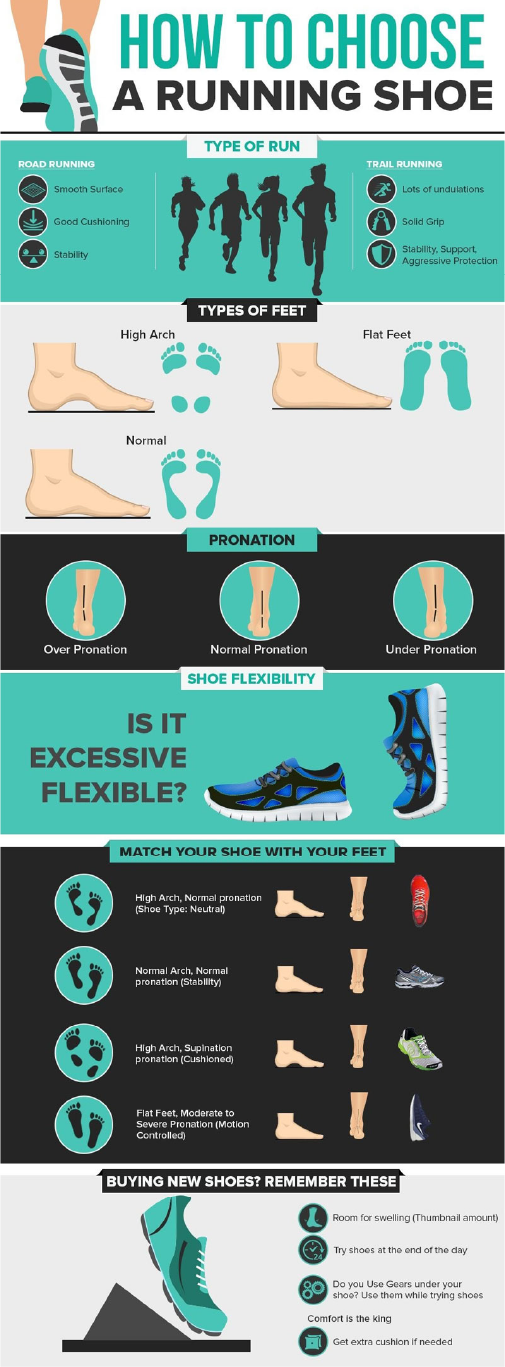
Step-by-step guide: how to choose running shoes for pronation
Follow these steps to make an informed pick. Each step is short and practical.
- Assess your pronation
- Use the wet test, shoe wear, or a gait check.
- Decide if you are neutral, overpronator, or underpronator.
- Pick the shoe category
- Neutral shoes for neutral or underpronation.
- Stability shoes for mild to moderate overpronation.
- Motion-control for severe overpronation.
- Consider your running type
- Road trainers for pavement.
- Trail shoes for uneven ground.
- Lightweight trainers for speed.
- Try shoes later in the day
- Feet swell as the day goes on. Test shoes when your feet are at peak size.
- Wear your running socks
- Bring the socks you run in to the store to get accurate fit.
- Do a quick run or jog
- Move in the shoes. Check heel slip, toe room, and arch support.
- Check comfort and feel
- A shoe that feels right is often right. Don't choose only by brand or looks.
- Consider custom insoles if needed
- If you need extra correction, a custom insole helps target pronation precisely.
- Re-test annually
- Your gait or needs can change. Re-evaluate and replace shoes as needed.
Using these steps will help you choose running shoes for pronation that reduce pain and improve performance.
Fit and sizing tips
A good fit beats fancy tech every time. These tips keep the fit simple and reliable.
Toe box
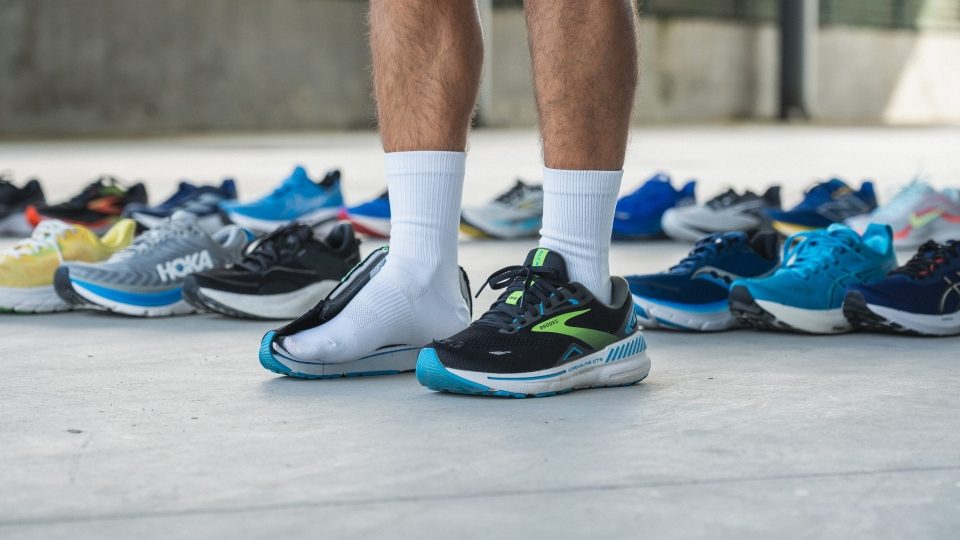
- Leave about a thumb’s width between your longest toe and the shoe front.
- Ensure toes can splay on push-off.
Heel fit
- The heel should feel snug but not tight.
- Avoid shoes that allow the heel to slip.
Width and arch
- Try multiple widths. Different brands fit differently.
- Support should match your arch height without forcing your foot into an odd position.
Lacing tricks
- Use a runner’s loop to lock the heel.
- Adjust tension across the top to avoid pinching.
Test run
- Run at least a few minutes in-store or on a treadmill.
- Walk on inclines to test heel lockdown and arch support.
These fit steps help you choose running shoes for pronation with confidence and comfort.
Choosing by running type and surface
Match your shoe choice and pronation needs to how and where you run.
Road running
- Use cushioned neutral shoes for neutral or underpronation.
- Use stability shoes for overpronation on roads.
Trail running
- Trail shoes need grip and protection.
- Some trail models include stability features for overpronators.
Treadmill and indoor
- Road shoes work fine for treadmills.
- Slightly firmer midsoles help with frequent starts and stops.
Long runs vs speedwork
- Rotate a cushioned daily trainer with a lighter race shoe.
- A stability racer can work for overpronators who want speed.
Match the shoe to the surface and your pronation. This reduces injury risk and improves comfort.
Care, replacement, and signs to change shoes
Shoes wear out. Watch for these signs and replace shoes promptly.
Mileage guidelines
- Replace road shoes every 300 to 500 miles depending on weight and shoe type.
- Trail shoes may wear faster on rough terrain.
Wear indicators
- Visible midsole creasing or flattening is a sign.
- Outsole wear patterns that alter support mean it’s time.
Feel and pain
- Increased soreness in knees, shins, or feet suggests lost support.
- If the shoe no longer feels stable for your pronation, replace it.
Rotate shoes
- Use two pairs to extend life and vary stress on your body.
- Rotation helps you maintain proper support for pronation over time.

Source: gone.run
Personal experience and common mistakes
I have fitted runners for years. Here are lessons I learned the hard way.
Common mistakes
- Choosing a shoe only because it looks good. Support matters more than color.
- Ignoring in-store test runs. Comfort on a walk can be different from a run.
- Sticking with the same shoe forever. Your needs change.
Real example
- I once switched to a softer neutral shoe after a marathon. My overpronation returned and I had knee pain. Going back to a stability model fixed it in two weeks.
Practical tips
- Be honest about aches. Small pain can show poor support.
- Keep a log of shoe miles and comfort to decide when to replace shoes.
These practical lessons will help you confidently choose running shoes for pronation and avoid common pitfalls.

Frequently Asked Questions of how to choose running shoes for pronation
How do I know if I overpronate or underpronate?
Look at your shoe wear and do a wet test. Inner-side wear and a wide footprint suggest overpronation; outer wear and a narrow footprint suggest underpronation.
Can I use orthotics to fix pronation instead of special shoes?
Yes. Custom or over-the-counter orthotics can correct motion and work with neutral shoes, but they should match your gait and be fitted properly.
Will stability shoes make my feet dependent on them?
No. Stability shoes support natural motion, not weaken it. They help reduce strain and let you run more comfortably.
Are minimalist shoes bad for overpronation?
Minimalist shoes remove structure, which can worsen overpronation for some runners. Transition slowly and consult a gait expert before switching.
How often should I replace shoes if I overpronate?
Replace when cushioning and support feel lost, usually every 300 to 500 miles. Overpronation can speed up wear, so check shoes more often.
Conclusion
Choosing the right shoe for your pronation starts with understanding your foot motion. Test your gait, match the shoe category to your pronation, and prioritize fit over looks. Use stability or motion-control shoes for overpronation and neutral shoes for neutral or underpronation. Track miles and replace shoes before they fail.
Take action this week: do the wet test, inspect your current shoes, and try one recommended stability or neutral pair on a short run. Share your results or questions below and subscribe for more practical tips on running gear and injury-free training.

Rubel Miah is the Senior Editor at MyStyleGrid.com, where he brings a sharp editorial eye and an unshakable love for fashion to everything he does. A true style addict, Rubel lives and breathes trends, from streetwear to high fashion, and has a knack for turning inspiration into impactful stories. With years of experience in fashion journalism and digital media, he curates content that empowers readers to express themselves through style. When he’s not editing features or forecasting the next big thing, you’ll find him hunting down vintage pieces or capturing street style moments around the city.