Wear properly fitting shoes, pad the heel, and break shoes in slowly.
I’ve helped dozens of people—and fixed my own painful blisters—so I know what actually works to stop shoes rubbing the back of your heel. This guide covers causes, quick fixes, long-term prevention, product picks, and real-world tips you can use today to prevent rubbing, pain, and blisters. Read on for clear steps that are easy to try and proven to help.

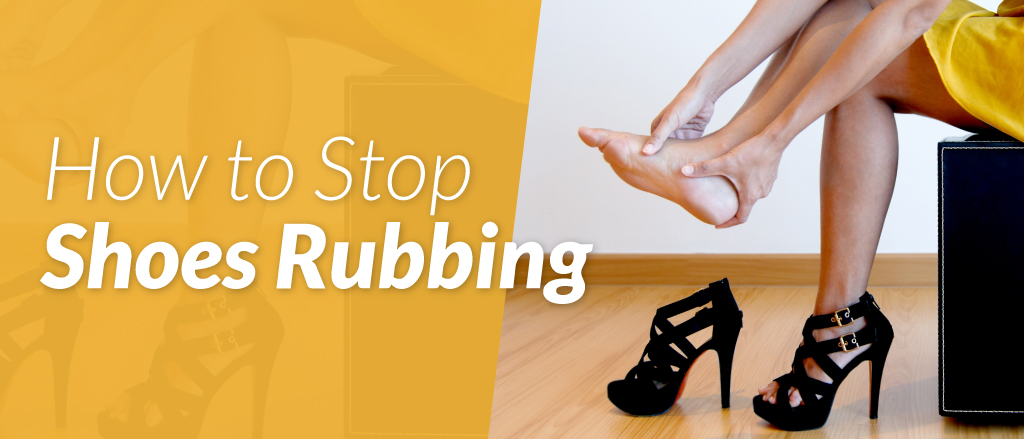
Why shoes rub the back of your heel
Shoes rub the back of your heel when there is friction and motion between your skin and the shoe’s heel counter. This happens when the shoe is too loose, your heel slips, or the shoe has a stiff seam or rough edge. Foot shape, sock choice, and how you walk also change how much rubbing you feel.
Common causes:
- Shoes that are too big or too loose in the heel area
- A stiff heel counter or seam that presses on skin
- New shoes that are not broken in
- High heels or flexible soles that make the foot slide
- Anatomical issues like a high Achilles or narrow heel
Understanding why shoes rub the back of your heel makes solutions easier to pick. Fix the root cause and the rubbing usually goes away. Practical fixes work fast and prevent future problems.
Immediate fixes you can try today
If you need relief now, try these steps. They reduce friction and stop blisters fast.
Quick steps:
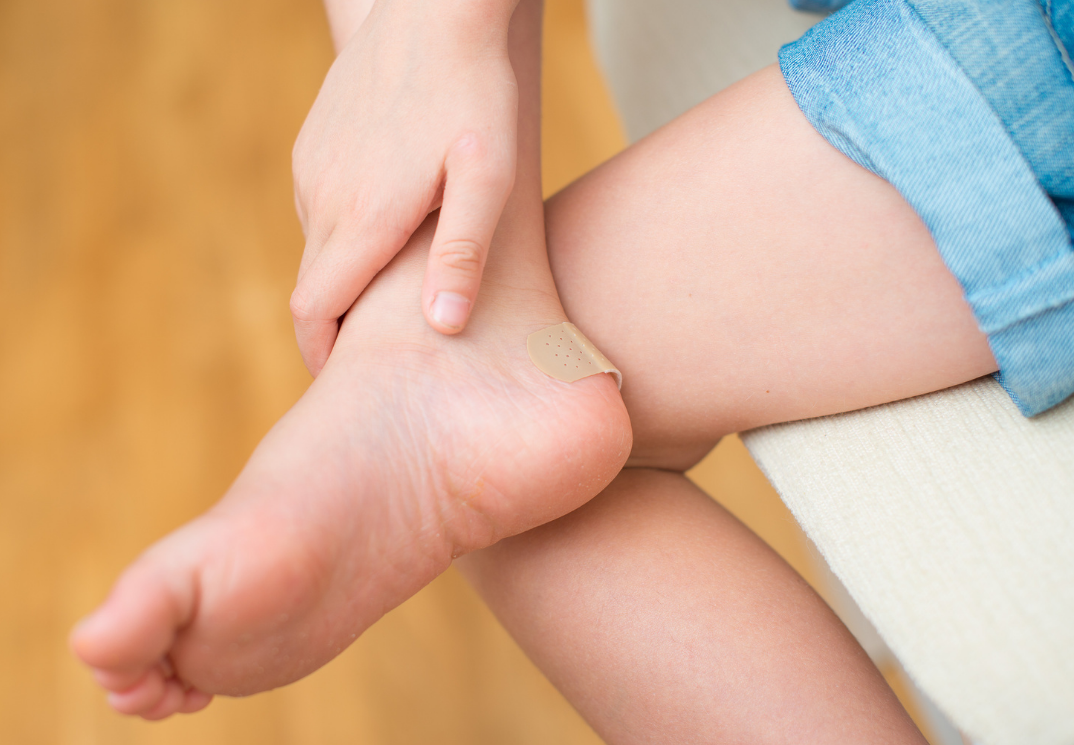
- Apply moleskin or blister pads to the spot on your heel. They cushion and cut friction.
- Wear thicker or padded socks that wick moisture. Avoid cotton if you sweat.
- Use heel grips or padded inserts to stop your heel from slipping.
- Try a lubricant stick or anti-chafe balm on the skin to reduce friction.
- Use a bandage or silicone strip on the heel while you break shoes in.
These methods are cheap and fast. Moleskin and heel grips often work on the first use. If you get a blister, clean it, cover it with a sterile dressing, and avoid further rubbing until healed.

How to pick shoes that won’t rub your heel
Choosing the right shoes prevents rubbing before it starts. Fit and design matter more than looks.
What to look for:
- Heel counter should be firm but not sharp. Rounded edges are better.
- A snug fit at midfoot and heel prevents slipping. Don’t rely on toe-room alone.
- Adjustable closures let you tighten the shoe around the ankle.
- Soft, padded linings at the back reduce friction.
- Try shoes later in the day when your feet are slightly swollen.
When trying shoes:
- Walk 10–15 minutes in the store or at home on different surfaces.
- Wear the socks you’ll normally use with the shoes.
- Test for any pressure points by pressing your thumb into the heel area.
Good selection prevents the need for many fixes later. Invest in well-fitting shoes and you save time and pain.
Break-in strategies that protect your heels
New shoes often need gentle breaking in. Do it slowly to avoid sores.
Step-by-step break-in:
- Wear new shoes for short periods around the house.
- Use thicker socks or double-layer socks on early wears.
- Add heel pads or moleskin temporarily until the shoe softens.
- If the shoe is tight in one spot, use a shoe stretcher or take them to a cobbler.
- Alternate shoes daily to reduce continuous pressure.
This gradual routine lets the shoe molding happen without raw skin. I learned this the hard way after one long hike left me with two large blisters. Short sessions and padding prevented repeating that mistake.

Products and DIY solutions that work
There are simple products that solve most heel rubbing problems. I list reliable options and how to use them.
Effective products:
- Moleskin or blister pads — Cut to size and stick directly on skin or shoe.
- Heel grips — Soft pads that attach inside the heel to stop slipping.
- Gel silicone liners — Create a low-friction barrier.
- Anti-chafe balm or petroleum-based lubricant — Apply thinly to skin to reduce rubbing.
- Double-layer or blister socks — Two friction layers reduce shearing on skin.
- Shoe stretchers or cobbler services — For stubborn tight spots.
DIY hacks:
- Cut a felt strip and glue it inside a shoe’s heel seam.
- Use medical tape to protect a hot spot before it becomes a blister.
- Warm leather gently and wear the shoe until it cools to shape it to your foot.
Most people find moleskin, heel grips, and anti-chafe balm to be the quickest wins. Keep a small kit in your bag for travel and new shoes.
Footwear types and special considerations
Different shoes cause rubbing in different ways. Adjust your approach based on shoe type.
Sneakers and trainers:
- Often need heel grips if loose.
- Breathable socks and lacing techniques reduce slipping.
Dress shoes and loafers:
- May have stiff seams. Add thin leather or moleskin padding.
- Consider professional stretching for tight areas.
Heels and formal shoes:
- Higher heel pitch increases pressure on heel. Choose ankle straps or cushioned insoles.
- Gel pads and silicone liners help a lot.
Sandals and open-backed shoes:
- Open heels can still rub if straps or edges are rough. Use soft liners or change to a different pair.
Matching solutions to shoe type speeds relief and prevents future rubbing.
When to see a podiatrist or cobbler
Most rubbing can be fixed at home. See a specialist if problems persist or worsen.
Signs you should seek help:
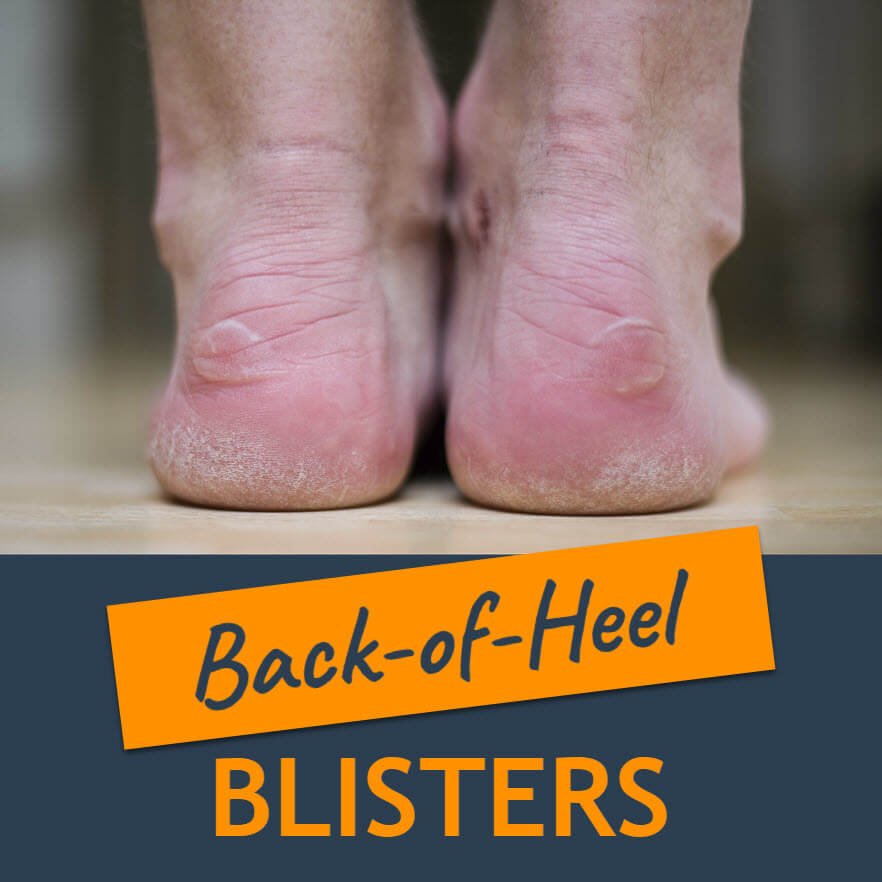
- Recurrent or infected blisters that don’t heal
- Deep tissue pain or thickened skin that causes ongoing discomfort
- Structural foot issues like severe pronation or bunions that change shoe fit
- Need for custom orthotics to stabilize the heel
A cobbler can reshape or add padding to shoes. A podiatrist can treat wounds and recommend orthotics. Both are good options if simple fixes don’t end the problem.
Personal experience and practical tips
I once wore new leather sneakers for a whole day of errands and got a painful blister. I learned to always:
- Test new shoes at home for short periods.
- Carry heel grips and a small blister kit.
- Use socks with good moisture control for long days.
Lessons learned:
- Prevention beats treatment. Fix fit and friction early.
- Small investments like gel liners save more time than treating blisters.
- If one pair of shoes keeps causing pain, stop wearing it until it’s fixed.
These small habits stopped heel rubbing for me and many people I advised. Try them and adjust to what works for your feet.

Quick People-Also-Ask questions
Will socks stop shoes rubbing the back of my heel?
Yes. Thicker or double-layer socks cushion the heel and reduce friction. Moisture-wicking socks also help by keeping skin dry.
Do heel grips really work?
Heel grips are often effective. They raise the heel slightly and stop the foot from sliding, reducing rubbing.
Can I use Vaseline to stop rubbing?
Vaseline or anti-chafe balms can reduce friction temporarily. Reapply as needed, especially if you sweat.
Frequently Asked Questions of how to stop shoes rubbing the back of your heel
How long does it take for shoes to stop rubbing the back of my heel?
It varies, but breaking in shoes usually takes a few wears. Use padding and short wear sessions to speed the process.
What is the best sock for preventing heel rubbing?
Choose moisture-wicking, cushioned socks made of synthetic blends or wool. Avoid cotton for long wear.
Are heel grips better than gel liners?
Both work. Heel grips are thin and prevent slipping. Gel liners cushion and reduce friction. Try both to see which fits your shoe.
Can shoe stretching help reduce heel rubbing?
Yes. Stretching can remove tight spots that cause friction. A cobbler can stretch leather and offer targeted adjustments.
How do I treat a blister from heel rubbing?
Clean with mild soap, cover with a sterile blister pad, and avoid further friction. See a doctor if signs of infection appear.
Should I stop wearing shoes that rub my heel?
Yes, stop if they cause pain or blisters. Repair the fit or use protective padding before wearing them again.
Conclusion
Stopping shoes rubbing the back of your heel is about reducing friction and improving fit. Use padding, heel grips, proper socks, and gradual break-in to prevent pain and blisters. If problems persist, seek help from a cobbler or podiatrist to get a lasting fix. Try one simple change today—like heel grips or moleskin—and see how much better your shoes feel. If this helped, leave a comment, try the tips on your next pair, or subscribe for more practical foot-care advice.

Rubel Miah is the Senior Editor at MyStyleGrid.com, where he brings a sharp editorial eye and an unshakable love for fashion to everything he does. A true style addict, Rubel lives and breathes trends, from streetwear to high fashion, and has a knack for turning inspiration into impactful stories. With years of experience in fashion journalism and digital media, he curates content that empowers readers to express themselves through style. When he’s not editing features or forecasting the next big thing, you’ll find him hunting down vintage pieces or capturing street style moments around the city.