Zero drop shoes often increase calf and Achilles strain, raising injury risk for many users.
I write about footwear after years testing shoes, working with runners, and reviewing research on gait and injuries. I’ll explain clearly why zero drop shoes are bad for some people, when they can be used safely, and practical steps to avoid harm. Read on for hands-on advice and evidence-based guidance so you can decide if zero drop shoes fit your needs.

How zero drop shoes work and why they became popular
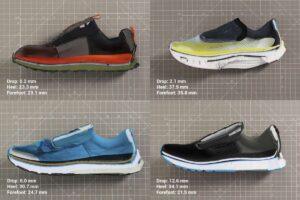
Zero drop shoes have no height difference between heel and forefoot. That removes the heel lift common in most running shoes. Fans say this promotes a more natural foot strike and stronger feet. That can be true for some people, but it also changes how the calf, Achilles, and plantar fascia absorb load. These changes explain why zero drop shoes are bad for many users who switch too quickly or have certain body mechanics.
:max_bytes(150000):strip_icc()/Zero-Drop-Shoes-GettyImages-740521251-74e4b479ec1544a0a9bfcfb33d696829.jpg)
Main reasons zero drop shoes are bad
Below are the core reasons many people find zero drop shoes are bad for long-term wear or performance.
- Sudden increase in calf and Achilles load. Zero drop shifts more load to the calf complex. Tight or weak calves struggle with the change, which raises risk of Achilles tendinopathy and calf strains.
- Faster foot and ankle motion. Less heel-to-toe drop increases ankle dorsiflexion during stance. That can irritate the Achilles and raise fall risk on uneven ground.
- Reduced shock absorption for heel strikers. If you heel strike, zero drop shoes remove a protective heel lift and can increase impact forces at the knee and hip.
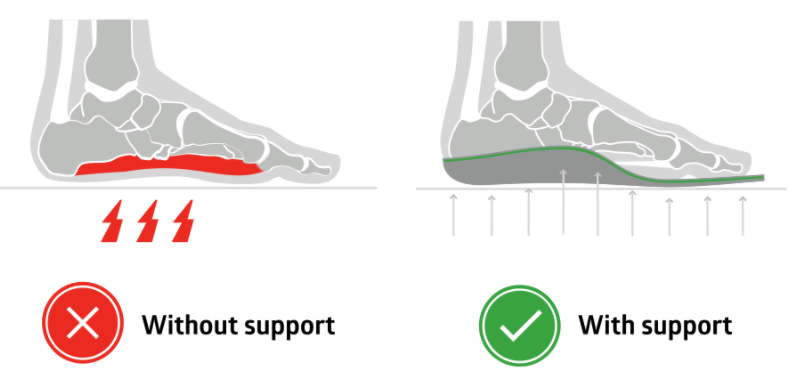
- Poor fit for some foot types. People with high arches, tight calves, or heavy body weight often need some heel cushioning or a drop to distribute forces.
- Transition-related injuries. Many injuries come from rapid transition to zero drop shoes rather than the shoes themselves. Rushing a switch increases pain and tissue overload.
- Unsuitable for older adults or those with mobility limits. Older runners often lose calf flexibility and could be harmed by immediate zero-drop use.
Every point above ties back to mechanics. That is why zero drop shoes are bad for people who lack strength, flexibility, or a proper transition plan.

The biomechanics: what changes when you go zero drop
Understanding the mechanics helps explain why zero drop shoes are bad in practical terms.
- Heel-to-toe drop alters force distribution. Removing heel lift increases calf and forefoot loading.
- Muscle-tendon unit adaptation is required. Calves and Achilles need time to lengthen and strengthen to handle new stress.
- Gait pattern shifts. Some wearers move toward a midfoot strike, which reduces knee load but raises ankle and calf load.
- Compensation at the knee or hip. If the calf can’t absorb the load, knee or hip muscles take up the slack, which may cause new pains.
These chain reactions are why many clinicians caution against immediate adoption of zero drop shoes without assessment.
Who is most at risk from zero drop shoes
Not everyone will struggle, but certain groups face higher risk that zero drop shoes are bad for them.
- New runners and beginners. Their tissues aren’t adapted to repetitive loading shifts.
- People with tight calves or Achilles. They are more likely to develop tendon pain after switching.
- Heavy runners or those with sudden training increases. More load magnifies problems.
- Older adults with reduced ankle mobility. Loss of flexibility makes adaptation harder.
- Heel strikers who don’t alter stride. They may increase impact forces on joints.
If you fit any of these profiles, take extra care before trying zero drop shoes.

Transition plan: how to avoid injury if you try zero drop
If you want to try zero drop safely, follow a slow and structured plan. Rushing is the main reason zero drop shoes are bad.
- Start with short sessions. Wear zero drop shoes for 10–15 minutes of walking or easy activity at first.
- Gradually increase time by 10–20% each week. Slow progression lets tendons and muscles adapt.
- Add calf strengthening and eccentric exercises. Three sets of 10–15 slow calf raises help build tolerance.
- Stretch and improve ankle mobility. Daily ankle mobility drills reduce strain on the Achilles.
- Monitor pain closely. Mild soreness is normal; sharp or persistent pain is a sign to stop and reassess.
I learned this the hard way. Early in my running years I switched to zero drop shoes too fast and got Achilles pain that sidelined me for weeks. A slow plan with strengthening fixed it.

Practical alternatives to zero drop shoes
If zero drop shoes are bad for your goals or body, consider these options.
- Low-drop shoes with gentle heel lift. A 4–8 mm drop gives a middle ground between zero and high-drop shoes.
- Cushioned trainers for heel strikers. Extra heel cushioning reduces impact at the knee and hip.
- Stability or motion-control shoes for overpronation. These support foot alignment without forcing a zero drop.
- Rocker-soled shoes for forefoot problems. They limit bending at the big toe and relieve forefoot pressure.
Choosing the right shoe means matching footwear to your mechanics, training load, and injury history.

Personal experience and lessons learned
From testing shoes and coaching runners, I’ve seen patterns that explain why zero drop shoes are bad for many people. A client of mine switched overnight after watching a video and developed Achilles tendinopathy in two weeks. We rebuilt strength, introduced a slow plan, and switched to a low-drop trainer; recovery took three months. That experience taught me to value graded exposure and to treat shoes as tools, not quick fixes.

Signs you should stop wearing zero drop shoes
Listen to your body. Stop using zero drop shoes if you notice:
- Increasing Achilles or calf pain that lasts more than a few days.
- New knee or hip pain after switching shoes.
- Consistent stiffness that doesn't improve with rest and stretching.
- A limp or altered gait to avoid pain.
Early action avoids chronic problems and shows why caution matters when zero drop shoes are bad for your situation.
Frequently Asked Questions of why zero drop shoes are bad
Do zero drop shoes cause Achilles tendon issues?
Zero drop shoes can increase Achilles load, especially with sudden use. Gradual transition and calf strengthening reduce that risk.
Are zero drop shoes bad for running long distances?
They can be if you switch quickly or lack calf strength. Many runners succeed after a slow adaptation plan and conditioning.
Can heel strikers wear zero drop shoes safely?
Heel strikers may experience higher impact forces in zero drop shoes. Switching gait or adding cushioning often helps.
How long should I transition to zero drop shoes?
A slow plan of weeks to months is best, starting with short sessions and increasing 10–20% weekly. Individual recovery varies.
Are zero drop shoes bad for older adults?
Older adults often have reduced ankle mobility, which makes rapid adoption risky. A low-drop or cushioned shoe is safer for many.
Will strengthening fix problems caused by zero drop shoes?
Targeted strengthening and mobility work greatly reduce problems. However, some people still need a different shoe style to avoid pain.
Conclusion
Zero drop shoes offer benefits for some users, but they are bad choices for many people who switch too quickly, have tight calves, or carry excess load. The key is assessment, gradual exposure, and targeted strengthening to protect the Achilles, calves, and joints. If you’re curious, test zero drop shoes carefully: start short, add calf work, and track pain. Share your experiences or questions below, subscribe for more footwear guidance, or try a conservative transition plan before making a full switch.

Rubel Miah is the Senior Editor at MyStyleGrid.com, where he brings a sharp editorial eye and an unshakable love for fashion to everything he does. A true style addict, Rubel lives and breathes trends, from streetwear to high fashion, and has a knack for turning inspiration into impactful stories. With years of experience in fashion journalism and digital media, he curates content that empowers readers to express themselves through style. When he’s not editing features or forecasting the next big thing, you’ll find him hunting down vintage pieces or capturing street style moments around the city.