Squeaks usually come from friction, trapped moisture, loose parts, or poor-quality materials rubbing.
I get it — a squeaky shoe is annoying and can make you feel self-conscious. I’ve spent years fixing and testing footwear, from running shoes to dress loafers, so I know the common causes and the simple fixes that work. Read on to learn why do my shoes squeak, how to diagnose the source, quick fixes you can try at home, and when to see a pro.

What causes shoes to squeak?
Squeaks come from parts rubbing, air being trapped, or moisture creating friction. The sound often comes from the insole, outsole, seams, or any loose hardware.
Common causes
- Insole movement — The insole slips and rubs against the shoe shell when you walk.
- Sole separation — A loose or lifting sole traps air and squeaks under pressure.
- Moisture — Water stuck in layers makes parts slip and squeak until dry.
- New shoes — Fresh glue, stiff leather, or untreated rubber can squeak during break-in.
- Debris in tread — Small stones or grit get stuck and click or squeak.
- Poor materials — Low-quality foams and synthetics often produce noise.
- Hardware issues — Loose eyelets, buckles, or heel plates can make noise.
- Floor interaction — Some floor types amplify sound from certain soles.
If you ask “why do my shoes squeak,” start by locating the sound. Lift the insole, press different parts, and flex the shoe. This helps narrow the problem quickly.
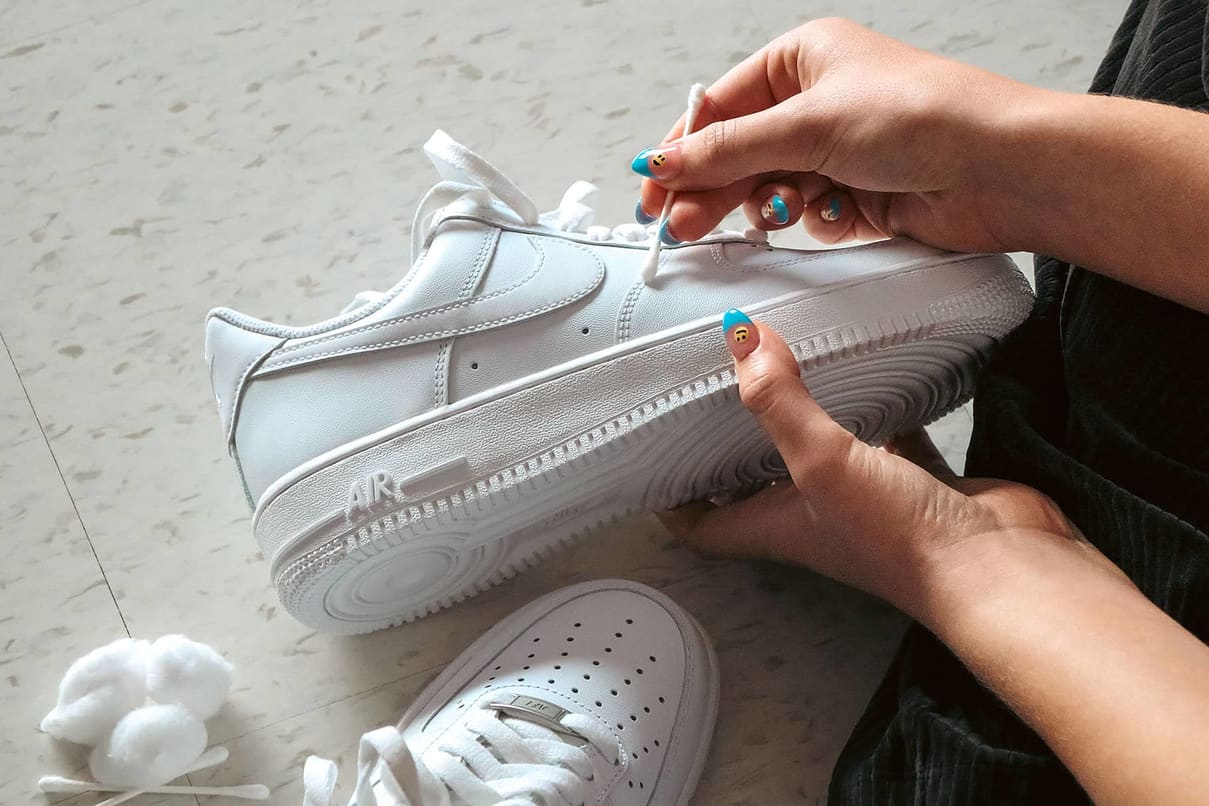
How to fix squeaky shoes
Here are practical fixes you can try. Start with the least invasive methods and move to stronger options if needed.
Dry and test
- Remove insoles and let shoes air dry for 24 hours. This often stops moisture-based squeaks.
- Put shoes in a dry, warm room but avoid direct heat from radiators.
Use powders
- Sprinkle cornstarch or baby powder under the insole to reduce friction.
- Tap the shoe to let powder spread, then replace the insole.
Lubricate carefully
- Rub a small amount of petroleum jelly on leather seams or between noisy parts. Wipe excess.
- Use a silicone spray sparingly on rubber joints and wipe away extra. Avoid spraying interiors where it can harm materials.
Tighten and glue
- Tighten loose hardware like heel plates or buckles.
- Apply shoe glue to sole seams if you see separation. Clamp or press until dry.
Swap insoles or add padding
- Replace worn insoles with denser or knit-lined versions. A thin leather or cork insole can stop slips.
- Add heel grips or adhesive pads to stop insole movement.
Sanding or scuffing
- Lightly sand a super-smooth outsole that slips on tile or wood. Test often to avoid overdoing it.
Professional repairs
- If the squeak is from midsole damage or internal construction, take shoes to a cobbler. They can re-cement soles or replace parts.
When you try any fix, test the shoe on a surface that previously made the sound. This helps confirm success.

Preventing squeaks long term
A few habits cut down future squeaks. Prevention is cheaper than repair.
Daily care tips
- Rotate shoes so pairs dry between wears.
- Clean the soles and remove debris after walks.
- Use shoe trees for leather shoes to reduce creasing and trapped moisture.
- Apply leather conditioner to keep material supple.
Choose quality and fit
- Buy shoes that fit well. Loose fits increase insole movement.
- Pick higher-quality insoles for daily comfort and noise control.
Break-in tips
- Break in new shoes gradually. Wear them for short periods to settle adhesives and leather.
- Use protective sprays for waterproofing, but test first on a small area.
Storage and environment
- Store shoes in a cool, dry place. Avoid damp basements.
- Use silica packets in shoe boxes during humid months.
These habits lower the chance you’ll ask “why do my shoes squeak” again.
Materials and mechanics behind the squeak
A quick peek at the physics helps explain common fixes. Most squeaks are stick-slip noises.
Simple mechanics
- Stick-slip: Two surfaces stick, build tension, then slip and release sound. This is common with insoles.
- Air compression: A lift and release of a trapped air pocket under a sole can create a popping squeak.
- Resonance: Thin layers like leather or plastic vibrate and amplify small noises.
Materials that squeak most
- Hard rubber on smooth tile — creates loud squeaks.
- Smooth leather — can squeak when rubbing against treated soles.
- Cheap foam — compresses unevenly and can creak.
- Adhesives — new or degraded glue can make noise as it stretches.
Understanding these mechanics makes fixes like powdering, drying, or re-gluing make intuitive sense.

When to seek repair or replacement
Not all squeaks are fixable at home. Use these signs to decide.
Repair when
- The sole is separating but still in good shape. A cobbler can re-cement it.
- The squeak stems from a replaceable insole or loose hardware.
- The shoes are valuable or sentimental and worth restoring.
Replace when
- The midsole is crushed or the shoe has major structural damage.
- Multiple components are failing and repair costs approach replacement price.
- The shoe causes pain or affects gait due to damage.
Check warranties. Some manufacturers cover noises caused by faulty materials within a warranty period.

My experience fixing squeaky shoes
I once had a pair of dress shoes that squeaked on tile. The sound came from a loose insole. I used cornstarch under the insole and the squeak stopped. Another time a running shoe squeaked from a separated heel. A cobbler re-glued it and the shoe lasted two more seasons. Key lesson: isolate the noise source before you fix it. I’ve learned to test for sound by walking on different floors, removing the insole, and pressing sections to narrow the problem.
Frequently Asked Questions of why do my shoes squeak
Why do my shoes squeak when I walk?
Most squeaks come from parts rubbing or trapped moisture. Check the insole, sole edges, and hardware for movement or wetness.
Can new shoes squeak and stop later?
Yes. New glue and stiff materials often squeak during break-in. Regular wear and flexing usually stop the noise.
Will powder stop the squeak forever?
Powder reduces friction but may need reapplication after cleaning. It works best for insole movement and moisture-related squeaks.
Is it safe to use silicone spray inside shoes?
Use silicone spray sparingly and avoid soaking interiors. Excess spray can break down some materials and reduce breathability.
When should I see a cobbler for squeaky shoes?
See a cobbler if the sole separates, the midsole is damaged, or home fixes don’t work. Professionals can re-cement and replace parts safely.
Can shoe squeaks damage the shoe over time?
Yes. Squeaks often signal friction or separation that can worsen. Fixing them early prevents bigger damage.
Conclusion
Squeaky shoes are usually fixable. Most cases come from insole movement, moisture, loose parts, or material issues. Start by locating the noise, try gentle fixes like drying or powder, and move to re-gluing or professional repair if needed. Take preventative steps like rotating shoes and using quality insoles to avoid repeat problems. Try the simple tips today and see if you can stop the squeak — and feel free to share your results or ask a question below.

Rubel Miah is the Senior Editor at MyStyleGrid.com, where he brings a sharp editorial eye and an unshakable love for fashion to everything he does. A true style addict, Rubel lives and breathes trends, from streetwear to high fashion, and has a knack for turning inspiration into impactful stories. With years of experience in fashion journalism and digital media, he curates content that empowers readers to express themselves through style. When he’s not editing features or forecasting the next big thing, you’ll find him hunting down vintage pieces or capturing street style moments around the city.