The best barefoot shoes combine a wide toe box, zero drop sole, and a thin, flexible outsole for natural foot movement.
I’ve tested barefoot shoes for years as a runner, trainer, and daily walker. In this guide I explain what is the best barefoot shoes for different needs. You’ll get clear criteria, model recommendations, fit tips, and honest pros and cons so you can choose confidently. Read on to find the barefoot shoe that helps your feet move, feel, and perform better.

How barefoot shoes work and why they matter
Barefoot shoes are designed to let your feet move like they would without shoes. They use a flat, zero drop sole, a thin outsole, and a roomy toe box. This setup lets toes spread, toes grip, and the foot sense the ground.
Why care about what is the best barefoot shoes?
- They can improve balance and foot strength.
- They encourage a more natural gait and can reduce heel striking.
- They offer a minimalist feel while still protecting the sole.
My experience: switching to barefoot shoes helped my foot strength and reduced shin stiffness. The change took time. Start slow and expect adaptation.

Key features that define what is the best barefoot shoes
Knowing the features helps you judge any model. Look for all of these to answer what is the best barefoot shoes for you.
- Zero drop and low stack height
- The heel and toe sit at the same level. This encourages a natural posture.
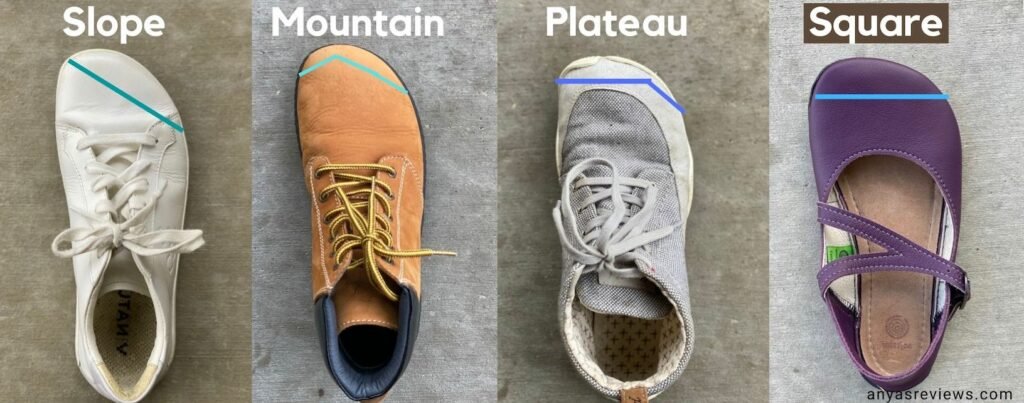
- Wide toe box
- Toes must splay naturally. A narrow front defeats barefoot benefits.
- Thin, flexible sole
- Thin soles improve ground feel. Flexibility lets your toes bend freely.
- Lightweight construction
- Heavy shoes limit natural movement. Aim for low weight for daily wear.
- Durable but minimal outsole protection
- You want protection without bulky cushioning. Durable rubber in high-wear zones helps.
- Breathable upper and secure fit
- Breathable fabric reduces sweat. A snug midfoot fit keeps the shoe from slipping.
When choosing, think about terrain. Road runners may want slightly thicker soles. Trail users need grippy outsoles. But the core idea of what is the best barefoot shoes stays the same.

Top contenders by category: models I trust and why
Here are popular models I’ve used or closely evaluated. They represent what is the best barefoot shoes across walking, running, trail, and everyday use.
- Daily casual and travel
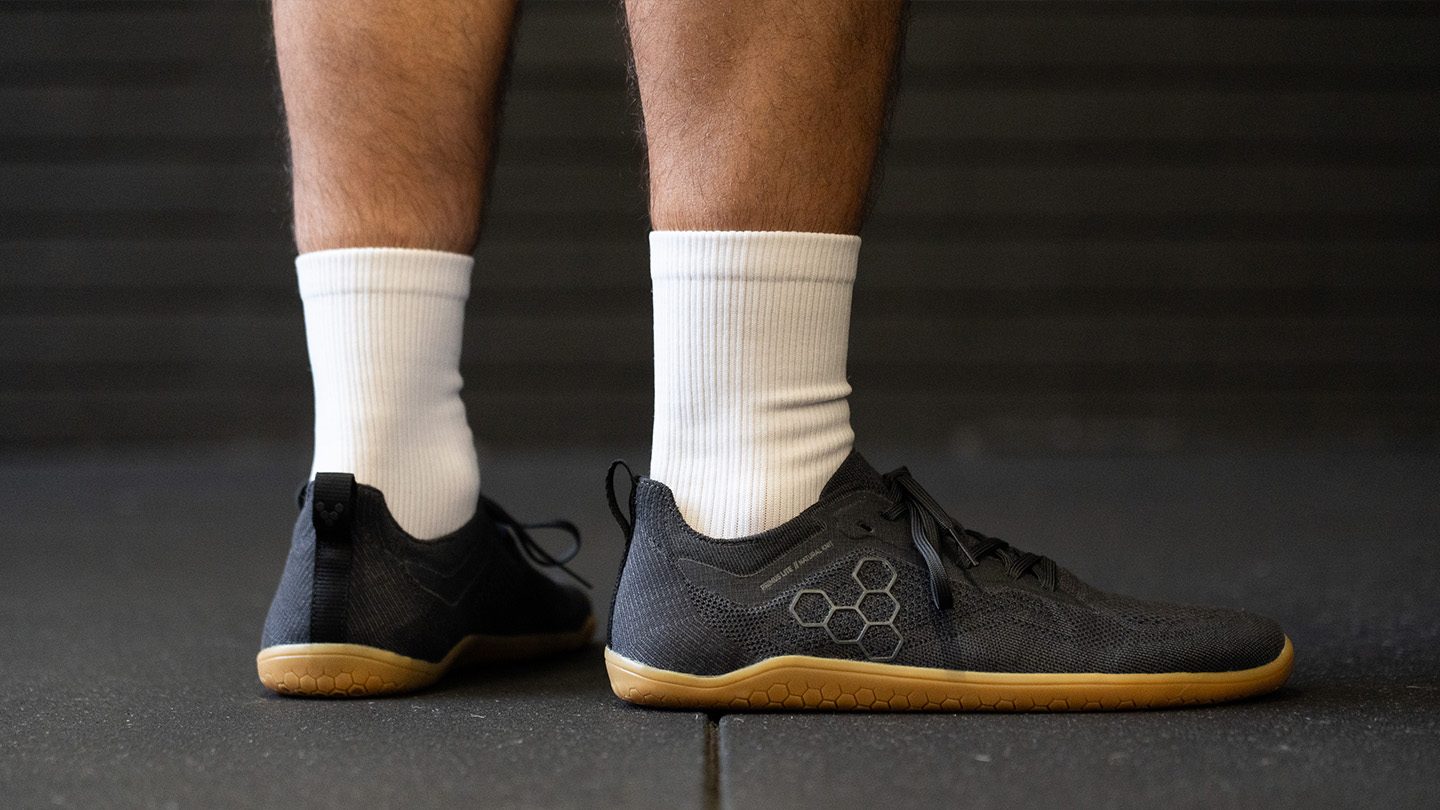
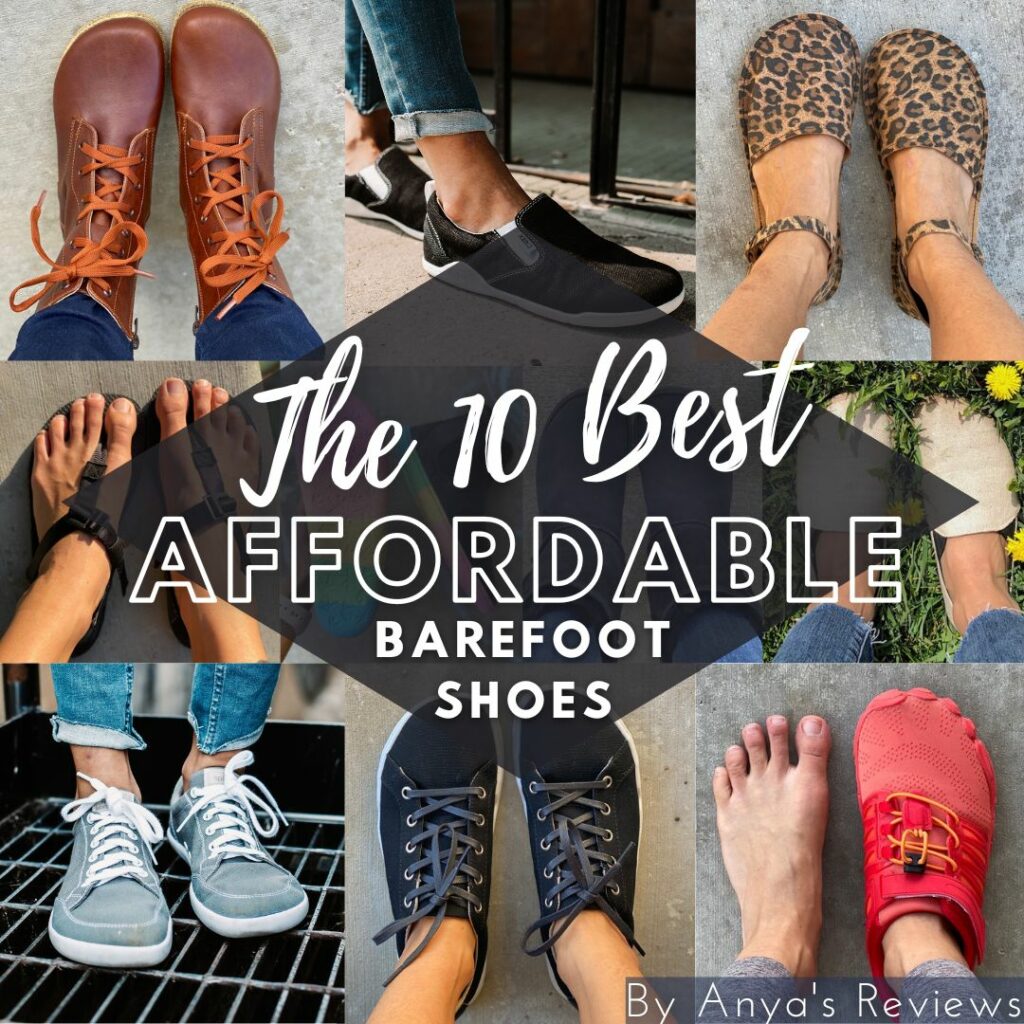
- Vivobarefoot Primus Lite — Very low profile, wide toe box, good for everyday use and travel.
- Feelgrounds Original — Soft knit upper, roomy fit, great for walking and casual wear.
- Road running and gym
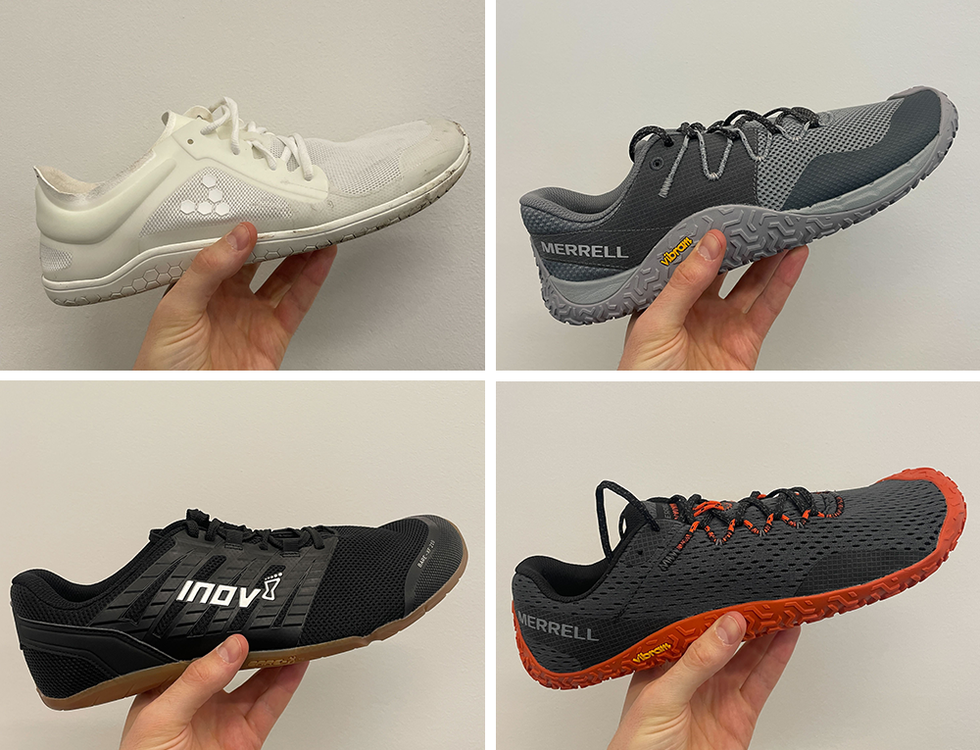
- Merrell Vapor Glove 5 — Thin sole, excellent ground feel, and simple fit for fast feet.
- Xero Shoes Prio — Lightweight, more protective sole, versatile for gym and runs.
- Trail and outdoors
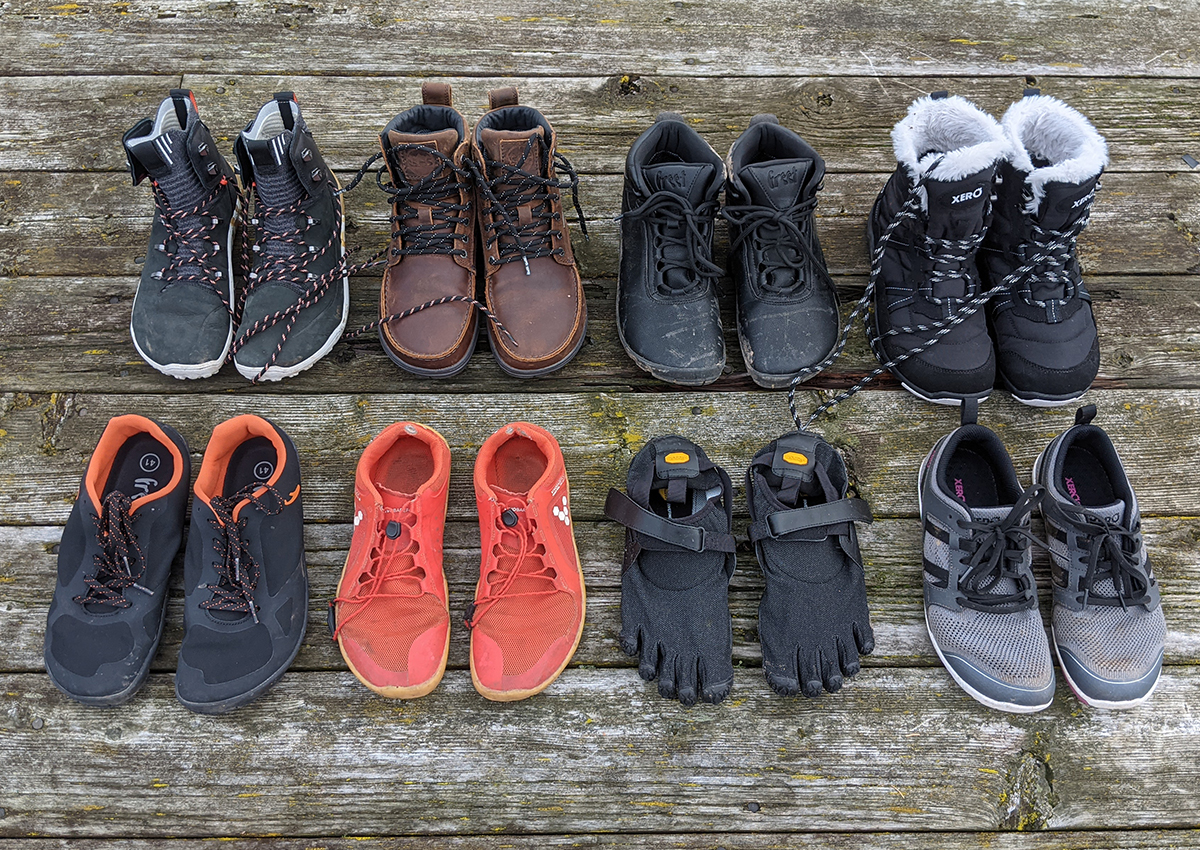
- Vivobarefoot Magna Trail — Wider toe box than typical trail shoes and good grip without heavy cushioning.
- Xero Shoes Mesa Trail — Durable outsole and flexible sole for rocky paths.
- Budget minimalist options
- Lems Primal 2 — Affordable, roomy, and lightweight for walking and light running.
- Topo Athletic ST-4 (note: not fully barefoot) — Zero drop with modest cushioning, suited for beginners.
Each model answers a slightly different question about what is the best barefoot shoes. Pick the model that matches your main activity.
How to choose: step-by-step decision guide
Follow this simple process to pick what is the best barefoot shoes for your needs.
- Define your main use
- Walking, running, gym, trail, or work.
- Prioritize features
- If ground feel matters most, choose a very thin sole.
- If protection on trails matters, choose a more rugged outsole.
- Check fit details
- Measure your feet at the end of the day. Ensure a thumb’s width in front.
- Confirm a wide toe box and secure midfoot wrap.
- Try and test
- Walk and jog briefly. Test toe splay and heel slip.
- Follow an adaptation plan
- Start with 15–20 minutes and add 5–10 minutes every few days.
- Add strength exercises for foot muscles.
Using this approach will make it much easier to answer the personal question of what is the best barefoot shoes for you.
Benefits and limitations of barefoot shoes
Understanding both sides helps set realistic expectations for what is the best barefoot shoes.
Benefits
- Improves foot strength and proprioception.
- Encourages natural running form and balance.
- Lightweight and flexible for comfort and travel.
Limitations
- Not ideal if you need heavy cushioning for severe joint issues.
- Transition period needed to avoid overuse injuries.
- Thin soles offer less protection on sharp or very rough terrain.
I once pushed too hard and developed plantar soreness. The lesson: respect the transition. Progress slowly and listen to your body.
Fit, sizing, and practical tips from my experience
Real-world tips make a big difference when buying what is the best barefoot shoes.
- Measure both feet and size to the larger foot.
- Shop later in the day when feet are slightly swollen.
- Wear the socks you will normally use with the shoes.
- Break shoes in with short walks before long runs.
- Add foot-strength routines: toe curls, short-foot exercises, and calf raises.
If a shoe pinches or slides, try a different size or model. A snug midfoot and roomy forefoot are the markers of a good barefoot fit.

Care and longevity
Barefoot shoes need care to last. Simple routines help.
- Clean mesh and knit uppers with mild soap and air dry.
- Remove insoles if wet and dry separately.
- Keep rubber soles away from heat to avoid hardening.
- Rotate shoes to let them recover and maintain shape.
A well-cared pair of barefoot shoes can last many months of regular use.
Common mistakes to avoid
Avoid these to get the most from what is the best barefoot shoes.
- Rushing the transition
- Choosing a narrow toe box
- Using barefoot shoes for very sharp terrain without protection
- Ignoring foot pain that lasts more than a week
Listen to signals. Pain that worsens needs a break and possibly professional advice.
Frequently Asked Questions of what is the best barefoot shoes
What makes a shoe a true barefoot shoe?
A true barefoot shoe has a zero drop sole, minimal cushioning, a thin flexible outsole, and a wide toe box. It lets the foot move and sense the ground naturally.
How long does it take to transition to barefoot shoes?
Most people adapt in 4–12 weeks with a gradual plan. Start with short walks and slowly increase time and intensity.
Can barefoot shoes prevent injuries?
They can reduce some running-related issues by improving form and strength, but they are not a guaranteed prevention method. Proper transition and training are essential.
Are barefoot shoes good for flat feet?
Many people with flat feet benefit from improved foot muscle engagement. However, some may need guidance from a clinician to avoid overuse injuries.
Can I run fast in barefoot shoes?
Yes, many runners report faster cadence and better form in barefoot shoes. Performance depends on training, terrain, and shoe choice.
Conclusion
Choosing what is the best barefoot shoes comes down to your goals, fit, and patience. Look for zero drop, a roomy toe box, and a thin, flexible sole. Test options for your main activity, transition slowly, and include foot-strength work. Do this and you’ll likely gain better balance, stronger feet, and a more natural stride.
Take action: measure your feet today, try a recommended model that matches your activity, and start a gentle transition plan. Share your experience or questions below to get tailored advice.

Rubel Miah is the Senior Editor at MyStyleGrid.com, where he brings a sharp editorial eye and an unshakable love for fashion to everything he does. A true style addict, Rubel lives and breathes trends, from streetwear to high fashion, and has a knack for turning inspiration into impactful stories. With years of experience in fashion journalism and digital media, he curates content that empowers readers to express themselves through style. When he’s not editing features or forecasting the next big thing, you’ll find him hunting down vintage pieces or capturing street style moments around the city.